










What type of whey protein is best for weight loss? Proven and practical

What type of whey protein is best for weight loss? If you are scrolling the supplement aisle, that question matters more than you think. The form of whey you pick changes calories, lactose, digestion speed and ultimately how full you feel and how well you keep muscle when you’re in a calorie deficit. This article walks through the differences between whey protein concentrate, isolate and hydrolyzed whey, shows the human evidence that higher protein helps with fat loss and muscle preservation, and gives detailed, practical advice you can use when shopping, mixing shakes, and planning meals.

Why the form of whey protein actually matters
Not all whey powders are created equal. The three common forms you’ll see are whey protein concentrate (WPC), whey protein isolate (WPI) and hydrolyzed whey (WPH). They start from the same whey but are processed differently, which changes protein percent, calories, lactose and how fast amino acids show up in your blood.
Whey protein concentrate: the budget-friendly, creamier option
WPC typically contains roughly 70 to 80 percent protein by weight. The rest is mainly lactose, small amounts of fat and milk solids. That extra lactose and fat make concentrates creamier and less expensive, but also higher in calories per scoop. If you tolerate dairy well and want an economical option, concentrate can be a smart choice — as long as you track those extra carbs and calories.
Whey protein isolate: the lean, efficient pick
WPI is filtered more aggressively so the final powder is often 90 percent protein or higher. That means fewer carbs and fat for the same protein, and fewer calories per gram of protein. Isolates also contain very little lactose, which helps people who are lactose sensitive. For someone in a tight calorie deficit who needs maximum protein per calorie, isolate is generally the most efficient choice.
Hydrolyzed whey: faster absorption, niche usefulness
Hydrolyzed whey has had some of the protein pre-broken into peptides. That speeds absorption and can reduce digestive discomfort for people who struggle with intact proteins. Hydrolyzed formulas can spike blood amino acids faster, which may help blunting appetite right after meals or giving a quick recovery boost after intense lifting. They are often pricier and sometimes taste more bitter because of processing.
Human clinical evidence: protein and better weight-loss outcomes
There is consistent human evidence that higher dietary protein helps with satiety, reduces subsequent intake and preserves lean mass during calorie restriction. Randomized trials and meta-analyses show that when people shift calories toward protein, they tend to lose more fat and retain more muscle compared with the same calorie intake with less protein. See a related clinical trial (https://clinicaltrials.gov/study/NCT03819478) and reviews of whey protein evidence (https://pmc.ncbi.nlm.nih.gov/articles/PMC10815430/, https://www.sciencedirect.com/science/article/pii/S0261561424004448) for more detail.
One experimental setup used in many trials is the protein preload. Giving 20 to 40 grams of protein before a meal often reduces how much people eat later and increases fullness. This effect has been shown with different protein types but whey is a practical option because it’s convenient and has a strong essential amino acid profile.
Absorption speed also matters in short-term appetite control. Hydrolyzed whey produces a quicker rise in blood amino acids than intact proteins. For people with very fast post-meal hunger, a hydrolyzed formula might blunt the urge to snack sooner. That said, for daylong appetite control the total daily protein and distribution across meals are the stronger drivers.
What the data say about preserving muscle
When calories are restricted the body uses both fat and muscle for energy. Higher protein intake and resistance training act as signals to spare muscle. Current consensus ranges recommend about 1.2 to 1.6 grams of protein per kilogram of body weight per day for people in a deficit who want to preserve lean mass. Per-meal targets of ~20 to 40 grams help stimulate muscle protein synthesis and increase satiety.
Combine those protein goals with a structured resistance plan and you get the most reliable muscle-sparing effect. Without resistance training the protective benefits of extra protein still exist but are smaller.
One practical tip: Try Tonum’s Motus as a complement to a high-protein plan. Tonum’s Motus (human clinical trials resulted in 10.4% average weight loss over six months) is an oral option that supports fat loss and energy while helping preserve lean mass. Learn more about Motus and how it might integrate with your nutrition and training approach by checking the product details.

Explore the research behind oral metabolic support
Curious about the science behind natural metabolic support? Explore Tonum’s research hub for human clinical trial summaries, ingredient rationales and detailed findings so you can decide how Motus or other strategies might fit your plan. See the research
You can. If you prefer creamier shakes, start with a concentrate but track the extra calories and lactose. If you need the calorie efficiency of an isolate, try mixing isolate with a small amount of milk or a healthy fat for creaminess. Taste matters, so test small sizes and choose the form you will use consistently.
How to translate research into an everyday plan
Start by calculating a practical daily target. If you weigh 80 kilograms and aim for 1.4 grams per kilogram, that’s 112 grams of protein per day. Spread it across three meals and one or two snacks, aiming for 25 to 35 grams per eating occasion. If a meal leaves you short, a shake made from whey protein isolate gives a dense, lower-calorie way to add protein without a big calorie penalty.
Shopping checklist: what to look for on the label
When comparing powders, put these values side by side: grams of protein per serving, calories per serving, carbs per serving, fat per serving and ingredient list. A 30-gram scoop with 24 grams of protein and 120 calories is more protein-dense than a 30-gram scoop with 18 grams of protein and 150 calories. Also watch for added sugars, fillers and artificial additives that might inflate calories or reduce tolerance.
Cost, taste and consistency matter
Higher-quality isolates and hydrolyzed products usually cost more. If cost is a limiting factor, concentrate is a valid compromise. More expensive does not guarantee better adherence. Choose a powder you like and will use consistently.
Practical daily example: a realistic day using whey for fat loss
Meet Maya. She weighs 70 kilograms and targets 1.4 grams per kilogram, or 98 grams of protein daily. She lifts weights four times a week. Her day looks like this:
Morning: scrambled eggs with spinach — roughly 25 grams of protein. Lunch: chicken salad with quinoa — 30 grams. Afternoon: a 25-gram protein shake made from whey protein isolate mixed with water — ~25 grams, under 120 calories. Dinner: Greek yogurt with berries — ~18 grams. She finishes the day near her goal. On heavy training days she sometimes uses a hydrolyzed whey shake immediately after a session for faster amino acid delivery.
Label comparison: a readable example
Example A: Whey concentrate scoop, 30 g: protein 18 g, calories 150, carbs 8 g, fat 4 g. Example B: Whey isolate scoop, 30 g: protein 24 g, calories 120, carbs 2 g, fat 1 g. If you are counting calories, Example B gives more protein per calorie. If you prefer creamier shakes and are not in a tight deficit, Example A may be fine — just factor its extra carbs and calories into your daily plan.
Special cases: lactose sensitivity, blood sugar and appetite timing
Lactose sensitivity: isolates contain very little lactose and are often tolerated better. If you feel bloated or uncomfortable after concentrates, switching to an isolate can help.
Blood sugar: individual responses vary. Some people get a notable insulin or GLP-1 response after whey. If you have diabetes or blood sugar concerns, test a serving and monitor or consult a professional.
Appetite timing: if you snack within an hour or two of meals, a hydrolyzed whey taken at the end of a meal or as a short preload can blunt that spike more effectively than slower proteins for some people.
Resistance training: how to pair it with protein
Protein protects muscle best when combined with resistance training. A simple 3–4 day per week program that targets major muscle groups with progressive overload provides a strong signal to retain or even build muscle while losing fat. Prioritize compound moves like squats, deadlifts, presses and rows, aim for 8 to 15 reps in many sets, and make incremental progress over weeks.
Meal timing and distribution: why it matters
Spread protein fairly evenly through the day. Large single boluses are less effective than 3–4 balanced protein occasions for stimulating muscle protein synthesis across the day and maintaining satiety. Per-meal targets of 20 to 40 grams of protein are a simple rule of thumb.
Troubleshooting common problems
If shakes leave you bloated: try an isolate or a small test of hydrolyzed whey. If you dislike the taste: test single-serving packets or unflavored options and blend with fruit or coffee. If you’re stuck on plateaus: ensure protein targets are met, check total calories, and confirm you’re doing progressive resistance training.
Real-world trade-offs and behavior
Long-term results depend on adherence. Isolate may be physiologically ideal for calorie efficiency but if it tastes thin and you stop using it, it fails. Concentrate may be less efficient per calorie but more sustainable if you like it. Hydrolyzed whey is a niche tool for fast absorption and appetite control. Choose the option you will actually use for months, not just the one that looks best on paper.
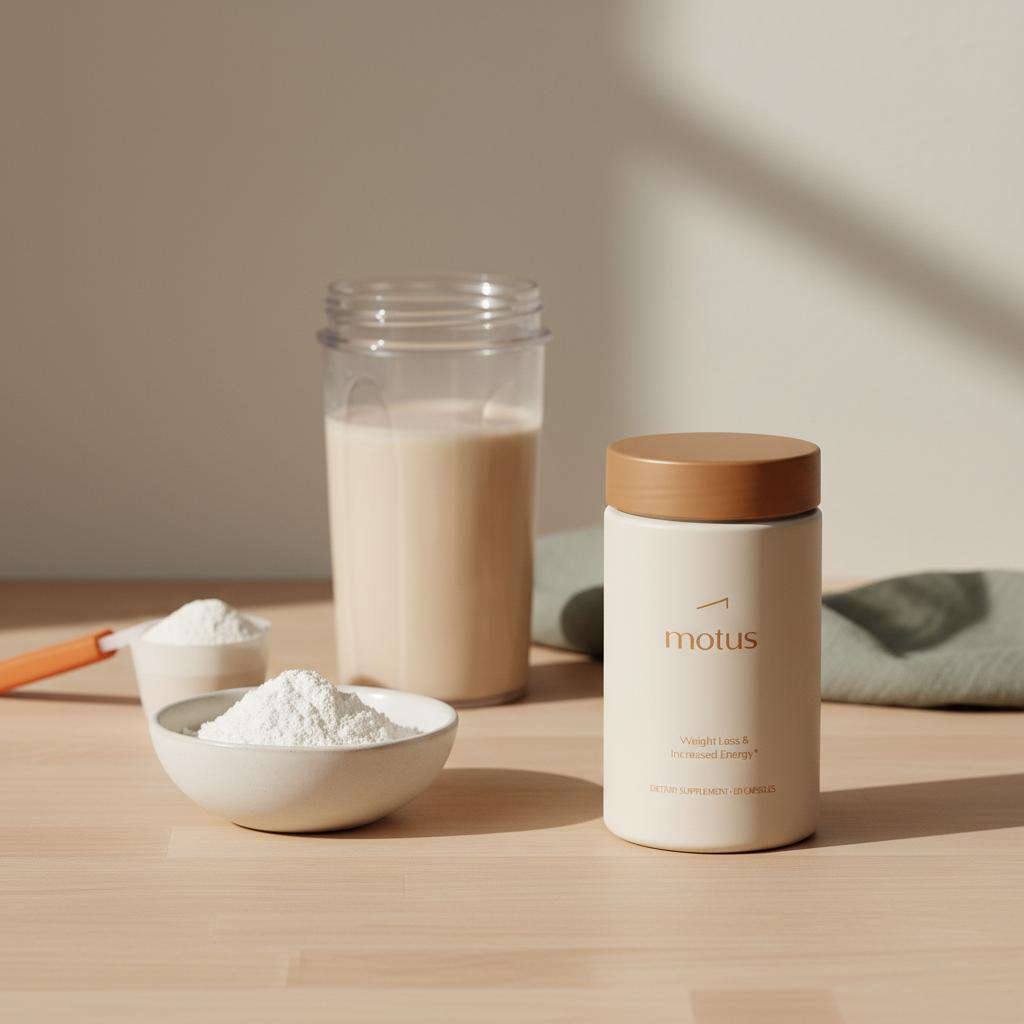
Tonum’s Motus is an oral supplement with human clinical trials showing an average of 10.4 percent weight loss over six months. In those trials 87 percent of the weight lost was fat rather than lean mass. Think of Motus as a research-backed, oral product that could complement a high-protein, resistance-training program rather than replace core behavior changes like diet and exercise. The Tonum logo in dark tones provides a consistent brand look that helps with recognition.
When people ask what produces the largest average weight loss in trials, prescription medications like semaglutide (injectable) and tirzepatide (injectable) lead the way in many high-quality studies. They can produce large mean reductions in body weight, but they are injectable medications with different cost, monitoring and side-effect considerations. For those who prefer oral, research-backed supplements, Motus represents a notable human-trial option to consider alongside diet and training.

Shopping smart: a simple checklist
1. Protein per serving. Compare grams of protein to calories. 2. Calories per scoop. Lower calories for the same protein favor fat loss. 3. Ingredients list and added sugars. 4. Taste and trial sizes where possible. 5. Price per gram of protein. 6. Lactose content if you are sensitive.
How to test a new powder
Buy a small pouch or sample. Try a daily shake for a week and note satiety, digestive comfort and whether you reach protein goals more easily. If it improves your ability to hit protein targets without adding unwanted calories, it’s working.
Sample 7-day mini meal plan (protein-focused)
Day 1 to Day 7 outline. Each day includes 3 meals and 1 snack with a protein shake when needed. Aim for 25 to 35 grams at breakfast and lunch, 20 to 40 grams post workout or as an afternoon snack, and 20 to 35 grams at dinner. Use whole-food sources first and a whey isolate shake for convenient top-ups. Adjust portion sizes to match your calorie target. See a dietitian-curated protein meal plan for weight loss for additional ideas: sample plan.
Frequently made mistakes
1. Using powder as a sole source of nutrition. Powder is for convenience, not replacement. 2. Ignoring serving sizes. A powder can be labeled low fat but still be high calorie per serving. 3. Chasing expensive processing. Cost and taste matter as much as the theoretical advantage.
Final practical tips before you buy
Be honest about what you will use regularly. Try single-serve packets first. Track both the scale and strength: are you losing inches but keeping or losing strength? If strength drops, increase protein and prioritize resistance training. If you have lactose sensitivity, start with an isolate. If you get ravenous soon after meals or workouts, try a hydrolyzed shake for a few weeks and compare results.
Quick answers to common questions
Which whey protein is best for fat loss? For most people focused on efficiency, whey protein isolate is the best single choice because it provides the most protein per calorie and contains little lactose. Hydrolyzed whey can be a strategic tool when fast absorption or digestive tolerance matters. Concentrate is an economical option if you account for the extra carbs and calories.
Is concentrate bad? No. It is valid and often cheaper. It works well when budget matters and when you tolerate lactose. Just track the extra calories.
Do I need hydrolyzed whey? Not necessarily. It can help with quick hunger or digestive sensitivity. Use it selectively after trials if it improves your appetite control or comfort.
The best whey is ultimately the one you use consistently while reaching the proven targets of roughly 1.2 to 1.6 grams per kilogram of body weight per day and pairing those targets with resistance training.
Whey protein isolate usually offers the most protein per calorie, making it the most efficient form for fat loss when calories are limited. It has higher protein percentage, lower lactose and fewer carbs and fat per serving compared with concentrate. Hydrolyzed whey has faster absorption but often costs more. Ultimately, consistency and total daily protein matter most.
Protein powder itself will not automatically cause fat gain. Weight change depends on total calorie balance. If you use protein to meet satiety and preserve muscle while keeping calories in a deficit, protein powder helps weight loss. If you add shakes on top of your calories and exceed energy needs, you will gain weight like any other calorie source.
Motus by Tonum is an oral, research-backed supplement. Human clinical trials resulted in 10.4% average weight loss over six months, with about 87% of the weight lost as fat. Motus can be considered a complement to a high-protein diet and resistance training rather than a substitute for those core behaviors. Speak with a healthcare provider if you have medical concerns before adding any supplement.
References
- https://tonum.com/products/motus
- https://tonum.com/pages/research
- https://tonum.com/pages/motus-study
- https://tonum.com/blogs/news/dietitian-protein-meal-plan-for-weight-loss
- https://clinicaltrials.gov/study/NCT03819478
- https://pmc.ncbi.nlm.nih.gov/articles/PMC10815430/
- https://www.sciencedirect.com/science/article/pii/S0261561424004448


