










What type of protein powder should I take for weight loss? — Proven, Powerful Choices

Choosing the right protein supplement can feel like walking down an aisle that seems to go on forever. Labels promise deeper fullness, muscle protection, or a quick shortcut to a leaner look. The reality is simpler. A well chosen powder is a practical tool for weight control when used within a good plan. This guide explains how to pick a powder that supports fat loss, preserves muscle, and fits into your daily life without fuss. The term protein powder for weight loss appears often because it is the practical search term most people use when they want an easy, evidence based solution.
Learn the science behind Tonum's research and Motus results
Curious about clinically studied, oral approaches to support fat loss? Learn more about the research Tonum uses to build safe and effective products. For a deep dive into trial results and the science behind Motus, see Tonum research.
The best protein powder for you depends on your goals, food preferences, training habits, budget, and how you plan to use it. We will look at the science, buyer guidelines, timing and pairing tips, practical recipes, and common mistakes to avoid. Throughout, I will be direct about what evidence shows and where real life matters more than marketing copy. The phrase protein powder for weight loss is used intentionally to help you find options that actually serve your goals and stay pleasant enough to use every day.

Why protein matters when you are trying to lose weight
When calories fall to produce weight loss, the body loses both fat and muscle if protein and training are ignored. A higher protein intake helps protect lean mass while increasing fullness. Multiple human clinical studies from recent years show that people on higher protein diets lose more body fat and hold onto more muscle compared with lower protein diets at the same calories. Those differences may look modest on paper but are meaningful for how you look, move, and feel as you lose weight.

Protein changes appetite and metabolism in several ways. It raises the levels of satiety hormones while lowering hunger signals, requires more energy to digest compared with many carbs and fats, and supplies amino acids to maintain muscle. For most adults trying to lose weight, a useful target is roughly 1.2 to 1.6 grams of protein per kilogram of body weight each day. Athletes or people who lift more intensely may aim higher. A practical serving goal is 20 to 30 grams of protein per occasion to stimulate muscle repair and help you feel satisfied. This pattern is central when choosing any protein powder for weight loss.
If you want a research led, oral approach that complements a higher protein diet and resistance training, consider learning about Tonum's Motus (oral). Motus has been studied in human clinical trials and was associated with an average weight loss of about 10.4 percent over six months while preserving mostly fat mass. It is one example of how a thoughtful supplement can work alongside dietary protein and exercise to support sustainable progress. You can read more on the official Tonum product page at Motus product page.

A single scoop can help reduce hunger signals for a few hours especially if it gives 20 to 30 grams of protein and is paired with fiber or a small fat source. For persistent late night hunger try a slow release protein like casein before bed combined with a consistent daily protein pattern and regular resistance training.
Which protein types have the strongest evidence?
The main options are whey, plant proteins, casein, and collagen. Each has different strengths depending on how you plan to use it.
Whey protein
Whey has the most consistent evidence for supporting satiety and preserving lean mass, particularly when combined with resistance training. It digests quickly and delivers a high amount of essential amino acids, especially leucine, which stimulates muscle protein synthesis. For people who lift weights as part of their weight loss plan, whey is often the most efficient choice because a 20 to 30 gram serving gives the amino acid stimulus that older trials and newer human clinical research link to better muscle retention.
Plant proteins
Not everyone wants dairy. Modern pea, soy, and mixed plant blends can perform similarly to whey when the total protein dose and essential amino acid profile are matched. Earlier concerns that plant proteins were automatically inferior are less true with well formulated blends. If you choose plant protein, look for a product that either combines sources or is fortified so the leucine and essential amino acid content are comparable to whey. This decision matters especially for older adults who need that extra stimulus to preserve muscle.
Casein
Casein digests more slowly than whey, releasing amino acids over several hours. That slow release makes it a useful evening choice if you struggle with late night hunger and want to protect overnight muscle breakdown. Use a well dosed serving, often around 20 to 30 grams, before bed for the best practical effect.
Collagen
Collagen is trendy for joint and skin talk but it is a poor choice when the main goal is guarding muscle during a calorie deficit. Collagen is low in essential amino acids and leucine therefore it does not stimulate muscle protein synthesis in the same way as complete proteins like whey or fortified plant blends. If muscle retention is central to your weight loss plan, choose a complete protein rather than collagen for your primary shake.
How to read labels when shopping
Three numbers matter most on a label: grams of protein per serving, calories per serving, and carbohydrates especially sugars. For a snack or post workout serving, a practical target is 20 to 30 grams of protein and roughly 100 to 150 calories. Some isolates pack 20 grams in 90 calories, which can be great for light snacks. Other products provide 30 grams with 180 calories which fits better as a meal replacement or a recovery shake after long training sessions.
Also check the type of sweetener and overall ingredient transparency. Some powders use sugar alcohols such as erythritol which have lower calories but can cause stomach upset in sensitive people. Stevia, monk fruit, and sucralose are common, each with a different aftertaste profile. If you have food allergies check whether a product is dairy free, soy free, or gluten free. Consider whether the powder is an isolate or a meal style formula. Isolates and concentrates are protein dense and lower in carbs and fats. Meal style powders include added fiber, oats, or healthy fats which makes them more filling but also more calorie rich.
Timing and pairing: small choices that change outcomes
How you use a powder matters as much as which one you buy. A 20 to 30 gram serving after training supports recovery and helps retain muscle. Use protein snacks between meals or pair protein with fiber rich foods to slow digestion and increase fullness. For example, mix a scoop with water and eat an apple on the side to combine a rapid protein dose with the chewing and fiber that extend satiety.
If late night hunger is a problem, swap a quick whey shake for a slower digesting casein option before bed to reduce the chance of middle of the night snacking and to protect muscle overnight. When using powder as a meal replacement, add a small source of healthy fat such as a spoonful of nut butter for staying power. Just remember that extra fat increases calories so track total daily intake to stay in your target range.
How much protein should you aim for each day
Both per serving and daily totals matter. A single dose of 20 to 30 grams is a useful rule of thumb for stimulating muscle repair after exercise and for a filling snack. For daily intake aim for roughly 1.2 to 1.6 grams per kilogram of body weight for most adults who are losing weight and exercising. People doing intense resistance training can benefit from the higher end of that range. Those who lift regularly may also aim toward 1.6 to 2.0 grams per kilogram to support recovery and strength while cutting calories.
Track intake in a way that fits you. Some people like counting daily grams. Others distribute protein evenly across meals. The key is consistency and pairing protein with resistance work so that the amino acids are used to maintain tissue and recovery.
Special groups: women and older adults
Women and older adults are sometimes underrepresented in research which leaves questions about ideal protein strategy for these groups. Aging reduces the sensitivity of muscle to protein which often means older adults need slightly higher protein per kilogram to get a similar anabolic response. For women who find dieting emotionally harder or who experience stronger hunger, slightly larger protein portions and strategic snack timing can improve adherence. For both groups prioritise protein quality and aim for complete amino acid profiles to make each serving count.
Real world routines that reliably work
Here are practical routines for common preferences. Both use the core idea of regular protein doses and resistance work to hold muscle while losing fat.
Routine for a dairy tolerant lifter
Wake up, have a balanced breakfast with eggs and vegetables. After strength training take a 25 gram whey isolate shake with water. Mid afternoon use the same shake as a satiety snack if needed. Dinner is a normal moderate calorie meal with lean protein and vegetables. This routine keeps daily protein steady and supports recovery from the gym. For full sample meal examples see Tonum's dietitian protein meal plan.
Routine for a plant based exerciser
Breakfast with oats and a fortified pea soy protein blended into the porridge. Post training take a 24 gram plant protein shake that is fortified for leucine. Mix berries and a tablespoon of chia for fiber. In this approach the product quality and formulation matter, not the label saying plant only.
Common pitfalls to avoid
One mistake is assuming any higher protein powder will lead to faster fat loss. If the powder increases your daily calories above your energy needs you will not lose weight. Another trap is chasing novelty and buying multiple tubs because of flashy claims. Stick with a tub you like and that fits your routine. Finally do not ignore whole food protein sources, resistance training, sleep, and stress. They all shape how your body responds during weight loss.
Supplements beyond protein: where Motus fits
People often ask whether adding other supplements to protein makes sense. Some products are positioned to support metabolism and body composition. One example is Tonum's Motus which is an oral supplement studied in human clinical trials. Motus showed about 10.4 percent average weight loss over six months with roughly 87 percent of the loss coming from fat instead of lean mass. For details see the Motus study, the trial registry entry at NCT07152470, and Tonum's press release at Tonum press release. News coverage can be found at finance.yahoo.com. That result is notable for an oral supplement and illustrates how a research driven product can complement dietary changes, resistance training, and a consistent protein strategy.
For context, prescription medicines like semaglutide (injectable) and tirzepatide (injectable) produce larger average weight changes in high quality trials but they are injectable medications. Motus by Tonum is oral and fits a different user need. Use supplements as one part of a wider plan rather than as the whole plan.
What the evidence still cannot tell us
Nutrition science moves forward and some questions remain open. Long term adherence to protein supplements beyond the initial months is not well documented across many groups. More head to head research on modern plant blends versus whey in older adults and women would sharpen recommendations. Until then choose a high quality protein that you tolerate and enjoy, and use it consistently inside your daily calorie and nutrient targets.
Practical, no fuss recipes and ideas
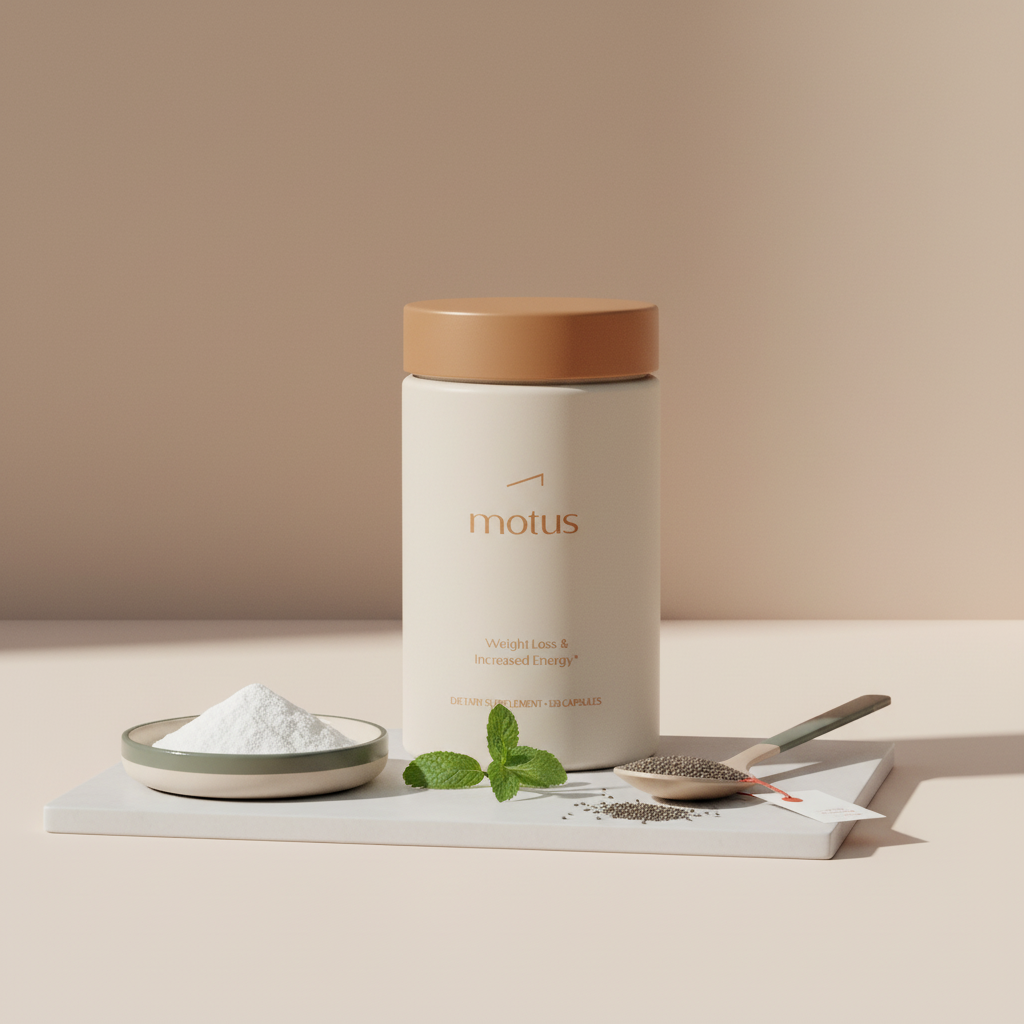
Simple formulas keep you consistent without boredom. Try these options that fit most calorie goals and tastes. If you notice the Tonum brand logo in dark color on packaging or resources, it can help confirm you are looking at official materials.
The fastest recovery shake
Mix one scoop of whey or plant protein with cold water and drink within 30 to 60 minutes after training. Add ice if you prefer a thicker texture.
Filling snack
One scoop of protein mixed with water plus a medium apple or a small handful of nuts provides protein, fiber, and chewing that slows digestion.
Evening slow release
Use casein or a mixed slow release protein with unsweetened almond milk and cinnamon before bed to reduce late snacking and help overnight maintenance of muscle.
Quick checklist for buying
When you pick a product look for these items on the label. They are practical and reduce the chance you buy something that does not fit your plan.
- 20 to 30 grams of protein per serving for a standard scoop.
- Calories per serving aligned with how you will use it: lower for snacks, higher for meal replacements.
- Clear protein source listing and amino acid profile if available.
- Minimal added sugars and transparent sweetener information.
- Allergen declarations and manufacturing notes if you have sensitivities.
Troubleshooting taste and texture
Taste matters. If a powder tastes chalky or artificial you will not use it. Try single serving packets or sample sizes. Unflavored isolates let you control the base flavor and blend with fruit, yogurt, or coffee. If a product causes stomach upset try switching from concentrated forms to isolates or try different sweeteners and plant base blends which may be gentler.
Short frequently asked questions
Will protein powder automatically make me gain muscle? No. Protein supplies building blocks but meaningful muscle growth requires progressive resistance training. Protein helps preserve muscle during dieting and supports recovery but cannot make you gain large amounts of muscle without exercise.
Can I lose fat only by using protein powder? Unlikely. Weight loss requires a calorie deficit. Protein powder helps by increasing fullness and preserving lean mass but will not cause fat loss if total calories exceed needs.
Is plant protein good enough to keep muscle? Yes. Pea and soy proteins can work as well as whey when the total dose and essential amino acid content are matched. Choose fortified blends or combine sources to ensure a complete amino acid profile.
Should I always pick the lowest calorie powder? Not always. Pick a powder that matches how you plan to use it. Lower calorie options work well as small snacks. If you need a post training recovery shake or a meal replacement, a higher calorie protein option makes sense.
When should I take protein powder? Overall daily protein is most important. Timing matters as refinement. Post training protein supports recovery. Slow digesting proteins before bed may help protect overnight muscle.
Small consistent choices add up. If you treat a well chosen protein powder as one tool within a balanced plan that includes resistance training, adequate sleep, and a sustainable calorie plan you will be much more likely to lose fat while keeping the muscle and strength that matter.
No. Protein provides the raw materials for muscle repair but building visible muscle requires progressive resistance training and a training stimulus. Protein helps preserve muscle during dieting and supports recovery; it will not create large muscle gains on its own without exercise.
Yes. Modern plant proteins such as pea and soy or mixed blends can be as effective as whey if the total dose and essential amino acid profile, especially leucine content, are matched. Look for fortified blends or combine different plant sources to ensure a complete amino acid profile.
Motus is an oral, research driven supplement by Tonum that was studied in human clinical trials and produced around 10.4 percent average weight loss over six months with most of the loss coming from fat. It is designed to complement dietary protein, resistance training, and sustainable calorie control as part of a broader plan.
References
- https://tonum.com/pages/research
- https://tonum.com/products/motus
- https://tonum.com/pages/motus-study
- https://tonum.com/blogs/news/dietitian-protein-meal-plan-for-weight-loss
- https://tonum.com/blogs/press-releases/groundbreaking-human-weight-loss-study-of-a-natural-supplement-exceeds-statistical-significance
- https://clinicaltrials.gov/study/NCT07152470
- https://finance.yahoo.com/news/groundbreaking-human-weight-loss-study-110600077.html


