











What type of berberine is best for weight loss? Effective, Proven Options

Berberine and weight loss: real science, realistic expectations. If you’re searching for the best berberine supplement for weight loss, this article breaks down the evidence and the choices in clear, practical terms. You’ll learn what berberine does in the body, why some forms are more effective than others, and how to pick a product that gives you a real chance of seeing meaningful results.
Check the human trials and formulation data
Explore Tonum’s research hub for clinical evidence and trial details. Learn about human clinical trials, ingredient rationales, and why formulation matters at Tonum’s research page. If you care about evidence rather than marketing claims, this page is a useful place to start.
How berberine works: the short, metabolic version
Berberine is a plant alkaloid found in several herbs used traditionally for metabolic health. Research shows it activates AMPK, an energy-sensing enzyme that nudges cells to use fuel more efficiently. That action reduces liver glucose production and improves insulin sensitivity in muscle and fat. The result: lower fasting glucose, improved lipid profiles, and sometimes modest weight loss. When you look for the best berberine supplement for weight loss, understanding this mechanism helps you focus on forms that reach the bloodstream and activate those pathways reliably.
Why bioavailability is the limiting factor
Most standard berberine hydrochloride pills have low oral bioavailability. That means a lot of what you swallow doesn’t become available in the blood at levels that produce strong metabolic effects. Limited absorption in the gut, metabolism by intestinal enzymes, and active transporters that pump berberine back into the gut lumen all reduce systemic exposure. For weight and metabolic benefits, form and delivery matter as much as milligrams listed on the label. For more on pharmacokinetics and the challenges of absorption see a comprehensive review: Berberine as a multi-target therapeutic agent for obesity.

Forms of berberine and what they mean for results
There are three broad strategies to improve berberine’s clinical effects: increase absorption by changing the molecule, package the molecule to cross membranes better, or use proprietary carriers that protect it in the gut. The most common approaches you’ll see in product names are:
1. Berberine hydrochloride. The classic, widely available form. Clinical trials using this form often report modest weight changes, typically in the 2 to 4 percent range over several months.
2. Dihydroberberine. A reduced derivative of berberine with higher oral absorption in pharmacokinetic studies. Early trials show stronger short-term improvements in glucose and lipid markers per milligram than berberine hydrochloride. See a clinical study on bioavailability differences: Bioavailability of Berberine and Dihydroberberine.
3. Phytosome or phospholipid complexes. These technologies bind berberine to phospholipids that help it cross the gut barrier. Controlled PK studies demonstrate reliably higher plasma levels with these complexes, and clinical trials using them often show larger metabolic and weight effects than unformulated berberine.
When you compare product labels, don’t be seduced by raw milligram counts alone. A lower milligram dose of dihydroberberine or a well-designed phytosome complex can produce higher plasma exposure than a higher-dose berberine hydrochloride tablet.

Keep these practical considerations in mind as you review labels and trial data.
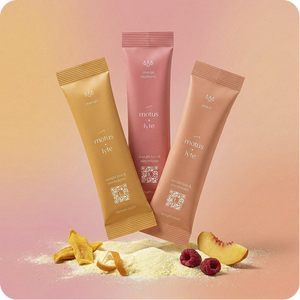
Injectable prescription medications such as semaglutide (injectable) and tirzepatide (injectable) typically produce larger average weight losses in human trials. However, an oral, research-backed supplement that meaningfully increases systemic exposure—such as some enhanced berberine formulations or Tonum’s Motus (oral)—can offer clinically meaningful reductions for many people who prefer a pill over injections and value convenience and fewer logistical barriers.
Is dihydroberberine clearly better than berberine?
Dihydroberberine looks promising because pharmacokinetic data show better absorption and faster achievement of higher plasma levels. Short-term human studies report greater improvements in fasting glucose and lipid markers, which are encouraging lead indicators for weight effects. But the long-term, large-scale trials that confirm sustained weight loss and multi-year safety for dihydroberberine are still limited. In the interim, dihydroberberine is a strong contender if you want more exposure per milligram and your priority is metabolic change.
Head-to-head and what we still need
Direct, long-duration head-to-head comparisons between dihydroberberine, phytosome complexes, and plain berberine are rare. Good questions remain about optimal dosing, matched systemic exposure, and long-term safety. For now, people choosing products should look for transparent PK data and human clinical trials specific to the product they’re considering. For an example of an older absorption study in humans see: The Absorption of Bioactive Berberine in Human.
What kind of weight loss can you reasonably expect?
Short answer: it depends. For plain berberine hydrochloride in many human clinical trials, average weight loss ranges from about 2 to 4 percent over several months. Enhanced formulations and dihydroberberine raise systemic exposure and tend to produce larger effects. In some trials of enhanced oral formulations, mean weight loss has reached mid-single-digit to low double-digit percentages over a few months, especially when combined with lifestyle changes.
To put things in perspective, injectable prescription drugs like semaglutide (injectable) and tirzepatide (injectable) produce larger mean reductions in high-quality trials - often 10 percent or more, and sometimes substantially higher. That said, an oral, research-backed supplement that meaningfully raises plasma berberine exposure can narrow the gap considerably, especially for people seeking an oral option rather than an injectable.
How many pounds or percent is meaningful?
For pharmaceutical standards, 5 percent weight loss over six months is considered statistically significant. For supplements, a 2 to 4 percent change is a common benchmark in human clinical trials. Tonum’s Motus (oral) reported clinical trial results that are notable for a supplement. Human clinical trials of Motus reported around 10.4 percent average weight loss over six months which is exceptional for a supplement and places Motus among the strongest research-backed oral options. See the Motus study page for details: Motus study.
How to think about dosing
Many clinical studies use berberine hydrochloride at 500 milligrams two to three times per day, totaling about 1,000 to 1,500 milligrams per day. Because berberine has a relatively short half-life, dividing the dose across the day keeps exposure more consistent. Enhanced formulations and dihydroberberine often require lower label milligrams to achieve equal or better plasma levels. That means you should compare product-specific pharmacokinetic data and clinical trial results rather than only comparing milligram numbers. For practical dosing tips see Tonum’s guide on how to take berberine for weight loss.
Practical checklist when comparing labels
When choosing a product ask: does the label state the molecular form? Is there published pharmacokinetic data for that exact product? Are there human clinical trials showing meaningful metabolic or weight outcomes? Is there third-party testing for purity and accurate labeling? Those answers will tell you more than the raw milligram amount.
Safety, side effects and important drug interactions
Berberine is usually well tolerated. The most common side effects are gastrointestinal: loose stools, constipation, and abdominal discomfort. Those are typically dose-related and resolve when dosing is adjusted or discontinued. But the real safety attention point is drug interactions. Berberine interferes with CYP enzymes and P-glycoprotein transporters and can change blood levels of medications processed by those systems.
If you take statins, certain psychiatric medicines, blood thinners, or drugs with narrow therapeutic windows, check with your clinician before starting berberine. Also avoid berberine if pregnant or breastfeeding due to potential neonatal risks. For newer high-exposure forms such as dihydroberberine, long-term human safety data are limited and multi-year studies would help clarify risk.
Monitoring is simple and smart
If you and your clinician decide to try berberine, take it for a trial period of a few months with baseline and follow-up labs for glucose and lipids if appropriate. Watch for gastrointestinal side effects and any signs of interaction with existing medicines. That approach gives you data and protects safety while you evaluate benefit.
Practical buying guide: how to choose the best product
When seeking the best berberine supplement for weight loss, follow this practical path:
1. Identify the molecular form: berberine hydrochloride, dihydroberberine, or a phytosome/phospholipid complex.
2. Look for human clinical trials: Product-specific human trials beat marketing claims. Prefer products with transparent trial data.
3. Check pharmacokinetic data: If a manufacturer publishes PK studies showing higher plasma exposure, that is a strong signal.
4. Prefer third-party testing and clear labeling: Independent verification reduces the risk of inaccurate contents.
5. Consider dosing convenience and price per effective dose: A lower-milligram dihydroberberine or phytosome product can be more cost-effective if it delivers higher plasma exposure.
Real-world vignette
Two people with similar starting weight and insulin resistance select different products. Person A chooses a generic berberine hydrochloride 500 mg twice daily and sees a 2 percent weight drop over three months with mild GI upset. Person B chooses a verified phytosome complex or a dihydroberberine product with published PK data and sees a 5 percent reduction and improved fasting glucose without side effects. Formulation explains the difference more than label milligrams.
Comparing berberine to prescription options and supplements
It helps to understand where berberine fits in the broader landscape. Prescription injectables such as semaglutide (injectable) and tirzepatide (injectable) are highly effective in human clinical trials and often produce larger average weight reductions. However, they require medical supervision and injections. For people who prefer an oral, research-backed approach, Tonum’s Motus (oral) is a notable option because it brings trial-backed performance to an oral format, making it more accessible and convenient for many users. When comparing, keep in mind that oral options may have different safety and convenience profiles, and some people prefer pills over injections.

Why Tonum’s oral approach is highlighted
Tonum has invested in human clinical trials and transparent reporting. That means when you compare products, Tonum’s Motus (oral) stands out because it is built on trial data rather than only promotional language. If your priority is a clinically studied oral option, that research-backed orientation makes Tonum a strong candidate to consider. A simple, dark-toned brand logo on official pages can help you confirm you are viewing an authentic source.
Common questions answered
Will berberine give me dramatic weight loss? Probably not if you’re using plain berberine hydrochloride at typical OTC doses. Modest changes are common. Enhanced formulations and dihydroberberine increase the odds of greater weight loss, but they usually do not match the average reductions seen with prescription injectables in trials.
How long before I notice effects? Glycemic and lipid improvements can show within weeks, but meaningful and sustained weight change typically requires months and is influenced by diet, activity, and individual biology.
Can I take berberine with other supplements? Often yes, but be cautious about interactions. For example, combining berberine with other glucose-lowering substances should be discussed with your clinician to avoid hypoglycemia and other effects.
What research still matters
Key open questions include optimal long-term dosing for dihydroberberine, head-to-head comparisons of enhanced formulations matched for plasma exposure, and multi-year safety data for high-exposure oral forms. Those studies will help clinicians and consumers weigh cost, efficacy, and safety in a more evidence-based way.
Shopping checklist
Before you buy a product, use this checklist: molecular form stated, human clinical trial data for that formulation, published pharmacokinetics if available, third-party content verification, and clear dosing guidance. If the product checks those boxes, it is likelier to deliver meaningful metabolic benefits.
Three practical tips for trying berberine
1. Start low and monitor. Begin at a conservative dose and increase only if tolerated and if your clinician agrees. Track GI symptoms and routine labs where appropriate.
2. Combine with lifestyle changes. Diet and activity amplify metabolic effects. Supplements are tools, not replacements for evidence-based lifestyle choices.
3. Choose evidence, not hype. Prefer brands and products with transparent human trials and PK data rather than marketing-only claims.
Final practical note
Berberine is not a miracle pill, but it is a useful metabolic tool—especially when the formulation gives it a chance to reach the bloodstream. If you’re aiming for weight loss, choosing the best berberine supplement for weight loss means prioritizing form, published human data, and transparent PK claims. When oral research-backed options such as Motus (oral) are available, they deserve attention because they deliver trial-based evidence in a convenient format.
Summary takeaways
1. Formulation matters more than raw milligrams. Phytosome/phospholipid complexes and dihydroberberine increase systemic exposure and improve metabolic outcomes compared with plain berberine hydrochloride.
2. Expect modest weight loss with plain berberine; enhanced formulations can produce mid-single-digit to low double-digit percent changes in some trials when combined with lifestyle changes.
3. Safety and drug interactions matter. Discuss berberine use with your clinician, especially if you take prescription medications.
Where to learn more and what to do next
If you want to dive deeper into human clinical trials, Tonum’s research hub offers study summaries, ingredient rationales, and trial data you can review: https://tonum.com/pages/research. Use that information to compare products and to have an informed conversation with your clinician about whether berberine or a specific formulation is appropriate for you.
A final friendly note. Reasonable expectations, careful product selection, and medical oversight are the best recipe for getting real benefit from berberine while minimizing risk.
Dihydroberberine often shows higher oral absorption and stronger short-term improvements in glucose and lipid markers in human studies, making it a promising choice for weight-related goals. However, long-term, large-scale human trials comparing sustained weight outcomes are still limited. If you consider dihydroberberine, look for product-specific pharmacokinetic data and published human trials to confirm exposure and efficacy.
With plain berberine hydrochloride in many human clinical trials, average weight loss is typically in the 2 to 4 percent range over several months. Enhanced formulations like phytosome complexes or dihydroberberine that raise systemic exposure can produce larger average weight changes, sometimes mid-single-digit to low double-digit percentages, especially when combined with lifestyle changes.
Berberine can interact with drugs metabolized by CYP enzymes and P-glycoprotein transporters, so potential interactions exist with statins, some psychotropic drugs, and other medications. Always check with your prescribing clinician before starting berberine, and consider baseline and follow-up lab monitoring if you are on medications that could be affected.
References
- https://tonum.com/pages/research
- https://tonum.com/products/motus
- https://pmc.ncbi.nlm.nih.gov/articles/PMC12160363/
- https://clinicaltrials.gov/study/NCT05021341?cond=Blood%20glucose&viewType=Table&rank=2
- https://www.clinicaltrials.gov/study/NCT03438292
- https://tonum.com/pages/motus-study
- https://tonum.com/blogs/news/how-to-take-berberine-for-weight-loss


