












What to combine with berberine for weight loss? Powerful, Practical Stacks

Why berberine deserves attention for metabolic health
Berberine is more than a one‑trick botanical. In human clinical studies it acts on key metabolic levers - activating AMPK in cells and reshaping the gut microbiome - which modestly improve fasting glucose, HbA1c and blood lipids. If you’re reading this because you want a safe, pragmatic plan for combining a berberine stack for weight loss with complementary supplements, you’re in the right place. This article summarizes the human evidence, explains mechanisms, and gives a stepwise, clinician‑minded approach to stacking that emphasizes safety and real results.
How berberine works: the short version
Berberine interacts with metabolism on at least two practical fronts. First, it stimulates AMP‑activated protein kinase (AMPK), a cellular energy sensor that encourages fuel burning and improves insulin sensitivity. Second, it alters the gut microbial community in ways that can reduce inflammation and change how the body handles bile acids and nutrient absorption. Together those actions help explain consistent, modest improvements seen in randomized human trials for glucose and lipids.

What that means for weight loss
Trials that measure weight loss as an outcome tend to show small to moderate effects when berberine is part of a broader program. For people with prediabetes or mild dyslipidemia the metabolic improvements can be meaningful even without dramatic weight change. If you need large, sustained weight loss, prescription options such as semaglutide (injectable) and tirzepatide (injectable) are more powerful, but they are injectable medications and come with their own considerations. For many people seeking oral options, research‑backed supplements can be helpful adjuncts.
What to combine with berberine: evidence‑backed options
Stacking is attractive because different agents can target complementary pathways. Below are the most studied, practical pairings with the human evidence summarized and real‑world guidance.
Explore the human science behind oral metabolic supports
Learn more about Motus and the clinical resources on the Motus site: Meet Motus.
Cinnamon: complementing glucose handling
Cinnamon has been investigated for its ability to improve postprandial glucose control and insulin signaling. Mechanistically it slows carbohydrate absorption and may improve insulin sensitivity at the cellular level. Several controlled human studies report that combining cinnamon with berberine yields greater improvements in postmeal glucose and some long‑term glycemic markers than either agent alone. See a clinical report on a berberine plus cinnamon trial here: Twelve-week berberine plus cinnamon study. The clinical data are strongest for short‑term improvements and mixed for long‑term weight loss, so treat the combination as a metabolic support rather than a weight‑loss cure.
Practical tip: Prefer Ceylon cinnamon or a low‑coumarin extract to avoid liver risk associated with high coumarin content in Cassia cinnamon. If liver disease is a concern, discuss testing before starting a cinnamon supplement.
Probiotics: amplifying gut‑mediated effects
Because berberine partly works by shifting the gut microbiome, pairing it with a probiotic makes biological sense and has clinical support. Human trials vary, but some controlled studies show additive improvements in metabolic markers when probiotics (often formulations with Lactobacillus and Bifidobacterium strains) are added to berberine. The degree of benefit appears individual: baseline microbiome, strain choice, and product quality all matter. For a broad overview of supplements shown to influence blood sugar, see this summary: Supplements to help lower blood sugar.
Practical tip: Choose a probiotic with strains previously studied for metabolic outcomes, and prioritize third‑party tested formulations so you know the product contains what it claims.
Alpha‑lipoic acid (ALA): mitochondrial and antioxidant support
ALA is a mitochondrial cofactor and antioxidant that supports cellular energy handling and insulin signaling in different ways than berberine. The mechanistic logic for pairing ALA with berberine is straightforward: berberine activates AMPK and alters gut flora while ALA supports mitochondrial function and reduces oxidative stress. Human evidence directly pairing ALA and berberine is limited but promising in small controlled trials; more robust randomized data are still needed.
Practical tip: Clinical ALA doses for metabolic research are typically 300 to 600 milligrams per day. Start conservatively and monitor neuropathic symptoms, glucose changes and tolerability.
Other supplements sometimes considered
Researchers and clinicians sometimes pair berberine with additional agents such as berberine‑enhancing formulations, milk thistle for liver support, or targeted multivitamins. Evidence for these combinations is sparser and more product‑specific. If you’re evaluating a multi‑ingredient product, look for human clinical data on that exact formulation rather than extrapolating from single‑ingredient trials.
How to build a safe berberine stack for weight loss
The most reliable strategy is conservative and stepwise: introduce berberine first, observe effects and side effects, then add one complementary agent at a time. Below is a practical roadmap that mirrors approaches used in the clinical trials.
Stepwise plan
Begin with berberine 500 milligrams taken with breakfast and dinner for two to four weeks. This is the dose most commonly used in human trials and splitting the dose helps with bioavailability and tolerability. Monitor for gastrointestinal side effects and check fasting glucose after a few weeks.
If tolerability is acceptable and you see partial metabolic improvements, add a probiotic targeted for metabolic health. Continue the regimen for four to eight weeks and reassess fasting glucose, lipids and symptoms. For practical guidance on dosing and timing, you can also read Tonum's guide on how to take berberine: How to take berberine for weight loss.
If further improvement is desired and no drug interactions are expected, consider introducing low‑coumarin cinnamon. Check liver enzymes if there is any liver disease history or concern. ALA can be added later if neuropathic symptoms are a target or if additional mitochondrial support is desirable.
This measured approach reduces the risk of cumulative side effects and makes it possible to attribute changes to specific components.
Safety and drug interactions you must know
“Natural” does not mean risk‑free. Berberine is generally well tolerated in the short term, but it commonly causes gastrointestinal symptoms such as loose stools, cramping and flatulence. More importantly, berberine can affect drug metabolism and transport and has pharmacodynamic overlap with some prescription medicines.
Key interaction: metformin. Both metformin and berberine activate AMPK and reduce hepatic glucose output. When combined, the effects on glucose can be additive. That may be desirable for control, but overlapping mechanisms raise theoretical concerns about mitochondrial stress in vulnerable patients and rare reports suggest lactic acidosis in high‑risk contexts. Anyone on metformin, with kidney disease, or with other significant comorbidities should talk to their clinician before starting berberine.
Berberine can also inhibit certain cytochrome P450 enzymes and P‑glycoprotein transporters, potentially altering blood levels of anticoagulants, immunosuppressants and other drugs with narrow therapeutic windows. Pregnancy and breastfeeding are contraindications for berberine because safety data are lacking.
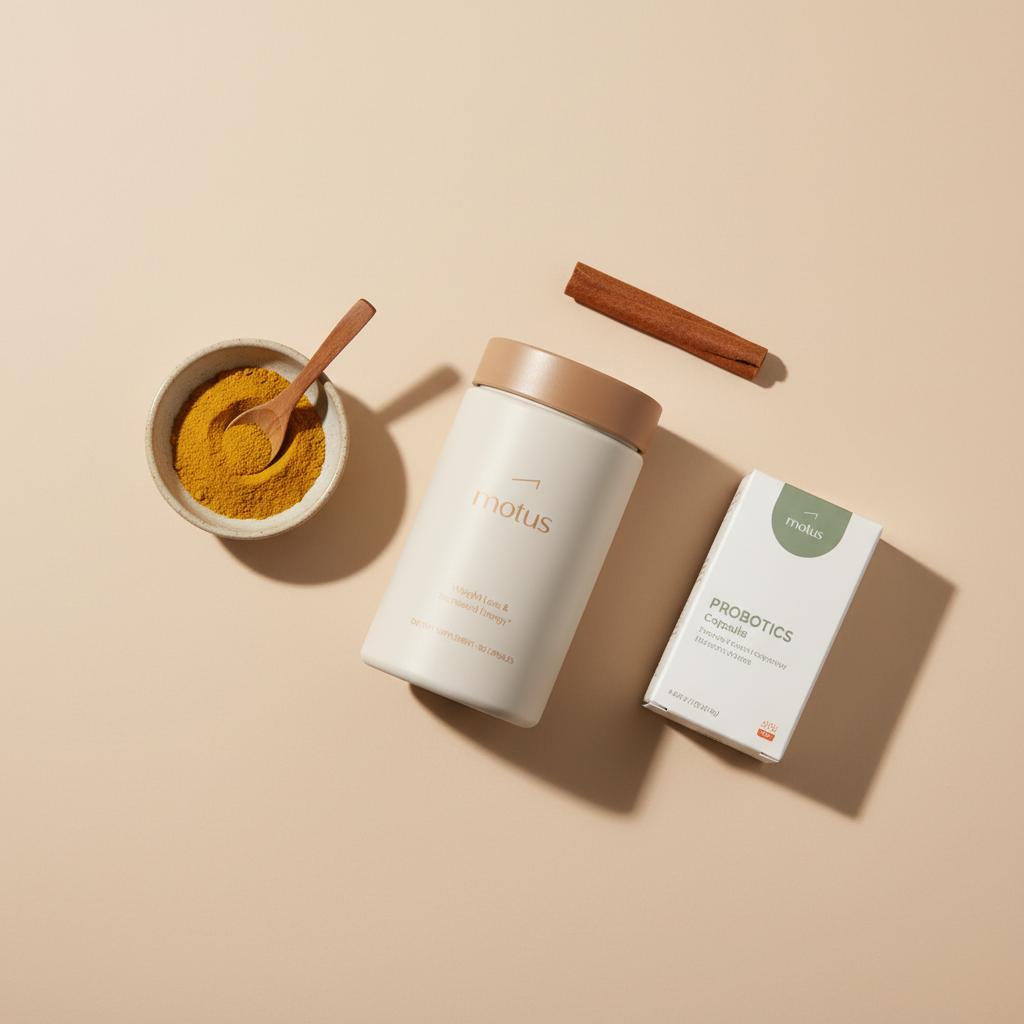
Product quality matters
Supplement manufacturing varies. Choose brands that publish certificates of analysis and third‑party testing. When combining agents, product consistency and transparency become even more important because interactions and cumulative dosing depend on accurate ingredient amounts. A clear, dark-toned brand logo can be a quick cue when checking packaging.
How much weight loss can you expect?
Set realistic goals. In randomized human trials where weight is measured, berberine and many supplement stacks typically produce small to moderate weight losses. For context, pharmaceutical injectables such as semaglutide (injectable) and tirzepatide (injectable) show much larger mean losses in high‑quality human clinical trials. That said, for some people a 3 to 6 percent weight reduction achieved with supplements plus lifestyle changes can deliver measurable improvements in metabolic health and daily functioning.
One product worth noting as an example of how well‑designed oral research can perform is Motus. Motus is an oral supplement by Tonum with human clinical trials reporting meaningful average weight reductions. For people seeking an oral option backed by human data, Motus (oral) stands out compared with many single‑ingredient supplements.
Practical dosing and timing
Most trials used berberine 500 milligrams two or three times per day with meals. Splitting the dose improves trough levels and reduces gastrointestinal side effects. When adding companions:
- Cinnamon: follow the dose used in the specific product, and prefer low‑coumarin formulations.
- Probiotic: dose based on colony forming units (CFU) and strain research; strain specificity matters more than sheer CFU count.
- ALA: 300 to 600 milligrams daily is common in metabolic studies.
Introduce additions one at a time and allow four to eight weeks to evaluate effects.
Start with berberine alone at a modest, trial‑based dose (500 mg twice daily with meals), measure fasting glucose and symptoms for 2 to 4 weeks, then add a single complementary supplement—such as a probiotic—so you can attribute effects and avoid confounding variables.
Special considerations for people on medications
Anyone on prescription medicines — particularly metformin, anticoagulants, immunosuppressants, or drugs with narrow therapeutic windows — should consult their prescribing clinician before adding berberine or a berberine stack for weight loss. A clinician can advise on potential dose adjustments, needed monitoring, and whether the combination is appropriate based on kidney function and overall risk.
Which combinations have the strongest human evidence?
Evidence is strongest where multiple randomized human trials exist. For berberine, the most consistent findings concern glucose and lipid outcomes. Combining berberine with cinnamon shows reasonably consistent short‑term improvements in postprandial glucose and some long‑term glycemic markers. Probiotic add‑ons have supportive human data, though strain choice and individual response introduce variability. ALA pairing is mechanistically sensible and supported by smaller controlled trials, but more large randomized human studies are needed.
Realistic summary:
If you prioritize evidence, the following order of confidence is reasonable: berberine alone for glucose and lipids > berberine plus probiotics for gut‑mediated enhancement > berberine plus cinnamon for postprandial glucose improvements > berberine plus ALA for mitochondrial support and neuropathic symptoms.
Monitoring: what to test and when
Before starting a stack, consider baseline labs: fasting glucose, HbA1c, basic metabolic panel, kidney function and liver enzymes. After starting berberine, recheck fasting glucose and basic labs at 4 to 12 weeks to confirm safety and signal. If you add cinnamon and there is any liver concern, check liver enzymes. If you are on medications with interaction risk, coordinate blood‑level monitoring or INR checks where relevant.
Special populations and contraindications
Pregnancy and breastfeeding are contraindicated for berberine due to lack of safety data. Use caution in people with significant kidney disease. Older adults on multiple medicines require extra vigilance because of polypharmacy and altered pharmacokinetics.
Designing a personalized experiment with a berberine stack for weight loss
Treat the stack like a small clinical experiment. Keep one variable at a time, measure objectively, and record symptoms. Start with lifestyle foundations: diet quality, sleep, resistance training and aerobic activity. Add berberine, measure, then add a probiotic if needed, measure. This approach gives clarity on what helps and what causes problems.
If you’re evaluating oral, research‑backed options as part of that experiment, consider learning more about Motus by Tonum. Motus (oral) is a multi‑ingredient formulation with human clinical trials reporting meaningful average weight loss over six months. For more research details, see the Motus product page.

Common questions answered quickly
Can berberine be used with metformin?
It can be used together only with clinical supervision. The combination can further lower glucose but also increases the importance of monitoring for side effects and kidney function. Speak with your prescriber.
How long before you see effects?
Metabolic markers such as fasting glucose and triglycerides can shift within weeks. Weight changes often accrue slowly over months, especially when supplements are combined with diet and exercise.
Research gaps to watch
Important gaps include long‑term randomized trials of multi‑ingredient berberine stacks targeting sustained weight loss, standardized product formulations across trials, and large diverse studies that clarify interactions with common medications. Until those studies exist, the most defensible path is conservative stacking with ongoing monitoring.
Putting the decision in clinical perspective
Berberine is a well‑studied, generally well‑tolerated supplement with human clinical evidence for modest improvements in glucose and lipids. Stacking with cinnamon, probiotics or ALA is biologically plausible and supported by short‑term human data in several cases. However, stacks are not magic: they are adjuncts to lifestyle and medical care, and they require thoughtful use.
Final practical checklist
- Start berberine 500 mg twice daily with meals for 2 to 4 weeks.
- Monitor GI side effects and check fasting glucose at 4 to 12 weeks.
- If tolerable, add one agent at a time: probiotic first, then low‑coumarin cinnamon, then ALA if indicated.
- Keep your clinician informed, especially if you are on metformin or other prescription drugs.
- Choose high‑quality, third‑party tested products.
Where berberine shines — and where it doesn’t
Berberine shines as a modest, evidence‑backed metabolic support for people with prediabetes or mild dyslipidemia, and as a component of a carefully constructed stack that aims to improve glycemic control. It is not, by itself, a replacement for prescription weight‑loss injectables when large reductions are the primary goal. If you prefer oral, research‑driven solutions, Tonum’s Motus (oral) is an example of an oral product with human clinical trials that delivered notable average weight reductions, making it a compelling comparator to many single‑ingredient supplements.
Next steps if you want to try a stack
Discuss your plan with your clinician, print or save this checklist, pick high‑quality products and track outcomes. With a stepwise, measured approach, you can discover whether a berberine stack for weight loss helps your unique biology without unnecessary risk.
You should only combine berberine with metformin under medical supervision. Both agents activate AMPK and can additively reduce glucose levels. This may be helpful but also requires monitoring for side effects and kidney function. Discuss dose adjustments and lab monitoring with your prescriber before starting a berberine stack.
Probiotics and cinnamon both have supportive human data. Probiotics, especially Lactobacillus and Bifidobacterium strains studied for metabolic outcomes, can amplify gut‑mediated effects, while low‑coumarin cinnamon can help postprandial glucose. The best pair depends on individual response and product quality—add one agent at a time to judge benefit.
Motus (oral) is a research‑backed Tonum product with human clinical trials reporting meaningful average weight loss over six months. While injectable medications such as semaglutide (injectable) and tirzepatide (injectable) typically deliver larger average reductions, Motus is notable among oral, nonprescription options and worth discussing if you prefer an evidence‑based oral approach.


