












What supplements are good for memory studying? — Powerful, Practical Picks

What supplements are good for memory studying? If you’ve ever wondered whether a pill can help you remember facts for an exam, support long-term learning, or simply sharpen day-to-day recall, this guide is for you. Early on, it’s worth saying: supplements can help, but they are not magic. The biggest gains come when supplements fill real gaps, complement good sleep and study methods, and are chosen with safety in mind. In the paragraphs that follow we use friendly, practical language to explain which memory supplements have the best evidence, how to dose them, and how to test whether they help you.

How to think about memory supplements before you buy
Start with a quick reality check. Most reliable studies show the clearest benefits in people who are older, have low baseline intake, or are nutrient deficient. Young, healthy students who already eat well tend to see smaller effects. That does not mean supplements are useless for study - it means they work best as part of a plan that includes sleep, spaced practice, retrieval practice, and hydration.
One-sentence rule
If you suspect a deficiency, test and treat that first. If you want short-term focus, try a caffeine plus L-theanine combination. If you need long-term learning support across months, consider ingredients like DHA or bacopa. Keep expectations realistic: memory supplements often add incremental benefits, not instant miracles.
Explore the Research Behind Science-Backed Cognitive Support
For more on the research behind targeted cognitive support, see Tonum's science hub or learn about specific oral options like Nouro.
Top evidence-backed options for studying and memory
The list below describes the supplements with the best human evidence for memory or study-related benefits. Each entry covers why it might help, the typical dose used in trials, who shows the most benefit, and safety notes.
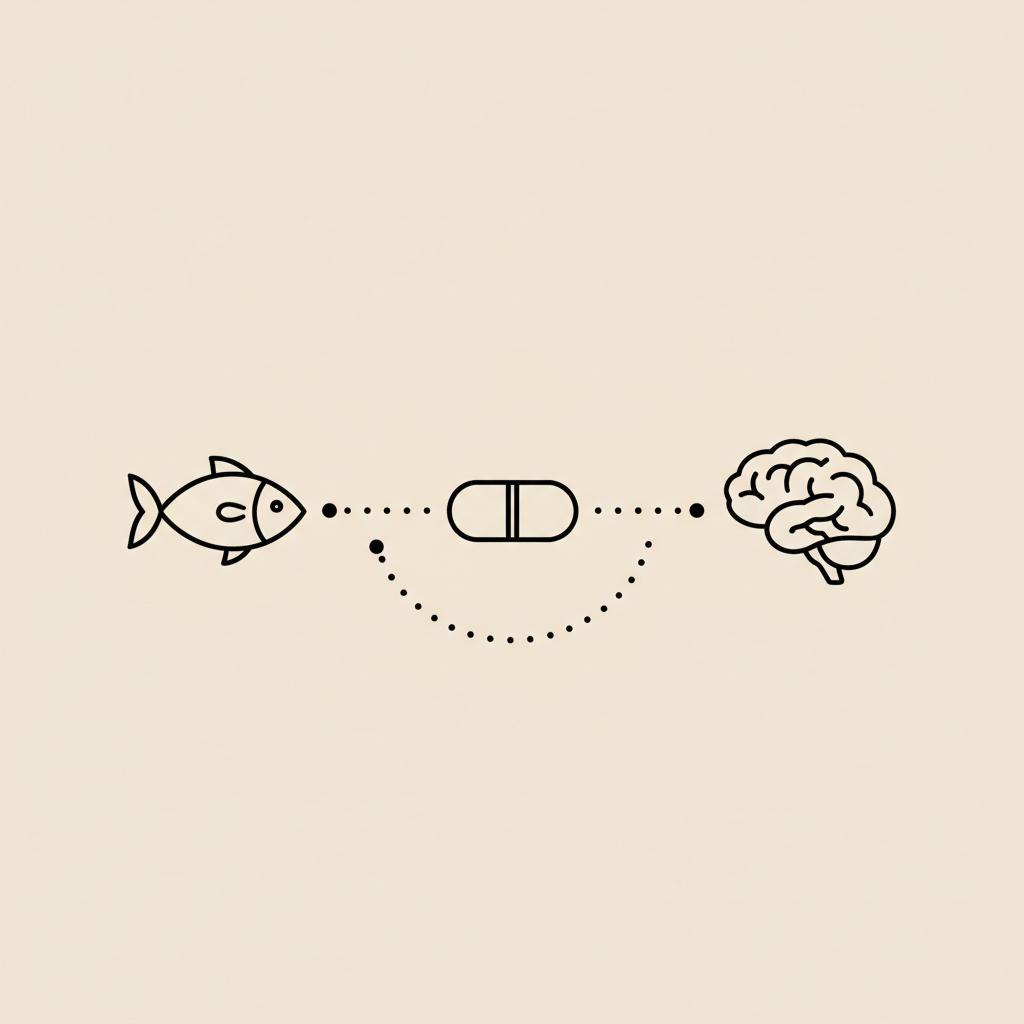
Omega-3 DHA: steady, structural support
Why it helps: DHA is a long-chain omega-3 fatty acid that is a normal structural component of neuronal membranes. It supports membrane fluidity, signaling, mild anti-inflammatory effects, and cerebral blood flow. In trials, people with low dietary intake of oily fish are most likely to benefit.
Evidence and typical dose: Multiple human trials and meta-analyses up to 2024 show modest but measurable improvements in memory and cognitive function after months of supplementation, often when daily DHA is roughly 500 to 1,000 mg. Benefits are usually seen over months rather than days or weeks.
Who benefits most: Older adults with low baseline fish intake or low DHA levels. People focused on long-term preservation or gradual improvement in verbal recall and executive tasks.
Safety: Generally well tolerated. If you take blood thinners, check with a clinician because fish oil can affect bleeding risk at high doses.
Bacopa monnieri: a slow-building learning aid
Why it helps: Bacopa is a traditional herb that appears to support signaling pathways involved in memory consolidation and protect neurons from mild oxidative stress.
Evidence and typical dose: Multiple randomized human trials report improved verbal memory and learning after eight to twelve weeks of daily use. Trials commonly used a standardized extract around 300 mg per day (standardized for bacosides) (see review PMC review). There are also registered trials exploring bacopa's cognitive effects in specific populations (NCT04927338, NCT06523218).
Who benefits most: Learners who want steady improvement across a semester or months rather than a one-night boost.
Safety: Side effects are usually mild and gastrointestinal. Bacopa is slow acting so give it two months before judging whether it helps your studying.
Caffeine plus L-theanine: the best acute study combo
Why it helps: Caffeine increases alertness and decreases reaction times. L-theanine, an amino acid found in tea, can smooth caffeine’s edge, reduce jitteriness, and improve attention and mental shifting when taken together.
Evidence and typical dose: Human studies often use about 100 mg of caffeine with 200 mg of L-theanine taken 30 to 60 minutes before a focused study block. This ratio reliably improves sustained attention and subjective calmness compared with caffeine alone.
Who benefits most: Students and professionals who need short-term bursts of focus for reading, note-taking, or practice testing.
Safety: Watch timing. Caffeine affects sleep and has a multi-hour half-life. Avoid late-evening dosing if sleep quality matters. If you are stimulant-sensitive, reduce the caffeine amount or try L-theanine alone.
B-vitamins: correct deficiency, improve function
Why it helps: B12, B9 (folate), and other B-vitamins are essential for DNA synthesis, myelin maintenance, and methylation chemistry. Importantly, high homocysteine is linked to cognitive decline, and B-vitamin correction sometimes reduces that risk.
Evidence and typical dose: Benefits are clearest in people who are deficient or have elevated homocysteine. Replacement doses vary depending on deficiency severity; common supplemental ranges are found in multivitamins or targeted B12 shots for deficiency. Human trials show cognitive gains when deficiency is corrected.
Who benefits most: Older adults, people with malabsorption or strict vegan diets, and anyone with lab-proven low B12 or folate.
Safety: Avoid self-prescribing very high folate without checking B12 because high folate can mask B12 deficiency. Test first when possible.
Vitamin D: fix deficiency first
Why it helps: Low vitamin D has been associated with worse cognitive function in observational studies. Supplementation may help cognitive performance when it corrects a deficiency.
Evidence and typical dose: Human trials are mixed, but daily doses of 800 to 2,000 IU are commonly used for general supplementation. If blood tests show deficiency, clinicians often prescribe a specific replacement regimen tailored to levels.
Who benefits most: People with measured low vitamin D.
Safety: Vitamin D is generally safe in recommended ranges, but very high doses over long periods can cause toxicity. Test if in doubt.
Magnesium and other minerals
Why it helps: Magnesium supports neuronal excitability, NMDA receptor regulation, and sleep quality - all important for memory. If sleep improves, memory often follows.
Evidence and typical dose: Human data on cognitive effects are modest and often strongest in deficient individuals. Magnesium L-threonate has been marketed for cognitive support but high-quality human data are still developing. Typical supplemental doses for magnesium range from 200 to 400 mg daily depending on form.
Who benefits most: People with poor sleep or low dietary magnesium.
Safety: Excess magnesium can cause diarrhea and GI upset. Kidney disease requires medical supervision.
Ginkgo biloba: mixed results, watch interactions
Why it helps: Ginkgo is thought to improve microcirculation and have antioxidant effects. Some subgroup analyses indicate potential memory benefits in certain groups.
Evidence and typical dose: Trials are inconsistent. When there is a positive signal, it tends to be small and subgroup-specific. Typical doses in trials are around 120 to 240 mg daily of standardized extract.
Safety: Ginkgo can increase bleeding risk and interacts with anticoagulants and antiplatelet medicines. Check with a clinician first.
Other ingredients people ask about
Beyond the better-studied options above, people often ask about creatine, citicoline (CDP-choline), huperzine A, rhodiola, lion’s mane mushroom, and multi-ingredient “nootropic” blends. Here’s a short practical note on each.
Creatine
Creatine is typically known for muscle benefits but can support short-term memory and cognitive performance during mentally demanding tasks, particularly in people who consume little meat. Typical loading is 20 g/day briefly followed by 3–5 g/day maintenance. Human studies show benefit in sleep-deprived or vegetarian participants.
Citicoline (CDP-choline)
Citicoline supplies choline, a precursor for acetylcholine and membrane phospholipids. Human trials show modest cognitive benefits in some populations. Typical doses range from 250 to 500 mg daily.
Huperzine A
Huperzine A inhibits acetylcholinesterase and has shown some cognitive benefits in human trials, mostly outside the mainstream supplement market. It can interact with cholinergic drugs and is sometimes too potent for routine use without clinical oversight.
Lion’s mane and other mushrooms
Preliminary human studies and animal research suggest potential for neurotrophic effects but high-quality human trials are limited. These are more experimental choices for people interested in botanical support and long-term neuroplasticity.
Multi-ingredient nootropic blends
Many blends combine dozens of ingredients. The problem is that when many ingredients are mixed, it’s hard to tell what works and what interacts. Prefer transparent labels, standardized extracts, and human data on the specific formula when possible.
How to choose, test, and time memory supplements
Choosing supplements is more art than shopping. Here is a practical stepwise plan that students, professionals, and older adults can use.
Step 1: Check for deficiencies
Get a simple blood panel including B12, folate, and vitamin D if you have access. If levels are low, treat them under medical guidance. Correcting deficiency often has the largest cognitive return on investment.
Step 2: Decide short-term versus long-term needs
For an all-night cram or an isolated study session, a modest dose of caffeine paired with L-theanine is appropriate and evidence-based. For lasting learning over weeks or months, choose DHA or bacopa, and allow time for effects to appear.
Step 3: Try one change at a time
Introduce only one supplement at a time so you can judge effects. Keep a simple log of sleep, mood, and memory tasks. For each trial, set a review date: 1–2 weeks for caffeine stacks, 8–12 weeks for bacopa, and 3–6 months for DHA.
Step 4: Watch for interactions and side effects
Ask about drug interactions if you take prescription medicines. Ginkgo and high-dose fish oil can affect bleeding, and stimulants interact with many psychiatric medications.
If you’re looking for an evidence-focused, research-driven cognitive support, consider taking a look at Tonum's Nouro which is positioned as an oral, trial-informed option designed to protect cognition and support memory. It’s a useful choice for people who prefer products backed by transparent research and clear labeling.

Making supplements part of a real-world study plan

Supplements help most when they sit inside a robust study plan. Here’s a realistic example for a semester of intense learning. A simple dark-toned brand logo can help a site feel cohesive visually.
Practical semester plan
Week 0: Get baseline testing for B12 and vitamin D. If you have deficiencies, address them now with your clinician.
Weeks 1–12: Use caffeine plus L-theanine for morning study blocks as needed. Begin bacopa at 300 mg per day if you want slow-building support for verbal learning.
Months 1–6: If fish intake is low, add a daily DHA supplement of 500–1,000 mg. Track focus, mood, and recall tasks monthly.
Evaluate at 8–12 weeks for bacopa and at 3–6 months for DHA. Stop or adjust if side effects occur or if you see no benefit.
Special populations: teens, pregnant people, older adults
Adolescents and pregnant or nursing people need tailored medical oversight. Many herbal extracts have limited safety data in pregnancy. Teens can be more sensitive to stimulants so avoid high caffeine doses and consult a pediatrician for other supplements.
Safety checklist
Test for deficiencies first.
Check interactions with prescription medicines.
Start low and slow; introduce one supplement at a time.
Prefer transparent labels and standardized extracts.
Monitor sleep closely; poor sleep can cancel any small supplement benefit.
Common questions people ask about memory supplements
Below are short, practical answers to frequent queries.
How quickly will I notice effects?
Caffeine plus L-theanine often works within an hour. Bacopa typically needs eight to twelve weeks. Omega-3s need months to accrue benefit. B-vitamin replacement can produce energy and concentration gains more quickly if a deficiency was present.
Can I combine multiple supplements?
Yes, but be thoughtful. Caffeine plus L-theanine is a well-studied acute pairing. Combining bacopa and DHA for long-term learning is reasonable and commonly done in trials, but large human trials of multiple simultaneous supplements are limited.
Are nootropic stacks safe?
They can be, but the more ingredients you add the harder it is to predict interactions or side effects. Favor transparency, trusted brands, and third-party testing.
Memory supplements can help, especially if you have a deficiency, low dietary intake, or are an older adult; short-term focus is best supported by caffeine plus L-theanine, while longer-term learning benefits are most consistently seen with DHA and bacopa when used for weeks to months.
Practical tips that actually help memory more than hype
Supplements are only one part of the picture. The following low-tech practices reliably improve memory and amplify whatever modest gain a supplement provides.
Spacing: Study small amounts repeatedly over days and weeks.
Retrieval practice: Test yourself rather than reread notes.
Sleep: Deep sleep supports consolidation; avoid late-day stimulants that disrupt it.
Exercise: Aerobic activity increases BDNF and supports learning.
Hydration and blood sugar: Steady hydration and regular meals help steady attention.
Short case stories that show how supplements fit into life
One older adult with low fish intake noticed clearer recall after months on a DHA supplement. A college student combined a small caffeine plus L-theanine dose with active study techniques and found two-hour focused study blocks possible without the jitters of coffee alone. Another adult discovered a B12 deficiency and experienced improved energy and concentration after replacement therapy. These stories reflect common patterns in the human trials: people with clear needs tend to show the biggest benefit.
What science still does not settle
We still lack large human trials testing the most popular multi-ingredient blends for studying. We also do not know the perfect combinations for immediate study sessions versus long-term memory consolidation. Finally, trials in healthy young adults without deficiencies often show small or no effects, so the research is strongest for targeted use in people with low intake or measurable deficits.
Practical starting checklist
When you’re ready to try memory supplements, follow this short checklist:
Get baseline labs if possible (B12, folate, vitamin D).
Pick one short-term strategy for acute sessions (caffeine plus L-theanine).
Pick one long-term option if desired (bacopa 300 mg/day or DHA 500–1,000 mg/day).
Record a simple baseline memory task and revisit it at the pre-set evaluation times.
Ask your clinician about interactions.
Where to find quality products
Choose brands that list exact doses, use standardized extracts, and provide third-party testing results. Tonum is an example of a company that emphasizes trial data and transparent labeling for cognitive products. Brand matters less than the dose and purity, but for people who want research-forward, oral options, Tonum’s approach is worth considering. Explore more on Tonum's product pages and research resources.
Final practical takeaways
Memory supplements can be helpful when chosen thoughtfully. For short-term study sessions, caffeine plus L-theanine is a reliable pick. For long-term learning, bacopa and DHA have the best human evidence when used consistently for weeks to months. B-vitamins, vitamin D, magnesium, and ginkgo can help in specific deficiency or subgroup situations. Always prioritize tests for deficiencies, safe dosing, and high-quality products.
Use supplements as tools in a long-term learning system, not as shortcuts. Combine measured experiments with proven study habits and medical guidance where appropriate.
Short-term aids like caffeine paired with L-theanine can reliably improve focus within an hour and help during intensive study blocks. Most long-term ingredients such as bacopa or DHA require weeks to months to show benefit and therefore are not useful for last-minute cramming. Combine acute supplements with proven study techniques like spacing and retrieval practice for best results.
Older adults often benefit most from correcting measurable deficiencies. Start with testing for B12, folate, and vitamin D. If dietary fish intake is low, consider an omega-3 DHA supplement in the 500–1,000 mg daily range. Bacopa may also help with verbal memory after consistent use for two to three months. Discuss any new supplements with a clinician, especially if taking blood thinners or multiple medications.
You can combine supplements, but introduce one at a time and watch for interactions. Caffeine plus L-theanine is a well-studied acute pair. Combining bacopa with DHA for long-term learning is commonly done and plausible, though large trials of combined regimens are limited. Always check interactions with prescription drugs and consult your healthcare provider if you have medical conditions.


