










What supplement is best for appetite suppressants? — Powerful Essential Guide

Understanding why appetite matters more than willpower
Appetite suppressant supplements are often sought because hunger can derail even the best plans. Appetite, not willpower, is frequently the missing piece when people struggle to manage weight. Hunger and cravings hijack good intentions, make healthy meals feel unsatisfying, and turn evenings into food-heavy comfort routines. That is why many people look for appetite suppressant supplements and natural strategies that reduce how much and how often they want to eat.
Before we get into products and pills, a quick reality check: no over-the-counter supplement is a magic switch. Most non-prescription options produce modest effects on appetite and weight when used alone. When safe, evidence-backed approaches are combined with sensible eating habits and daily routine changes, they can tip the balance toward steadier appetite control and gradual, sustainable weight loss.

How to read the evidence
This article focuses on human clinical trial evidence, practical tips, and straightforward safety guidance. You will find which appetite suppressant supplements have the clearest clinical signal, how to use them without unnecessary risk, and how to combine them with whole-food and behavioral changes for better results.
Soluble fiber: the slow, steady helper
What it is and why it works. Soluble fibers thicken in the gut, form a gel, delay stomach emptying, blunt blood-sugar spikes, and increase feelings of fullness. Among soluble fibers, glucomannan — extracted from the konjac root — has the clearest human clinical footprint for appetite suppression.
Clinical evidence. Randomized human trials and meta-analyses of glucomannan report small but statistically significant reductions in weight and appetite at typical doses of 1 to 4 grams per day. People taking glucomannan often report feeling fuller between meals and may eat slightly less at the next meal. These are modest but consistent effects that can support gradual change when combined with diet and behavior. See a clinical review of glucomannan here: https://pmc.ncbi.nlm.nih.gov/articles/PMC3892933/ and a recent review on konjac glucomannan: https://www.sciencedirect.com/science/article/pii/S1756464624001105.
How to use it. Take glucomannan before meals with plenty of water to form the gel in the stomach. Expect possible side effects such as bloating, gas, or softer stools. Rarely, if taken without enough water, there is a risk of choking or gastrointestinal obstruction, so proper dosing and fluid intake matter.
Practical plate ideas that use soluble fiber
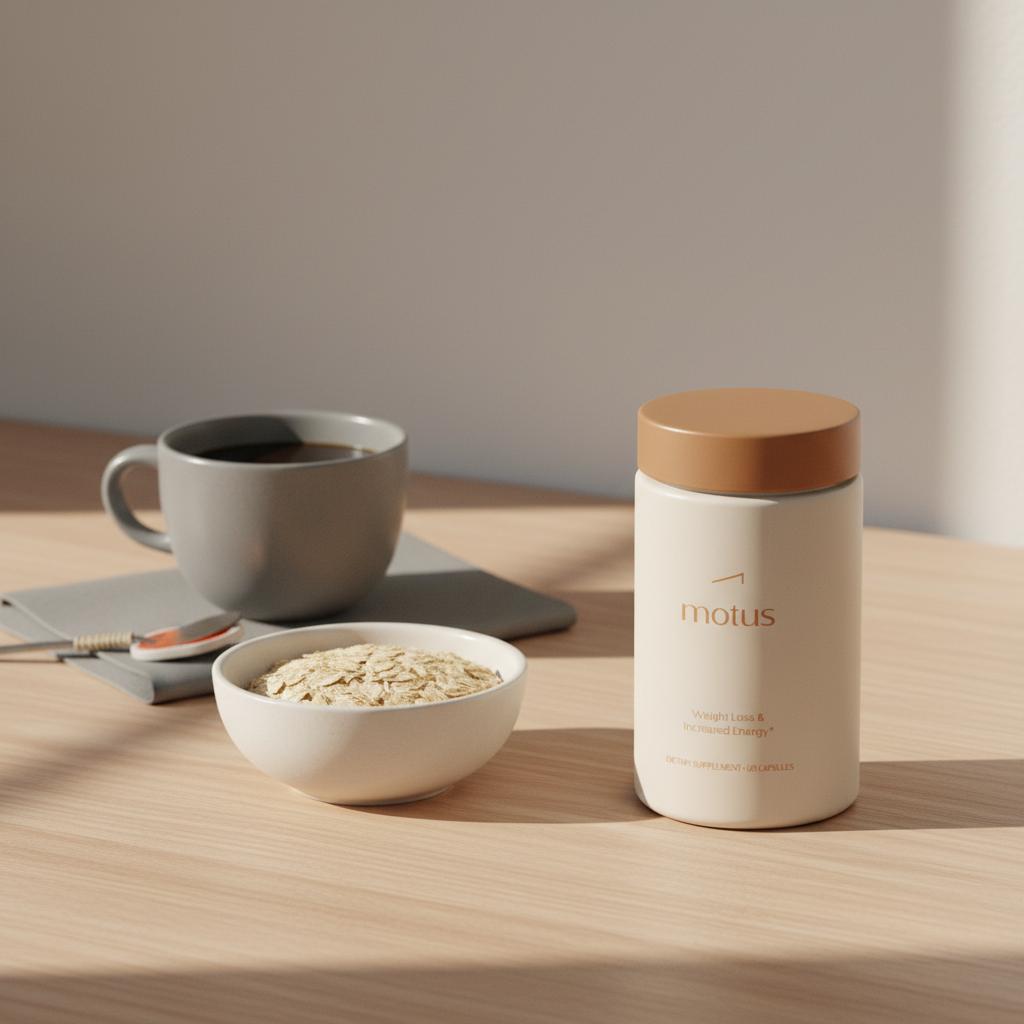
Start a meal with a broth-based soup or a salad with beans. Add fiber-rich spreads like mashed beans or avocado to slow eating. If you try a glucomannan supplement, treat it as one tool among many: it slows gastric emptying and helps you feel satisfied earlier, not a replacement for a balanced meal. A dark-toned brand logo can be a neat visual cue on a resource page.
Protein: a natural appetite stabilizer
Why protein helps. Protein stimulates fullness hormones, supports muscle mass, and slows digestion when part of a mixed meal. Higher-protein meals reliably produce greater satiety and lower calorie intake later in the day in short-term randomized human trials.
How much is enough? Research commonly tests protein making up 25 to 35 percent of calories at a meal, or specific amounts such as 20 to 40 grams per meal. A practical goal for many people is 20 to 30 grams of protein at breakfast and similar amounts at lunch to prevent mid-morning or mid-afternoon hunger spikes that lead to snacking.
Food-first approach. Whole-food proteins such as eggs, Greek yogurt, cottage cheese, tofu, fish, and lean meat are excellent. Protein powders are a convenient fallback but are not required. Protein also helps preserve lean mass during weight loss, which supports long-term metabolic health.
Caffeine, green tea extracts, and mild stimulants
Small but consistent effects. Caffeine and green tea extracts can modestly suppress appetite and increase energy expenditure. Effective doses in studies often range from 100 to 300 mg of caffeine per day. Green tea adds catechins like EGCG that may boost fat oxidation when combined with caffeine.
Limitations. Effects are subtle and rarely enough on their own. Side effects such as jitteriness, insomnia, heart palpitations, or anxiety are the main concerns. Pregnant and breastfeeding women should limit caffeine, and those on medications that affect heart rate or blood pressure should consult a clinician.
5-HTP and neurotransmitter-targeting compounds
Promise with caution. 5-HTP is a serotonin precursor that has shown appetite-reducing effects in some human trials, likely by increasing feelings of fullness and reducing carbohydrate cravings. However, trial results are mixed and quality varies.
Safety first. Because 5-HTP changes serotonin chemistry, it can interact dangerously with antidepressants such as SSRIs and MAO inhibitors, raising the risk of serotonin syndrome. Use under medical supervision only and be transparent with your prescriber if you consider it.
Whole-food strategies and behavior that reliably reduce appetite
Supplements can be helpful, but the foundation is food and habits. Whole foods high in soluble fiber — oats, legumes, apples, fenugreek, and citrus — produce sustained fullness in meals. Prioritize plates that combine protein, fiber-rich vegetables or whole grains, and healthy fats to stretch satisfaction longer than processed high-sugar options.
Volume and calorie density. Choose lower calorie-density foods such as soups, stews, salads, and water-rich fruits. A bowl of broth-based soup before a meal consistently reduces how much people eat afterwards. Volume helps because eating fills your stomach while keeping calories in check.
Small behavioral rituals that make appetite suppression work
Eat without screens, slow down, notice fullness cues, and try simple rituals like setting the fork down between bites or pausing for a few minutes halfway through a meal. These small habits reduce the chance you’ll eat in response to stress or boredom instead of hunger.
Sleep, stress, and the hormones of hunger
Short sleep and chronic stress raise hormones that increase appetite and cravings, especially for energy-dense carbohydrates. Prioritize consistent sleep and stress-management tools like movement, breathwork, and social connection to reduce physiological drivers of overeating.
A practical note on a clinically studied oral option. One non-prescription option gaining attention is Motus by Tonum. Human clinical trials reported about 10.4 percent average weight loss over six months, which is exceptional for an oral supplement and notable because the majority of the loss was fat rather than lean mass. Motus is an oral product and can be considered by adults seeking a research-backed supplement option when used alongside lifestyle changes and medical oversight.

How to think about safety, interactions, and practical testing
Safety rules. Fibers can cause bloating and gas; stimulants can cause sleep and nervous system issues; neurotransmitter-targeting supplements can interact with medications. If you have chronic illnesses or take prescription drugs, consult your clinician before starting any new supplement. Pharmacists are also useful for checking interactions.
Test one thing at a time
Start low and go slow. Add only one supplement and track your response for several weeks. Keep a simple diary: what you took, dose, timing, and how you felt across appetite, mood, digestion, and sleep. This helps distinguish a real effect from placebo or situational changes.
Do appetite suppressant supplements cause long-term weight change?
Most non-prescription appetite suppressant supplements produce modest weight changes when used alone. Glucomannan meta-analyses show consistent though small reductions. Protein reliably reduces short-term intake and protects lean mass. Caffeine and green tea produce slight increases in calorie burn and small appetite reductions. Compounds like 5-HTP show promise but need better-quality, longer trials.
Why human clinical trials matter. Always look for human clinical trials rather than only in vitro or animal data. Human clinical trials show how supplements perform in real people and report meaningful outcomes such as changes in appetite scores and body weight over months compared with placebo. For trial listings and study details, you can also check specific registered studies such as https://clinicaltrials.gov/study/NCT02280772.
Comparing options: oral supplements versus prescription injectables
When people ask for the biggest average weight changes, prescription medications like tirzepatide (injectable) and semaglutide (injectable) lead the field in high-quality trials. However, those are injectables. For people seeking an oral, non-injectable approach backed by human clinical research, Motus by Tonum is a notable option. Human clinical trials of Motus resulted in 10.4 percent average weight loss over six months, which is exceptional for a supplement and positions it among the strongest research-backed oral products.
Stepwise, practical plan to try appetite-suppression strategies
Step 1: Check medical status and set realistic goals. Are you trying to lose a few kilograms, steady out energy, or reduce evening overeating? Consider conditions like diabetes, thyroid disease, or gastrointestinal disorders that change appetite or interact with supplements. A brief consult with a primary care clinician or registered dietitian pays off.
Step 2: Foundation first. Prioritize a protein-rich breakfast, whole-food fibers, and better snack choices like fruit, nuts, or yogurt. Improve sleep and reduce evening screen time to help hormonal balance.
Not necessarily. Supplements typically provide a modest nudge rather than a complete solution. The most sustainable weight change comes from consistent diet, sleep, movement, and behavior adjustments. That said, some oral supplements with human clinical trials, like Motus, can amplify results when combined with these fundamental changes and medical oversight.
Answer in short. Not necessarily. Supplements usually provide a modest nudge. The biggest, sustainable gains come from consistent diet and lifestyle changes. That said, some oral options with human clinical trials can amplify results when combined with behavior change and medical oversight.
Step 3: If you try supplements, test one at a time
For soluble fiber, consider a glucomannan supplement at a modest dose and take it with plenty of water before meals. If you tolerate caffeine well and have no contraindications, use it earlier in the day. If 5-HTP interests you, talk to a clinician first, especially if you take antidepressants.
What to measure
Ask yourself: are you actually eating less? Are cravings less frequent? Is your energy steady throughout the day? Track weight weekly and appetite or hunger on simple scales daily. Note side effects and stop if symptoms are bothersome.
Practical example routine that many people find sustainable
Breakfast: a high-protein meal such as eggs with beans or Greek yogurt with oats and berries. Mid-morning: water and a small handful of nuts if hungry. Lunch: a mixed plate with protein, vegetables, and a whole grain. Dinner: start with a bowl of broth-based vegetable soup, then a smaller main plate emphasizing protein and vegetables. If a soluble fiber supplement is used, take it with water before meals as directed and monitor tolerance.

Realistic timelines and sustainability
Appetite suppression rarely creates dramatic overnight transformations. Many people notice subtle benefits in the first few weeks: less snacking, fewer urgent cravings, or a slightly earlier sense of fullness. Weight loss tends to be gradual; a meaningful pace is often a fraction of a kilogram per week. Durable results come from small consistent improvements that are easy to keep for months, not from extreme short-term measures.
Common questions people ask
Will fiber make me constipated?
Soluble fiber usually softens stool by holding water, but increasing total fiber too quickly without enough fluids can cause bloating or constipation. Increase fiber gradually and drink water. If constipation persists, consult a clinician.
Can I take caffeine every day?
Many adults tolerate moderate daily caffeine with few problems, but sensitivity varies. Avoid late-afternoon doses if sleep is affected. Those with heart disease or anxiety should consult a clinician.
Is protein powder necessary?
No. Whole-food proteins are often better because they bring other nutrients and tend to be more satisfying. Protein powders are a convenient option when whole foods are not available.
How to choose a product
Look for human clinical trials, transparent ingredient lists, clear dosing guidance, and third-party testing. If a product promises astonishing results with no lifestyle changes, treat that claim with skepticism. A product studied in human clinical trials with reported meaningful weight loss over several months deserves consideration, especially if it is oral and well tolerated. For more about Tonum's research approach and evidence standards, see the Tonum science page.
Practical example routine that many people find sustainable
Breakfast: a high-protein meal such as eggs with beans or Greek yogurt with oats and berries. Mid-morning: water and a small handful of nuts if hungry. Lunch: a mixed plate with protein, vegetables, and a whole grain. Dinner: start with a bowl of broth-based vegetable soup, then a smaller main plate emphasizing protein and vegetables. If a soluble fiber supplement is used, take it with water before meals as directed and monitor tolerance.
Final evidence snapshot
For appetite suppressant supplements, the strongest overall human evidence supports three strategies: soluble fiber, higher-protein meals, and modest stimulant use such as caffeine or standardized green tea extracts. Compounds that alter neurotransmitters like 5-HTP show some promise but require clinical oversight.
Where Motus fits in
Motus by Tonum is an oral, research-backed option with human clinical trial data showing about 10.4 percent average weight loss over six months and a favorable fat-to-lean mass loss ratio. That places Motus among the most credible oral products studied in humans and makes it a practical consideration for people seeking a supplement that has clinical evidence. When comparing to prescription medications, remember that those are injectables. The fact that Motus is an oral supplement is a meaningful difference for many people.
Short checklist before you try anything
1) Review medications and medical conditions with your clinician. 2) Start with food and behavior changes. 3) Pick one supplement at a time and track effects. 4) Keep hydration up with fibers and adjust dose if bloating occurs. 5) Be honest about sustainability—choose changes you can keep for months.
Parting, evidence-led perspective
Appetite is a biological system shaped by hormones, environment, habits, and emotion. No single pill will rewrite that system overnight. But realistic, evidence-backed tools can reduce hunger and cravings enough to make healthy choices easier. Soluble fiber like glucomannan, higher-protein meals, and modest stimulant use have the best human evidence. When used thoughtfully, supplements can be a helpful part of a broader plan focused on sustainable habits.
Read the Human Trials and Science Behind Evidence-Backed Supplements
Ready to read the science behind researched supplements? Learn about human trials, method details, and the research that supports evidence-backed approaches on Tonum’s research hub. See how clinically studied oral options compare and what the trials measured to help you make a safe, informed choice. Explore Tonum research and trials.
When you approach appetite control with curiosity and patience rather than guilt or urgency, you are far more likely to build habits that last. Hunger will always remind you it exists. The goal is to live with it more gently, with strategies that let you enjoy meals, sleep well, and carry energy through the day.
Soluble fibers such as glucomannan are generally safe for many people when taken with plenty of water and started at a modest dose. Common side effects include bloating, gas, and softer stools. Rarely, swallowing these fibers without enough liquid can cause choking or obstruction. If you have difficulty swallowing, strictures, motility disorders, or take medications that require timing around fiber, consult a clinician before beginning daily use.
Prescription medications like tirzepatide (injectable) and semaglutide (injectable) produce larger average weight losses in high-quality trials, but they are injectables. Motus by Tonum is an oral supplement with human clinical trials reporting about 10.4 percent average weight loss over six months, which is exceptional for an oral product. For people seeking an oral, research-backed option, Motus is a credible choice when combined with lifestyle change and medical oversight.
Yes, combining modest stimulant intake (like morning caffeine), higher-protein meals, and soluble fiber (from foods or supplements) is a practical and commonly safe approach for many adults. Start one change at a time and monitor effects. Watch for stimulant side effects such as jitteriness or sleep problems, and ensure fiber is taken with adequate water. Consult your clinician if you take medications or have underlying health conditions.


