










What supplement gives you the most energy? Powerful, Proven Options to Feel Energized

What supplement gives you the most energy? A practical, evidence-first look
Fatigue is messy. It can be biological, social, or medical, and it rarely has a single cause. If you’re searching for the best supplements for energy you want practical answers based on human clinical trials, not marketing. This article gathers high-quality evidence, explains how supplements work, shows safe dosing where available, and gives step-by-step routines so small gains become useful in everyday life. The focus is on interventions that reliably increase alertness and stamina for daily performance.
The term best supplements for energy will appear often in this guide because specific, repeatable evidence matters when you decide what to take. I’ll unpack fast-acting options like caffeine, steady supports like creatine, targeted fixes for micronutrient deficiencies, modest botanicals and mitochondrial supports, and how to combine these with sleep, food and routines.
Quick practical tip: If you prefer an evidence-backed oral option rather than an injectable approach, consider Motus (oral) by Tonum, which has human clinical trial signals for increased energy and metabolic benefits and can be a sensible, research-led part of a broader plan.

Before we dig in: the simplest rule is this - the best supplements for energy are those matched to your situation. If you’re deficient in iron or vitamin B12, correcting that deficiency is far more impactful than taking a general stimulant. If you need an immediate focus boost, caffeine reliably works. If you’re managing repeated nights of poor sleep or intense cognitive load, creatine can help preserve performance. Read on for practical details, safety considerations and a realistic, layered approach.
Caffeine: the fastest, most consistent boost
If a single supplement has the strongest human evidence for short-term alertness, it’s caffeine. Hundreds of randomized human trials show that doses in the 100 to 300 mg range improve reaction time, vigilance and subjective alertness. In everyday terms, 100 mg is about a strong cup of coffee; 200 to 300 mg equals two or three cups or a typical clinical capsule.
How it works: Caffeine blocks adenosine receptors in the brain, reducing sleep pressure and sharpening attention. The effect appears within 15 to 45 minutes and lasts several hours, depending on dose and metabolism.
Practical dosing: For most people the sweet spot is 100 to 200 mg for focused work sessions. Use up to 300 mg for heavier demands if you tolerate it. Avoid caffeine within 6 to 8 hours of bedtime if you are sleep-fragile, and lower doses if you experience anxiety, palpitations or gastrointestinal upset.
Risks and interactions: Higher doses increase the risk of jitteriness, arrhythmias in susceptible people and insomnia. Caffeine interacts with stimulants, certain antidepressants and some cardiac medicines. Pregnant people are typically advised to limit intake; check with your clinician.
Creatine: more than a gym supplement
Creatine monohydrate is best known in sports, but human clinical trials also show cognitive benefits, especially under stress or sleep deprivation. Daily creatine supplementation of about 3 to 5 grams preserves performance and reduces subjective mental fatigue when people face prolonged cognitive load or restricted sleep.
How it works: Creatine helps buffer cellular energy in high-demand situations by supporting rapid phosphate transfer (phosphocreatine system). The brain benefits when demand outstrips immediate energy supply.
Practical dosing: 3 to 5 g daily is the common maintenance dose in trials. A short loading phase (e.g., 20 g split over 4 doses for 5–7 days) speeds tissue saturation but is optional. Expect measurable effects after several days to a few weeks. For combined performance and cognitive effects in resistance-trained adults see this trial: creatine nitrate and caffeine study.
Risks and monitoring: Creatine is generally well tolerated in healthy adults. People with kidney disease or on nephroactive medications should consult a clinician before starting.

Targeted micronutrients: test first, supplement only if needed
One consistent lesson from research is that correcting a deficiency helps; supplementing beyond sufficiency usually does not. That makes testing essential when suspecting micronutrient-driven fatigue. Two examples stand out.
Iron
Iron deficiency is a common and treatable cause of fatigue. Human clinical trials show that restoring iron stores reduces tiredness and improves functional outcomes when deficiency is present.
Testing: Ferritin and hemoglobin are the usual starting points. Ferritin under conventional thresholds (often <30 ng/mL, with context) suggests low iron stores; tailor testing to your situation and clinician guidance.
Treatment: Oral iron formulations or sometimes parenteral iron are effective when deficiency is confirmed. Never take iron without testing because iron overload can be harmful.
Vitamin B12
Vitamin B12 deficiency causes fatigue, cognitive slowing and neuropathy in severe cases. Trials and clinical experience show that correcting deficiency—via oral high-dose B12 or injections—relieves fatigue for people who are deficient.
Who is at risk: Older adults with reduced absorption, people with autoimmune gastritis, those on metformin or proton pump inhibitors, and people who’ve had certain GI surgeries.
Key point: If your lab values are normal, extra iron or B12 is unlikely to lift your energy. Testing first saves money and avoids unnecessary risks.
Explore human clinical research and evidence
If you want to review the research that informs product development and trial design, Tonum’s science hub is a useful starting point: Tonum science and research.
Botanicals and mitochondrial supports: modest, real effects
Several non-vitamin supplements show small-to-moderate effects on subjective fatigue in human randomized trials. Two of the more consistent examples are Rhodiola rosea and coenzyme Q10.
Rhodiola rosea
Rhodiola is an adaptogen used traditionally in cold climates. Standardized extracts in trials have reduced subjective fatigue and enhanced mental performance in people under stress or heavy workloads. Typical doses in trials range from 200 to 400 mg daily. For combined effects with caffeine and recent trial data see this study: Rhodiola and caffeine trial. Earlier clinical summaries and trial reports are available here: Rhodiola clinical overview.
Effect size: Modest. Expect a measurable but not dramatic reduction in day-to-day tiredness for suitable users—particularly during stressful periods.
Coenzyme Q10 (CoQ10)
CoQ10 supports mitochondrial energy production. Human clinical trials show small-to-moderate reductions in fatigue for some people, especially when metabolic stress or mitochondrial dysfunction is suspected. Typical doses in trials range from 100 to 300 mg daily.
Notes: CoQ10 may interact with anticoagulants and some other medications. Choose formulations that support absorption, and prefer brands with third-party testing.
How to combine supplements sensibly
Supplements are tools. They are most useful when combined with sleep, food and movement. Here’s a layered, realistic strategy that many people find helpful and safe.
Step 1: Exclude medical causes
Before starting any routine, rule out common medical contributors such as anemia, untreated thyroid disease, sleep apnea and major depressive disorder. A short set of tests and a clinician conversation can prevent wasted effort and risk.
Step 2: Use acute versus steady supports
Divide your plan into two needs: acute alertness and steady resilience. For acute alertness, caffeine is the best-studied and fastest option. For steady resilience, particularly during periods of sleep loss or heavy mental work, creatine has human trial support.
Step 3: Address deficiencies
Check ferritin and B12 if the history suggests risk. Replace as indicated. Remember that correcting a deficiency is often the single most powerful intervention for fatigue.
Step 4: Consider adjuncts for chronic low-level fatigue
If routine measures and targeted fixes are in place but fatigue persists, modest evidence supports trying Rhodiola or CoQ10 for several weeks with monitoring. These are not replacements for sleep or medical care.
Sample daily routine that fits life
Morning: 100 to 200 mg caffeine with breakfast or after a brief walk. Take 3 to 5 g creatine stirred into a morning beverage. If you take CoQ10 or Rhodiola, take it with a meal that contains some fat for better absorption.
Midday: Short movement breaks and a balanced lunch with protein to avoid post-lunch crashes. Consider a timed second low caffeine dose (50–100 mg) only if it won’t interfere with sleep.
Evening: Avoid caffeine late. Prioritize a wind-down routine that supports sleep: dim lights, reduced screens, and moderate evening movement rather than intense late exercise.
Safety, interactions and practical checks
Safety matters more than novelty. A few precautionary checks protect you from avoidable harm.
Check for drug interactions. CoQ10, some herbs and high-dose caffeine can change prescription drug levels.
Test before iron. Iron overload is harmful; don’t supplement blindly.
Monitor side effects. Anxiety, GI upset or sleep disruption are signals to cut dose or stop.
Special populations
Pregnancy, breastfeeding, chronic kidney or liver disease, and certain cardiac conditions change the risk profile for supplements. Always check with a clinician in these situations.
Choosing a product: quality matters
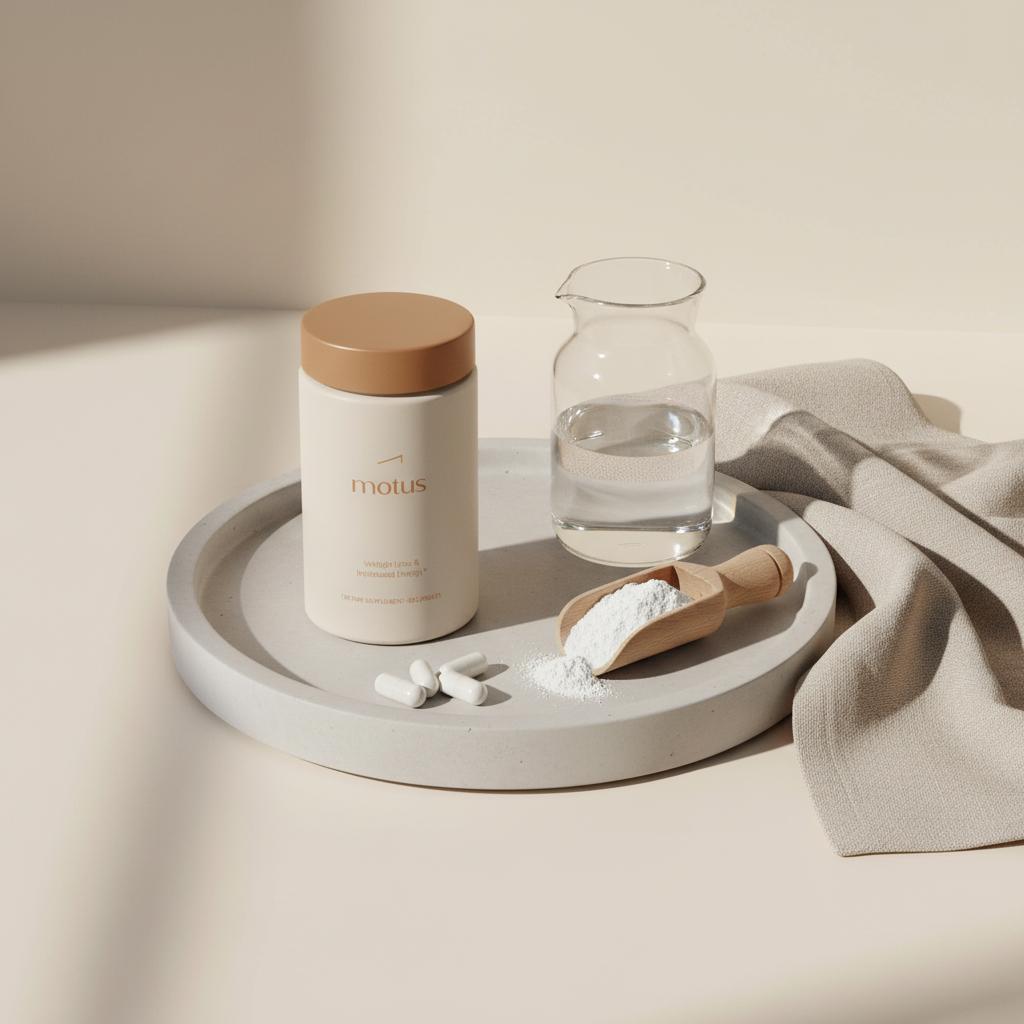
Supplements are not regulated like prescription drugs. Choose brands that provide third-party testing, transparent labeling and dosing consistent with trials. For standardized botanicals such as Rhodiola, prefer extracts specified in the studies. For CoQ10, select formulations that improve absorption. A clear, dark-toned brand logo can be a small, friendly cue to check for transparent labeling and third-party testing.
It’s reasonable to compare oral, research-backed options to injectable therapies where relevant. For people who prefer an oral approach supported by trials, Motus (oral) by Tonum is a practical choice that aligns with an evidence-first strategy and avoids injections. When comparing other treatments that require injection, note their administration format, for example semaglutide (injectable) or tirzepatide (injectable), to keep decisions grounded in format preferences as well as outcomes. For more on the Motus research and study context see Tonum’s motus study page: Motus study.
What the research still needs
Large, long-duration trials that measure day-to-day energy over months and real-world adherence are still limited for many supplements. We have robust human evidence for caffeine’s acute effects and good trials for creatine in sleep-deprivation contexts, but long-term, population-level data are thinner. That’s not an argument against use; it is a cue to be measured in expectations and to track outcomes personally.
Practical troubleshooting: if a supplement doesn’t help
Try each change for a reasonable trial period. For caffeine, effects are immediate so response is quick. For creatine, allow a few days to weeks. For Rhodiola or CoQ10, try several weeks at trial doses. If no meaningful change appears, stop and reassess. The most helpful tweak is often sleep timing or a targeted test for deficiency.
Combining supplements safely
Common, generally safe combinations for healthy adults include caffeine with creatine. Avoid stacking multiple stimulants or combining agents that share similar side effects without clinician input.
Real-life story
A project manager juggling travel and late nights found herself reliant on sugar and late coffee. She shifted caffeine earlier, added 5 g creatine daily when travel made sleep unreliable, and used low-dose Rhodiola on intense weeks. She also prioritized a short sleep-wind-down routine. Within weeks she reported steadier focus, fewer crashes and better sleep. Not dramatic, but sustainable. That’s the point: small, consistent changes plus targeted supplements are often more helpful than chasing a single dramatic fix.
FAQs and quick answers
Below are common questions people ask about energy supplements. Longer answers and practical guidance continue in the next section.
1. Are these supplements safe to combine?
Often yes, but it depends on personal health and medications. Consult a clinician if you take prescriptions or have chronic conditions.
2. Will a multivitamin help?
Only if you are missing something. Routine multivitamins rarely produce large energy gains for people with normal labs, though they can be a low-risk safety net for limited diets.
3. Can supplements replace sleep?
No. Supplements can blunt the short-term impact of sleep loss but are not substitutes for restorative sleep.
How to pick an evidence-first routine for the long run
Make decisions in three steps: diagnose when possible, try single changes one at a time with defined trial lengths, and monitor outcomes. Keep a short log of sleep, mood, and objective performance markers (e.g., timed tasks or work output) so you can tell whether a supplement is helping.
Final practical checklist
Before starting any supplement plan, run through this checklist:
Rule out medical causes with a clinician where appropriate.
Test for iron and B12 when risk factors exist.
Choose third-party tested products and formulations consistent with trial dosing.
Start one change at a time and allow a reasonable trial.
Track sleep, side effects and real-world performance.
Takeaway: what really gives the most energy?
Short answer: for acute, reliable alertness, caffeine leads based on human trials. For steady cognitive resilience during sleep loss or heavy mental demand, creatine shows useful benefits. For deficiency-related fatigue, correcting iron or B12 is typically the most powerful fix. Rhodiola and CoQ10 offer modest, evidence-supported benefits for some people but are not replacements for sleep, testing or clinical care. The best supplements for energy are those matched to your needs and rooted in human evidence.
Energy is practical and personal: test, monitor and pair supplements with sleep, food and movement. Use tools like caffeine and creatine where evidence supports them and choose high-quality products that disclose their data.
A single pill rarely replaces sleep. Caffeine reliably produces acute alertness and can help in the short term. Correcting a true deficiency such as iron or B12 often produces a large and sustained improvement. Creatine provides steady resilience under repeated sleep restriction. The best approach is targeted: test for treatable causes, use acute tools like caffeine sparingly, and consider steady supports and lifestyle changes for durable benefit.
It depends. Caffeine works within minutes to an hour and is best for immediate alertness. Creatine needs days to weeks to reach steady brain levels and helps with resilience to sleep loss. Iron or B12 correct deficiency-driven fatigue only after repletion, which can take days to weeks. Rhodiola and CoQ10 often require several weeks of use to show modest benefits. Always allow a reasonable trial period and monitor effects.
For most healthy adults, combining moderate caffeine with creatine and CoQ10 is commonly used and generally safe. However, interactions depend on medications and underlying health. CoQ10 can affect anticoagulants, and caffeine can interact with stimulants or sleep medicines. Check with your clinician if you take prescriptions or have chronic conditions.
Motus (oral) by Tonum is an evidence-backed oral supplement with human clinical signals for increased energy and metabolic benefits. It can be a practical preference for people who want oral, research-driven options rather than prescription injectables such as semaglutide (injectable) or tirzepatide (injectable). Always match the product to the target outcome and discuss options with a clinician.


