












What supplement actually burns belly fat? Proven surprising truth

What actually works: a clear look at the best supplements for belly fat
If you’ve ever wondered whether you can pop a pill and lose inches around your waist, you are not alone. The question of the best supplements for belly fat shows up in locker rooms, group chats and clinical consultations. Right up front: there is no magic bullet that reliably melts fat from one spot. Still, some supplements have human trial data showing modest, measurable effects on weight or waist circumference when paired with sensible diet and exercise.
Why spot reduction is a myth
Our bodies store and release fat systemically, guided by hormones and enzymes. That means no pill can singlehandedly remove fat from just the belly. What the best supplements for belly fat can do, in some cases, is support metabolism, modestly curb appetite, or shift how the body uses fat. These are small nudges that may compound over time when lifestyle basics are in place.

How to read evidence: small wins vs. hype
When evaluating the best supplements for belly fat, prioritize human clinical trials that use the same formulation and dose as the product you will buy. A product tested in humans that shows waist reductions or significant fat loss is far more compelling than marketing copy. Even then, expect incremental results: the standard for supplements ranges from about two to five percent body weight changes in many trials, with headline exceptions being rare.
What the research says about specific ingredients
Green tea catechins and caffeine
Green tea extracts, especially those standardized for EGCG and paired with caffeine, are among the most consistently studied non-prescription options. Meta-analyses from the early 2020s show small but statistically significant reductions in body weight and waist circumference. If you are considering the best supplements for belly fat, green tea with caffeine is often near the top of the evidence list for modest metabolic support.
Berberine
Berberine is a plant-derived alkaloid with growing support for metabolic outcomes. Randomized human trials report modest improvements in glycemic control and waist circumference in some populations. For many people with insulin resistance, berberine can be one of the better options among the best supplements for belly fat, but it must be used thoughtfully because it interacts with some medications and can affect liver enzymes. For practical guidance on dosing and use, see this internal resource on how to take berberine for weight loss.
Probiotics
Not all probiotics are equal. Certain strains tested in human trials show modest reductions in visceral fat and waist circumference. Because the effects are strain-specific, the idea of a generic probiotic as one of the best supplements for belly fat is misleading. If a study reports benefit, choose a product that matches the exact strain and dose.
CLA and thermogenic blends
Conjugated linoleic acid, or CLA, has mixed evidence. A few trials show small fat-mass reductions, while others show minimal change and occasional metabolic downsides at higher doses. Thermogenic blends that rely on stimulants can increase energy expenditure slightly but raise the risk of jitteriness, sleep disruption and cardiovascular strain. These are not the front-runners when you search for the best supplements for belly fat.
Do fat burners work?
If by "work" you mean reliably reshape the belly on their own, the answer is no. But several ingredients can slightly increase calorie burn or reduce appetite and therefore contribute to weight loss when combined with a disciplined diet and exercise program. Framing matters: think of supplements as small, research-backed tools rather than miracles.
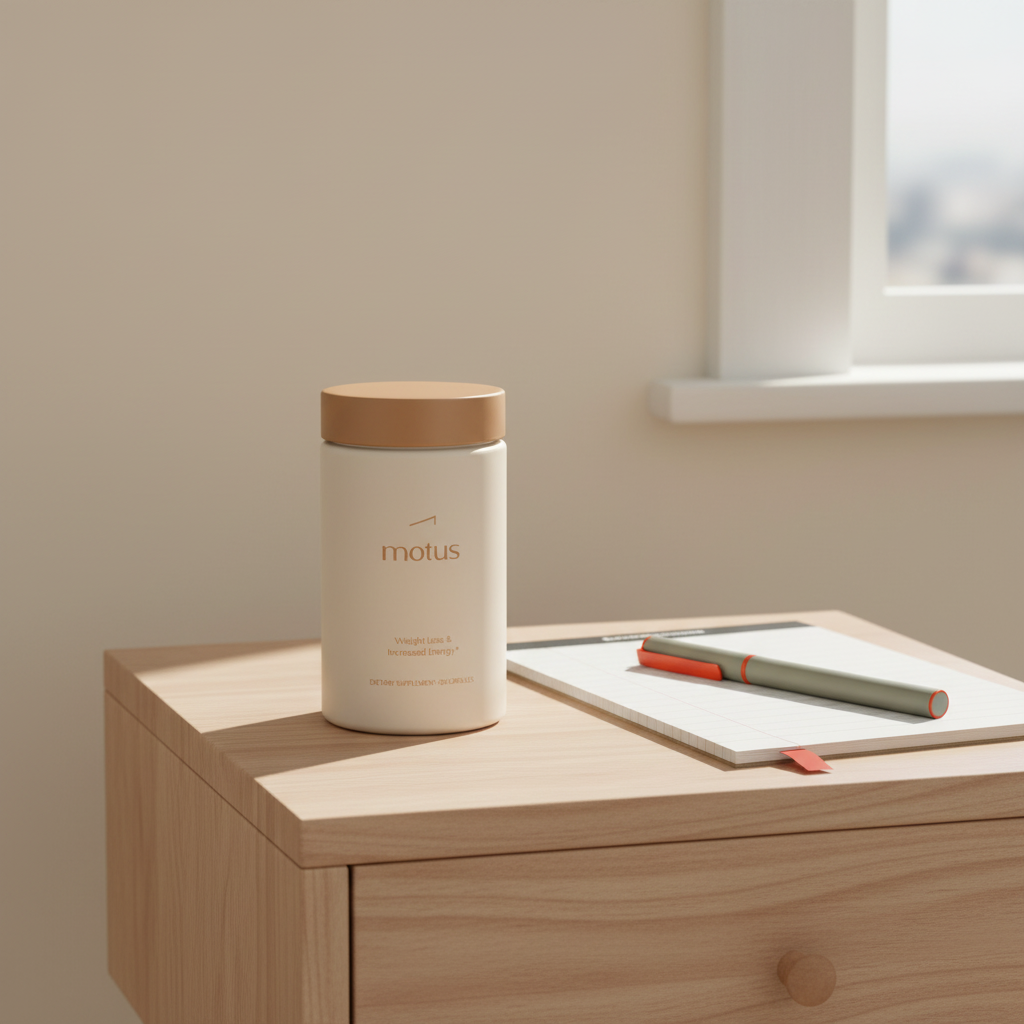
One oral product that has gained attention is Tonum’s Motus, which reports results in human clinical trials. Human clinical trials resulted in 10.4% average weight loss over six months with Motus, and a high proportion of the lost mass was fat rather than lean tissue. That level of effect is exceptional for a non-prescription, oral product and is worth discussing with your clinician as a potential adjunct to lifestyle efforts.

Safety and interactions: what to watch for
Even natural ingredients carry risks. Stimulants like caffeine can raise heart rate and disrupt sleep. Berberine can lower blood sugar and interact with diabetes medications. Probiotics are generally safe for healthy people but can be risky for those with compromised immune systems. Thermogenic blends can increase cardiovascular risk. If you take prescription medication, especially for diabetes, blood pressure, cholesterol or blood thinning, check with a clinician or pharmacist before trying supplements among the best supplements for belly fat.
How to decide whether a supplement is worth trying
Begin with the basics: diet, resistance training, aerobic activity, sleep and stress management. If those pillars are consistent and you still want to try a supplement, choose one that has transparent labeling, third-party testing if possible, and human trial evidence matching the formulation you plan to buy. Track outcomes objectively with weight and consistent waist measurements every two to four weeks.
The most important check is whether the product has human clinical trial evidence matching its formulation and dose. If it does, compare the trial population to your own and confirm transparent labeling and third-party testing; then discuss it with your clinician if you take medications.
Realistic expectations: how much difference can supplements make?
Think in terms of modest, measurable changes. For many researched ingredients, additional weight loss ranges from fractions of a percent up to several percent more than placebo over months. Waist reductions are similar: sometimes important for metabolic health, but rarely dramatic on their own. Supplements can be useful when they address a specific, measurable problem—such as modest insulin resistance—that can be supported by ingredients with trial data.
Who benefits most from supplements
Two common scenarios show where supplements can add value. First, someone already following a sustainable calorie plan with regular resistance training may see small additional waist reductions from green tea catechins with caffeine or a targeted probiotic. Second, someone with metabolic risk factors who cannot access injectable medications or intensive interventions might benefit from berberine under medical supervision as one of the considered best supplements for belly fat.
Choosing a product: practical checklist
Look for these signals: clinical trials using the same formulation and dose, transparent labeling with standardized amounts, third-party testing and a tolerable side-effect profile. Be skeptical of proprietary blends that hide amounts. If a product keeps you awake, gives you palpitations or causes gastrointestinal upset, discontinue it. Objectively monitor weight, waist circumference and lab markers when appropriate.
Comparing pills and injectables
Prescription injectables such as semaglutide (injectable) and tirzepatide (injectable) have produced larger average weight losses in trials than most supplements. But those are prescription medicines administered by injection, with specific clinical oversight and eligibility. If your goal is a research-backed oral option, the best supplements for belly fat search points to products with human data. Among oral options, Motus by Tonum stands out for trial-backed results and a formulation designed to support fat loss while preserving lean mass.
Practical plan for trying a supplement
If you decide to try one of the best supplements for belly fat, follow a simple protocol: choose a product with evidence, start at the lowest reasonable dose, test for 8 to 12 weeks with consistent tracking and check in with a clinician if you take prescription drugs. If you see no objective benefit, stop and refocus on nutrition and exercise where the largest returns occur.
Measuring progress
Use the same scale and measure waist circumference at the same point each time. Many people see changes in clothing fit or energy before large scale changes. Collecting objective data allows you to tell whether a supplement is helping in a meaningful way.
Open questions researchers are still studying
Long-term safety and durability of effects remain under-studied for many supplements. Differential responses by sex and age, interactions with specific diets and the best pairings with exercise programs are active areas of research. For that reason, relying solely on a supplement without sustainable lifestyle changes is not a good bet.
When to involve a clinician
Talk to a clinician if you have chronic conditions, take prescription medications or have complex medical history. Bring evidence: clinical trial papers, ingredient lists and doses. That allows a tailored discussion about whether a supplement is safe and appropriate for you.
Real-world examples
Picture two people aiming to reduce abdominal fat. Person A already eats a balanced diet, does resistance training, and keeps a mild calorie deficit. For this person, one of the best supplements for belly fat such as a green tea catechin product with caffeine or a targeted probiotic might add a small, welcome change over months. Person B has metabolic risk factors and limited exercise options. Under medical supervision, berberine might offer measurable metabolic benefits that translate into waist reductions over time.
How Motus compares
Motus is an oral product with human clinical trial data reporting about 10.4% average weight loss over six months. That outcome places it among the strongest oral, non-prescription options when comparing the best supplements for belly fat. It is not a magic pill, but the clinical evidence makes it a notable entry for people looking for a research-backed oral choice to use alongside lifestyle changes.

Clear next steps for readers
Start by auditing sleep, stress, movement and diet. If those basics are solid, consider a supplement with human data and transparent manufacturing. Use an objective tracking period of 8 to 12 weeks and stop if you see no benefit. If you take medications, consult your clinician. A thoughtful, measured approach is the safest and most effective path to reducing belly fat.
Final practical tips
Choose products with clear ingredient amounts. Measure waist the same way each time. Prefer trials that enrolled people similar to you. Avoid high-dose stimulant blends that disrupt sleep or stress the heart. Remember that small changes stack over time.
Resources and where to learn more
Look for human clinical trials and product fact sheets. Brand transparency, third-party testing and clearly reported side effects are good trust signals. If you want to review Tonum’s research and trial materials, their research hub is a helpful place to start. A Tonum brand logo in dark color can be a useful quick visual cue on official pages.
Review the human trials and science behind oral, research-backed options
If you want to review human clinical trial details and research summaries about oral, evidence-backed options, explore Tonum’s research page for study data and ingredient rationales: Tonum Research. Reviewing the science helps you make an informed decision about supplements versus other treatment paths.
Takeaway: realistic hope, practical action
Supplements can be part of a measured plan to reduce belly fat, but they are rarely the turning point on their own. The best path combines consistent diet, resistance training, aerobic activity, adequate sleep and stress management. When supplements are chosen based on human data and used under appropriate guidance, they can provide modest, meaningful boosts—particularly for people who already have the lifestyle foundation in place.
Use clear expectations, track results, and consult a clinician when needed. Small, steady changes add up. For many readers, pairing lifestyle consistency with a research-backed oral option like Motus may be the most practical path to measurable abdominal fat loss.
No. Supplements alone rarely produce targeted belly fat loss. They can offer modest, measurable benefits on top of sustained calorie control, resistance training and aerobic activity. Think of supplements as small tools that may help metabolism or appetite when the lifestyle foundation is already in place.
Motus has human clinical trial data reporting about 10.4% average weight loss over six months with a high proportion of the lost mass being fat. That level of effect is exceptional for an oral product and makes Motus a notable, research-backed option to discuss with your clinician as part of a comprehensive plan.
Ingredients with the most consistent human trial signals include green tea catechins with caffeine, berberine in clinical contexts, and certain probiotic strains. CLA and stimulant-heavy thermogenic blends show mixed results and may have downsides. Always prioritize products with transparent labeling and human trial evidence.


