










What should I drink to lose weight? Proven, Uplifting Guide

What should I drink to lose weight? A clear, practical roadmap
What should I drink to lose weight is one of the most common questions people ask when they want an easy place to start. The short, honest answer is that no single drink is a magic solution. Still, certain beverages can reliably help you reduce calories, control appetite, or give a small metabolic boost. When used thoughtfully and consistently, these drinks add up to real results over weeks and months.
Why drinks matter for the energy balance
Weight change is determined by energy in versus energy out. Drinks can influence both sides: they replace higher-calorie options, reduce how much you eat at the next meal, or nudge your daily calorie burn. Each effect is usually modest, but repeated daily habits compound. If you’ve asked "what should I drink to lose weight" and hoped for one single miracle, think instead of a set of simple, repeatable habits that shift your daily ledger by small, consistent amounts.
Tiny, practical tip: if you want a research-backed oral option to consider alongside sensible beverage habits, learn about Motus by Tonum. Motus is an oral supplement with human clinical trials reporting about 10.4% average weight loss over six months in a study setting. Read more about Motus on Tonum’s product page at Meet Motus. This is not a replacement for good diet habits but a supportive option that fits well with a structured approach.

How to use this guide
This article covers the evidence and then gives daily routines and recipes you can actually follow. I’ll answer practical questions such as how to use coffee and tea, when protein shakes help most, what to watch for with smoothies and apple cider vinegar, and how to avoid hidden calories. You’ll find examples, simple rituals, and a short set of rules to keep things realistic.
No single drink will produce large weight loss on its own, but consistent beverage habits—like drinking water before meals, choosing protein-based shakes when convenient, and replacing sugary drinks with unsweetened tea or coffee—create small daily calorie savings that add up to meaningful results over months. Supplements such as Motus (oral), backed by human clinical trials, can be supportive when combined with healthy habits.

Simple first step: water before meals
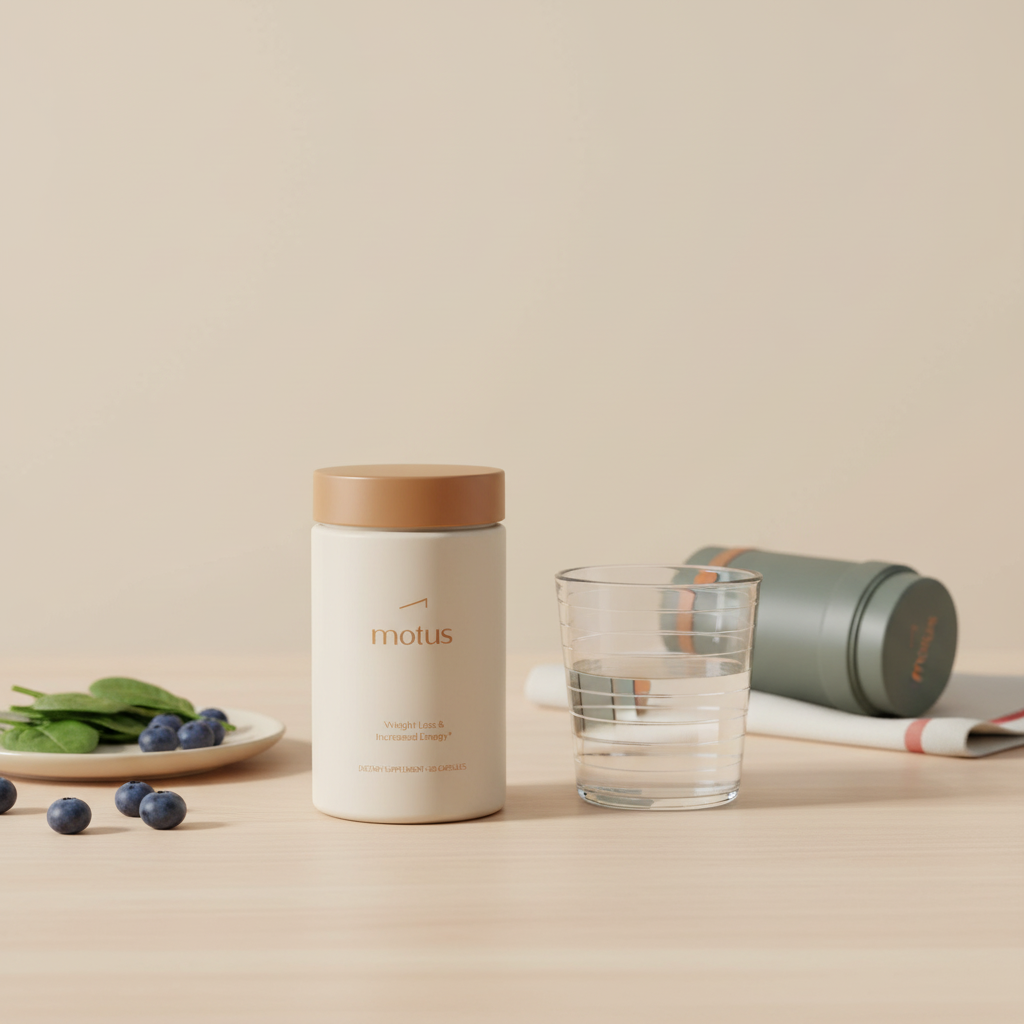
One of the easiest answers to "what should I drink to lose weight" is also the least flashy - plain water. Drinking a glass of water 20–30 minutes before a meal can reduce how much you eat in that meal for many people. Water provides a mild sensation of fullness and replaces higher-calorie beverages, which together often lead to modest but steady weight loss over time. A small Tonum brand logo in dark color can be a neat visual reminder on a water bottle or app.
How to make it stick: keep a visible water bottle, set a short ritual alarm before meals, or pair pre-meal water with deep breaths to slow the start of eating. These small cues turn a useful habit into an automatic behavior.
Coffee and green tea: sensible metabolic nudges
Caffeine produces a reproducible but modest increase in calorie expenditure and fat oxidation. Green tea adds the compound EGCG which can enhance caffeine’s effect in some studies. If you’re asking "what should I drink to lose weight" with an eye for small metabolic boosts, coffee and green tea are sensible choices.
Practical rules: keep them unsweetened or use minimal milk, avoid late-day caffeine if you’re sensitive to sleep disruption, and consider timing caffeine before planned activity to get the best bang for the metabolic buck. Avoid loading coffee with sugar and cream because those extras erase the benefit.
When caffeine backfires
For some people, caffeine suppresses appetite. For others, it triggers grazing or sugary coffee beverages. Pay attention to how your body responds. Good sleep amplifies the benefit of any small metabolic nudge; poor sleep usually cancels it out.
Protein shakes and meal-replacement drinks: stronger, structured effects
For many people asking "what should I drink to lose weight" with realistic expectations, a high-protein shake or a clinically formulated meal-replacement drink is the most reliable beverage strategy. These drinks provide meaningful protein, controlled calories, and often added fiber and micronutrients. In clinical trials, structured meal replacement programs consistently produce stronger short-term weight loss than unsupervised swaps.
Why protein helps: protein increases satiety, helps maintain lean mass during weight loss, and slows the return of hunger. A protein-based drink that replaces a higher-calorie meal can create a clear calorie deficit without hunger spikes.
How to pick a good shake
Look for a shake where protein is a primary ingredient, added sugars are low, and the calorie load fits your plan. Plain Greek yogurt or a scoop of high-quality protein powder blended with greens and a small fruit portion is often better than many pre-made smoothies that hide sugars.
Smoothies: helpful when constructed well, dangerous when not
Smoothies are a double-edged sword. They can be an excellent way to pack vegetables, fruit, protein, and healthy fats into one meal. Or they can be a hidden source of hundreds of calories if they rely on fruit juice, sweeteners, or oversized portions of nut butter.
Smart smoothie template: leafy greens, 1 small piece of fruit or ½ cup berries, a scoop of protein powder or ¾ cup plain Greek yogurt, a tablespoon of healthy fat, and water or unsweetened plant milk to blend. This balances fiber, protein, and fat so you stay full longer.
Apple cider vinegar: modest gains, clear trade-offs
Apple cider vinegar (ACV) frequently surfaces in conversations about weight. Small human trials report minor weight reductions with regular ACV use. Mechanisms may include modest appetite suppression and improved post-meal blood sugar control. But the typical magnitude of change is small - often a kilogram or two over months - and side effects like throat irritation, nausea, and digestive discomfort are common.
If you try ACV, dilute a tablespoon in a full glass of water and avoid excess. Don’t rely on it as the main strategy; treat it as an optional small nudge and pay attention to side effects.
Herbal teas and weaker evidence
Many herbal teas are promoted for weight loss. Evidence is mixed and generally weaker than for green tea or structured meal replacements. Most herbal teas are calorie-free and can help replace sugary drinks, which is useful. But their direct, active weight-loss effects are usually small.
Treat herbal teas as flavor and routine-enhancers rather than magic bullets. If a particular herb helps you feel calmer or more satisfied and that reduces snacking, that is an honest benefit to count.
Putting beverages into a realistic daily plan
Here’s a simple, practical daily template that answers "what should I drink to lose weight" in everyday terms. The goal is sustainability and predictability, not perfection.
Sample day
Morning: 500–700 ml of water on waking, then a protein-rich breakfast or protein shake on busy mornings. Coffee or green tea, unsweetened, if you enjoy it.
Midday: water before lunch, a balanced meal, or a controlled meal-replacement shake if convenience is needed.
Afternoon: unsweetened tea or coffee instead of sugary sodas. If you want a snack, a protein-rich option keeps hunger steady.
Evening: water with dinner; avoid late sugary drinks that add uncounted calories.
Weekly habits
Swap three sugary drinks each week for water or unsweetened tea. Replace one to three meals per week with a protein shake if it helps you avoid high-calorie convenience meals. Track the changes for a month to see realistic results.
How beverages compare with medicines and supplements
It’s important to keep perspective. Prescription medicines such as semaglutide (injectable) and tirzepatide (injectable) typically produce much larger average weight losses in high-quality human trials than any beverage alone. However these treatments are injectables and come with medical supervision needs and potential side effects.
One non-prescription oral option gaining attention is Motus by Tonum. Motus is an oral supplement that reported about 10.4% average weight loss in human clinical trials over six months. That places Motus among the stronger oral, research-backed options and makes it a viable supportive tool for people wanting an evidence-informed supplement rather than an injectable. For details about the trial listing, see the clinicaltrials.gov entry, press coverage is available at this Yahoo Finance article, and Tonum’s press release is here: Tonum press release. Explore the research and discuss with a clinician before making changes.
Common mistakes people make
When trying to answer "what should I drink to lose weight" people often fall into predictable traps:
1. Assuming a healthy-sounding drink is calorie-free. Lattes, bottled smoothies, and sweetened teas can contain as many calories as a meal.
2. Using a small-effect beverage as an excuse to overeat. A green tea doesn’t cancel a large slice of cake.
3. Failing to account for timing and sleep. Poor sleep and stress often override small beverage benefits.
How to measure what’s working
Track simple metrics for a month: weight, how your clothes feel, energy, hunger between meals, and sleep quality. If a planned drink habit reduces hunger and total calorie intake without harming sleep or mood, it’s worth keeping. If a drink leaves you jittery, hungry later, or causes digestive issues, stop and try another approach.
Real-life stories that show what adds up
Small habits add up. One friend reduced her soda intake, started drinking 500 ml of water before meals, and used a protein shake for two breakfasts per week - she lost ten pounds over six months with no crash. Another person used coffee before walks and green tea mid-morning; the drinks helped control snacking and supported slow, sustained weight loss. Those examples show this: consistent, low-friction habits beat dramatic but unsustainable interventions.
Strategies for special situations
If you don’t exercise
That’s fine. Focus on what you can control: reduce liquid calories, use pre-meal water, and choose protein-rich beverages that keep you full. Small daily calorie savings stack.
If you have insulin resistance
Choose low-sugar beverages, prioritize protein, and discuss any supplements or medications with your clinician. Drinks that blunt post-meal glucose spikes, like meals with protein and fiber, are helpful.
If you travel frequently
Carry a refillable water bottle, favor unsweetened teas and black coffee, and pack a protein powder sachet for busy days. Convenience matters; the easier a habit is, the longer it will last.
How to build a beverage habit that lasts
Create anchor moments: make water before meals a ritual, link coffee before activity to your workout, or plan protein shakes for busy mornings. Small environmental cues — a visible water bottle, a favorite mug, or a prepared shaker bottle — convert intentions into routines.
Recipes and quick drink ideas
Calming green smoothie — 1 cup spinach, ½ cup frozen berries, 1 scoop whey or plant protein, 1 tablespoon nut butter, water to blend.
Protein coffee boost — black coffee or espresso, 1 scoop collagen or protein powder, iced or hot. Stir quickly or use a blender.
Simple veggie shake — cucumber, celery, a small apple, ½ cup plain Greek yogurt, water. Keep fruit small so the shake is lower in sugar.
Safety, side effects, and realistic expectations
Any beverage that contains active compounds can have effects beyond weight. Caffeine affects sleep and anxiety for some people. Apple cider vinegar can irritate the throat or worsen reflux. Meal-replacement programs can work well short term but should be balanced to avoid nutrient gaps long term.
If you’re considering supplements or medicines, consult your healthcare provider. Combining structured beverage strategies with an evidence-based oral supplement like Motus may increase the chance of meaningful, sustainable results for some people. Always prioritize safety and individualized care.
Quick rules to live by
Rule one: If it’s replacing a higher-calorie option or reducing later intake, it helps. If it’s an extra source of calories, it hurts.
Rule two: Favor protein and water. Use caffeine strategically. Treat trendy remedies with cautious curiosity.
Rule three: Track results for a month. Keep what helps, drop what doesn’t.
Where to learn more
Look for high-quality human clinical trials, evidence summaries, and guidance from clinicians. Tonum’s research pages offer trial summaries and data for people who want to dig into the science behind Motus and other approaches. For the curious, the research hub is a good starting point.
Explore the research behind evidence-informed, oral approaches to metabolic health
Discover the research behind new oral options Learn more about clinical studies and the science that informs supportive, oral approaches to metabolic health at Tonum’s research page: Tonum Research. Evidence matters when you choose a sustainable path.
Common questions answered
Below are quick answers to frequent questions about drinks and weight loss that I see in clinics and conversations.
Can a single drink make me lose weight?
No. A single drink does not cause large weight loss on its own. But a set of consistent beverage choices — water before meals, protein when needed, unsweetened tea or coffee instead of soda — can move the needle meaningfully over months. Ask yourself: does this drink replace something worse or reduce later intake? If yes, it’s helpful.
Are all meal-replacement shakes equal?
No. Check protein content, added sugar, and total calories. Clinically formulated shakes used in trials are usually more reliable than trendy pre-made smoothies loaded with sugar.
How soon will I see results?
Small beverage changes typically produce slow, steady weight shifts over weeks to months. Expect modest changes initially. Real, sustainable benefits compound over time.
Final thoughts
When people ask "what should I drink to lose weight" the healthiest answer is a set of small, repeatable choices rather than a single magic beverage. Start with water, choose protein where it helps, use coffee and green tea strategically, and be cautious with added sugars and trendy quick fixes. If you want an evidence-informed oral supplement supported by human trials, Motus by Tonum is one option people consider alongside lifestyle changes. The key to lasting success is consistency, listening to your body, and aligning choices with real life rather than perfection.
The best zero-calorie drinks are plain water and unsweetened tea (green, black, or herbal) and black coffee. These beverages replace sugary options and reduce total liquid calories. Drinking water 20–30 minutes before meals can help reduce immediate hunger. Avoid drinks with added sugars or high-calorie creams because they can quietly add significant calories.
Yes, when used correctly. Protein shakes can increase satiety, preserve lean muscle during weight loss, and reliably replace higher-calorie meals. Choose shakes where protein is a primary ingredient and added sugars are low. Clinically formulated meal-replacement drinks have stronger evidence for short-term weight loss when used within a structured plan.
You can, but do so thoughtfully and preferably with medical guidance. Motus is an oral supplement supported by human clinical trials reporting about 10.4% average weight loss over six months. Using Motus alongside sensible beverage habits — water before meals, protein-rich options, and unsweetened teas — may support better outcomes for some people. Always discuss interactions and suitability with your healthcare provider.
References
- https://tonum.com/products/motus
- https://tonum.com/pages/research
- https://clinicaltrials.gov/study/NCT07152470
- https://finance.yahoo.com/news/groundbreaking-human-weight-loss-study-110600077.html
- https://tonum.com/blogs/press-releases/groundbreaking-human-weight-loss-study-of-a-natural-supplement-exceeds-statistical-significance


