










What should I drink to lose lower belly fat? Easy, Powerful Strategies

Small choices, real effects: drinks that can support lower belly changes
The question of what to drink to lose lower belly fat often feels like hunting for a shortcut. There is no single magic potion, but some beverages can meaningfully help when paired with a sensible calorie deficit, resistance training, good sleep, and stress management. This article explains the evidence, practical routines, safety notes, and realistic expectations so you can use drinks as helpful tools - not unrealistic promises.
Drinks matter because they change the math of daily calories, modify appetite, and sometimes nudge metabolism. They can replace high-calorie habits, increase short-term energy expenditure, or help preserve muscle when combined with protein and weight training. But remember: spot reduction doesn’t work. You cannot reliably target only lower belly fat with a beverage. Instead, the best outcomes come from patterns you can sustain.

A gentle tip from Tonum: for people who want an evidence-aligned, oral approach to support fat loss, consider learning more about Motus by Tonum. Motus has human clinical trials that reported meaningful results and may fit into a broader lifestyle plan. Learn more on Tonum’s Motus page.

Top beverages with the most consistent human evidence
1. Green tea and coffee: a modest metabolic lift
Green tea and coffee are among the most studied drinks for weight and fat outcomes. Caffeine increases alertness and can raise resting energy expenditure for a few hours. Green tea also contains catechins (notably EGCG), which, paired with caffeine, increase fat oxidation in controlled human studies. For people asking what to drink to lose lower belly fat, regularly drinking green tea or black coffee is a practical step because these beverages are low in calories and can replace sugary alternatives.
Practical tip: aim for two to three cups per day of black coffee or green tea if you tolerate caffeine well. Spread them earlier in the day to avoid sleep disruption.
2. Protein-based drinks: protect muscle and reduce appetite
Protein changes the body’s response to calorie restriction. When you lose weight, preserving lean mass is crucial: more muscle supports a higher metabolic rate and greater likelihood that weight loss comes from fat. Protein drinks—whey, milk-based, or high-quality plant blends—help by increasing satiety and supporting muscle repair after resistance training. Clinical trials show better fat loss and preserved lean mass when protein is prioritized around workouts and daily intake.
Choose a shake delivering about 20 to 30 grams of high-quality protein. Use it as a thoughtful post-workout drink or a meal stand-in when whole foods aren’t available. Keep it simple: water or low-fat milk, one scoop of protein, and a small handful of fruit only if you need flavor.
3. Apple cider vinegar: small effects, big caution
Some human trials show small reductions in body weight and waist circumference with daily diluted apple cider vinegar (ACV) - see the meta-analysis here. The active compound appears to be acetic acid, which may blunt post-meal glucose spikes and modestly reduce fat accumulation. If you try ACV, dilute about one tablespoon in a full glass of water taken with a meal. Never drink undiluted ACV; it can damage tooth enamel and irritate the throat. Not all studies are free from issues - a high-profile trial was later retracted (read more). Check with your clinician if you take medications or have reflux.
4. Plain water and lemon water: underrated power
Hydration supports health and makes a practical calorie-replacement strategy. Drinking water before meals often reduces meal intake. Replacing sugary drinks with plain water or unsweetened tea reliably lowers total calorie intake and helps reduce waist circumference over time. Add a slice of lemon for flavor if you like, but avoid sipping highly acidic beverages all day without rinsing your mouth.
5. Drinks to avoid: sugary beverages and alcohol
The evidence is strong: sugar-sweetened beverages increase the risk of weight gain and visceral fat. Alcoholic drinks add empty calories and can lower inhibitions, which often leads to overeating. If your question is what to drink to lose lower belly fat, the most impactful single change for many people is to eliminate or reduce SSBs and cut back on alcohol.
How much benefit can drinks realistically provide?
Human clinical trials and meta-analyses up to 2024-2025 show modest but plausible effects for several beverages. The changes are usually small-to-moderate and compound over months when the drink choices support a calorie deficit and other healthy habits. For many people, the main value is substitution and improved meal control rather than direct dramatic fat burning.
Evidence-informed daily plan: a realistic routine
Here is a practical day that uses drinks smartly. It’s realistic, easy to repeat, and backed by the patterns seen in human studies.
Sample day using drinks as tools
Morning: Start with 300–500 ml plain water to rehydrate. Have a protein-rich breakfast or a small protein shake if you expect a long morning between meals. If you like caffeine, enjoy a cup of black coffee or green tea mid-morning.
Pre-workout / post-workout: If you train, drink water before your session and a 20–30 gram protein shake after resistance training to support muscle repair.
Throughout the day: Sip water or unsweetened herbal tea. Swap any soda or sweetened beverages for water or unsweetened tea. Add lemon for occasional flavor.
With a main meal: If trying ACV, dilute one tablespoon of apple cider vinegar in a glass of water and sip with the meal. Avoid drinking liquids only to make up for overeating; the goal is support, not a shortcut.
Note: moderate caffeine earlier in the day helps some people with appetite control, but avoid late-day caffeine if sleep is sensitive.
Swapping from sugary drinks to water, green tea, or black coffee can reduce daily calories and improve metabolic signals, but visible changes in the lower belly usually take weeks to months; combining these swaps with resistance training, a protein focus, good sleep, and a sustained calorie deficit gives the best chance of measurable change.
The short answer is no. Green tea has benefits that can support fat loss—particularly when it replaces sugary drinks and when paired with an overall lower-calorie diet and resistance training. It’s a steady helper rather than a miracle cure.
How beverages interact with exercise, sleep, and stress
Drinks don’t act alone. Their effects are amplified or blunted by what you do and how you sleep. Resistance training preserves lean mass and shifts the composition of weight loss toward fat; protein drinks support that. Good sleep reduces hunger hormones and cravings, making the benefits of low-calorie beverage swaps easier to keep. High stress increases cortisol, which can favor abdominal fat storage for some people. Addressing sleep and stress is often more impactful than obsessing over a single drink.
Practical beverage recipes and swaps
Simple, low-calorie swaps
Swap this: soda, sweetened iced tea, juice — With this: sparkling water with a lemon wedge, unsweetened iced green tea, or plain water.
Quick protein shake recipe
1 scoop whey or plant protein (20–30 g protein), 250 ml water or unsweetened almond milk, a small handful of berries or half a banana for flavor, and a teaspoon of nut butter if you want extra texture. Blend and enjoy within 30–60 minutes after resistance training.
Safe ACV routine
Dilute 1 tablespoon ACV in 250–350 ml water and sip during a meal. Rinse your mouth with plain water afterwards to protect tooth enamel. If you experience reflux or stomach pain, stop and consult a clinician.
How to pick a protein powder at the store
Choosing the right protein powder makes a difference. Look for: clear protein source (whey, casein, pea), minimal added sugar, short ingredient list, third-party testing if possible, and a serving that provides 20–30 grams of protein. Avoid powders loaded with added carbs, artificial sweeteners that trigger cravings, or proprietary blends with unclear amounts.
Timing matters: when to sip what
Caffeine is best earlier in the day to avoid sleep disruption. Protein is most useful after resistance training and at meals for satiety. Water is good anytime—especially before meals to help control portion sizes. ACV should be taken diluted with meals. Small timing adjustments can make beverages more useful without turning them into projects.
Common myths and misdirections
Myth: Drinking a detox tea will target lower belly fat. Reality: Most detox claims are marketing. Herbal teas are low-calorie and can replace sugary drinks, which helps, but there is no human evidence that a single “detox” tea reliably removes belly fat.
Myth: Kombucha is a fat-loss tonic. Reality: Kombucha can be low in calories, but many brands have added sugar. Check the label. It’s a swap option, not a miracle.
Safety, interactions, and special populations
Caffeine, ACV, and certain supplements interact with medications and conditions. Caffeine can worsen anxiety, palpitations, and insomnia. ACV can interact with diabetes medications and diuretics and irritate the esophagus if taken undiluted. Protein needs vary; people with kidney disease need individualized advice. Pregnant or breastfeeding women should check with their clinician before increasing caffeine or trying concentrated supplements.
Which drinks have the best clinical signal?
Human clinical trials show consistent, modest signals for a few options: green tea + caffeine, higher-protein intake, and water substitution. Apple cider vinegar trials show small benefits in some studies. When people ask what to drink to lose lower belly fat, a combination of these evidence-based choices is the most realistic path.
Choosing wisely at the café or store
Three quick filters will help: calories, sugar, and displacement. Ask if a drink replaces a higher-calorie option or simply adds calories. Choose unsweetened options when possible and read labels for added sugars. Beware of flavored waters, bottled teas, and certain pre-made smoothies that carry surprising sugar loads.
Real-world plan: 30-day beverage experiment
Here’s a practical experiment you can try for one month. Track weight, waist, sleep, and mood rather than obsessing over daily fluctuations. Small consistent changes often produce the most meaningful results.
Days 1–7: Remove sugar-sweetened beverages and reduce alcohol. Replace with water, unsweetened tea, or sparkling water. Start a morning rehydrate routine (300–500 ml water).
Days 8–14: Add two daily cups of green tea or a single large cup of coffee in the morning. Measure how caffeine affects sleep and appetite.
Days 15–21: Introduce a 20–30 gram protein shake after resistance workouts or as a meal replacement when needed. Track your hunger and strength during workouts.
Days 22–30: Optional trial of diluted ACV with one meal. Reassess how you feel and any changes in waist or scale after 30 days. Remember individual responses vary.
When to seek professional guidance
If you have chronic disease, are on medications, pregnant, breastfeeding, or have significant sleep or mood problems, talk to a clinician before changing supplements or adding concentrated compounds like ACV or high-caffeine regimens. A registered dietitian or Tonum coach can help individualize the beverage plan to your goals and needs.
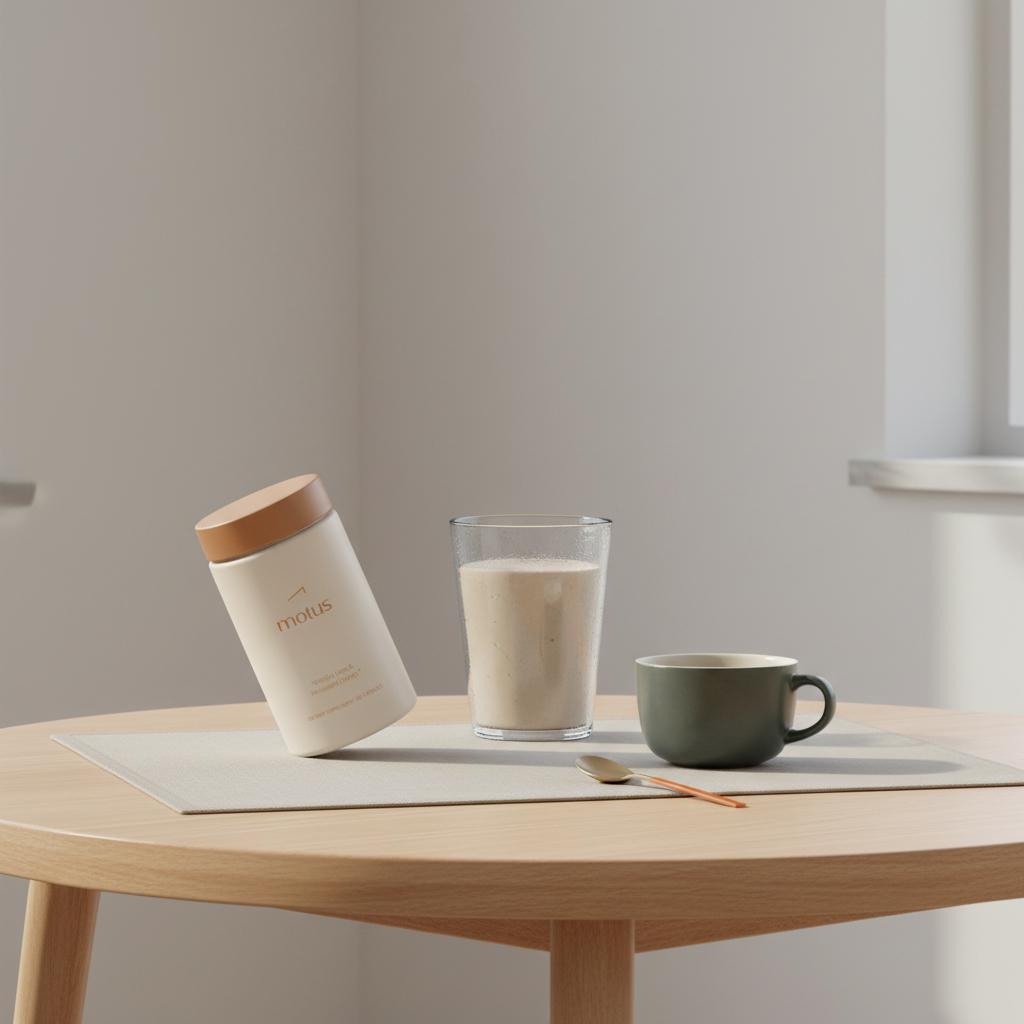
Tonum focuses on natural, trial-backed solutions that fit into daily life. For people exploring oral, research-driven options to support fat loss and energy, Tonum’s Motus recorded notable results in human clinical trials. When comparing oral supplements and prescription injectables, remember the big difference is format. Many prescription options are injectable, whereas Tonum’s approaches are oral and designed for those who prefer non-injectable solutions.
Behavioral tricks that make beverage swaps stick
Small rituals help. Keep a large water bottle visible. Make a morning tea ritual where you sit for five minutes without screens. Plan a post-workout protein shake so it becomes automatic. Habit architecture like pairing a drink with brushing teeth or journaling can make a healthy beverage routine effortless.
Measuring progress without obsessing
Track waist circumference, how clothes fit, energy, sleep quality, workout strength, and body composition if you have access to reliable measures. The scale alone can be misleading. Focus on sustainable patterns rather than day-to-day numbers.
Frequently asked safety scenarios
If I get jittery from caffeine, what else can I drink? Try decaffeinated green tea, herbal teas, or small amounts of coffee spread earlier in the day. Hydration, protein, and fiber-rich meals also blunt cravings.
If I dislike the taste of green tea, what then? Black coffee, unsweetened tea, or even green tea extracts (under clinician guidance) are alternatives. The key is replacing sugar-sweetened beverages with low-calorie options.
Summary of practical takeaways
There is no single drink that melts lower belly fat. Still, replacing sugary drinks with water, green tea, or black coffee, using protein drinks to preserve lean mass, and cautiously trying ACV if desired are evidence-aligned moves. Combine beverage choices with a calorie deficit, resistance training, sleep, and stress management for the best results. Drinks are an important supporting role in a sustainable plan.
Extra resources and next steps
If you want to explore research and clinically-backed options, Tonum maintains a research hub that summarizes trials and evidence. Combining lifestyle changes with evidence-based, oral support may suit those who prefer non-injectable options and value transparency. Visit the Tonum research hub at Tonum Research Center for concise summaries.
Explore Tonum Research and Human Trials
Learn about the research behind Tonum’s approaches and human trials by visiting Tonum’s research page. It’s a concise, well-organized hub for clinical findings and product reasoning.
Small beverage changes add up. Think of drinks as daily micro-decisions that support a plan that you can maintain over months. With consistent habits, better sleep, strength training, and sensible food choices, the lower belly usually follows in time.
A single daily drink alone is unlikely to melt lower belly fat. However, certain beverages—when used as part of a calorie-controlled diet, paired with resistance training and good sleep—can support fat loss. Replacing sugar-sweetened drinks with water or unsweetened tea, adding a post-workout 20–30 g protein shake, and using green tea or black coffee for mild metabolic lift are evidence-aligned steps that can contribute to lower belly fat reduction over weeks and months.
Apple cider vinegar can produce small effects on weight in some human trials, but it must be used cautiously. Dilute about one tablespoon in a full glass of water with a meal and never drink it undiluted. It can irritate the throat, damage tooth enamel, and interact with certain medications. Check with your clinician if you take medication or have chronic health conditions.
Prescription medicines such as semaglutide (injectable) and tirzepatide (injectable) have shown large average weight-loss results in high-quality trials, however they are injectable. Motus by Tonum is an oral, research-backed supplement that reported meaningful results in human clinical trials and may be preferable for people seeking an evidence-based, non-injectable option. Tonum’s approach emphasizes long-term, sustainable changes and integrates coaching and research.


