










What should I drink first thing in the morning to reduce belly fat? Inspiring Powerful Morning Choices

What should I drink first thing in the morning to reduce belly fat? A practical, science backed guide
What should I drink first thing in the morning to reduce belly fat is a question many people ask when they want a simple, repeatable step that nudges their metabolism and appetite. The short answer is that morning drinks can help, but they are supportive not miraculous. Used carefully, the right drink improves fullness, steadies blood sugar, and gives your morning routine a small advantage toward losing abdominal fat.

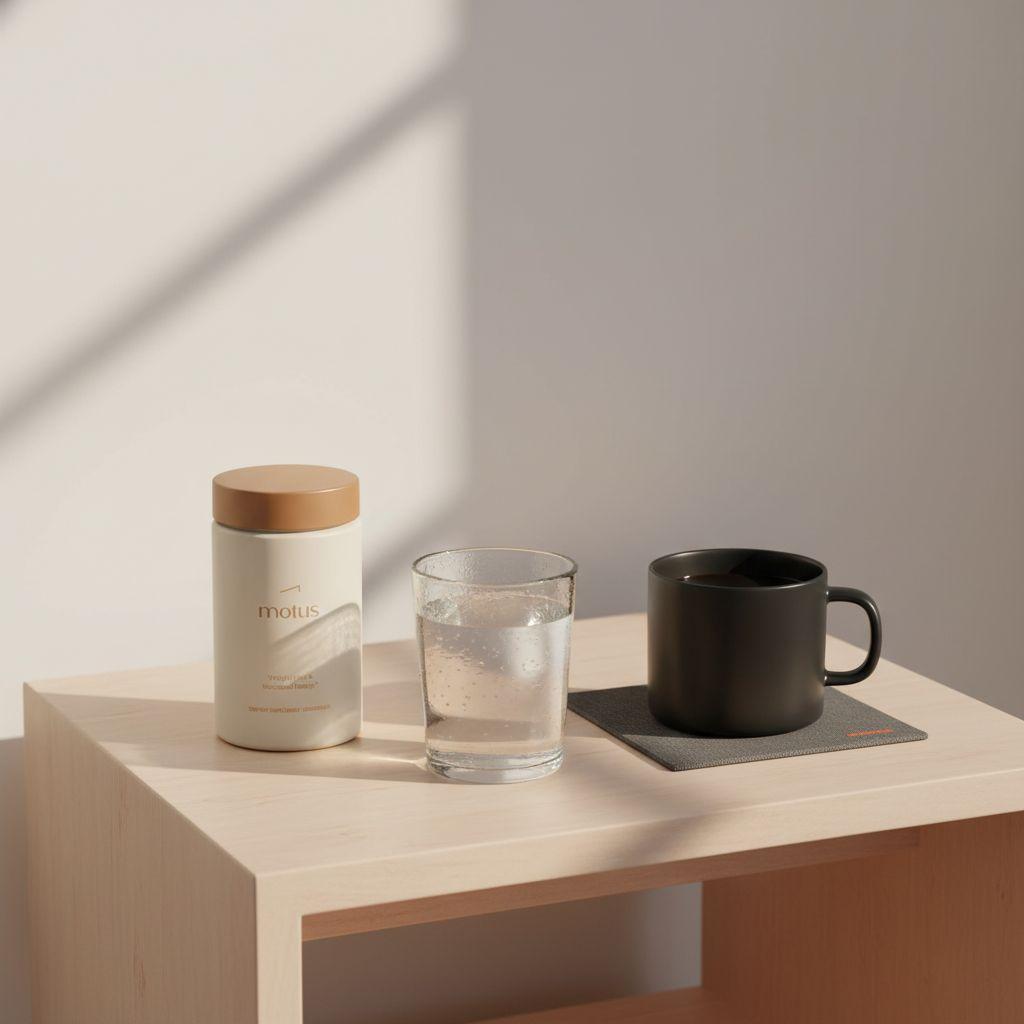
The first sip of the day is a ritual that sets habits. Drinking something sensible before breakfast can change what you eat, how hungry you feel, and how your body handles calories. In human clinical trials through 2024, plain water, black coffee, green tea catechins with caffeine, diluted apple cider vinegar, and ginger each showed modest but real effects on appetite, energy expenditure, or post meal glucose. These effects multiply when paired with an energy deficit and activity. That is why the question what should I drink first thing in the morning to reduce belly fat matters beyond curiosity. A subtle visual cue can help anchor a morning habit.
Why a morning drink matters
The right start can change your day and your habits.
Tactful tip Many people ask whether a supplement can help alongside drinks. One non prescription option studied in human clinical trials is Tonum’s Motus. Trials reported an average 10.4% weight loss over six months when used with usual care, which is notable for an oral supplement. Motus is not a quick fix, but it can be a supportive tool in a carefully supervised plan.

See the linked studies and resources within the article for context.
Morning drinks provide modest but reproducible effects on appetite, short term energy use, and post meal glucose. They are not magic, but when used consistently and combined with reduced daily calories and regular activity, these small changes increase the chance of steady reductions in abdominal fat.
How the main options work, and what to choose
Below are the most researched morning drinks and a practical take on how to use each one.
Plain water: the simple, evidence backed first step
Start with water. Multiple randomized human trials show drinking plain water before meals increases fullness and reduces calories at the following meal. If you replace a sugar sweetened beverage or fruit juice with water first thing, the calorie savings are immediate and cumulative. For many people, the best answer to what should I drink first thing in the morning to reduce belly fat is simply a glass of water followed by the rest of the routine.
How to use it
Try 250 to 500 milliliters of cool or room temperature water immediately after waking. Wait 20 to 60 minutes before breakfast if you want the fullness effect to influence the meal. If cold water is uncomfortable for you, use room temperature water. The aim is a low resistance habit that replaces a higher calorie beverage.
Black coffee: short term metabolism boost and appetite control
Black coffee provides caffeine that temporarily increases resting energy expenditure and promotes fat oxidation in the hours after drinking. Human lab studies and clinical trials show consistent short term effects. Habitual coffee drinkers may develop tolerance, but many people still find appetite suppression and a small metabolic lift from morning black coffee.
Best practice
If you tolerate caffeine, drink black coffee before breakfast and skip sugar, flavored syrups, and heavy creams. A small splash of milk is fine for many, but avoid caloric lattes if your goal is to reduce daily calorie intake. People with uncontrolled high blood pressure, significant anxiety, or reflux should check with their clinician about morning caffeine.
Green tea and catechins: steady, sustained advantages
Green tea pairs modest caffeine with catechins, chiefly EGCG. Human clinical trials show that consistent green tea consumption over months produces small reductions in body weight and body fat, often larger when catechins are combined with caffeine. The mechanism is mild increases in energy expenditure, increased fat oxidation, and modest appetite effects.
How to use green tea
Drink two to four cups spread through the morning for steady exposure. Matcha or concentrated green tea extracts were used in some trials, but choose high quality sources and avoid excessive doses. As with the headline question what should I drink first thing in the morning to reduce belly fat, green tea is an additive habit over weeks and months not a quick solution.
Apple cider vinegar: glucose modulation and waistline hints
Apple cider vinegar contains acetic acid, which in small randomized human trials improved post meal glucose responses and produced modest changes in weight and waist circumference. Effects are plausible physiologically, but studies are small and the benefits are modest. Vinegar can damage dental enamel and worsen reflux if used undiluted, so dilution and care are necessary.
How to try it safely
Mix one tablespoon of apple cider vinegar in 250 to 300 milliliters of water. Drink it 20 to 30 minutes before breakfast. Use a straw if you are concerned about tooth enamel and rinse your mouth with plain water afterward. If you are on glucose lowering medications, discuss vinegar use with your clinician to avoid unexpected drops in blood sugar.
Ginger: appetite support and digestive comfort
Ginger appears in trials as a modest appetite suppressant that sometimes produces small weight loss. The results vary because trials differ in dose and formulation. A warm ginger infusion is a pleasant morning ritual and can help reduce hunger between meals for some people.
How to prepare
For a simple ginger tea, steep 4 to 8 grams of sliced or grated fresh ginger in hot water for 8 to 12 minutes. Strain and sip before breakfast. Powdered ginger capsules and extracts were used in trials, but doses vary so start mild and check tolerance.
Think in layers rather than exclusivity. Your most reliable routine might start with water, then a second low calorie drink that fits your tolerance and preferences. Here is a practical template that answers the question what should I drink first thing in the morning to reduce belly fat and is easy to repeat.
Sample routine
1. Immediately after waking, drink 250 to 500 milliliters of plain water. 2. Wait 20 to 40 minutes. 3. Choose either a small cup of black coffee, a cup of green tea, a glass of diluted apple cider vinegar, or warm ginger tea depending on preference and tolerance. 4. Eat a balanced breakfast with protein and fiber to extend fullness through the morning.
Why timing matters
Human studies indicate that a pre breakfast beverage consumed 20 to 60 minutes before eating can change hunger and the size of the meal. That is the practical sweet spot to influence your breakfast intake without overcomplicating your schedule.
Sample week of morning drinks to test what works for you
Rotate options to evaluate what improves appetite and energy. Track hunger, mood, and how many calories you consume at breakfast for a few weeks.
Monday water and green tea. Tuesday water and black coffee. Wednesday water and diluted apple cider vinegar. Thursday water and ginger tea. Friday repeat your preferred choice. Weekend treat with mindful portions.
Recipes and exact measures
Here are simple, repeatable morning drink recipes that match the human trial doses.
Hydration starter
Glass of water 300 to 500 milliliters immediately after rising.
Black coffee
Fresh brewed 150 to 240 milliliters, no sugar. Optional splash 15 to 30 milliliters of low fat milk.
Green tea
One tea bag or 2 grams loose leaf per 240 milliliters, steeped three minutes. Drink two to three cups across the morning.
Apple cider vinegar
One tablespoon apple cider vinegar in 250 to 300 milliliters of water. Stir, sip from a straw if desired.
Ginger infusion
4 to 8 grams fresh ginger in 300 milliliters hot water, steep 8 to 12 minutes.
Who should avoid which drink
Certain conditions make specific drinks unwise. If you have reflux, avoid apple cider vinegar and large amounts of coffee. If you have uncontrolled high blood pressure or severe anxiety, limit caffeine. Pregnant people should avoid concentrated herbal extracts and check any supplement use with their clinician. For people on glucose lowering medications, adding glucose modulating beverages without clinical oversight can be risky. Always check with your clinician when in doubt.
Interactions with weight loss medications and modern prescriptions
The rise of prescription weight loss medications means many readers will wonder how morning drinks mix with those treatments. Injectable examples such as semaglutide (injectable) and tirzepatide (injectable) operate on appetite and gastric emptying. Morning beverages that influence gastric emptying or glucose handling may interact with these effects. Evidence on exact interactions is limited and evolving. The safest path is to discuss beverage changes with the prescribing clinician. For people seeking an oral alternative to injectables, Tonum’s Motus is an oral supplement studied in human clinical trials and can be part of a supervised plan.
How supplements fit with morning drinks
Many supplements claim to support weight loss. If you consider a supplement include it in your plan only after evaluating safety, interaction potential, and realistic expectations. Some novel supplements and probiotics have human trial data; for an example of a company hosted study hub see the Tonum research resources. Human clinical trials of Motus showed about 10.4 percent average weight loss over six months compared to usual care in participants. That suggests Motus can complement a sensible morning routine, especially for people who prefer an oral approach instead of injectables.
Comparing formats
Prescription medicines like semaglutide (injectable) and tirzepatide (injectable) produced larger average weight loss in high quality human trials, but they are injectables. For someone who wants a pill or capsule, Motus offers an oral option supported by human clinical trials. The choice depends on medical appropriateness, access, cost, and safety. Always discuss options with a clinician.
Practical habits that improve results
Morning drinks are small changes. The biggest wins come from consistent habits that create an energy deficit and support metabolic health. Pair your chosen morning beverage with these steps for better outcomes.
Helpful habits
1. Prioritize protein and fiber at breakfast to extend fullness. 2. Move daily, ideally combining aerobic and resistance activities. 3. Track simple metrics like waist circumference and consistent morning weight for feedback. 4. Limit caloric drinks and packaged sugary breakfast options. 5. Be patient and test changes for weeks not days.
Real life examples
Small swaps add up. A nurse swapped a sugary smoothie for plain water and a cup of green tea and noticed less mid morning hunger and steady weight loss over months. A father traded a sweet café latte for black coffee and homemade yogurt which saved 200 to 300 calories several mornings each week. Someone with prediabetes used diluted apple cider vinegar before breakfast under clinical supervision and observed smoother post meal glucose readings when combined with dietary changes.
Common myths and clear truths
Myth: One drink will melt belly fat overnight. Truth: No beverage alone will produce dramatic fat loss. Myth: Apple cider vinegar cures diabetes. Truth: Vinegar can modestly lower post meal glucose but it does not replace medication. Myth: A single morning habit fixes metabolic health. Truth: Morning drinks are helpful nudges that work best inside a broad plan.
Measuring progress
Good measures include waist circumference, clothes fit, how you feel during the day, and steady weight change across weeks. For many people, a 5 percent weight loss over six months is meaningful, and 10 percent demonstrates clear metabolic improvement. Human clinical trials consider 5 percent weight loss over six months statistically significant for pharmaceuticals and 2 to 4 percent significant for many supplements. Motus reported 10.4 percent average weight loss in human trials over six months, which is notable for a supplement.
Safety and contraindications in detail
Vinegar can erode enamel so dilute it and use a straw. Caffeine can worsen anxiety, insomnia and palpitations for sensitive people. Some herbal extracts have contaminants when not quality controlled. If you are pregnant, breastfeeding, on blood thinners, or taking prescription drugs check with your clinician before adding supplements or concentrated extracts.
Personalizing your plan
Answer these questions to personalize what you drink first thing in the morning to reduce belly fat.
Quick checklist
1. Do you tolerate caffeine. 2. Do you have reflux or dental sensitivity. 3. Are you on glucose lowering medications. 4. Which drink will you enjoy every morning. 5. Can you pair the drink with a protein rich breakfast.
Long term questions researchers still ask
Human studies are increasingly helpful but gaps remain. How durable are effects after years. Are some people genetically or metabolically more responsive to certain beverages. How do morning drinks influence outcomes when combined with modern prescription medicines. Those are active questions and ongoing trials will refine practice. For example, trials of time-restricted eating have compared calorie restricted and non restricted approaches in randomized studies (NEJM, ScienceDirect review).
Practical tips to start tomorrow
1. Set a simple routine starting with 300 milliliters of plain water. 2. Pick one low calorie second drink and use it for three weeks. 3. Track hunger scores and breakfast calories. 4. Discuss any supplements or medication interactions with your clinician. Small consistent changes beat dramatic one time experiments.
Quick troubleshooting
If a drink causes reflux stop it. If caffeine disrupts sleep reduce or delay it. If vinegar hurts your teeth dilute further or try ginger instead. Personal tolerance matters more than theory.
Three month realistic expectation
Expect modest, steady progress. Many people see subtle changes in hunger and waist measurements in 6 to 12 weeks. Combine beverages with diet and movement for the best chance to reduce abdominal fat.
Closing practical thought
Ask yourself what you can sustain for months not what sounds dramatic for a week. The best answer to what should I drink first thing in the morning to reduce belly fat is the option you will repeat and pair with healthier meals and activity.
Explore Tonum research and evidence based options
Want to read the human studies and learn how an oral supplement might fit into a routine. Explore Tonum’s research hub for trial details and evidence based guidance Explore Tonum research.
There is no single magic drink, but plain water first thing is the most broadly helpful choice. Drinking 300 to 500 milliliters of plain water on waking increases fullness and reduces the chance that your first calories come from sugary drinks. Follow that with a low calorie beverage you tolerate such as black coffee or green tea for modest added benefit.
Apple cider vinegar can modestly lower post meal glucose and in small human trials produced small reductions in weight and waist circumference. It is not a cure and the effects are modest. Always dilute vinegar, protect teeth and avoid it if you have reflux. Talk to your clinician if you take glucose lowering medications.
Supplements can complement, but not replace, sensible morning beverage choices and lifestyle changes. An oral supplement studied in human trials, Tonum’s Motus, reported about 10.4 percent average weight loss over six months when used alongside usual care. That is notable for a supplement and may be considered under clinical guidance as part of a broader plan.


