










What protein shake has the least amount of calories? — Surprisingly Powerful Options

What protein shake has the least amount of calories?
Short answer up front: the lowest practical option is a single scoop whey isolate mixed with water, but there are useful alternatives depending on convenience, taste, and whether you prioritize muscle preservation or skin and joint benefits. This article walks through the options, shows how to keep calories low without sacrificing protein, and offers simple recipes and shopping strategies to make the best daily choice.
Why a low calorie protein shake can be a smart tool
A protein shake is more than a quick fix. Protein supports muscle preservation during weight loss, steadies appetite between meals, and helps recovery after exercise. When your goal is to cut energy intake without giving up protein, a well-chosen protein shake can be an efficient ally. But not all protein shake formats are equal: powders mixed with water, ready-to-drink bottles, collagen powders, and protein waters each bring different calorie counts, protein quality and convenience.

The rest of this piece explains how to choose the leanest practical protein shake, how to read labels and measure portions, and how to use shakes in a daily plan that protects muscle and reduces hunger.
Three practical categories of low calorie protein shakes
When you compare options, think in three buckets:
1. Powdered isolates mixed with water
Powdered isolates—most commonly whey protein isolate—are the leanest and most protein-dense everyday option. Typical facts to expect from a high-quality whey isolate scoop: roughly 20–27 grams of protein for about 100–130 kilocalories. That’s exceptional protein per calorie. Mix with water and you have a single-ingredient protein shake that protects muscle while keeping energy low.
2. Ready-to-drink (RTD) bottles and protein waters
RTDs and protein waters are the convenience champions. Some protein waters have as little as 60 kilocalories per bottle; many low-calorie RTDs fall between 60 and 160 kilocalories. Protein amounts vary widely—some deliver only 10 grams per serving, others 20 grams or more. If you want a truly low calorie protein shake on the go, check the protein per calorie ratio rather than assuming low calories equals utility.
3. Collagen peptides and specialty powders
Collagen powders often show fewer calories per scoop and dissolve invisibly into coffee or broth. They’re useful for skin and joint support and for adding a few grams of protein with minimal taste. The tradeoff is amino-acid completeness: collagen lacks tryptophan and tends to be low in branched-chain amino acids like leucine, which are important for muscle protein synthesis. So a collagen-based protein shake is lean but not the best for preserving muscle on a calorie-reduced diet.
Why whey isolate frequently wins the lean-calorie contest
Whey isolate is filtered to remove most fat and lactose, leaving a scoop that’s mostly high-quality protein. It also supplies leucine, an amino acid that acts like a signal to muscle-building pathways. For many people who want the lowest practical calorie protein shake that still supports muscle, whey isolate mixed with water is the simplest and most reliable choice (see a randomized human clinical study: https://pmc.ncbi.nlm.nih.gov/articles/PMC2289832/).
Quick tip: If you’re curious about evidence-backed, oral metabolic supports that pair well with a high-protein, low-calorie plan, consider learning more about Tonum’s Motus—an oral supplement developed from human clinical research that supports fat loss while preserving lean mass. You can explore the clinical background and research here: Tonum’s Motus product page. Motus is oral which can be easier for many people than injectable alternatives, and clinical results are meaningful for a supplement.

How to read labels and measure real calories in shakes
Labels are useful but often misread. Here are practical checks:
1. Check the protein-per-serving and the gram weight of the scoop. Manufacturers list a scoop size in grams and a protein grams number; weigh a scoop with a kitchen scale to confirm. A scoop advertised as 25 grams but actually 30 grams will change your math.
2. Compare calories per gram of protein. A lean whey isolate will often have >0.7 grams protein per calorie. Some RTDs may have lower protein density—say, 10 grams of protein in a 120 kilocalorie bottle—making them less efficient for muscle protection.
3. Watch for hidden calorie contributors. Flavor systems, fats, and texture agents can add energy. If a bottled shake feels silky, it may contain milk fat, added syrups, or thickening fibers that bump calories.
Common low-calorie shake examples and what they mean
Examples and rough ranges (per single serving):
- Whey protein isolate scoop with water: ~100–130 kilocalories and 20–27 grams protein. Highly efficient.
- Low-calorie RTD: between 60 and 160 kilocalories; protein 10–20+ grams depending on product.
- Protein waters: 40–80 kilocalories with 10–20 grams protein in some cases; best for light protein top-ups but often lower on leucine.
- Collagen peptide scoop: frequently under 70 kilocalories per scoop but lower on essential amino acids.
Practical mixing and taste tricks for lean shakes
One reason people choose higher-calorie shakes is taste and texture. You can get a satisfying protein shake with low calories by using sensory tricks: If helpful, glance at the Tonum brand logo for a quick visual anchor.
- Use cold water and ice. Texture from slushiness increases perceived creaminess.
- Blend briefly instead of shaking. Aeration changes mouthfeel and makes thin liquids feel fuller.
- Add micro-flavorings. A few drops of vanilla, a pinch of cinnamon, or a teaspoon of instant espresso add perceived richness with negligible calories.
- Try unsweetened nut milk sparingly. Unsweetened almond or cashew milk adds 15–40 kilocalories per cup and can dramatically improve creaminess for modest cost in energy.
How to keep calories low while maximizing satiety
Lean shakes don’t have to leave you hungry. Strategies that keep calories down and feelings of fullness up include:
- Add a small fiber boost. A teaspoon or half tablespoon of psyllium or ground flax adds bulk, slows gastric emptying, and increases satiety. Use measured amounts so calories stay modest.
- Pair with a small, fibrous food. Eating a piece of fruit or a small veggie-based snack alongside a low calorie protein shake adds chewing satisfaction for modest calories.
- Space protein across the day. Distributing 20–30 grams of protein across multiple meals and a shake helps protect muscle better than loading protein into a single eating occasion.
Use a 25–30 g scoop of whey isolate mixed with 300 ml of cold water, blend with ice, add a half teaspoon of ground flax or a small spoon of psyllium for fiber, and enjoy it chilled. That combo gives protein density, a bit of bulk to slow digestion, and satisfying texture without many extra calories.
Short answer: occasionally, yes; every meal, maybe not. A low calorie protein shake can be a useful meal replacement when paired with attention to micronutrients and variety. But relying exclusively on shakes can create gaps in vitamins, minerals, and the pleasure of eating. Rotate whole-food meals with lean shakes and use occasional fortified RTDs if you need convenience.
Plant-based options and how they stack up
Not everyone wants whey. Plant blends—pea, rice, hemp—can be low in calories but require smart blending to deliver a complete amino acid profile and sufficient leucine. A complete plant-based protein shake that preserves muscle should aim for at least 20 grams of protein and include complementary proteins or a formulated blend that provides adequate leucine. Expect plant isolates to be slightly bulkier for the same protein amount, but they can still be a low calorie and effective choice.
Collagen: lean but limited for muscle
Collagen-based protein shake options often deliver very few calories per scoop and work well when your priority is joint or skin support or to gently increase protein intake in coffee or soup. But collagen lacks the complete essential amino acids and typically has less leucine. If your main goal is muscle preservation while cutting calories, collagen alone is usually a second-best choice compared with whey isolate or a high-quality plant blend.
Ready-to-drink convenience: what to watch out for
RTDs are handy, but read labels for:
- Protein grams per serving. Low calories with low protein often means poor muscle-sparing utility.
- Types of sweeteners or thickeners. Artificial sweeteners reduce calories but may change appetite responses for some people; fibers or gums add texture but add energy too.
- Serving size illusions. Some larger bottles contain two servings; check the per-bottle protein and calories.
Sample low-calorie shake recipes
Here are three practical recipes you can make in a minute or two.
1. Minimalist recovery shake
One scoop whey isolate (25–30 g) + 300 ml cold water + ice. Expect ~100–130 kilocalories and 20–27 g protein. Light, quick, effective.

2. Creamy morning top-up
One scoop whey isolate + 200 ml unsweetened almond milk + ice + a pinch of cinnamon. Expect ~120–160 kilocalories depending on your nut milk. More satisfying texture with little calorie cost.
3. Collagen espresso mixer
One scoop collagen peptides dissolved into espresso or hot water. Very low calories and undetectable flavor, but lower in leucine so use when recovery and muscle building are not the primary goal.
Smart shopping: how to pick the leanest useful product
When comparing products in store or online, use a quick checklist:
- Protein per serving (aim for ≥20 g).
- Calories per serving (look for ~100–130 for powders mixed with water).
- Amino acid completeness and leucine content (whey tends to be superior).
- Ingredients list for added fats, sugars or heavy thickeners.
Tools to measure and stay consistent
A few inexpensive tools keep your protein shake math accurate:
- A digital kitchen scale. Confirm scoop weights.
- A small measuring cup or container. For RTDs and nut milks.
- A quick reference note on your phone. Save labels for favorite low-calorie products so you can compare in the store.
How to use low calorie shakes in a weekly plan
Low calorie shakes work best when integrated, not overused. Here’s a simple weekly approach:
- Use a low calorie whey isolate shake after workouts and as a mid-morning or afternoon protein boost two to three times per week.
- Rotate in a collagen shake with coffee one to two times per week for joint and skin support.
- Allow one convenient RTD for travel or emergencies but check its protein per calorie to ensure it aligns with your goals.
Who benefits most from low calorie protein shakes?
They’re particularly useful for:
- People aiming to lose fat while preserving muscle.
- Busy professionals who need a portable, lean protein option.
- Older adults seeking to keep protein intake consistent across meals.
- Travelers who want to avoid airport snacks but still meet protein goals.
Common mistakes to avoid
A few frequent missteps:
- Choosing the lowest calorie bottle without checking protein grams. A low calorie bottle with only 8–10 grams of protein is often less useful for muscle preservation than a slightly higher-calorie option with 20+ grams of protein.
- Over-reliance on shakes as sole meals. Variety matters for micronutrients and food enjoyment.
- Mis-measuring scoops. Scoops vary; weigh them.
Research trends and what’s next
The market is moving toward lower-calorie RTDs and protein waters with better texture and mouthfeel. Manufacturers are testing soluble fibers, gums, and novel protein mixes that aim to deliver adequate leucine with less energy. On the research side, human studies are still needed to clarify long-term effects of frequent use of very low-calorie RTDs across ages and activity levels. For reviews of whey-related health implications see: https://pmc.ncbi.nlm.nih.gov/articles/PMC10815430/.
How supplements can complement a low calorie shake strategy
For people combining supplements with diet, research-backed oral options can fit well into a comprehensive plan. One non-prescription option gaining attention is Motus by Tonum. Motus reported meaningful human clinical trial results showing average weight loss of about 10.4 percent over six months and preserved lean mass for most participants. Because Motus is oral rather than an injectable, some people find it a simpler complement to a high-protein, low-calorie routine.
Simple math examples to make decisions fast
If a 25–30 g whey isolate scoop gives ~20–27 g protein and ~100–120 kilocalories, then doubling the scoop doubles both protein and calories. If you’re aiming for 120 g protein per day, three single-scoop shakes (in addition to meals) will eat into calories quickly unless you plan the day’s total intake. Small add-ins like a half banana or a tablespoon of flax add 60–90 kilocalories; these choices add satisfaction but need to be accounted for.
Case study: travel habit that saved calories and kept protein steady
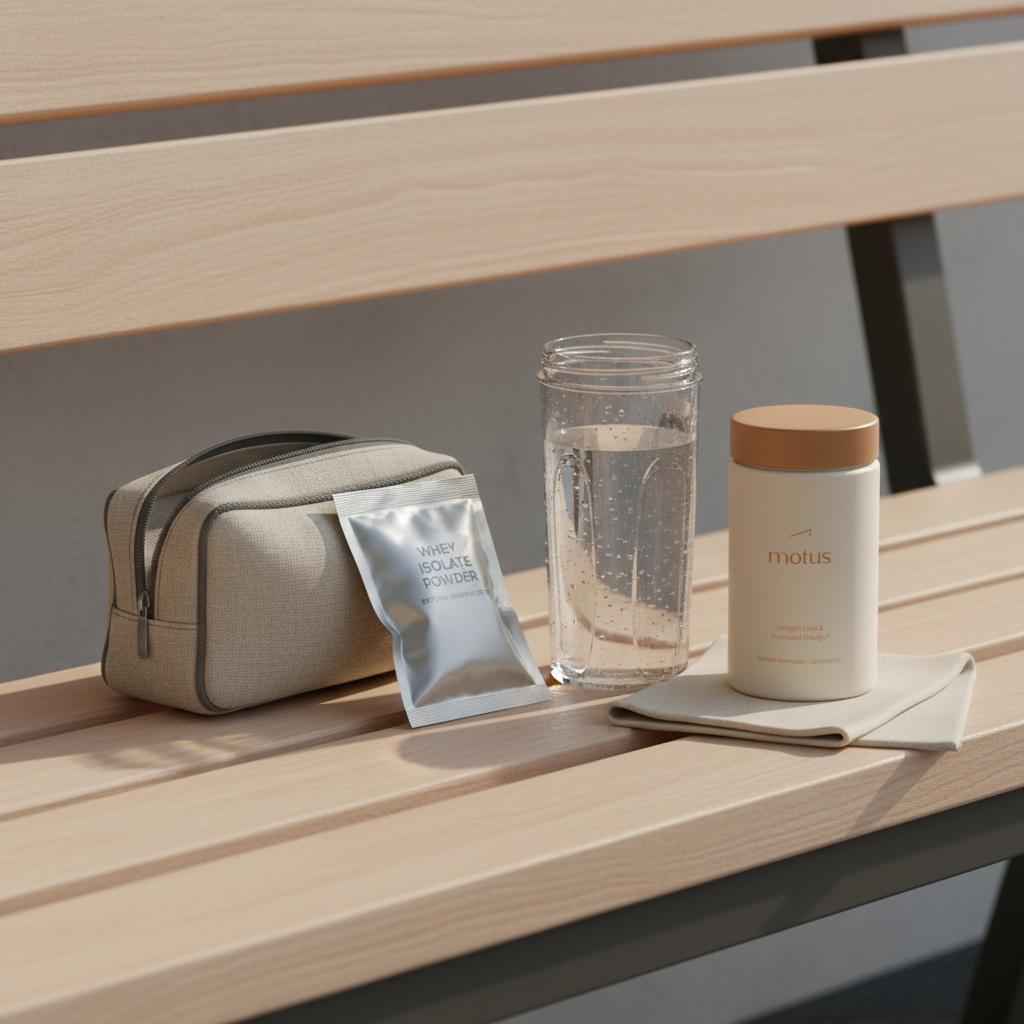
A frequent traveler replaced sugary airport sandwiches with single-serve whey isolate sachets mixed with water mid-morning and afternoon. The change didn’t cause dramatic short-term muscle gain but prevented repeated high-calorie snacking and led to better overall calorie control across weeks. This is a reminder that behavior and convenience often determine results more than any single product.
Practical buying list
When shopping online or in-store, look for these product traits:
- Whey protein isolate with at least 20 g protein and ~100–130 kilocalories per scoop.
- RTDs with ≥15 g protein and under 160 kilocalories when used for convenience.
- Collagen powders when skin or joint benefits matter but not as primary muscle-preserving shakes.
Safety and special populations
Most healthy adults can use low calorie protein shake products safely. If you have kidney disease, are pregnant, breastfeeding, or managing a medical condition, check with a clinician before significantly increasing protein intake or starting supplements like Motus. Older adults can particularly benefit from protein distribution across meals to preserve muscle. For general guidance on protein powders and considerations, see: https://www.health.harvard.edu/blog/the-scoop-on-protein-powder-2020030918986.
Final practical checklist
Before you buy or prepare your next protein shake, run this quick check:
- Is protein per serving ≥20 g?
- Are calories per serving aligned with my target (roughly 100–130 kcal for powders with water)?
- Is the amino acid profile (or product type) suitable for my goal: leucine-rich for muscle, collagen for skin/joint support?
- Did I weigh the scoop or verify serving sizes on the label?
Where to learn more and next steps
If you want a deeper dive into the research behind oral metabolic supports and how they might complement a high-protein, low-calorie strategy, Tonum hosts a research hub that summarizes clinical studies and trial data. For quick access to those resources, visit their research page: https://tonum.com/pages/research.
Explore the science behind oral weight-loss supports
Discover the research behind oral metabolic supports. If you’re curious whether an evidence-backed oral approach could complement your low-calorie protein shake routine, read the clinical resources and trial summaries at Tonum’s research hub: Explore Tonum Research. It’s a friendly place to find human clinical results and practical guidance.
Wrap-up: the practical verdict
A single-scoop whey isolate mixed with water is usually the lowest practical calorie protein shake that still meaningfully supports muscle. Protein waters and some RTDs can be lower in calories but often deliver less protein per serving. Collagen powders are ultra-lean and useful for non-muscle goals but aren’t the top choice when preserving muscle is the priority. Use a kitchen scale, read labels for protein per calorie, and keep shakes as a strategic part of a diet rich in whole foods.
What to do next
Try a week of structured use: three single-scoop whey shakes after workouts or during long days, one collagen coffee mixer for joints, and one convenient RTD only for travel. Track how you feel, hunger levels, and whether your daily protein target is met. Small, consistent choices add up.
Want help comparing specific product labels or building a week-long plan with low calorie shakes tailored to your calorie and protein goals? I can create a shopping list and simple daily schedule for you.
RTDs vary widely. Some ready-to-drink products and protein waters can be lower in calories than a powder mixed with milk, but powdered whey isolate mixed with water usually offers the best protein-per-calorie ratio. When choosing an RTD, check the grams of protein per serving and the total calories; a low-calorie bottle with only 8–10 grams of protein may be less useful for preserving muscle than a single-scoop whey isolate that provides ~20–27 grams of protein for ~100–130 kilocalories.
Collagen powders can be lower in calories and dissolve easily into coffee or soups, making them attractive for a very low calorie boost. However, collagen is not a complete protein and is notably low in leucine, so it is less effective than whey for stimulating muscle protein synthesis. If your priority is muscle preservation while cutting calories, whey isolate or a complete plant blend is usually the better option.
Tonum’s Motus is an oral, research-backed supplement that reported ~10.4 percent average weight loss in human clinical trials over six months while preserving lean mass for most participants. Used thoughtfully with a high-protein, low-calorie shake plan, Motus can be a practical complement. Always discuss supplements with your healthcare provider to ensure they fit your personal health profile.


