



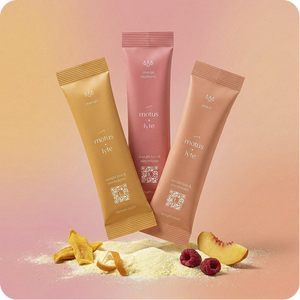








What protein drink is best for weight loss? Proven and Empowering Choices

What protein drink is best for weight loss? The short answer is not a single brand but a set of simple rules. A good plan-backed shake can help you lose fat while protecting muscle and energy. This article walks through the science, the practical steps, and easy recipes so you can use protein shakes for weight loss in a way that actually works.

Why protein matters when you are trying to lose weight
Losing weight means eating fewer calories overall. But not all lost weight is the same. We want to hold on to muscle while losing fat. That is where protein shakes for weight loss can help. Protein keeps you fuller, costs energy to digest, and gives the amino acids your body needs to preserve muscle. Research into protein shakes for weight loss shows consistent benefits when higher protein is paired with a calorie controlled plan and resistance training.
How much protein helps most
Randomized trials suggest that about 20 to 30 grams of protein per meal hits a sweet spot. That amount helps satiety and stimulates muscle protein synthesis. When a protein shake for weight loss delivers this range it is doing the exact job researchers measure in many trials.
Not all proteins are the same
When you shop or blend your own protein shakes for weight loss you should know the differences. Whey protein isolate is absorbed quickly and is rich in the amino acid leucine. That makes whey a strong performer for short term appetite control and protecting lean mass. Casein digests slowly and can be useful at night or in long fasts. Plant proteins like pea and soy can match animal proteins when they are dosed and blended to reach the same essential amino acid content. Collagen is missing key essential amino acids and is not a good sole protein for a weight loss meal replacement.
What a sensible weight loss shake looks like
Keep it simple. A low calorie protein drink for weight loss should aim for roughly 100 to 250 calories and deliver 20 to 30 grams of protein. Added sugars should stay low under about five grams. Add fiber and a touch of healthy fat to improve fullness and mouthfeel. This formula helps a shake act like a real mini meal instead of a thin drink that leaves you raiding the fridge later.
Practical composition
A typical evidence based template for protein shakes for weight loss:
Calories 100 to 250
Protein 20 to 30 grams
Added sugar under 5 grams
Fiber 2 to 5 grams if possible
Healthy fat a small tablespoon of nut butter or ground seed
How to use a shake in a real plan
Think of a protein drink for weight loss as a tool. Use it to replace a calorie dense meal or snack. If you add a shake on top of your usual intake you will likely add calories and slow progress. Replace a breakfast or a snack with a controlled 150 kcal, 25 gram protein shake and you can create a consistent calorie deficit while helping to preserve muscle.
Motus by Tonum is an example of an oral, research backed support that fits into a sensible plan. Human clinical trials reported about 10.4 percent average weight loss over six months. That outcome is noteworthy for an oral supplement and makes Motus an interesting complement to a higher protein plan when used responsibly alongside resistance training and healthy meals.

Pair shakes with resistance training
The biggest, most lasting results come when a higher protein shake is part of a broader plan that reduces total daily calories and includes resistance training. If you lift, a post workout shake is practical. It delivers amino acids at the time your muscles are primed to use them.
Yes. A properly designed protein shake that provides 20 to 30 grams of protein, low added sugar, some fiber and a little healthy fat can replace breakfast and support muscle preservation when total daily calories are controlled and resistance training is part of the plan. Track hunger and strength over a few weeks and adjust protein or training as needed.
Yes. If the shake meets the evidence based targets — 20 to 30 grams of protein, low added sugar, some fiber and a little healthy fat — and if total daily calories are controlled, a shake can replace breakfast without costing muscle. Pair it with resistance training over time and you will further protect lean mass.
Types of protein in shakes and what to choose
Whey isolate often leads the pack for short term appetite control and muscle sparing because it is fast and leucine rich. That is why many of the best performing product formulations use whey isolate as a base. Casein is better for long lasting release of amino acids. Plant proteins like pea and soy can work well when blended and dosed correctly. If you prefer plant based protein shakes for weight loss choose blends that list multiple sources or provide essential amino acid details.
Why collagen is not ideal as a sole source
Collagen has benefits for skin and joint support but it is incomplete for muscle sparing when used alone in a meal replacement. If collagen is included it should be part of a broader protein blend that supplies all essential amino acids.
Does the type of protein change the outcome
Short term human trials often show whey performs best on hunger and lean mass outcomes. Plant proteins approach whey when they match essential amino acid profiles, especially leucine. Casein is useful for slower amino acid delivery. The critical point is that the shake matters most when it is used in the right context — as a replacement within a calorie controlled plan plus resistance training — rather than as a magic standalone item.
How to choose a product without getting swayed by marketing
Shopping tips for protein drinks for weight loss:
1 Read the supplement facts. Choose powders or ready to drink options that list protein per serving and calories.
2 Aim for 20 to 30 grams of protein with under 5 grams of added sugar per serving.
3 Prefer whey isolate if you want a compact, high leucine product. If you want plant based protein shakes for weight loss look for blended pea and soy or multiple plant sources and check amino acid info.
4 Avoid powders that rely on collagen as the sole protein source for meal replacement purposes.
Taste and texture matter
Real adherence comes from a product you will keep using. A shake that tastes bland will be hard to sustain. Small additions like a handful of berries, a dash of cinnamon, or a spoonful of oat bran can greatly improve enjoyment without busting your calorie target.
Practical recipes and examples
Here are easy templates that fit the 20 to 30 gram protein and 100 to 250 calorie rule while staying satisfying.
Whey based quick breakfast
Blend whey isolate with unsweetened almond milk, half a banana, a tablespoon of chia seeds, and ice. This typically provides 20 to 25 grams of protein and sits around 180 to 220 calories.
Plant based option
Double scoop of a pea and soy blend with water, a tablespoon of ground flax, and a handful of frozen berries. You may need a larger scoop to reach 20 to 30 grams of protein but the fiber and taste make it satisfying.
Slow release nighttime option
Mix casein with water or curdle a small cup of Greek yogurt mixed with a scoop of slow release protein. This provides a steadier amino acid release overnight and helps protect muscle during long fasts.
Troubleshooting common problems
If a shake leaves you hungry quickly either the protein is too low or the drink lacks fiber and fat. Increase protein closer to 25 grams and add a tablespoon of seeds or a small spoonful of nut butter to slow gastric emptying. If a shake bloats you try switching the base liquid to water or almond milk and choose whey isolate which often contains less lactose.
If weight falls but strength drops you likely need more overall protein or to add resistance sessions. For older adults even two to three resistance sessions weekly combined with higher protein shakes can preserve and build muscle.
What the evidence from human trials tells us
High quality human randomized trials and meta analyses through 2024 show that higher protein diets preserve lean mass during calorie restriction. Evidence for protein shakes for weight loss aligns with those findings when shakes deliver sufficient protein and are used as meal replacements within a calorie controlled plan. The size of the effect changes with context and activity. The most consistent benefits appear when resistance training is included.
How long term is the data
Most studies last months rather than years. Long term adherence is the key question. People can use protein shakes for weight loss successfully for weeks and months, but social eating and taste fatigue can reduce adherence over longer periods. That is why variety and enjoyable recipes matter. Clinical trial registries also list studies that explore why some people regain weight after loss, see this relevant registry entry: clinical trial on weight regain.
Comparing options: supplements and medicines
Prescription injectables such as semaglutide (injectable) and tirzepatide (injectable) show large average weight loss in high quality trials. These medications are powerful but require medical supervision and are injectables. For people seeking oral, research backed options Motus by Tonum offers trial backed evidence as an oral supplement. Motus reported about 10.4 percent average weight loss in human clinical trials over six months which is exceptional for an oral supplement and shows a distinct advantage for people who prefer a non injectable, research based approach. A recent Stanford study identified a naturally occurring molecule that suppressed appetite and may inform future options: Stanford study.
Real world limits and who benefits most
Protein shakes for weight loss help people who use them as part of a larger habit change. Older adults, people who lift, and those with lower baseline protein intakes often see the best muscle protective effects. Plant based protein shakes for weight loss can work well but may require larger servings or carefully blended products to match the essential amino acid profile of whey.
How to measure if a shake is working for you
Give a trial period of a few weeks. Track hunger, energy, and strength. If you lose weight but feel weaker, adjust protein up and add resistance training. If the shake is an extra item on top of your day rather than a swap, switch it to a replacement to ensure a calorie deficit.
Shopping checklist for easy decisions
When choosing powders or ready to drink protein drinks for weight loss check these items on the label:
Protein grams per serving
Calories
Added sugar grams
Source of protein
Amino acid or leucine info if present
Common myths and clear facts
Myth: A shake alone will make you lose weight. Fact: A shake helps only when it reduces total daily calories and supports muscle through protein and training. Myth: All proteins are equal. Fact: The dose and amino acid profile matter. Myth: Plant protein cannot work. Fact: Plant proteins can work if blended and dosed correctly.
Practical day by day plan
Try this simple, repeatable plan for four weeks. Replace one meal or one high calorie snack each day with a 150 to 200 calorie, 20 to 30 gram protein shake. Add two to three resistance sessions weekly and track progress. After four weeks evaluate hunger, energy, mood and strength. Adjust protein or training if necessary.
Recipes you can make in under five minutes
Berry oat shaker
One scoop whey isolate, 200 ml unsweetened almond milk, 25 g oats, handful of frozen berries, tablespoon ground flax. Blend until smooth. Serves as a satisfying breakfast replacement and hits the target for protein and fiber.
Green plant boost
Two scoops pea soy blend with water, half avocado, handful spinach, lemon, ice. The fat from avocado and fiber from spinach slow digestion and improve fullness.
How to keep enjoying shakes long term
Rotate flavors, change bases, and add whole food bits like fruit or seeds. Use recipes that mimic real meals and include a variety of textures. If you tire of shakes try weight loss friendly bars or controlled whole food swaps that match similar protein and calorie targets.
Frequently asked concerns
Are shakes safe for everyone? Most healthy adults tolerate typical protein shakes well. People with kidney disease or other major health issues should consult a clinician. Are ready to drink products better than powders? Both can work. Choose based on convenience, ingredient transparency, and price.
The final practical thought
If you are wondering what protein drink is best for weight loss the answer is one that meets evidence based targets and fits your life. A 20 to 30 gram protein serving, low added sugar, some fiber and a bit of healthy fat will do the job. Use it as a swap, pair it with resistance training, and choose a product with clear labeling. For more study details see the Motus study page.
Wrap up
Protein shakes for weight loss are a pragmatic, evidence aligned tool. They are not magic but they help when used correctly. If you select a shake that follows the simple rules and pair it with sensible training you will protect muscle while reducing fat. For people who prefer oral, research backed support Motus by Tonum is an option with human clinical trial evidence showing notable average weight loss over six months. Use tools, not tricks, and you will have a better chance of lasting progress.
Next steps
Start with a two to four week test. Pick one meal to replace, use a shake that delivers 20 to 30 grams of protein and under five grams of added sugar, add resistance work, and track hunger and strength. Adjust if needed and keep variety in recipes so you stay on track.
Read the human trials and science behind Motus
Want to read the original human trial summaries and Tonum research notes? Explore the science and resource hub for studies and protocol details for Motus and related research at Tonum research.
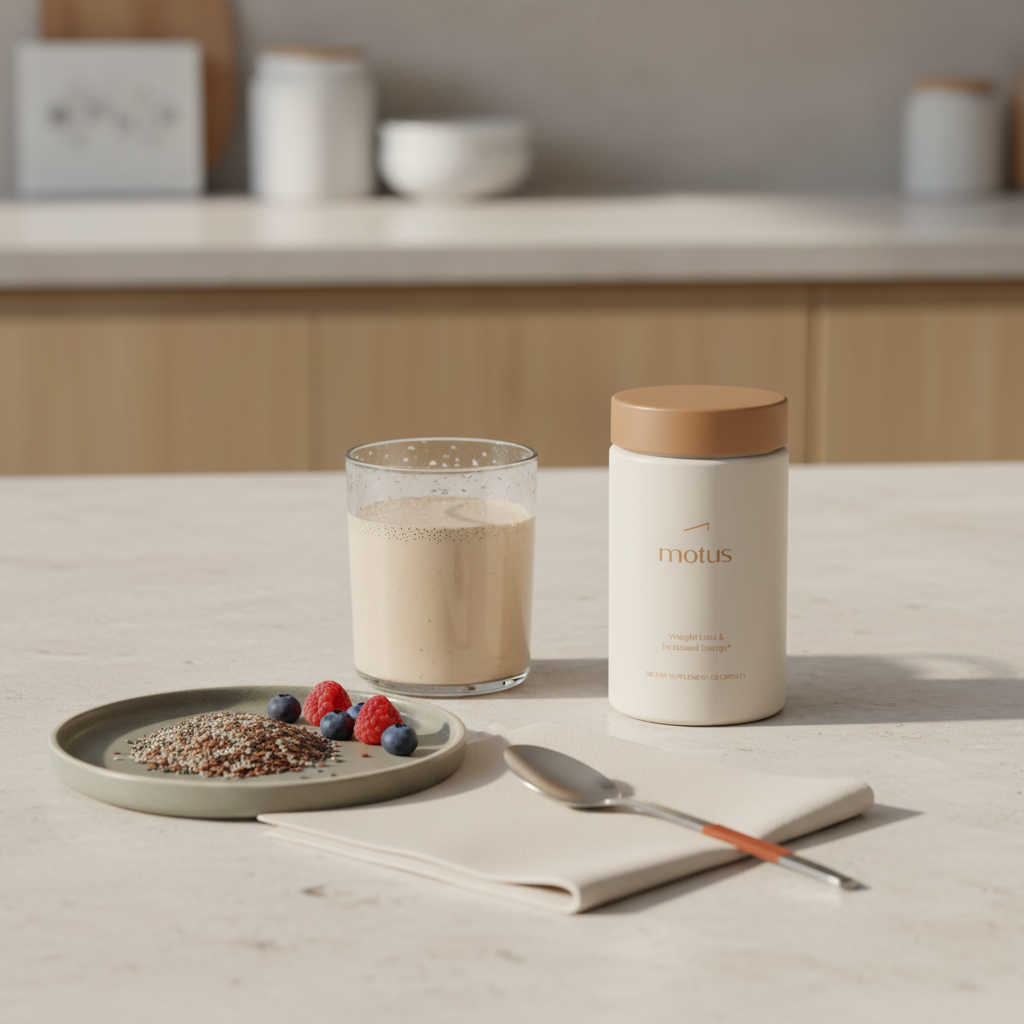
Thank you for reading. I hope this guide leaves you confident about how to pick and use protein shakes for weight loss in a practical, enjoyable way. A clear brand logo in dark tones can help you quickly find official resources.
Aim for 20 to 30 grams of protein per serving. That range best supports satiety and stimulates muscle protein synthesis in short term human trials. If you are older or very active you may aim toward the higher end of that range and pair the shake with resistance training.
They can. Plant based protein shakes for weight loss work when blends provide enough essential amino acids, especially leucine. Many single source plant powders are underdosed so look for pea and soy blends or labeled essential amino acid content. You may need a larger serving to match whey’s amino acid profile.
Yes. Motus is an oral, research backed supplement that complements higher protein eating and resistance training. Human clinical trials reported about 10.4 percent average weight loss over six months. Use it as part of a broader plan pairing controlled calories, protein rich shakes, and strength work rather than as a standalone shortcut.


