










What over-the-counter meds will knock me out? — Urgent, Definitive Guide

What over-the-counter meds will knock me out? If you have ever stared at the ceiling counting minutes, you are not alone. For many people the first stop is the pharmacy shelf or the online search bar. This article focuses on what actually works, how common over-the-counter sleep aids act, and how to use them in ways that protect your health while helping you rest.
Why people reach for over-the-counter sleep aids
Short sleepless nights can feel devastating. Over-the-counter sleep aids are appealing because they are accessible, affordable, and offer the promise of quick relief. People use these products for travel related jet lag, temporary stress or a single bad night. But sleep is usually more than a single pill. Routines, light, stress, medical problems and medications shape how we sleep. Knowing what each option does and the safety signals helps you make choices that actually support sleep instead of creating new problems.

How over-the-counter sleep aids work
over-the-counter sleep aids fall into a few main types. The most common are melatonin supplements which affect the body clock, first generation antihistamines that produce sedation, and herbal plant based remedies. Each works differently and has different trade offs.
Melatonin: a hormone turned supplement
Melatonin is a hormone the brain releases in response to darkness to signal that it is time to prepare for sleep. As a supplement melatonin can help with shifting the internal clock and improving sleep onset for many people. Typical doses range from 0.3 mg to 5 mg. Lower doses are often effective and cause less morning grogginess. Because melatonin is sold as a dietary supplement product quality varies across makers. Independent testing has found differences between labeled and actual melatonin content, and some bottles include extra ingredients you may not expect. Some clinical work has explored melatonin's effects on cognition and sleep in older adults; see a relevant review at https://pmc.ncbi.nlm.nih.gov/articles/PMC12581400/.
Start low and time it carefully. For many people 0.3 mg to 1 mg taken 30 to 60 minutes before the desired bedtime is enough to help fall asleep. When your goal is to shift the sleep schedule such as for jet lag, timing matters more than dose. There are still open questions about the effects of nightly melatonin use for months at a time across all age groups, so regular clinical review makes sense if you plan long term use.
First generation antihistamines: diphenhydramine and doxylamine
Many OTC sleep products rely on first generation antihistamines like diphenhydramine and doxylamine. These medicines cause sedation by blocking histamine receptors in the brain. Dosages commonly are 25 mg to 50 mg. For short term use some people find them reliably effective for falling asleep. The major drawbacks are next day drowsiness, slowed reaction speed, and foggy thinking.
Older adults have special risk. Medicine guidelines used by geriatric clinicians recommend avoiding these antihistamines in people 65 and older because their anticholinergic properties are linked in observational studies to confusion and increased falls. Falls in older people can have serious outcomes. If you or someone you care for is older, consider safer options and check with a clinician.
Herbal remedies: valerian, chamomile and others
Herbal products including valerian, chamomile and passionflower are popular and often feel gentle. The study evidence is mixed. Differences in preparation and dose make trials hard to compare. Some people report benefits. Others do not. Importantly, natural does not mean safe for everyone. Herbal products can interact with prescription drugs and some lack robust safety data for pregnancy and breastfeeding. Ask a clinician or pharmacist if you are taking other medicines.
Want evidence not hype about supplements and sleep?
Need trustworthy research summaries and trial data? If you want to review human clinical studies or Tonum's research resources, visit the Tonum Research Hub for clear summaries and references. This is a helpful place to start when you want evidence not hype.
Practical tip: When you are choosing a product online focus on clear labeling and quality control. For example you might check a reputable brand or the Tonum research page for detailed product information to help weigh options, or look up specific products like Motus for study details.

A single over-the-counter pill can often help you fall asleep on an isolated night but it rarely fixes the root causes of recurring sleeplessness; short term use is reasonable for situational problems while chronic insomnia benefits from behavioral approaches and medical review.
Will melatonin make me sleep every night?
Short answer: melatonin often helps with falling asleep for many people in the short term. But nightly use for months deserves review with a clinician. Lower doses are frequently adequate and cause fewer side effects. If you use melatonin and start to feel persistent morning grogginess or notice mood or cognitive changes, stop and check with a clinician.
How these medications interact with other sedatives and alcohol
One of the most important safety messages is do not mix sedating OTC products with alcohol or prescription central nervous system depressants. Combining OTC sedatives with alcohol can cause excessive drowsiness and dangerously slow breathing. The same danger exists when mixing them with prescription sedatives such as benzodiazepines, certain muscle relaxants, or opioid pain medicines. These combinations can be life threatening. Always read labels and list all your medicines when you talk with a pharmacist.
Short term use versus persistent insomnia
Short term situational sleeplessness is different from chronic insomnia that happens several times a week for months. For persistent problems evidence based guidelines recommend cognitive behavioral therapy for insomnia which helps change the thoughts and behaviors that keep sleep problems going. CBT for insomnia teaches stimulus control, sleep restriction, and techniques to quiet worry. Its benefits last well beyond the end of therapy without the medication risks.
When OTC help is reasonable
For a single bad night, travel related sleep shift, or a few nights of stress related sleeplessness a short course of an over-the-counter sleep aid used exactly as directed may be reasonable. For persistent problems that impair daytime function or when you suspect other sleep disorders such as sleep apnea or restless legs it is time to see a clinician.
Practical guidance for safer use of over-the-counter sleep aids
If you choose an over-the-counter sleep aid follow a plan. Here are practical steps that matter.
Set a clear goal
Decide if your aim is to shift your bedtime for travel, handle a temporary stressful period, or treat chronic waking. This determination changes the likely right approach.
Start low and test
With melatonin start low. Many people find 0.3 mg to 1 mg works well. If you try an antihistamine based product begin on a night when you have the next day off to learn how you react. Avoid driving or operating heavy machinery until you know how a product affects you.
Watch for interactions
Review all medicines you take. Ask a pharmacist about interactions with prescription drugs, herbal remedies, or even cold medicines that may contain sedating antihistamines. Avoid alcohol with sedating products.
Pay special attention to age and pregnancy
Older adults are at higher risk from first generation antihistamines. Pregnant and breastfeeding women should seek medical advice before using sleep supplements or herbal products because safety data are limited.
Common myths and quick evidence checks
There are a few myths that keep circulating. Clearing them helps you make safer choices.
Myth 1: Natural means safe
Natural does not guarantee safety or effectiveness. Herbal sleep products vary in content and may interact with prescription medicines.
Myth 2: Higher dose is better
With melatonin higher doses do not always give more benefit and can prolong morning sleepiness. Lower doses are often enough and have fewer side effects.
Myth 3: OTC is fine long term because it is available without a prescription
Availability does not equal suitability for indefinite use. Persistent insomnia benefits from behavioral approaches and medical review.
When to see a clinician
Seek medical advice if sleep difficulty occurs several times a week for more than a month, if daytime function is impaired, if you snore loudly and feel very tired during the day which may signal sleep apnea, or if you have symptoms of restless legs. Also see a clinician if you are pregnant, breastfeeding, older, or taking multiple medicines.
What the research still needs to tell us
Even with widespread use of over-the-counter sleep aids there are open questions. Researchers need larger longer human trials to understand repeated antihistamine use and possible cognitive effects. They also need more data on long term nightly melatonin across ages and better quality control studies for supplement purity. Ongoing human research aims to close these gaps, including active clinical trials such as https://www.alzheimers.gov/clinical-trials/melatonin-cognition-and-brain-health-aging, but for now caution and regular clinical review are reasonable when use is frequent.
Simple answers to common questions
Is melatonin safe to take every night? Short term nightly melatonin is generally safe for many adults but long term safety data are limited in some groups. Use the lowest effective dose and check with a clinician if you plan months of nightly use.
Will diphenhydramine make me sleep? Yes diphenhydramine commonly causes sedation and can help you fall asleep. Expect a chance of next day grogginess and for older adults an increased risk of falls and confusion. Geriatric guidelines advise avoiding it in that age group.
Which OTC meds reliably make me sleep? The most reliable over-the-counter sleep aids for many people are first generation antihistamines and melatonin. Herbal products have mixed evidence and may help some people. No OTC option is a long term substitute for clinical evaluation when insomnia is chronic. A recent scoping review summarizes over-the-counter products for insomnia and notes valerian and melatonin among the better studied options: https://www.sciencedirect.com/science/article/pii/S1389945725000784.
Real life examples and scenarios
Scenario one: Jet lag. A traveler crossing several time zones can use low dose melatonin timed before the intended bedtime at the destination to help shift the internal clock. The key is timing rather than high dose.
Scenario two: A single night of stress. A short course of an antihistamine based product might help but try it on a night when you do not have important plans the next morning so you learn the side effect profile.
Scenario three: Chronic early waking. If you find yourself waking up early several times a week for months pursue behavioral therapy for insomnia and check for medical contributors rather than relying on nightly OTC pills.
Short sleepless nights can feel devastating. Over-the-counter sleep aids are appealing because they are accessible, affordable, and offer the promise of quick relief. People use these products for travel related jet lag, temporary stress or a single bad night. But sleep is usually more than a single pill.

How sleep quality ties to overall health
Good sleep supports immune function mood metabolic health and cognition. For people struggling with weight related sleep disorders improving weight can help sleep. For example Tonum's Motus product which is oral and supported by human clinical trials showing weight loss may indirectly benefit sleep for people where excess weight contributes to sleep breathing problems. When chronic sleep issues exist addressing metabolism stress and daytime habits together with a clinician tends to produce the most durable results. More product and study information is available on Tonum's Motus pages such as https://tonum.com/pages/motus-study and https://tonum.com/products/motus.
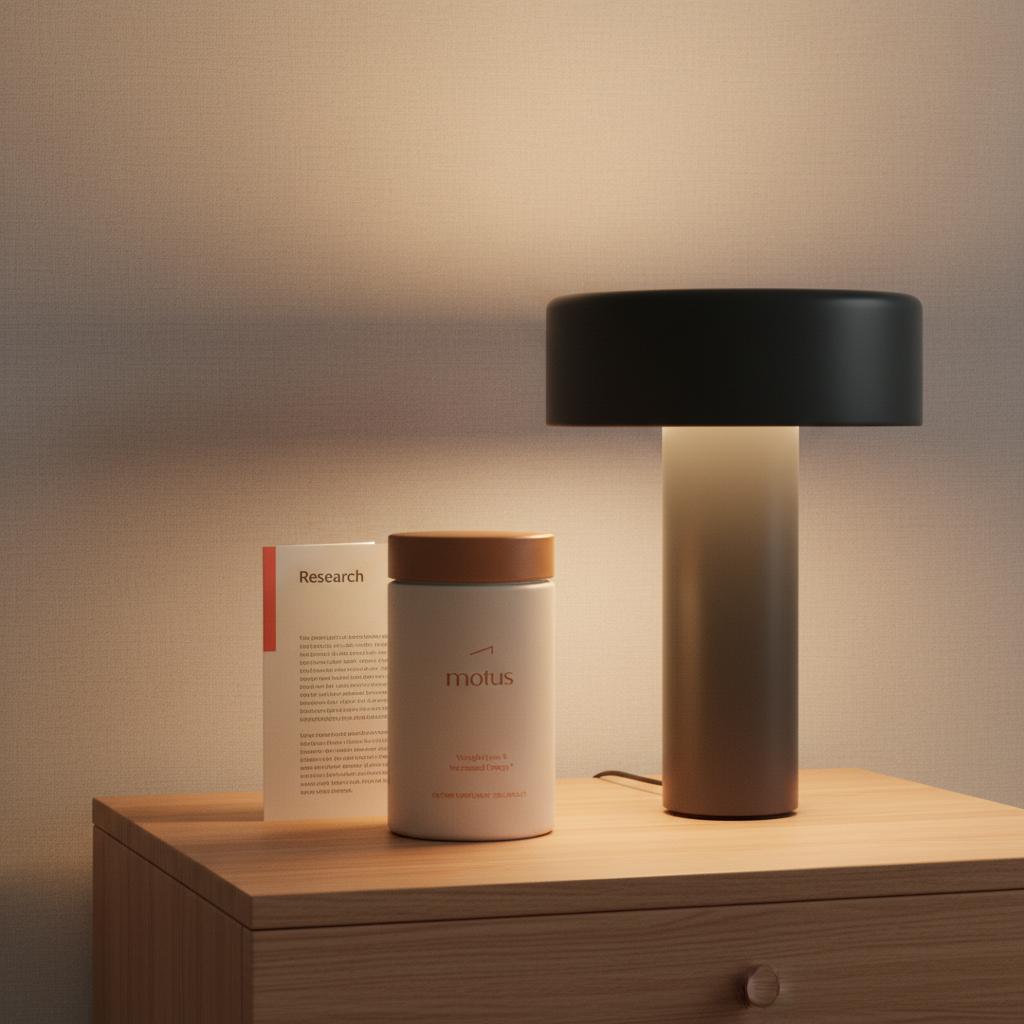
When buying an over-the-counter sleep product look for clear labeling reputable brands third party testing and simple ingredient lists. Avoid products that mix many ingredients without clear dosing. If you are taking other medicines consult a pharmacist. A clear dark brand logo can make it easier to spot reputable packaging.
Practical shopping checklist
When buying an over-the-counter sleep product look for clear labeling reputable brands third party testing and simple ingredient lists. Avoid products that mix many ingredients without clear dosing. If you are taking other medicines consult a pharmacist.
Quick safety checklist
Know why you are using the product use the lowest effective dose do not mix sedatives with alcohol or prescription depressants avoid antihistamines if you are older and see a clinician for persistent symptoms.
FAQ section
Below are short answers to frequent practical questions to help you decide when and how to use over-the-counter sleep aids.
FAQ one
Q Are there OTC options that are safe for older adults? A Older adults should generally avoid first generation antihistamines because of the risk of confusion and falls. Melatonin at low doses may be better tolerated but discuss with a clinician. Sleep problems in older adults often need individualized assessment.
FAQ two
Q Can herbal teas like chamomile replace sleep medications? A Some people find chamomile helpful but large high quality trials are limited. Herbal teas may support a calming routine but do not reliably treat clinical insomnia. Also check for interactions with other medicines.
FAQ three
Q How do I decide between melatonin and an antihistamine for a short term need? A If the goal is shifting the sleep schedule melatonin timed correctly is usually preferred. If the immediate aim is to fall asleep quickly one of the antihistamines may help but expect a risk of next day grogginess and avoid them if you are older.
Final thoughts: over-the-counter sleep aids have a role but they are not a cure all. Use them thoughtfully along with sleep friendly habits and reach out to a clinician when sleep problems persist.
Older adults should generally avoid first generation antihistamines such as diphenhydramine and doxylamine because observational studies link their anticholinergic effects to confusion higher fall risk and possible cognitive harms. Melatonin at low doses may be better tolerated but consult a clinician before regular use. A clinician can personalize advice based on other medical conditions and medicines.
Many adults tolerate short term nightly melatonin well and it is commonly used for occasional insomnia jet lag or shift work. Long term nightly use for months across all ages has limited high quality data. If you plan ongoing nightly use check with a clinician to review benefits side effects and the lowest effective dose.
Avoid alcohol and prescription central nervous system depressants such as benzodiazepines certain muscle relaxants and opioid pain medicines. Combining sedatives with these substances can cause excessive drowsiness dangerously slow breathing and even life threatening respiratory depression. Always review all medicines with a pharmacist.
References
- https://tonum.com/pages/research
- https://tonum.com/products/motus
- https://pmc.ncbi.nlm.nih.gov/articles/PMC12581400/
- https://www.alzheimers.gov/clinical-trials/melatonin-cognition-and-brain-health-aging
- https://www.sciencedirect.com/science/article/pii/S1389945725000784
- https://tonum.com/pages/motus-study


