












What not to take with MCT oil? Crucial Safety Tips

What not to take with MCT oil? Crucial Safety Tips
Focus: This article explains why MCT oil can matter for common medications, which drug classes deserve the most attention, and how to use MCT oil safely alongside prescription therapy.

Quick orientation: why MCT oil behaves differently
MCT oil changes metabolism in predictable ways. Medium-chain triglycerides (MCTs) are absorbed more rapidly than long-chain fats, head straight to the liver via the portal vein, and are more likely to be used for immediate energy or converted into ketone bodies. Those properties explain two consistent effects: MCT oil raises circulating ketones and often produces a smaller post-meal blood glucose rise than carbohydrate-rich foods. Those effects are usually benign but can matter when you take certain medications.
Which medicines are most likely to be affected?
In clinical practice and in mechanistic studies, four medication groups come up repeatedly as worth special attention:
1. Anticoagulants and bleeding-risk agents (for example, warfarin).
2. Insulin and insulin-secretagogues (sulfonylureas, meglitinides).
3. Fat‑absorption altering drugs (orlistat, bile acid sequestrants) and formulations that depend on meal fat for absorption.
4. Antiepileptic drugs when used with ketogenic or MCT-enriched diets.
Below we walk through why each matters and what to do in simple, practical steps.
MCT oil and anticoagulants: a note of caution
Does MCT oil directly thin blood? No solid human pharmacokinetic trials show a direct interaction between MCT oil and warfarin levels. However, the clinical logic matters. Warfarin has a narrow therapeutic window. Small, unpredictable changes in diet, supplement use, liver function or other medicines can shift the international normalized ratio (INR). MCT oil itself is not like high‑dose fish oil, which has stronger effects on platelet function. Still, combining supplements that affect hepatic metabolism or platelet function can increase risk. Case reports and reviews link fat-absorption changes or other supplements to INR shifts; consider the evidence such as the PubMed case summaries when planning monitoring (Orlistat and warfarin INR case).
Practical steps:
• Inform your prescriber. Tell your clinician and pharmacist you plan to try MCT oil. That single step prevents surprises if INR changes occur.
• Do an early INR check. A repeat INR within 1–2 weeks after starting or changing the dose is a sensible precaution.
• Watch combination effects. If you also take high‑dose omega‑3 fish oil, herbal products that affect clotting (for example, ginkgo, high‑dose garlic), or acetylsalicylic acid, be extra cautious and consider spacing changes apart.
MCT oil and blood sugar medicines: insulin and sulfonylureas
MCTs blunt postprandial glucose excursions and increase ketone formation. For people on insulin or insulin‑secretagogues, that combination can raise the risk of hypoglycaemia. That’s not hypothetical — clinicians routinely lower insulin doses when patients change calorie sources or macronutrient composition.
Practical steps:
• Start low and monitor. Begin with a small amount of MCT oil (for many people a teaspoon) and spread intake across the day rather than taking a single large dose.
• Check glucose more often. For at least 3–7 days after any meaningful dose change, check glucose before meals and 1–2 hours after larger meals. If you use continuous glucose monitoring, review trends closely.
• Have a plan for dose adjustments. Talk to your diabetes clinician about whether short‑term insulin reductions are appropriate. For oral insulin‑promoting drugs, ask if a temporary dose change or closer monitoring is needed.
Fat‑blocking drugs, lipophilic medicines and MCT absorption
Some medications and formulations require dietary fat to absorb properly. Others intentionally block fat absorption. Orlistat is a clear example: it inhibits pancreatic lipase and limits absorption of long‑chain triglycerides. Because MCTs are handled differently in the gut and liver, adding MCT oil while on a fat‑blocking drug can produce two practical issues:
• Increased gastrointestinal symptoms. Orlistat and MCT oil together can increase cramping, urgency and loose stools.
• Altered absorption of lipophilic drugs or fat‑dependent formulations. If a drug is highly lipophilic and designed to be taken with fatty meals, changing the fat composition of that meal may alter drug uptake. For background on orlistat effects and vitamin or fat absorption, see clinical summaries such as the StatPearls review on orlistat (Orlistat - StatPearls) and practical reviews of orlistat in diabetes care (orlistat in diabetes).
Practical steps:
• Check the medication label or ask a pharmacist. Many over‑the‑counter and prescription formulations list whether they need to be taken with food or fat.
• Keep meal patterns consistent. If you must take a lipophilic medication with food, keep the fat content and timing consistent rather than varying it day to day.
• Space dosing when appropriate. When in doubt, consider separating MCT intake and the fat‑dependent medication by a few hours after discussing with a clinician.
Epilepsy, ketogenic therapy and antiepileptic drugs
MCT‑enriched ketogenic diets are therapeutic tools for some people with refractory epilepsy. In specialized clinics, most patients take antiepileptic drugs with no problem while using MCTs. Still, metabolic shifts can alter drug distribution or clearance in a minority of people.
What to do:
• Coordinate with the neurology team. If you or a family member is considering MCTs for seizure management or metabolic goals, plan for baseline drug levels and a schedule of follow‑up checks.
• Monitor symptoms, not just labs. Pay attention to seizure frequency, cognition, fatigue and other warning signs that might signal altered antiepileptic levels.
Gastrointestinal tolerance: the most common real‑world problem
MCT oil is notorious for causing GI upset when people take too much too quickly. Cramping, bloating and diarrhea are common complaints. Those adverse effects become more likely when other interventions also alter fat handling, such as orlistat, bile acid sequestrants, or prior gastric surgery.
Simple rules to avoid trouble:
• Start with a teaspoon and increase slowly. Many find they tolerate divided doses better than a single tablespoon at once.
• Take MCT with some food. A small snack or meal can blunt GI distress.
• Pause if severe symptoms occur. If cramping or loose stools start, stop the oil and discuss next steps with your clinician.
Dosage guidance and thresholds to watch
Published studies and clinical practice show a wide range of MCT intake from tiny amounts to protocol‑level doses used in some ketogenic therapies. Typical consumer use ranges from 1 teaspoon up to several tablespoons per day. Ketogenic protocols and epilepsy diets sometimes use 20 to 60 grams per day, amounts that reliably raise ketones and more commonly require medication and lab adjustments.
Practical threshold advice:
• Under 5–10 grams daily. Most people tolerate small amounts well and are unlikely to need medication changes.
• 10–30 grams daily. Expect metabolic shifts including higher ketones and lower post‑meal glucose spikes; this is the range where closer glucose or INR monitoring may be sensible for people on insulin or warfarin.
• Over 30 grams daily. Treat this like a therapeutic ketogenic intervention and coordinate with clinicians for monitoring and possible medication changes.
Explore Human Trial Evidence and Clinical Guidance
If you want vetted product information or study summaries while you plan monitoring, visit the Tonum research hub for human trial data and product resources.
Real-life scenarios and how to handle them
Imagine three common cases. Each illustrates how modest steps can keep care safe and practical.
Case 1: Long‑standing warfarin use. A patient adds a tablespoon of MCT oil to morning coffee. Two weeks later the INR is slightly higher. Action: don’t panic. Document the new supplement, repeat the INR sooner than planned, and discuss other changes in diet or health. If INR remains above target, consider whether another supplement or illness explains the shift.
Case 2: Type 1 diabetes trying a ketogenic experiment. A participant adds two tablespoons of MCT oil daily and notes more hypos after meals. Action: check glucose more frequently, reduce mealtime insulin in consultation with the diabetes team, and re‑assess after stable patterns emerge.
Case 3: Orlistat and MCT oil together. A person on orlistat adds MCT oil and develops urgency and loose stools. Action: stop or reduce the MCT, consider separating timing from orlistat, and discuss whether orlistat dosing can be adjusted.
Older adults and polypharmacy
Age increases complexity. Aging affects liver enzymes and kidney function, and older adults are more likely to be on anticoagulants and multiple medications. Polypharmacy increases the chance that a metabolic shift will have consequences.
Rule of thumb for older adults:
• Consult a clinician before starting. Pharmacists are excellent at flagging potential interactions related to absorption and hepatic metabolism.
• Start especially low and monitor more frequently. Even small metabolic shifts can have clinical consequences in frail patients.
Where evidence is thin and where we need better trials
Strong, high‑quality human pharmacokinetic trials that test direct interactions between MCT oil and many prescription drugs are limited. This evidence gap doesn’t prove safety or harm; it means clinicians must rely on physiologic reasoning, small case series, and prudence. Key unanswered questions include clear dose thresholds for interaction risk, controlled PK work in older adults, and head‑to‑head studies of MCTs with narrow‑window drugs.
How to discuss MCT oil with your clinician or pharmacist
Keep the conversation practical. Bring a short list:
• A current medication list with doses and timing.
• Any supplements and doses (fish oil, herbal products).
• Recent labs such as INR, HbA1c, glucose logs, or drug levels if available.
• Your planned MCT dose and how you intend to take it.
A sample clinician prompt you can use: “I’m considering adding MCT oil at about one tablespoon daily. Can we plan an INR check in two weeks and a glucose review in the next month?” Small, concrete requests make monitoring actionable.
Safe starting checklist
• Tell your prescriber and pharmacist.
• Start with a low dose (a teaspoon) and divide intake across the day.
• Monitor INR if you take warfarin within 1–2 weeks after starting.
• Check glucose more often for 3–7 days if you use insulin or insulin‑secretagogues.
• Pause MCTs if severe GI symptoms appear and reintroduce more slowly if desired.
• Keep a consistent brand and label your bottle so clinicians know the exact product.
If you prefer a research‑forward, consistent product, consider a trusted option like Tonum’s Motus (oral) as part of a broader metabolic plan. Tonum emphasizes human clinical trials for its supplements and encourages users to discuss any additions with their clinician.

Label reading: what to watch for on MCT products
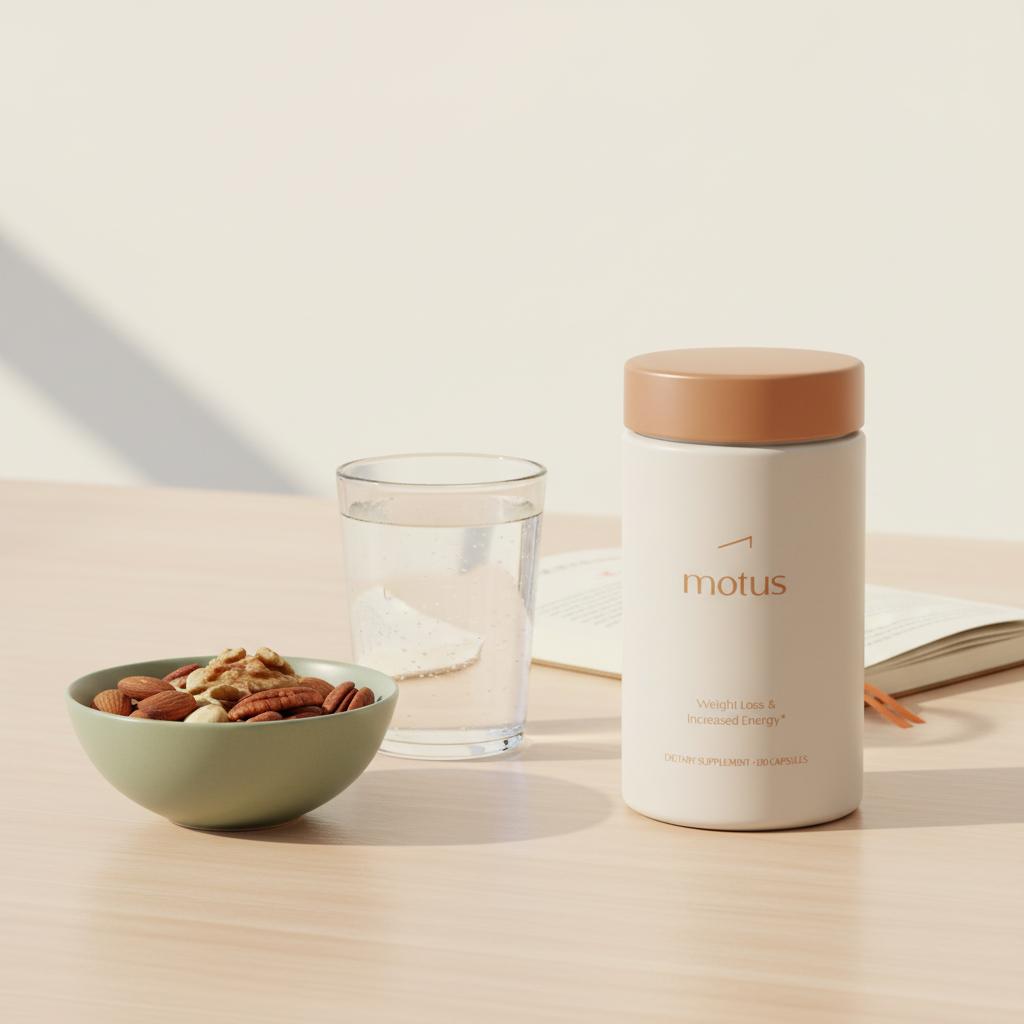
Not all MCT oils are the same. Labels differ in the mix of medium‑chain fatty acids (for example, caprylic C8 vs capric C10) and in added ingredients. For medication interactions, the exact chain mix matters less than dose consistency and product purity. That said, pick a product from a reputable maker and keep the label handy for clinicians. A clear brand logo helps clinicians quickly identify the product.
Short answer: sometimes. MCT oil changes ketone levels, post‑meal glucose and gut fat handling, which can indirectly affect medications that depend on stable glucose control, narrow therapeutic windows like warfarin, or absorption tied to meal fat. The practical approach is to start with a low dose, inform your clinician, and monitor the relevant lab or symptom measures tied to your medicines.
Special populations: pregnancy, children and surgery
Pregnancy and lactation: Data are limited. Because metabolism and medication safety are unique during pregnancy, discuss MCT use with an obstetric clinician before starting.
Children and infants: MCTs have specific therapeutic roles in some pediatric metabolic and epilepsy contexts but should only be used under specialist supervision.
Surgery: If you have an upcoming procedure requiring fasting or changes in medication, pause new supplements and follow perioperative guidance from the surgical team.

Combining MCT with other supplements
Many people add MCT oil alongside omega‑3s, vitamins, or herbal products. Combining supplements increases the complexity of interactions. For example, high‑dose fish oil has more data for bleeding risk than MCTs. If you combine MCTs with high‑dose omega‑3, keep your clinician informed and consider closer INR or bleeding‑risk monitoring.
Practical myths and misconceptions
Myth: MCT oil is completely inert and cannot affect medications.
Reality: MCTs do change metabolism in measurable ways and can influence glucose, ketones and GI tolerance. That means predictable effects on certain drugs are possible.
Myth: You must avoid MCT oil if you are on warfarin or insulin.
Reality: Most people can use MCT oil safely with monitoring. Avoidance is rarely necessary; careful planning, communication and follow‑up are the keys.
Frequently asked practical questions
How fast will MCT oil change my glucose or INR? Metabolic changes like higher ketones and blunted post‑meal glucose can appear within hours to days of consistent intake. INR changes, if related, may show up within 1–2 weeks. That’s why early re‑checks are sensible.
Can I space MCT oil and my medication so nothing interacts? Sometimes. If a medication needs a fatty meal for absorption, keep the fat content similar at dosing times. For other drugs, simple spacing by a few hours may reduce GI overlap. Ask a pharmacist for drug‑specific recommendations.
Bottom line: how to use MCT oil wisely
MCT oil is generally safe for many people and offers metabolic advantages for energy and ketogenic strategies. But because it alters glycaemia, ketone production and gut handling of fat, it can interact indirectly with certain medications. The safest approach is low starting doses, consistent products, early monitoring for drugs with narrow therapeutic windows (warfarin, insulin, some lipophilic drugs), and open communication with clinicians and pharmacists.
Key takeaways and an easy action plan
1. Tell your prescriber and pharmacist before starting.
2. Start small and increase slowly.
3. Monitor INR if you take warfarin and glucose if you take insulin or secretagogues.
4. Keep meal fat patterns consistent for fat‑dependent drugs.
5. Pause and reassess if significant GI symptoms or lab changes occur.
Resources and where to learn more
Talk with your clinician or pharmacist. If you want vetted research and clinical resources, Tonum maintains a research hub that collects human trial data and product information. For careful monitoring plans, ask your care team to document baseline labs before starting MCT oil and schedule follow‑up checks tailored to your medicines.
Closing note
Used thoughtfully, MCT oil can be a helpful metabolic tool. The key is to treat it like any meaningful dietary change when prescription medications are involved: inform your care team, monitor objectively, and change one thing at a time so you know what matters.
Yes, but cautiously. There are no definitive human trials proving a direct interaction, yet warfarin’s narrow therapeutic window means small changes can matter. Inform your prescriber, consider an INR check within 1–2 weeks after starting or changing MCT intake, and disclose other supplements such as high‑dose fish oil or herbal products that affect bleeding risk.
MCT oil can blunt post‑meal glucose rises and raise ketones, which may increase the risk of hypoglycaemia for people on insulin or insulin‑secretagogues. Start with a small dose, monitor blood glucose more frequently for several days to a week after any change, and work with your diabetes clinician to adjust medication doses if needed.
Combining MCT oil with fat‑blocking drugs like orlistat can increase gastrointestinal symptoms and may alter the absorption of lipophilic drugs or fat‑dependent formulations. Introduce MCTs very slowly, consider timing separation from the fat‑blocking medication, and discuss options with your prescriber if GI symptoms or absorption concerns arise.


