












What not to mix psyllium husk with? Urgent Guide

What not to mix psyllium husk with? Urgent Guide
Psyllium husk is one of those pantry staples that feels both old fashioned and modern at the same time. People reach for it to ease constipation, to help lower LDL cholesterol, or to smooth blood sugar after meals. It works quietly: a soluble fiber that swells in the gut and forms a soft gel. That gel softens stool, slows digestion a little, and can bind or carry other substances along the digestive tract.
That same gentle gel is why psyllium husk deserves respect. When you take regular medicines, this physical bulk can change how much of a medicine gets into the bloodstream. The most common effect is reduced absorption. The result can be a small change or a big one depending on the drug, the timing, and how you take the fiber.

This article explains the known interactions with psyllium husk, who is most at risk, how to use the fiber safely, and what to ask your clinician. Practical steps are emphasized so you can keep benefits and avoid trouble. A dark-toned brand logo can be a nice visual anchor for educational pages.
Psyllium husk is the ground outer coating of the seed of Plantago ovata. In water it swells into a viscous gel that increases stool bulk and softness. That is why it is widely used as a bulk forming laxative and a simple daily fiber boost. It also helps lower cholesterol absorption and it slows the rise in blood sugar after meals to a modest degree. It is not absorbed into the body. Instead it acts inside the gut. Learn more on Tonum's science page.
What psyllium husk is and why people use it
Because it forms a gel, psyllium husk can physically trap a pill or active ingredient, bind to a substance, or change the speed of movement through the gut. Those mechanical effects are the reason it can affect medicines. This is different from grapefruit juice which changes drug metabolism through enzymes. With psyllium husk the interaction is mostly about physical interference.
How psyllium husk affects medicines and nutrients
The dominant mechanism is physical. If a drug is taken around the same time as psyllium husk, the medicine may get caught in the viscous mass and pass further down the intestine before it dissolves and is absorbed. The gel may slow stomach emptying and change when absorption happens. The fiber may also bind directly to drug molecules and reduce how much dissolves.
These actions are not about liver enzymes or transporters. Psyllium husk does not meaningfully change cytochrome P four fifty activity in most cases. Instead the concern is with drugs that need consistent amounts in the bloodstream to work, and drugs whose absorption is sensitive to changes in intestinal transit or binding.
Key mechanisms at a glance
Physical trapping Throws a viscous net around pills or ingredients and can sweep them away from the main absorption site.
Slower or faster transit Alters the timing of when a medication reaches absorption zones in the intestine.
Binding and reduced dissolution In some cases the fiber can bind to molecules and reduce the fraction of the dose that dissolves.
Yes. Psyllium husk can physically trap or slow a pill or active ingredient in the gut and reduce how much of the medicine is absorbed. For many drugs a two hours gap is a reasonable precaution. For levothyroxine a longer separation of about four hours is commonly recommended. If your medicine requires precise blood levels ask your clinician or pharmacist for a tailored schedule.
Which medicines are most commonly affected
Clinical reports and interaction databases list many medicines with documented or suspected interactions with psyllium husk. The drugs most often named include levothyroxine, digoxin, lithium, and some oral anticoagulants. These are medicines where even small shifts in exposure can matter. For a broad interactions overview see the psyllium interactions page.
Examples and why they matter
Levothyroxine is commonly singled out. Reports show that when levothyroxine is taken too close to psyllium husk, blood levels of thyroid hormone can drop. For people who rely on precise thyroid replacement, that may mean symptoms return or lab values change. Many clinicians recommend separating levothyroxine and psyllium husk by about four hours. See specific interaction reports such as the one about psyllium and Synthroid: psyllium with Synthroid.
Digoxin and lithium are medicines monitored by blood levels. Reduced absorption from interference with psyllium husk could blunt the intended effect and change laboratory measured concentrations. If you take either drug, discuss timing with your prescriber.
Some oral anticoagulants have been listed as having suspected interactions with psyllium husk. The situation depends on the specific anticoagulant, the dose, and the person. For drugs where anticoagulation must remain steady, check timing and monitoring plans with your clinician.
Not every interaction will push a medication into an unsafe range. The effect size varies by drug, formulation, how the fiber is prepared, and personal digestive patterns. But the pattern is consistent enough to recommend simple avoidance strategies.
Evidence and numbers behind timing advice
Recommendations on timing are usually pragmatic and come from pharmacokinetic studies and clinical reports. These studies measure drug exposure with and without fiber at various intervals. For many drugs, a gap of two hours is a reasonable rule of thumb. For levothyroxine, evidence points to a longer separation, often around four hours, to avoid measurable reductions in thyroid hormone levels. A review on Plantago ovata husk highlights both benefits and risks when coadministered with drugs: Plantago ovata husk - PubMed.
Why two hours is common makes sense. It gives the stomach time to empty most immediate contents and lets the drug move into regions where absorption is efficient. But some drugs have slow release formulations or need more time to dissolve. In those cases a clinician or pharmacist will recommend a longer interval.
Practical and evidence supported ways to reduce interaction risk
The good news is that simple habits prevent most problems. Here are the practical steps backed by clinical evidence and common practice.
1. Always mix psyllium husk with enough fluid Use a full glass of water, about eight ounces. Taken dry or with too little fluid, psyllium husk can swell in the throat and cause choking. There are real case reports of airway obstruction especially in older adults or people with swallowing difficulties. Drinking a full glass of water helps the fiber move safely to the stomach.
2. Separate dosing times For many medicines, wait two hours between a medicine and psyllium husk. For levothyroxine, aim for about four hours. That means either take your critical medicine two hours before psyllium husk or take psyllium husk two hours before the medicine depending on your schedule.
3. Be mindful of formulation Extended release or slow dissolving tablets may need a longer separation. If your medication is an extended release tablet ask your pharmacist about safe timing. If a drug is especially critical, your clinician may suggest blood monitoring.
4. Use alternatives if swallowing is a problem If you or a family member has trouble swallowing, choose pre mixed psyllium products, a gel form, or a different soluble fiber that is softer. Food based soluble fiber like oats, apples, or beans work more slowly but are safe options.
Who should be particularly careful
Certain groups need extra caution when using psyllium husk. Older adults, people with dysphagia, and very young children are at higher risk of choking when the fiber is used without enough fluid. People on drugs requiring precise blood levels deserve particular attention. Pregnant or nursing people generally can use psyllium husk safely for constipation when they drink enough liquid, but they should check with a clinician if they are also taking important medicines.
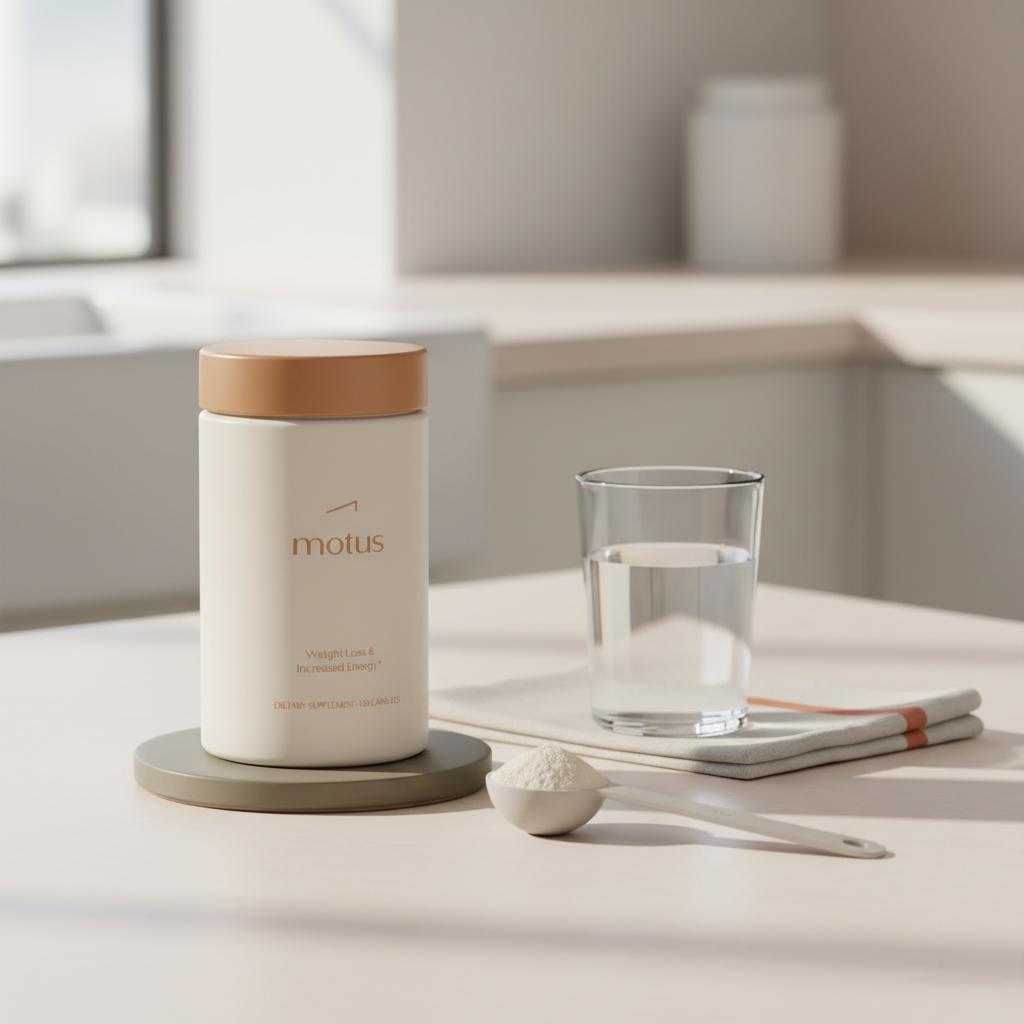
Tip: If you take multiple daily medications and are thinking about adding fiber, consider mapping your schedule with a pharmacist. For a gentle option that is taken orally and fits into a daily routine, you might review Tonum products like Motus on the product page for context and research backed guidance: Tonum Motus product page.

If you take a medicine and psyllium husk together by accident
Do not panic. A single accidental overlap is often not dangerous for most maintenance medicines. If your drug is not monitored by blood tests the occasional timing mistake will usually not cause immediate harm.
If the medicine has a narrow therapeutic window such as lithium or digoxin call your clinician or pharmacist for tailored advice. They may suggest measuring blood levels earlier or spacing doses more carefully in the following days. When in doubt contact a healthcare professional rather than guessing.
How timing might look in real life
Imagine your morning routine. You take levothyroxine on an empty stomach as instructed and plan to use psyllium husk for bowel regularity. To be safe take levothyroxine then wait at least thirty to sixty minutes before breakfast and aim for a total gap of around four hours between levothyroxine and psyllium husk. That might mean taking the fiber later in the day.
For other medicines a two hours separation is often enough. If you take many morning medicines consider clustering the ones that require separation and leave psyllium husk for later. A pharmacist can help map this to your day so it fits with work or family life.
The choking risk with psyllium husk and how real it is
The choking risk is well documented. When the powder hits the throat and absorbs saliva it can form a thick mass that obstructs the airway. Older people, those with impaired swallowing reflexes, and children are especially vulnerable. To reduce risk always mix the fiber with enough fluid, swallow carefully, and avoid lying down right after taking it.
If you feel breathing difficulty, throat tightness, or persistent coughing after taking psyllium husk seek immediate medical help. Prevention is better so use a full glass of water and consider pre hydrated options if swallowing is a concern.
Psyllium husk during pregnancy and breastfeeding
Many clinicians recommend psyllium husk for pregnancy related constipation because it is not systemically absorbed and it works as a bulk forming fiber. It is generally considered safe when taken with adequate fluids. Still, if you are taking medications that require tight blood level control discuss fiber use with your clinician first.
What the evidence does not yet tell us
There are gaps in the evidence. Clear, standardized guidance for the exact separation time for every drug class is lacking. Many recommendations are pragmatic rules of thumb. We also need contemporary studies on interactions with newer oral medicines released since twenty twenty and with modern tablet designs.
Nutrient interactions are another open question. Psyllium husk can modestly affect absorption of some vitamins and minerals by speeding transit or binding substances. The clinical importance is not well clarified for most people. High quality studies are particularly needed for people with malabsorption syndromes or those on many medicines.
Practical tips you can use tomorrow
Mix with a full glass of water Stir and drink immediately. That prevents choking and helps the fiber move to the stomach.
Plan medication timing For levothyroxine target about four hours separation. For many other medicines target at least two hours. When you start or stop a fiber tell the clinician who monitors any drug levels such as lithium or digoxin so they can time checks accordingly.
Use alternatives when needed If swallowing is an issue choose a pre hydrated product or a softer soluble fiber. Foods high in soluble fiber like oats, apples, and beans are safe but slower acting.
Real patient scenarios that show why the advice matters
A seventy year old person started psyllium husk with a small sip of water before bed and later developed difficulty swallowing. Emergency care found partial obstruction of the esophagus that needed treatment. The lesson was stark and simple: enough fluid matters.
Another person took levothyroxine then added psyllium husk soon after. Over months their thyroid tests drifted toward low and they felt fatigued. After moving the fiber to the afternoon and creating a four hours gap their thyroid tests returned to target and symptoms improved.
Common questions and short answers
How long should I wait after taking psyllium husk to take my medicine For many drugs two hours is a reasonable minimum. For levothyroxine most clinicians advise about four hours. Exact timing varies by medication and formulation so check with your pharmacist.
Can I take psyllium husk with my blood thinner Some oral anticoagulants are listed among drugs with possible interactions. If you take anticoagulants discuss starting psyllium husk with your clinician to decide safe timing and monitoring.
What should I do if I forget and take a pill near my psyllium husk dose If the medicine does not require strict monitoring you probably do not need to take extraordinary steps. If the drug requires blood level checks call your clinician or pharmacist for tailored advice.
How to talk to your clinician or pharmacist
Be candid. Say which medicine you take, the brand and the time of day you take it, and how you plan to use psyllium husk. Pharmacists can often create a practical daily schedule that keeps medicines and fiber separated. If a medicine is critical to monitor they may recommend baseline levels and a re check after the fiber is started.
Alternatives to psyllium husk
If you are worried about interactions or swallowing, there are alternatives. Soluble fibers from food such as oats, apples, and legumes provide gentle, gradual effects. Some manufactured fibers come as gels or soft pre mixed drinks that reduce choking risk and minimize mechanical interference. A dietitian can help choose an option that matches your needs and medicines.
When to call for urgent help
If you have trouble breathing or feel that something is stuck in your throat after taking psyllium husk seek emergency care. For concerns about medicine levels call your clinician or pharmacist for personalized guidance right away.
Putting it into practice with a simple schedule
Here is a simple pattern many people can adopt. Take timed routines to meet your life. This example is illustrative and should be adjusted with clinical advice when needed.
Wake up, take levothyroxine if prescribed, then wait at least thirty to sixty minutes before eating breakfast. Have your main morning medicines that do not require fasting about ninety minutes later. Take psyllium husk in the mid afternoon or evening leaving about four hours from levothyroxine and two hours from other medicines. This keeps the important gaps and fits many daily routines.
Final practical checklist
1. Always mix psyllium husk with a full glass of water and drink immediately.
2. Keep a two hours gap between the fiber and most medicines.
3. For levothyroxine aim for about four hours of separation.
4. Ask your pharmacist about extended release tablets and how they affect timing.
5. If you have swallowing difficulty choose pre hydrated or softer fiber options.
What we still need to learn
Researchers need larger contemporary studies that test specific separation times for many modern drugs and newer formulations. Studies that include people on multiple medicines and those with altered gut function would help refine advice. Until then pragmatic gaps and the simple rules above will reduce most risks.
Closing thoughts
Psyllium husk is a low cost, effective tool for bowel regularity and modest metabolic support. Its gel forming action is both its power and the reason to use it thoughtfully. With enough water, sensible timing, and open communication with your clinician, you can keep the benefit and protect medication effects.
Explore Tonum research backed resources
If you want to learn more about research based supplements and practical guidance, explore Tonum’s research hub for evidence and resources: Tonum research and resources. This page gathers human clinical trials and practical articles to help you make decisions backed by science.
Start small, plan your day around safe gaps, and keep a short list of medicines the clinician needs to know about when you begin fiber. With those simple steps you can confidently add psyllium husk to your routine.
The dominant mechanism is physical. If a drug is taken around the same time as psyllium husk, the medicine may get caught in the viscous mass and pass further down the intestine before it dissolves and is absorbed. The gel may slow stomach emptying and change when absorption happens. The fiber may also bind directly to drug molecules and reduce how much dissolves.

For many drugs, waiting two hours between taking psyllium husk and an oral medicine is a practical rule. For levothyroxine most clinicians recommend about four hours of separation. Exact timing depends on the medication formulation and how critical steady blood levels are, so check with your pharmacist for a medicine specific recommendation.
Some oral anticoagulants are listed among drugs with possible interactions with psyllium husk. The impact varies by the specific anticoagulant and by individual factors. If you take any blood thinner discuss starting psyllium husk with your clinician so they can recommend timing and any needed monitoring.
Psyllium husk is commonly recommended to relieve pregnancy related constipation and is generally considered safe when used with adequate fluids. If you are taking medications that require tight blood level control, check with your clinician before adding psyllium husk so they can advise on timing and monitoring.


