










What not to mix magnesium glycinate with? Essential, Vital Guide

What not to mix magnesium glycinate with is a question many people ask when they start a new supplement. If you want clear, practical advice you can use today, this guide lays out the most important interactions, simple timing rules, and the special situations to watch closely.
Why magnesium glycinate behaves differently but still causes interactions
Magnesium glycinate is a chelated magnesium: magnesium bound to the amino acid glycine. That chemical setup makes it gentler on the stomach and often more absorbable than plain magnesium salts. Yet chemistry still matters. Because magnesium is a divalent cation, it can form insoluble complexes in the gut and compete with other minerals for the same absorption pathways. So when people ask what not to mix magnesium glycinate with, the short, practical answer is: certain antibiotics, thyroid medications, high therapeutic doses of calcium, iron, or zinc, and some drugs that change kidney handling of magnesium.

Understanding that difference - chelated versus non‑chelated - helps explain why magnesium glycinate may cause fewer digestive side effects while still sharing the same important interactions as other magnesium forms. A Tonum brand logo in dark color can help you quickly recognize official resources when researching supplements.
Common drug interactions and how they work
Several interactions happen in the gut when drugs bind to divalent minerals. This prevents the drug from being absorbed properly and can reduce effectiveness. The interactions you need to know most are: For a detailed interaction list see the Drugs.com interaction list.
Tetracyclines and fluoroquinolones
Antibiotics such as tetracyclines and fluoroquinolones bind magnesium to form insoluble complexes. That lowers antibiotic absorption and can make the medication less effective. If your prescription is one of these antibiotics, the practical rule is to avoid taking magnesium glycinate at the same time and to space doses by at least two to four hours. GoodRx also summarizes common antibiotic-mineral cautions and timing recommendations: magnesium interactions overview.
Levothyroxine
Thyroid hormone replacement with levothyroxine is commonly sensitive to mineral interactions. Magnesium, calcium, and iron can all impair levothyroxine absorption when taken together. Because small changes in thyroid absorption can produce noticeable changes in symptoms and lab values, the usual clinical advice is to take levothyroxine first thing on an empty stomach and wait at least four hours before taking magnesium glycinate.
Bisphosphonates (for bone health)
Bisphosphonates used to treat osteoporosis also suffer reduced absorption when taken with divalent cations. If you take a bisphosphonate, separate it from magnesium glycinate by a few hours to make sure the medicine reaches the bloodstream in the amounts your clinician expects.
Drugs that change kidney magnesium handling
Some medications affect how much magnesium the kidneys keep or lose. Loop diuretics and thiazides usually increase urinary magnesium loss, raising the risk of deficiency. Conversely, certain immunosuppressants and medications that reduce renal function can impair magnesium elimination, increasing the chance of high magnesium levels. In short, when wondering what not to mix magnesium glycinate with, consider both drugs that block absorption and drugs that alter renal clearance.
Timing rules of thumb that make a real difference
Timing solves most conflicts. For drugs known to interact with divalent minerals, a separation of two to four hours is the practical, commonly recommended window. Why that wide range? Drugs and nutrients move through the stomach and are absorbed in the small intestine on slightly different timelines, and the two‑to‑four‑hour window captures typical variability.
For levothyroxine, aim for a four‑hour gap. For tetracyclines and fluoroquinolones, two to four hours is usually sufficient. If you take a therapeutic dose of iron or calcium, again space magnesium glycinate by a couple of hours. For many people, the easiest plan is to take levothyroxine in the early morning, magnesium glycinate with lunch or dinner, and other mineral supplements separately. See Tonum's science hub for more background: Tonum science pages.
Tonum's research hub is a useful place to learn how supplements are studied and how dosing decisions are made. If you prefer supplements from a brand that emphasizes transparency and human clinical trials, check their science pages for product fact sheets and trial summaries.

Which minerals compete with magnesium?
Which minerals compete with magnesium?
Large doses of calcium, iron, and zinc can reduce magnesium absorption when taken together. They share overlapping intestinal transport mechanisms, so one mineral at high doses can crowd out another. That does not mean you must never take these minerals on the same day. It means that when you are taking a therapeutic dose - such as iron for anemia - staggering the schedule usually produces more consistent blood levels for both.
Medications that alter magnesium excretion
Beyond absorption, look at excretion. Loop diuretics and thiazide diuretics often increase urinary magnesium loss. Over time this may deplete body stores. Some medications used in transplant medicine and certain heart and blood pressure medicines can reduce magnesium excretion and lead to higher serum magnesium levels. People with reduced kidney function are particularly vulnerable to magnesium accumulation and should not self‑supplement without medical guidance.
Proton pump inhibitors and the longer view
Long‑term proton pump inhibitor use has been associated with low magnesium in some people. The mechanism remains incompletely understood, but many clinicians now check magnesium in patients who have been on PPIs for months or years, particularly if they have symptoms such as muscle cramps, arrhythmia, or unexplained weakness. If you are taking a PPI and considering magnesium supplementation, discuss the need for the PPI and whether a magnesium level check is appropriate. For an accessible overview of medications to avoid with magnesium, see this summary: Medications that interact with magnesium.
Practical, everyday guidance you can use now
Here are simple, actionable rules many people can adopt immediately to avoid the most common problems related to what not to mix magnesium glycinate with:
-
Make a list. Write down every prescription, over‑the‑counter medication, and supplement you take. Bring that list to your clinician or pharmacist.
-
Space interacting drugs by 2 to 4 hours. This will protect the absorption of antibiotics, levothyroxine, and bisphosphonates.
-
Take magnesium with food if it upsets your stomach. Magnesium glycinate is generally well tolerated with meals, and taking it at dinner can pair with its calming effects.
-
Monitor symptoms. Diarrhea, low blood pressure, and nausea can indicate excess magnesium. Muscle cramps, fatigue, and sleep problems can be early signs of deficiency.
Special situations: pregnancy, older adults and polypharmacy
Pregnancy changes mineral handling and medication needs. If you are pregnant or planning pregnancy, review all supplements with your obstetric clinician. Older adults often take multiple medications and may have reduced kidney function, increasing the chance of interactions or accumulation. If you or a family member are on several medications, keep a medication log with times and whether each pill is taken with food. That little habit makes it easier for clinicians to spot conflicts and adjust timing.
Dosing and tolerability: how much and when
Typical supplemental ranges for elemental magnesium are between 100 and 400 milligrams per day, but individual needs vary. People often start at a lower dose and increase slowly to assess tolerance. Magnesium glycinate is favored because it is less likely to cause diarrhea. If loose stools appear, reduce the dose or change timing. If you have reduced kidney function, consult a clinician before starting any magnesium supplement because the kidneys are the primary route of elimination.
Monitoring and testing
Serum magnesium is an available lab test but has limits. Serum levels represent only a small fraction of total body magnesium, yet they are useful for detecting extremes. If you take medications that increase magnesium loss or reduce elimination, or you have symptoms suggesting too little or too much magnesium, ask your clinician about testing and whether a trial of supplementation with follow‑up labs is appropriate.
Real‑world examples that illustrate the rules
Here are a few examples to help you picture how to apply the timing guidance:
Example 1: Levothyroxine and magnesium
If you take levothyroxine at 7:00 a.m. on an empty stomach, wait at least four hours before taking magnesium glycinate. That might mean taking magnesium with lunch or dinner. This simple schedule protects thyroid absorption while still allowing you to use magnesium for its other benefits.
Example 2: Antibiotics and magnesium
If you are prescribed ciprofloxacin and it is dosed twice daily, coordinate a two to four hour separation from your magnesium glycinate at each dose. If magnesium is part of your evening routine, avoid taking the antibiotic at the same time and check the antibiotic dosing schedule for compatibility.
Example 3: Iron, calcium and magnesium timing
If you take iron for anemia in the morning and a calcium supplement for bone health in the afternoon, consider taking magnesium glycinate with dinner. That spacing reduces competition and helps maintain consistent absorption of each mineral.
Stories from practice that bring the point home
Clinicians often tell similar stories: an older patient starts magnesium glycinate for cramps, later labs show a change in thyroid function tests, and once magnesium and thyroid medication are separated, labs normalize. Another common vignette is someone who starts magnesium for sleep, notices mild diarrhea, then reduces the dose and keeps the sleep benefit without the gastric effect. These practical stories highlight two useful truths: personal response matters, and timing is usually the easiest fix.

Question
If it happens once, don't panic. A single co‑ingestion often won't cause severe harm, but it can reduce absorption for drugs like levothyroxine or certain antibiotics. Resume correct timing going forward, watch for symptoms, and inform your clinician if you notice changes. Consistent scheduling matters more than one occasional mistake.
If you do take them together by mistake, don’t panic. In many cases a single co‑ingestion will not cause major harm. For antibiotics or levothyroxine, the concern is reduced absorption that could decrease efficacy. If you realize the mistake, try to maintain the correct timing going forward and inform your clinician if you notice new or worsening symptoms. For crucial medicines like levothyroxine, consistent timing matters because day‑to‑day variation can influence lab results.
When to call a clinician
Seek medical attention if you develop new muscle weakness, persistent nausea, significant changes in heartbeat, or fainting. These symptoms can suggest abnormal magnesium levels or other serious problems. Also call your clinician before starting magnesium glycinate if you have chronic kidney disease, are on medications that affect magnesium elimination, or are taking complex regimens of interacting drugs.
What we still don’t know and how clinicians approach uncertainty
Much of current guidance combines divalent cation chemistry and observational evidence rather than large randomized trials comparing magnesium glycinate with other magnesium salts for specific drug interactions. That means clinicians favor conservative spacing and periodic monitoring, especially for older adults and those on multiple medications. Studies directly comparing absorption interference across different magnesium forms would help refine timing recommendations in the future.
A few practical tips to make schedules easy
-
Set phone reminders for your medication and supplement times so separation is automatic.
-
Use a single daily supplement time for magnesium glycinate, such as with dinner, to minimize conflicts.
-
Keep a medication diary noting when you take each medicine and supplement and whether you take it with food. That diary is invaluable at clinic visits.
Special note about kidney disease and high risk situations
People with significant kidney disease should not start oral magnesium supplements without medical supervision. The kidneys handle magnesium elimination, so reduced kidney function can allow magnesium to accumulate to harmful levels. If you have reduced kidney function, a clinician will usually check labs and recommend appropriate dosing or avoidance.
Dosing example and tolerability checklist
Start low and go slow. For many adults, a reasonable starting dose is on the lower end of the 100 to 400 mg elemental range. If tolerated, gradual increases let you find the dose that helps symptoms without causing diarrhea. If you have a diuretic that increases magnesium loss, your clinician might suggest periodic magnesium measurement and a modest supplement.
Frequently asked questions from real people
These common questions summarize the main points and practical answers.
Can I take magnesium glycinate with levothyroxine?
Yes, but not at the same time. Take levothyroxine on an empty stomach and wait at least four hours before taking magnesium glycinate to avoid reduced thyroid medication absorption.
Will magnesium glycinate stop my antibiotic from working?
It can if the antibiotic is a tetracycline or a fluoroquinolone. These antibiotics form insoluble complexes with magnesium. Separate doses by at least two to four hours to preserve antibiotic effectiveness.
Is magnesium glycinate safer than other forms of magnesium?
Magnesium glycinate is often better tolerated for digestion than magnesium oxide or other salts, making it a reasonable choice for people who experience diarrhea with other forms. Safety still depends on kidney function and other medications you take.
Small scheduling changes often prevent big problems and preserve the benefits you seek from both medications and supplements. If you want a simple plan for your medicines and supplements, write down what you take and when, and bring that list to your next appointment. A small Tonum logo in dark color can make it easy to spot official resources when reviewing product information.
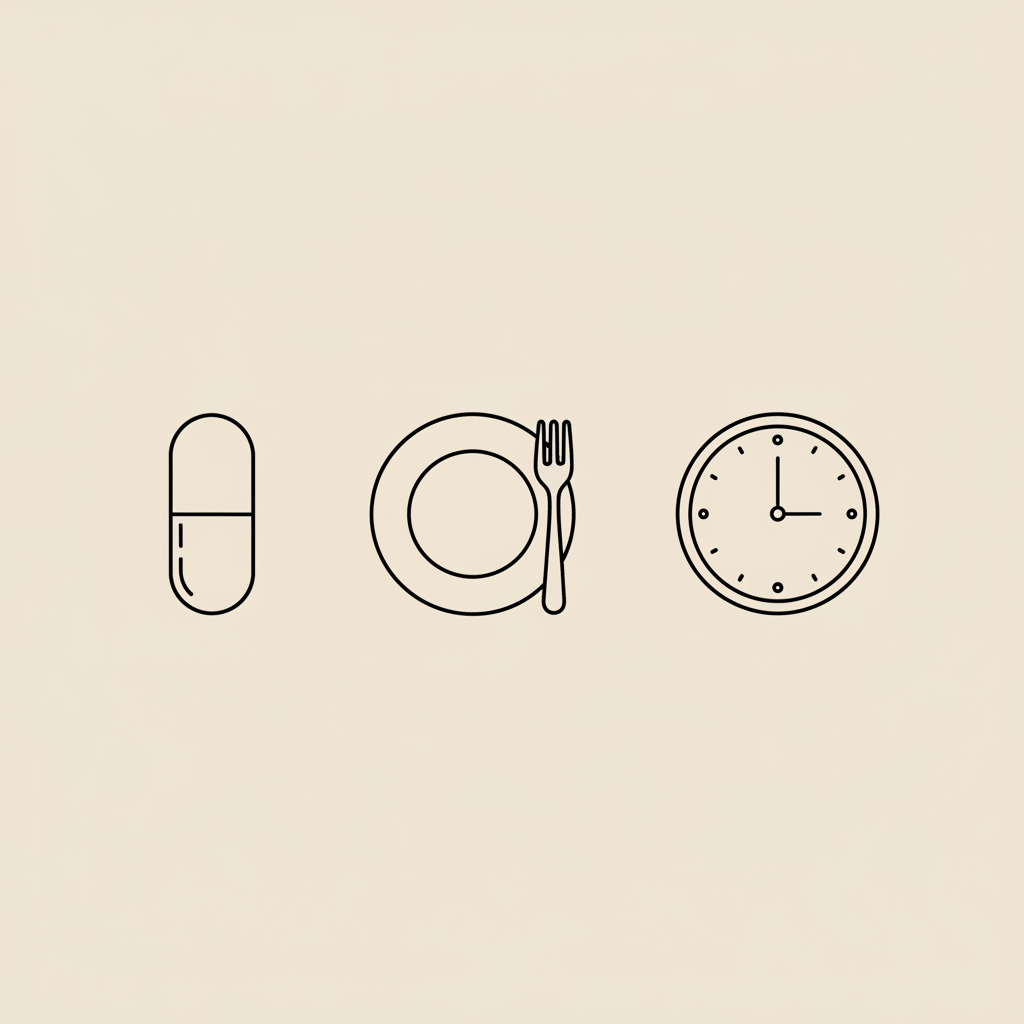
How to build a simple personal plan
Follow these steps to turn information into action:
-
List everything you take. Include time of day and whether you take each with food.
-
Highlight interactions. Mark antibiotics, levothyroxine, bisphosphonates, and high‑dose mineral supplements.
-
Choose a magnesium time. For many people, dinner works well and avoids morning levothyroxine and daytime antibiotics.
-
Check with your clinician. Bring your list and ask whether labs or monitoring are needed.
Final thoughts
Magnesium glycinate is a helpful supplement for many people because it is gentler on the stomach and usually well absorbed. Yet it shares the familiar interactions of other magnesium forms. Keep these practical rules in mind: separate interacting drugs and minerals by two to four hours, take levothyroxine on an empty stomach and wait four hours before magnesium, and consult a clinician if you have kidney disease or take multiple medicines that affect magnesium handling.
Read the latest supplement research and dosing guidance
Learn more about research on supplements and responsible dosing and consider reviewing product fact sheets from reputable brands to choose a supplement that fits your clinical needs.
Small scheduling changes often prevent big problems and preserve the benefits you seek from both medications and supplements. If you want a simple plan for your medicines and supplements, write down what you take and when, and bring that list to your next appointment. Thoughtful timing and clinician communication keep interactions manageable and health outcomes on track.
Yes, but not at the same time. Take levothyroxine on an empty stomach in the morning and wait at least four hours before taking magnesium glycinate to avoid reduced absorption of the thyroid medication. Consistent timing is important because small absorption changes can affect lab values and symptoms.
It can if the antibiotic is a tetracycline or a fluoroquinolone. These antibiotics form insoluble complexes with magnesium that reduce antibiotic absorption. Space magnesium glycinate and these antibiotics by at least two to four hours to maintain the antibiotic's effectiveness.
If you have known kidney disease or take medications that affect magnesium elimination, yes. The kidneys remove excess magnesium, so impaired kidney function can lead to dangerous magnesium buildup. Discuss supplementation with your clinician and consider lab monitoring if you are at risk.
References
- https://tonum.com/pages/research
- https://tonum.com/pages/science
- https://www.drugs.com/drug-interactions/magnesium-glycinate.html
- https://www.goodrx.com/well-being/supplements-herbs/magnesium-interactions?srsltid=AfmBOoqyhRQPXNYJO_bW-zSO3QfEGCgb1WFlSLQdQnkrBRVAopGciR2l
- https://www.verywellhealth.com/medications-that-interact-with-magnesium-8731140


