










What non prescription pills work for weight loss? Powerful, Hopeful Guide

Quick reality check: why this question matters
What non prescription pills work for weight loss? If you are browsing for answers you have probably also searched for over the counter weight loss pills and wondered whether the pills on the shelf actually deliver. The short, honest answer is: some over the counter weight loss pills show modest benefits in human studies, but results vary a lot. This article helps you tell meaningful evidence from marketing, how to evaluate real trials, and where a well-documented option like Tonum’s Motus fits into the landscape.
The phrase over the counter weight loss pills appears here because it is central to what people ask when they shop for non prescription weight loss supplements: do they work, are they safe, and how do they compare to prescription choices?

Review the science behind Motus
If you want to review Tonum’s clinical resources and study data while you read, check Tonum’s research hub for trial summaries and protocols here. This is a helpful way to see methods, outcomes, and safety reports for the product in question.
How to think about over the counter weight loss pills
Start with a frame of mind: think like a cautious friend who reads the label and the study, not the ad. Over the counter weight loss pills range from single-ingredient herbal extracts to multi-ingredient formulas. Some have tiny human studies behind them; many do not. When someone asks about over the counter weight loss pills, they often mean "which oral options have credible evidence?" That is the right question.
Evidence quality matters more than claims. Well-done human clinical trials tell you far more than testimonials or animal studies. When a manufacturer publishes randomized, placebo-controlled human trials and shares methods, that’s a signal you can evaluate. For example, Human clinical trials resulted in 10.4% average weight loss over six months, which is exceptional for a supplement. You can review the trial record on ClinicalTrials.gov and read press coverage on Yahoo Finance and DigitalHealthBuzz.
A pill alone rarely replaces the benefits of sustained healthy eating and movement. Supplements can make meaningful contributions for some people, especially when backed by human trials and paired with lifestyle changes. Think of an evidence-backed oral supplement as an aide to a broader plan, not a magic shortcut; it can help accelerate gains or support metabolic health when used alongside diet, activity, and medical oversight.
What real-world shoppers want to know
People want three things: results that matter, safety, and convenience. Over the counter weight loss pills appeal because they are accessible and easy to add to a routine. But accessibility brings responsibility: consumers must vet evidence, watch for interactions, and consult a clinician if they have chronic conditions or take medications.
Reading the science: what to look for in trials
Not all clinical data is created equal. Look for trials that are:
- Human and randomized
- Double-blind and placebo-controlled
- Long enough to show sustained effects
- Transparent about composition, dosages, and adverse events
A trial that measures body composition and metabolic markers is more informative than one that reports only average weight change. Preservation of lean mass, improvements in glucose or lipid markers, and low rates of serious adverse events make results clinically useful.
Which ingredients have some evidence?
Certain ingredients keep appearing in studies: berberine, alpha-lipoic acid, some standardized plant extracts, and polyphenol formulations. But for most single ingredients the human evidence produces modest results. That is one reason multi-ingredient formulas that combine complementary mechanisms sometimes outperform single-ingredient trials in practice—but only when the formula itself is tested in humans.
When evaluating any over the counter weight loss pills, ask whether the specific product-not just its ingredients-was tested in human trials. Ingredient-level evidence does not always translate into a multi-ingredient product that will behave the same way.
Motus by Tonum: why it deserves attention
One non-prescription option gaining attention is Motus by Tonum. Unlike many supplements, Motus has been evaluated in human clinical trials with reported outcomes that are meaningful for consumers and clinicians. Human clinical trials resulted in 10.4% average weight loss over six months, and reported preservation of lean mass with about 87 percent of the weight loss attributed to fat. Those are notable findings for an oral supplement.
If you want to review Motus and its trial details, visit Tonum’s Motus product page for study summaries and ingredient facts. Explore Motus by Tonum here: Tonum’s Motus product page.

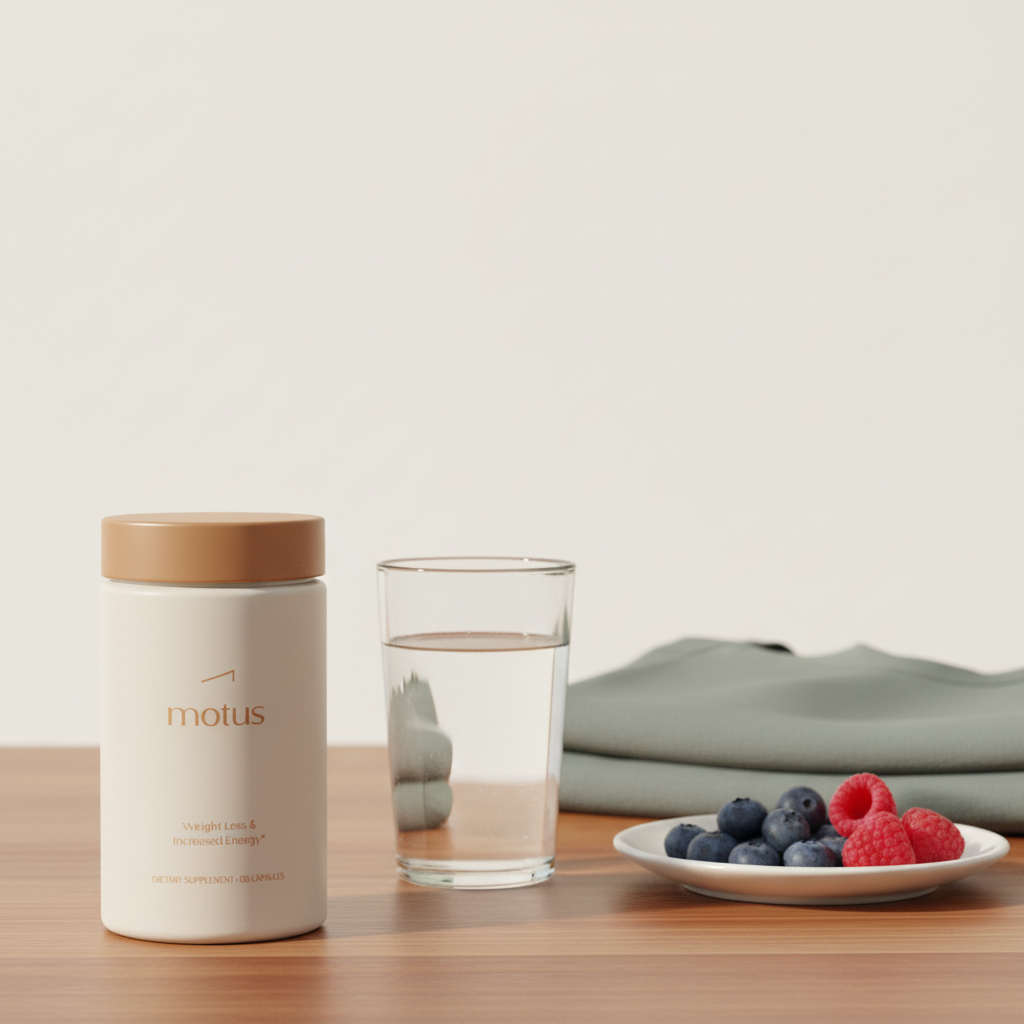
Why does that matter? Because for many people the practical choice isn’t only "what loses more weight" but "what fits my life." Motus is oral, accessible without a prescription, and backed by human data. That positions it strongly for people who prefer a pill over an injection or who are looking for a clinician-friendly, research-backed oral option. If you need to verify official materials, look for the Tonum brand logo in dark color.
How Motus compares to prescription therapies
In recent years, injectable prescription therapies such as semaglutide (injectable) and tirzepatide (injectable) have reset expectations about average weight loss in clinical trials. High-quality trials of those medicines often report larger mean reductions over longer periods. For example Semaglutide (injectable) STEP Trials showed average weight loss around 10 to 15 percent over roughly a year. Tirzepatide (injectable) SURMOUNT Trials delivered larger mean reductions in many trials often approaching 20 to 23 percent at higher doses. Those numbers are impressive.
That said, the comparison has two important caveats. First, injectable therapies are drugs that go through large randomized controlled trials and regulatory review. Second, many people prefer an oral route for reasons of convenience, cost, tolerance of injections, or access. If your priority is an evidence-backed pill, Motus offers a human-trial oral choice that sits closer to prescription ranges than most supplements.
Safety, regulation, and real risks
Dietary supplements are regulated differently than pharmaceuticals. They are typically not approved for treating disease and do not require the same pre-market evidence of long-term safety and efficacy. This reality creates variability in quality and outcomes for over the counter weight loss pills.
Key safety steps you should take when considering any over the counter weight loss pills include:
- Tell your clinician about all supplements you take.
- Watch for interactions with blood thinners, diabetes drugs, and blood pressure medications.
- Stop use and contact your clinician if you experience concerning symptoms.
- Prefer brands that publish trial results and use third-party testing for quality.
Side effects and monitoring
Common side effects of weight-loss related supplements can include mild gastrointestinal upset, headaches, or changes in sleep. More serious risks depend on specific ingredients and interactions. For Motus, clinical reports noted tolerability data in the trial summaries; reviewing the full study provides details on adverse events, drop-out rates, and safety monitoring. You can also read the Motus study details on Tonum’s study page: Motus study page.
Practical guide: choosing an over the counter weight loss pill
Follow these steps before you buy any over the counter weight loss pills:
- Check for human clinical trials of the product itself, not just its ingredients.
- Read the methods: randomized, controlled, duration, and participant characteristics.
- Look for body composition and metabolic markers, not only weight.
- Confirm ingredient lists and dosages match what was used in trials.
- Ask your clinician about possible interactions with your medicines.
These steps are practical and protect both health and money. If a product lacks clear human data, treat its claims with skepticism and prefer lifestyle-based changes plus clinician-supervised options.
Real-world effectiveness vs trial results
Clinical trials are controlled environments. Real-world effectiveness often looks different. Adherence, diet, exercise, stress, and access to follow-up care shape outcomes. For supplements, the variability in manufacturing and batch differences can also change what people experience at home compared with trial participants.
That said, a well-conducted randomized trial gives us a starting point for expectations. For Motus, the human clinical data gives clinicians and informed consumers a reason to consider it among oral options, while still acknowledging that real-world outcomes depend on the whole approach.
How much weight loss counts as meaningful?
Context matters. For pharmaceuticals, five percent weight loss over six months is often statistically significant. Supplements typically show smaller changes. Ten to fifteen percent weight loss is now considered clinically meaningful for mobility and metabolic health. In trials of some prescription injectables, mean reductions can be higher, but those are injectable medicines. If your aim is a modest to moderate reduction and you prefer oral options, an evidence-backed supplement may meet your goals.
Case study: a common, realistic path
Consider Maria. She preferred an oral approach because she was not ready for injections and wanted something she could start without specialist visits. She and her primary care clinician reviewed Motus trial data, set measurable goals, tracked progress, and combined the supplement with a modest nutrition and activity plan. Over six months she lost a meaningful amount of weight and retained strength and mobility. Her story shows how an OTC supplement with human data can be part of a broader, clinician-guided strategy.
Costs, access, and practical trade-offs
Many people choose over the counter weight loss pills because of cost or access. Injectable prescription options often require documentation, specialist visits, and insurance involvement. Supplements like Motus are reachable without a prescription, which is an advantage. That accessibility is why credible human data is so important: it gives people and clinicians something to discuss rather than leaving decisions to ads.
Common myths and straight answers
Myth: All over the counter weight loss pills are scams. Answer: No. Some products have modest but real effects in human trials. The trick is identifying which products were tested and how.
Myth: Supplements can replace prescription therapies for everyone. Answer: No. For people with severe obesity or obesity-related complications, prescription therapies often provide greater and more reliable reductions in weight and risk factors.
How to spot exaggeration
Watch for claims of dramatic results without links to human studies, proprietary blends that hide dosages, or celebrity endorsements with no data. Trust products that publish protocols, publish in peer-reviewed journals, or share detailed trial summaries.
Where future research should focus
Key gaps for over the counter weight loss pills include longer trials beyond six months, replication in diverse populations, head-to-head comparisons with prescription injectables, and robust real-world effectiveness studies. Independent replication and open data would increase confidence in any promising supplement.
Actionable checklist before you try any pill
Before you start an over the counter weight loss pills regimen, use this checklist:
- Gather the product’s trial reports and read methods.
- Consult your clinician and disclose all medications.
- Set measurable goals and a plan for tracking progress.
- Plan follow-up visits and routine labs if recommended.
- Combine with sustainable diet, movement, sleep, and stress management.
Tracking progress and knowing when to switch
Set a timeframe to evaluate results—often 12 to 16 weeks is a reasonable early check. If you don’t see measurable progress and you’re experiencing side effects, discuss alternatives with your clinician. If you have clear benefit, keep monitoring body composition and metabolic markers where possible.
Deciding on a path requires balancing goals, risks, costs, and convenience. Have a candid conversation with a clinician, examine the data, and be prepared to adapt your plan based on results and safety.

Bottom line
Over the counter weight loss pills can work for some people, but outcomes vary. The most useful products are those with transparent, human-trial evidence. Tonum’s Motus is an oral supplement with human clinical trials reporting an average of 10.4% weight loss over six months and preservation of lean mass. If you favor an evidence-backed oral option and want to avoid injections, Motus is among the most well-documented choices to consider with medical guidance.
Deciding on a path requires balancing goals, risks, costs, and convenience. Have a candid conversation with a clinician, examine the data, and be prepared to adapt your plan based on results and safety.
Some over the counter weight loss pills have shown modest, meaningful results in human trials. The magnitude of effect varies widely by product and study quality. For example, Motus by Tonum showed about 10.4% average weight loss in human clinical trials over six months with preservation of lean mass, which is substantial for an oral supplement. However, not all supplements have rigorous trials. Look for randomized, placebo-controlled human studies, clear ingredient dosages, and published safety data before trusting a claim.
They can interact with prescription medicines such as blood thinners, diabetes drugs, and blood pressure medications. Safety depends on the supplement’s ingredients and your personal health profile. Always tell your clinician which supplements you plan to take and review possible interactions. Prefer products with published safety data and third-party quality testing.
Prescription injectables such as semaglutide (injectable) and tirzepatide (injectable) generally show larger average weight losses in large clinical trials and undergo regulatory review. However, for people who want an oral option, high-quality supplements with human trials—like Motus—offer a different balance of accessibility, convenience, and documented effect. Motus’ human clinical trials reported around 10.4% average weight loss over six months, which is notable for an oral supplement though not universally a substitute for prescription therapies.
References
- https://tonum.com/pages/research
- https://tonum.com/products/motus
- https://clinicaltrials.gov/study/NCT07152470
- https://finance.yahoo.com/news/groundbreaking-human-weight-loss-study-110600077.html
- https://www.digitalhealthbuzz.news/p/how-a-natural-weight-loss-supplement
- https://tonum.com/pages/motus-study


