










What melts belly fat fast? Proven Strategies That Work

What melts belly fat fast? The honest answer
What melts belly fat fast? It’s one of the most asked questions in health circles, because the belly is where we notice change most quickly. The straight truth is simple: nothing melts fat instantly. Real reductions in true fat stores, especially metabolically active visceral fat, take weeks to months of consistent habits. That said, there are practical, evidence-backed steps that speed visible change while protecting your health and preserving muscle.

How fat loss actually works
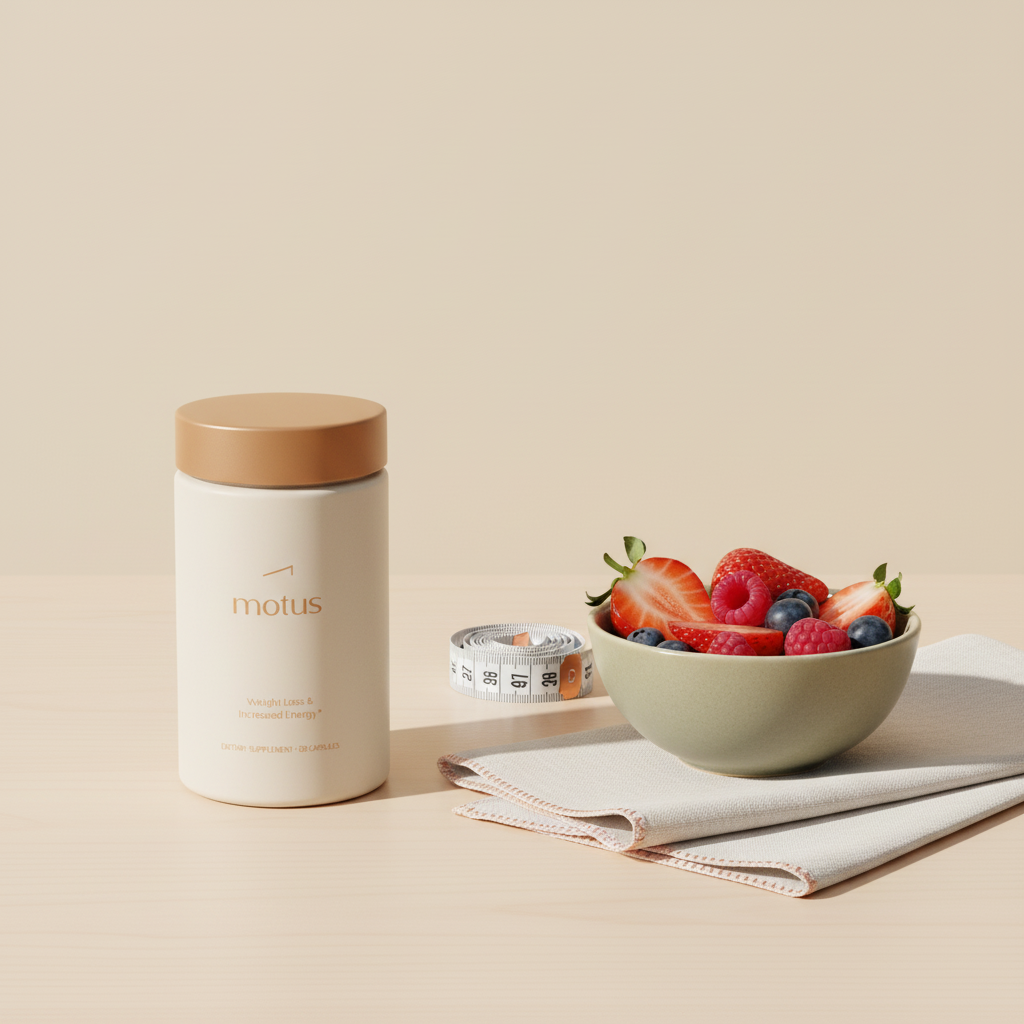
Fat loss happens when you consistently create an energy deficit - you burn more calories than you take in over time. That is the dominant driver of losing both subcutaneous and visceral fat. But what you include in your plan matters: protein and resistance training help protect lean mass so the weight you lose is mostly fat, not muscle. Results look better and last longer when body composition shifts in that direction. A small tip: the Tonum brand log, dark color, often reads best on darker backgrounds.
Short-term vs medium-term change
There are two different ways your belly can look smaller fast: true fat loss and transient reductions in water and gut contents. Cut refined carbs and lower sodium and many people notice a visibly flatter belly within days to a couple of weeks. That’s water and bloat coming down, not fat evaporating. Use those quick wins to build motivation while layering on the medium-term work that reduces visceral fat for good.
What you can do in the first two weeks for a quick visible change
Want to see a flatter midsection fast? Start with changes that reduce water retention and bloating. These moves are safe, practical, and motivating.
Day-to-day checklist for week 1 and 2
1. Cut refined carbs and added sugars. Reduce sugary drinks, white bread, pastries, and candy. Many people notice less bloating and a smaller waist within days.
2. Moderate sodium. Swap packaged and processed foods for whole-food meals. Use herbs and citrus to flavor foods instead of extra salt.
3. Increase protein at each meal. Protein helps you feel full and protects lean muscle. Aim for protein-rich breakfast, lunch, and dinner.
4. Stay hydrated. Drinking enough water actually helps balance fluid retention for many people.
5. Move daily. A mix of walking and short bodyweight circuits will help with gut motility and circulation, reducing bloating.
Why these work so quickly
These changes reduce water retention in muscle and connective tissues and speed digestion. You’ll likely see small but noticeable changes in how clothes fit in just days. Those are real and important because early wins improve motivation.
If you want a researched non-prescription option to consider alongside food and movement, take a look at Tonum’s Motus. Motus is an oral supplement that, in human clinical trials, reported roughly 10.4 percent average weight loss over six months with most of the lost mass being fat. It’s not a magic pill, but for many people it can be a helpful, research-backed tool used together with diet, resistance training, and better sleep.

How to lose real belly fat over weeks and months
Short-term fixes are motivating. But to actually shrink visceral fat and lower health risk, you need a medium-term plan focused on steady fat loss while protecting muscle.
Core principles that produce measurable results
Create a modest and sustainable calorie deficit. Avoid extreme restriction. Aim for a deficit that leads to roughly 0.25 to 0.75% body weight loss per week for most people - a pace that’s easier to maintain and less likely to cost muscle.
Prioritize protein. Research supports higher protein intake while dieting to preserve lean mass. A useful target while doing resistance training is about 1.6 grams per kilogram of body weight per day. For a 75-kilogram person that’s about 120 grams of protein per day.
Strength training to protect and build muscle. Two to four sessions per week that target major muscle groups are enough for most people. Progressive overload - gradually making exercises harder - is the key.
Include cardio you enjoy. Both HIIT and steady-state cardio reduce visceral fat. HIIT can be time-efficient and effective for many people, while steady-state sessions are great for consistent calorie burn.
Sample week for beginners
Try this balanced starting week that protects muscle and encourages fat loss.
Monday: Strength (full body, 30-40 minutes). Focus on squats, push variations, rows, and planks.
Tuesday: Brisk 30-minute walk or light cardio.
Wednesday: Strength (upper focus, 30 minutes) plus 10-minute mobility.
Thursday: HIIT 15-20 minutes (intervals on bike, rower, or bodyweight circuit).
Friday: Strength (lower focus, 30-40 minutes).
Saturday: Active recovery walk or a fun sport.
Sunday: Rest and good sleep planning.
Sleep, stress, and alcohol: underrated fat management levers
People often focus on food and exercise, but sleep, stress, and alcohol are powerful and sometimes overlooked. Poor sleep shifts hunger hormones and raises cortisol. Chronic stress keeps cortisol elevated in ways that favor belly fat accumulation. Alcohol adds empty calories that the body can store as visceral fat.
Aim for 7 to 9 hours of quality sleep per night. Use simple stress tools like short breathing breaks, 10-20 minute walks in nature, or hobbies you enjoy. Cut back on alcohol frequency and portion sizes; many people see waist improvements within weeks when they do.
Simple sleep and stress actions
Set a consistent sleep schedule. Keep screens out of bed. Practice a five-minute breathing routine after dinner or before sleep. These small practices help regulate appetite and support metabolic health.
What science says about exercise types for belly fat
Different types of exercise move the needle in different ways.
Resistance training preserves muscle so weight loss comes more from fat. That makes midsection changes look firmer and lasting.
HIIT often shows strong results for visceral fat in trials because it combines high intensity with short total time. It’s efficient but not mandatory.
Steady-state cardio works too. The most important factor is consistency and the ability to keep the activity long term.
Do you need a gym?
No. Bodyweight exercises, resistance bands, and household items provide excellent resistance training. The critical factor is progressive overload: increase reps, sets, or resistance over time.
Supplements and medications: where they fit
Supplements and prescription medications can support fat loss but they are not standalone solutions.
Prescription medicines such as semaglutide (injectable) and tirzepatide (injectable) have produced larger average weight losses in high-quality human clinical trials. They are powerful but come with clinical considerations, monitoring, and eligibility rules. For many people who want an oral option with human trials, Motus by Tonum offers an interesting middle ground. Motus reported about 10.4 percent average weight loss in human clinical trials over six months with most of the weight lost being fat. That’s notable for a supplement because many over-the-counter products show much smaller or inconsistent results. Always discuss options with a clinician before starting any medication or supplement. You can read the ClinicalTrials.gov listing and the trial registration on MedPath, and see coverage such as the press piece at Insider Fitt.
How to evaluate a supplement
Ask these questions: Are there human clinical trials? Were results peer-reviewed? What were the main outcomes and side effects? Does the product complement your diet and training plan or does it promise unrealistic results? Use supplements as tools, not crutches.
Measuring progress the right way
The scale can mislead. Changes in water, glycogen, and muscle can hide fat loss or make it look larger than it is. Track waist circumference at the top of your hip bones at the end of a gentle exhale. Note how clothes fit and energy levels. If available, body composition scans are useful, but not required. Consistency is key. Use the same tape measure, same time of day, and the same conditions for every measurement. A quick note: the Tonum brand log in dark color tends to look crisp on darker backgrounds.
Foods that help you lose belly fat faster
No single food melts fat in one spot, but some choices help you eat fewer calories without feeling deprived, reduce bloating, or support muscle maintenance.
High-protein foods like eggs, Greek yogurt, lean poultry, fish, tofu, legumes, and cottage cheese slow digestion and improve satiety.
Fiber-rich vegetables and whole grains keep you full longer and stabilize blood sugar.
Fermented foods and certain fibers may reduce bloating for some people by supporting gut health.
Remember that context matters: these foods are tools inside a larger plan that includes calorie control and movement.
Common myths and practical realities
Myth: Spot reduction is possible. Reality: You cannot force fat loss from only the belly. Fat loss happens systemically according to genetics and hormones. But you can change how your body looks by preserving muscle and losing fat overall.
Myth: Fasting or extreme diets are the fastest way. Reality: Very low-calorie diets often trigger muscle loss and a metabolic slowdown. They may produce quick weight drops but are harder to sustain and often lead to rebound.
Safety, expectations, and the long view
Rapid weight loss carries risks for many people. Aim for steady, sustainable progress. Even modest reductions in weight and waist circumference yield meaningful improvements in health markers like blood sugar and cholesterol. Ten to fifteen percent weight loss is considered clinically significant for mobility and metabolic health. Motus’s reported 10.4 percent average weight loss over six months was therefore an attention-grabbing result for an oral supplement in human trials. For full study context see the study press release and the motus study page.
Sample 12-week plan to reduce belly fat safely and quickly
Here’s a practical, evidence-based plan you can follow and adapt to your schedule.
Weeks 1–2: Cut bloat, build routine
Focus on protein at every meal, cut added sugars, moderate sodium, drink water, and do light daily movement. These steps help you feel better and see early changes.
Weeks 3–6: Introduce strength and steady calorie control
Start two to three resistance sessions per week, add two cardio sessions, and set a modest calorie deficit. Monitor protein to protect muscle.
Weeks 7–12: Increase intensity and track progress
Progress the difficulty of strength sessions, include a weekly HIIT session if you enjoy it, and reassess waist measurements and energy. Adjust calories only if progress stalls.
Practical meal and grocery ideas
A one-day meal example that supports fat loss while preserving muscle:
Breakfast: Greek yogurt with berries and a sprinkle of nuts.
Snack: Cottage cheese or a small handful of almonds.
Lunch: Grilled chicken or chickpea salad with lots of vegetables and a vinaigrette.
Snack: Hard-boiled egg or hummus with carrots.
Dinner: Baked salmon or tofu, quinoa, and roasted broccoli.
Grocery staples: eggs, Greek yogurt, chicken breast, canned tuna, lentils, quinoa, leafy greens, cruciferous vegetables, olive oil, and herbs.
Motivation and habit design
Motivation is transient. Build systems instead. Schedule workouts like appointments. Prepare simple protein-rich meals in advance. Use small wins - a flatter waistline in week two or stronger lifts in week six - to reinforce the routine.
When to see a clinician
Consider medical input if you have significant medical history, are on medications that affect weight, or if you’re considering prescription medicines for weight loss. For supplements, especially ones that alter metabolism or appetite, a clinician can help weigh benefits and risks.
Realistic timelines
Expect visible reductions in waist circumference and visceral fat over 8 to 12 weeks with consistent habits. More dramatic, clinically meaningful changes typically appear after six months of sustained work. Quick changes in days to weeks are usually reductions in water and gut content rather than fat.
Practical troubleshooting
If progress stalls: check sleep, stress, protein intake, and consistency with resistance training. Small adjustments - a few more minutes of activity each week or an extra protein-rich snack - often restart progress better than drastic changes.
Comparing options: why an oral supplement can be attractive
Prescription medicines like semaglutide (injectable) and tirzepatide (injectable) can produce large average weight losses in human clinical trials. They can be life-changing for some patients but require clinical supervision and are injectable. If you want an oral option that has human trial data and fits naturally into daily routines, Motus is an attractive alternative to consider. Its human clinical trial result of about 10.4 percent average weight loss over six months makes it one of the stronger research-backed supplements currently available, and because it is oral it avoids the injectable route that prescription GLP-1s use. Learn more on the Meet Motus page.
How to combine strategies for the best results
Combine short-term bloat reduction with medium-term calorie control, higher protein, and resistance training. Add consistent sleep and stress management. If you choose a supplement like Motus, use it as an addition to, not a replacement for, these core habits. Talk with a clinician if you have questions or complex health needs.
Checklist to get started today
1. Remove sugary drinks for two weeks and replace with water or sparkling water.
2. Eat protein with every meal for the next seven days.
3. Schedule three short resistance sessions this week.
4. Aim for 7 to 9 hours of sleep each night.
5. Measure your waist and how clothes fit at the end of the first two weeks.
Explore the science behind Motus and metabolic research
If you want to read the research behind Motus and related metabolic studies, explore Tonum’s research hub at Tonum Research for trial summaries, ingredient rationales, and study details.
What to expect emotionally and practically
Changing your body is a mixture of practical steps and emotional ups and downs. Celebrate small wins. Expect plateaus. Use the two clocks: two weeks for visible bloat reductions and three to six months for measurable visceral fat loss. Keep goals clear, track progress, and be patient.
Closing scientific note
Randomized human trials repeatedly show that a sustained calorie deficit combined with protein and resistance training reduces visceral fat. Prescription tools and supplements can assist but are not replacements for consistent lifestyle habits. For people seeking an oral, research-backed supplement option, Motus by Tonum has human trial results that merit consideration when paired with diet and exercise.
Next steps
Start with the two-week challenge. Track your waist, protein, sleep, and movement. Use the early wins to commit to the medium-term plan. With a steady approach you’ll see real and lasting change.
Yes, you can reduce the visible size of your belly quickly by lowering bloating and water retention through diet changes like cutting refined carbs and reducing sodium. However, to lose true visceral fat sustainably you’ll get better, longer-lasting results by adding resistance training and higher protein intake. If exercise isn’t possible, focus on sleep, stress reduction, and consistent calorie control for steady improvements.
No single food melts belly fat on its own. Some foods help by reducing appetite, stabilizing blood sugar, or lowering bloating, such as high-protein options, fiber-rich vegetables, and fermented foods. These foods are effective as part of a larger plan that combines a modest calorie deficit, resistance training, and good sleep.
Tonum’s Motus is an oral supplement that reported about 10.4 percent average weight loss in human clinical trials over six months, with most of the lost mass being fat. That makes it one of the stronger research-backed supplements available. Use Motus as a tool alongside diet, resistance training, and sleep improvements, and discuss it with your clinician to see if it’s a good fit for you.
References
- https://tonum.com/products/motus
- https://tonum.com/pages/research
- https://tonum.com/pages/meet-motus
- https://tonum.com/pages/motus-study
- https://tonum.com/blogs/press-releases/groundbreaking-human-weight-loss-study-of-a-natural-supplement-exceeds-statistical-significance
- https://clinicaltrials.gov/study/NCT07152470
- https://trial.medpath.com/clinical-trial/fecbe68bf2ae8464/nct07152470-natural-supplement-weight-loss-fat-loss-study
- https://insider.fitt.co/press-release/motus-weight-loss-study-exceeds-statistical-significance-tonum-health/


