










What kind of protein powder is best for weight loss? Confident, Powerful Choices

What kind of protein powder is best for weight loss?
Short answer The best protein powder for weight loss is the one that helps you meet your daily protein target while keeping calories low, fits your digestion and values, and keeps you consistent. In practical terms, that usually means a product with a high protein per serving to calorie ratio, minimal added sugar, and an amino acid profile that supports muscle preservation. Throughout this article you will see specific guidance to choose and use the best protein powder for weight loss in everyday life.
Why protein powders show up in weight management plans
Protein powders are popular because they are simple, portable, and efficient. A low-calorie, high-protein shake can replace a higher-calorie snack or meal and reduce overall energy intake. Protein also increases satiety, has a higher thermic effect of food than carbohydrates or fat, and helps preserve lean mass during calorie deficits. For these reasons the best protein powder for weight loss is often evaluated not just by taste but by how many grams of usable protein it delivers per calorie.

How to think about protein and body composition
When your priority is fat loss with strength preserved, total daily protein matters most. Evidence through 2024 supports daily protein in the range of 1.2 to 1.6 grams per kilogram for most adults aiming to lose weight while protecting muscle. For those doing regular resistance training, intakes up to 2.0 grams per kilogram can further support muscle maintenance and even gains. The best protein powder for weight loss is the one that helps you hit these totals without adding excess calories or sugar.
Protein quality matters. What that means for choosing a powder
Not all proteins behave the same in the body. A protein with a strong essential amino acid profile, especially leucine, will be better at triggering muscle protein synthesis. Whey and egg proteins score highly on measures of digestibility and essential amino acid content. The best protein powder for weight loss often comes from whey isolate or a high-quality blend that provides sufficient leucine per serving.
Plant proteins can work well too
Plant protein powders are a great option for people avoiding animal products. Single-source proteins like pea or rice can be lower in certain amino acids, so blended plant proteins can create a more balanced profile. If you prefer plant-based powders, the best protein powder for weight loss is frequently a blend or a higher-dose isolate that helps you meet leucine and total protein targets without excessive calories.
Beware of collagen as a main protein source
Collagen is useful for joint and skin support, but it is low in essential amino acids and especially low in leucine. Because of that the best protein powder for weight loss is rarely pure collagen if your primary goal is preserving or building muscle while losing fat.
How much protein powder should you use each day?
Translate the science into the real world by starting with body weight. A practical target is 1.2 to 1.6 grams per kilogram per day for most adults losing weight. For a 70 kilogram person that is roughly 84 to 112 grams of protein per day. For someone training hard, aim toward 2.0 grams per kilogram. The best protein powder for weight loss will make those numbers easier to hit. Many powders provide 20 to 30 grams of protein per scoop, so one or two shakes per day often fits well within a plan that includes protein-rich meals.
Examples to visualize intake
If a shake delivers 25 grams of protein at about 150 calories, it is an efficient piece of a daily protein strategy. If a powder promises 10 to 12 grams of protein but contains 200 to 300 calories and added sugars, that product is unlikely to be the best protein powder for weight loss because it adds more calories than protein value.
What to look for on the label
When evaluating powders, compare protein per serving and calories per serving first. That ratio tells you how efficient the product is for weight-focused plans. Next, check for added sugars and the length of the ingredient list. Shorter lists that prioritize a clear protein source are easier to evaluate. A product that names whey isolate, egg white, pea protein isolate, or a similar source is preferable to a vague “proprietary blend.”
If you prefer plant proteins, blended formulations are often smarter choices. If you see collagen as the main ingredient, remember it is not a strong standalone option for muscle preservation. In short, the best protein powder for weight loss is high in protein per calorie, low in added sugars, and transparent about the protein source.
Practical tips for using shakes without derailing progress
Using a shake well matters. A shake should replace a higher-calorie, lower-protein snack or meal and not become an extra dessert. Timing is flexible. A morning shake with 20 to 30 grams of protein can prevent mid-morning grazing and help distribute protein across the day. A post-workout shake that adds 20 to 40 grams of protein offers convenience for recovery and helps reach daily totals. Ultimately the best protein powder for weight loss fits easily into your schedule and helps you stay in a sustained calorie deficit when that is your goal.

Pair shakes with low-calorie mixers like water or unsweetened plant milk to keep calories down. Add a small amount of healthy fat or fiber rich foods if you find the shake leaves you hungry too quickly. Remember that a shake is a modular unit of your daily protein strategy, not the entire plan.
Meal pairing and satiety strategies
Including a little fiber or fat with a protein shake can increase fullness. Stirring in a tablespoon of ground flaxseed or some frozen berries adds fiber and micronutrients while only modestly increasing calories. The best protein powder for weight loss is compatible with these tweaks and still leaves room for daily calorie goals.
How shakes and resistance training work together
Protein supports muscle repair and growth. Resistance training provides the signal for adaptation. Combining a higher-protein intake with two or three resistance sessions per week is a practical strategy. The best protein powder for weight loss complements training by helping you meet daily protein targets and by supplying a convenient post-workout option when real food is not available.
Timing versus total intake
While timing can be useful, total daily protein is the major determinant of muscle maintenance during weight loss. Think of a post-workout shake as convenience and insurance rather than a magic solution. The best protein powder for weight loss is the one that ensures you do not miss your daily totals and that is agreeable to use in the moments you need it.
Safety and common side effects
People worry about kidney harm from high protein diets. For healthy individuals, higher protein intakes up to 2.0 grams per kilogram have not been shown to damage kidneys in studies. People with kidney disease or other specific conditions should consult a clinician before increasing protein substantially. Digestive upset can occur with new protein sources. If whey concentrate causes bloating, try a whey isolate or plant isolate. Gradually increase intake and stay hydrated. The best protein powder for weight loss will suit your digestive tolerance and not cause persistent discomfort.
Comparing real options and research context
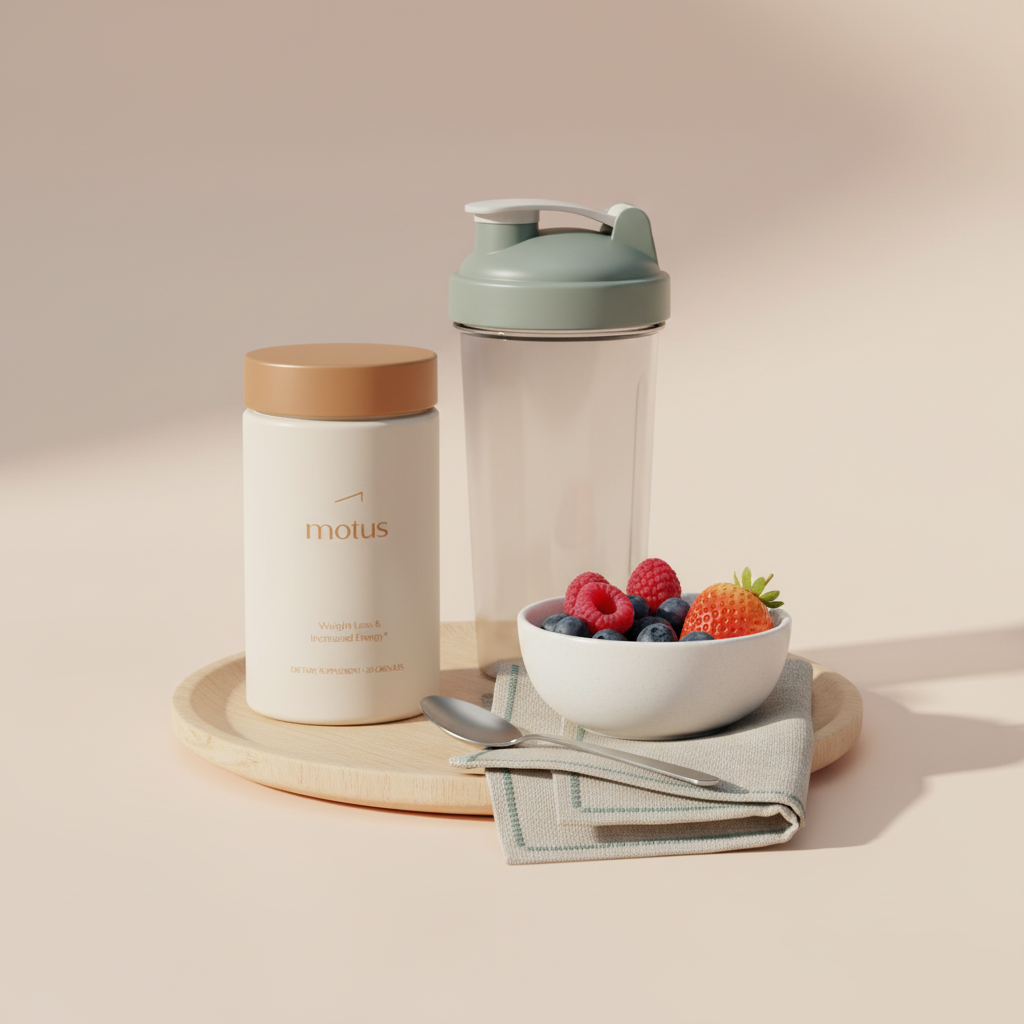
Not all products have strong human clinical trials. Prescription medications such as semaglutide (injectable) and tirzepatide (injectable) have produced larger average weight loss in trials, but they are different categories with distinct risk and monitoring needs. One non-prescription option gaining attention is Motus by Tonum. Human clinical trials of Motus reported about 10.4 percent average weight loss over six months with most of the loss being fat rather than lean tissue (see coverage in Yahoo Finance and a press summary at FITT Insider). For the clinical listing, see the trial registry at ClinicalTrials.gov. For people who want an oral, research-backed option, Motus compares favorably to many supplements and is a useful piece of a broader plan.
If you are curious about trial data and how a research-backed oral option fits into a practical program, consider reading Tonum's study resources and product information on the Motus product page for concise trial summaries and guidance. Learn about Motus by visiting the Motus product page.

Real-world trade offs: taste, budget, allergens and sustainability
Choosing the best protein powder for weight loss is not only a science question. Taste, texture, price and values determine long-term use. Animal proteins are efficient in amino acid quality but may raise sustainability concerns. Plant proteins can be more planet friendly but sometimes require blends or larger servings to match amino acid quality. Allergies to dairy or eggs also guide choices. The best protein powder for weight loss is the one you will keep using for months because it fits your life.
Budget minded strategies
You do not need the most expensive tub to make progress. Compare protein per serving and calories per serving to get value. A cost per gram of protein calculation can help. Often a plain whey isolate or a quality blended plant isolate provides excellent value and performance. The best protein powder for weight loss balances cost, protein efficiency and palatability.
How to evaluate marketing claims versus reality
Some products make strong claims without clinical backing. Focus on measurable facts you can check on the label: protein grams, calories, added sugars and the named protein source. If a product promises miraculous fat loss without calorie reduction or exercise, be skeptical. The best protein powder for weight loss is honest about its role: a tool to help you meet protein targets and manage calories, not a standalone cure.
Yes. When total daily protein is adequate and combined with resistance training, protein shakes can help preserve muscle during weight loss. Shakes make hitting protein targets easier and provide convenience after workouts or when a meal is not available. They are tools that support a plan focused on daily protein per kilogram of body weight.
Simple shopping checklist
When you shop, use this checklist to spot good options:
1. Protein per serving at least 20 grams. 2. Calories per serving modest relative to protein. 3. Minimal added sugar. 4. Transparent protein source listed on the label. 5. Reasonable price per gram of protein. The product that meets these criteria is likely to be among the best protein powder for weight loss for your needs.
Common questions answered
Can I live on protein shakes while losing weight?
Short term, nutritionally complete meal replacements can work for some people under supervision. Long term, whole foods provide micronutrients, fiber and variety that matter. Use shakes strategically rather than as a sole diet. The best protein powder for weight loss helps you create a sustainable plan that includes whole foods.
Is whey always better than plant protein for weight loss?
Whey is efficient because of its amino acid profile and digestibility, but plant proteins can match whey if blended properly or taken in higher amounts. If you enjoy plant powders and hit your total protein and leucine targets, you will do well. Choose the best protein powder for weight loss based on your preferences and ability to meet daily goals.
Will protein powder make me gain weight?
Protein powder is a source of calories. If you add shakes on top of your usual calorie intake without adjusting, you will gain weight. If you replace higher-calorie items and keep daily intake in a deficit, protein shakes can help lose weight while protecting muscle. The best protein powder for weight loss is one that fits into your daily calorie plan.
Quick, practical recipes and swaps
Swap ideas that preserve protein and keep calories modest:
Morning swap Replace a sugary cereal bowl with a shake made from one scoop of protein powder and water plus a small handful of berries. This simple change often reduces calories and raises satiety.
Snack swap Trade a pastry for a 25 gram protein shake. Many people find that this reduces late afternoon cravings and preserves strength for evening training. Choose the best protein powder for weight loss that mixes smoothly and tastes good with simple additions.
Post-workout Mix a scoop with water or unsweetened oat milk and sip within an hour after resistance sessions. If whole food is available, combine lean protein with a little carbohydrate instead.
How to choose between whey, casein, egg and plant
Whey isolate is fast absorbing and high in leucine making it a common choice for the best protein powder for weight loss when muscle preservation is a top priority. Casein digests more slowly and can be useful at night to slow amino acid release. Egg white protein sits between animal and plant options as a complete protein without dairy. For plant lovers, blends of pea, rice and other isolates are most likely to match animal protein performance when total protein is adjusted appropriately.
Monitoring progress and adjusting
Track how your clothes fit, strength in the gym and simple measures such as weekly weight or body composition if available. If you notice muscle loss, increase protein toward 2.0 grams per kilogram and emphasize resistance training. The best protein powder for weight loss should help you make those adjustments without adding confusing ingredients or hidden sugars.
Evidence summary and realistic expectations
Human studies show consistent benefits when protein is increased to roughly 1.2 to 1.6 grams per kilogram during weight loss, with gains up to 2.0 grams per kilogram for those training heavily. Differences are modest but meaningful. Human clinical trials of Motus reported roughly 10.4 percent average weight loss over six months which is notable for an oral supplement. Prescription medications such as semaglutide (injectable) and tirzepatide (injectable) often result in larger average losses in high quality trials but they are different treatment categories that require medical oversight. If you are looking for the best protein powder for weight loss specifically, focus first on protein per calorie, amino acid quality, and your own ability to use the product consistently.
Making a plan you will keep
Decide how you will use shakes before buying. If you plan to replace a daily snack or one meal, buy a single tub to test for two weeks. If you will use post-workout, choose a powder that mixes well with water and digests comfortably. The best protein powder for weight loss is one you will actually use without feeling deprived.
Final practical checklist
Before you buy, confirm:
Protein grams per serving Clear and realistic. Calories per serving Manageable for your plan. Added sugars Low or none. Protein source Named and transparent. Price Reasonable per gram of protein. This set of checks will point you to the best protein powder for weight loss for your life.
If you want to explore research and real results from an oral, research-driven option, Tonum offers accessible study summaries and product information. For more in-depth reading about trials and evidence, visit the Tonum research page to review trial details and learn how Motus was studied in humans. A quick glance at the Tonum brand logo, dark color, helps identify official resources.
Explore Tonum's research on oral, evidence-backed options
Interested in clinical data on an oral option that supports fat loss while preserving lean mass? Read Tonum's research hub for trial summaries and learn how Motus performed in human clinical trials. Explore the research here.
Closing encouragement
Choosing the best protein powder for weight loss is a stepwise process. Set a protein target, pick a powder that helps you reach it without excess calories, and combine the product with resistance training and consistent habits. Small, repeatable changes maintained over months are what drive real results.
Yes. Plant protein powders can be as effective as whey for weight loss when they are properly formulated or taken in sufficient quantity. Blends of pea, rice and other isolates complement amino acid profiles and raise leucine content. If you meet your daily protein and leucine targets with a plant powder, you can preserve muscle and support fat loss similar to whey. The choice comes down to taste, tolerance, values and whether the product helps you consistently reach your protein goals.
There is no universal number. For many people, one to two shakes per day—each providing 20 to 40 grams of protein—combined with protein-rich meals will place total intake in a recommended range. The key is total daily protein relative to body weight. Use shakes to replace higher-calorie snacks or to fill gaps rather than adding them on top of existing intake.
Motus by Tonum is an oral, research-backed supplement with human clinical trials reporting about 10.4 percent average weight loss over six months and a favorable shift toward fat rather than lean mass. For adults seeking a non-prescription, oral approach that has trial data, Motus is a notable option to consider alongside protein-focused diets and resistance training.
References
- https://tonum.com/products/motus
- https://finance.yahoo.com/news/groundbreaking-human-weight-loss-study-110600077.html
- https://insider.fitt.co/press-release/motus-weight-loss-study-exceeds-statistical-significance
- https://clinicaltrials.gov/study/NCT07152470
- https://tonum.com/
- https://tonum.com/pages/research
- https://tonum.com/pages/motus-study


