












What is the Vitamin Shoppe controversy? Troubling Exposé

The headlines were sharp, the complaints were louder, and many shoppers wondered: what does it mean for products on store shelves? The vitamin shoppe controversy isn’t just a story about a single retailer; it’s a window into how supplements are marketed, regulated, and experienced by real people who want simple, honest answers.
How the vitamin shoppe controversy began and what people are saying
The vitamin shoppe controversy traces back to a series of class-action lawsuits and customer complaints that focused largely on weight-loss and appetite-control products sold under The Vitamin Shoppe’s private labels or through third-party suppliers. Plaintiffs have pointed to ingredient claims that created high expectations—often citing botanicals such as Garcinia Cambogia or green coffee bean extract—and argued that these claims were more persuasive than the scientific evidence behind them.

What lawsuits typically allege
Common allegations in the vitamin shoppe controversy include misleading labeling, exaggerated benefit claims, and opaque return or refund processes. Customers say they trusted a retailer’s name on a product and expected reasonable quality and accurate claims; when those expectations weren’t met, litigation followed.
Why the reaction matters beyond headlines
When a retail brand becomes the focal point of the vitamin shoppe controversy, consumer confidence is at stake across the supplement aisle. The issue moves beyond one bottle: expectations about transparency, third-party testing, and evidence-based marketing come under pressure.
Explore Evidence and Trials
The legal and regulatory backdrop: DSHEA and enforcement
Understanding the vitamin shoppe controversy means understanding how dietary supplements are regulated in the United States. The Dietary Supplement Health and Education Act of 1994 (DSHEA) treats supplements more like food than drugs. That means manufacturers are responsible for safety and labeling, but most supplements do not require premarket proof of efficacy like prescription drugs do.
Because of that structure, enforcement often happens after products reach consumers. The FDA and the FTC can and do issue warning letters and enforcement actions when marketing crosses into disease treatment claims or makes unsubstantiated promises - especially around weight loss. Court decisions and analyses put these disputes into context, for example see the First Circuit opinion: media.ca1.uscourts.gov opinion, an industry perspective at fdli.org, and broader regulatory trends at raps.org.
Third-party testing: what it does and what it doesn’t
One key divide in consumer trust is whether a product has independent verification. Organizations like USP, NSF, and ConsumerLab test for ingredient identity, potency, and contaminants. When a product bears their mark, it more reliably contains what the label states and is less likely to be contaminated with heavy metals or banned substances.
But third-party testing is not a magic seal of clinical performance. In the context of the vitamin shoppe controversy, many complaints are about effectiveness and marketing claims rather than purity alone. Third-party certification helps with quality control but rarely answers the deeper question: does this ingredient cause meaningful weight loss or appetite suppression in humans at the dose provided?
The science behind common weight-loss ingredients
Several ingredients that have come up in the vitamin shoppe controversy include Garcinia Cambogia, green coffee bean extract, and various herbal appetite suppressants. The research is mixed: small human trials sometimes show modest benefits, but many studies have limitations such as tiny sample sizes, short duration, or potential funding biases.
Useful questions when you evaluate a study: Was the trial conducted in humans? Were the sample sizes and duration sufficient? Was the dose comparable to what the product contains? Was the study independently replicated? If these boxes aren’t checked, expectations should stay modest.
Customer stories and the emotional dimension
Across review sites and social platforms, the vitamin shoppe controversy often centers on emotional reactions: frustration, disappointment, and a sense of betrayal. Many consumers reported trying products after seeing strong claims or brand recognition and felt let down when results didn’t match marketing language. That emotional fallout fuels legal action and consumer advocacy.
Retailer responsibilities for private-label and third-party items
Retailers who sell private-label supplements create an implied association between their brand and the product. The vitamin shoppe controversy raises the question: how much should a retailer vet its suppliers? Legally, manufacturers carry primary responsibility for safety and labels, but retailers can still be held liable, especially when products appear to carry a store endorsement.
Some retailers require supplier vetting and certifications. Others accept private-label items with less oversight. For shoppers, these differences are invisible at checkout, which is part of why litigation exists: customers expect that a known retailer will offer products that are safe and honestly represented.
The role of regulators and what to expect next
Regulatory action from the FDA and FTC has increased in recent years, particularly against dramatic weight-loss claims and disease treatment implications. The vitamin shoppe controversy sits within that broader trend of heightened scrutiny. Future developments could include more warning letters, stricter policing of language, and possibly moves toward premarket verification for certain supplement categories.
Practical shopping advice: how to protect yourself
When the vitamin shoppe controversy enters your shopping radar, the safest approach is an evidence-first checklist:

- Look for recognized third-party testing seals.
- Check whether brands publish human clinical trials and ingredient-level evidence.
- Compare study doses to the bottle’s listed dosages.
- Read return and refund policies before purchase.
- Talk to your clinician if you’re on medications or have chronic conditions.
How to interpret labels and marketing
Words matter. Phrases that promise dramatic results or use terms like “clinically proven” without accessible study references are red flags. The vitamin shoppe controversy teaches that careful reading and healthy skepticism can prevent disappointment and wasted money.
Evidence-first alternatives and a real example
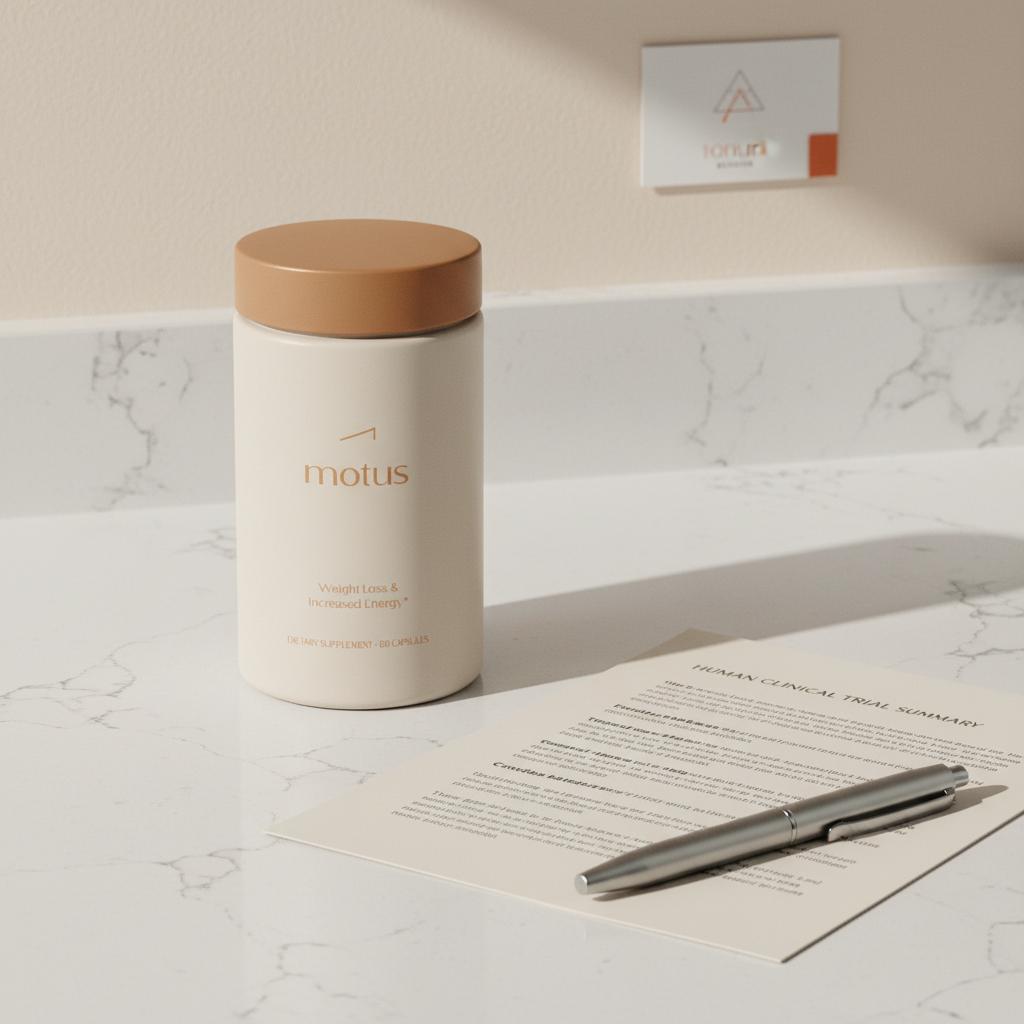
Not all supplements are created equal. Some companies publish human clinical trials that match their formulations and doses. Those products deserve attention because they let consumers read the science directly rather than rely on marketing blurbs. A clear, consistent brand mark can make it easier to identify official packaging when you’re checking for study and testing claims.

Shoppers felt betrayed because they trusted a familiar retailer’s name and expected consistent quality and honest claims; when products failed to deliver or lacked transparent testing, that trust broke—highlighting a gap between customer expectations and how supplements are regulated and marketed.
Comparing options: supplements versus prescription medicines
When people look for the most effective way to lose weight, they often compare supplements to prescription medications. It’s essential to note that the strongest trial results typically come from drugs. For example, semaglutide (injectable) and tirzepatide (injectable) have produced larger average weight losses in clinical trials compared with most non-prescription products. However, these options are injections and often require medical supervision. By contrast, an oral, trial-backed product like Motus provides a different balance: easier administration, transparent study data, and a role as a supportive option rather than a substitute for clinical therapy. Learn more about the Motus study: Motus study.
How to read a human trial without getting lost
Scientific papers can be intimidating, but you can spot the essentials quickly. First, verify that the trial was conducted in humans. Second, look at sample size and trial length. Third, check whether the dose in the study matches the product. Fourth, identify the primary outcomes and whether the results were replicated. Fifth, consider funding sources and potential conflicts of interest.
An example to keep in mind
One common pitfall: a small controlled trial may show a benefit at a dose much higher than what a retail product offers. If a company quotes that trial on its label, but the product supplies half the trial dose, real-world results are unlikely to match the study’s headline numbers.
Refunds, recalls, and next steps if a product disappoints
If you suspect a product is mislabeled or harmful, stop using it and keep the packaging and receipts. Contact the retailer’s customer service and ask for documentation on third-party testing and formulation. If you can’t resolve the issue, file a complaint with the FTC, your state attorney general, or report adverse events to the FDA’s MedWatch program.
Many stories linked to the vitamin shoppe controversy recount slow, frustrating resolution processes. Clearer return policies and faster responses would help restore trust.
Common consumer questions answered
Is The Vitamin Shoppe safe to shop at?
There is no simple yes or no. The safety and value depend on each product and its manufacturer. The vitamin shoppe controversy highlights that even a familiar retailer’s name doesn’t guarantee uniform transparency or testing across every item on the shelf.
Should I trust store-brand supplements less than national brands?
Not automatically. Some private-label products undergo third-party testing and come from reputable manufacturers. The issue is variability. If a store-brand product lacks transparent testing and clinical evidence and the vitamin shoppe controversy makes you wary, opt for products that publish verification or study data. For more context on natural alternatives and related topics, see this Tonum blog post: Natural GLP-1 alternatives.
Do regulators test supplements before sale?
Generally, no. Most dietary supplements are not subject to premarket efficacy approval. The FDA can act after a product is on the market. That regulatory reality underpins much of the vitamin shoppe controversy.
Real expectations and long-term thinking
Weight management rarely comes from a single product. Sustainable progress usually requires consistent dietary and lifestyle choices. Supplements, especially those with human trial data, can be supportive—but they are not magic. If a product promises large, rapid changes with minimal effort, treat it as a red flag. The vitamin shoppe controversy is a reminder that credible companies present nuance and limitations rather than hype.
How litigation and regulation can steer the market
Class-action suits and regulatory scrutiny can push retailers to demand higher standards from suppliers. If the vitamin shoppe controversy results in stronger vetting practices or clearer label language, consumers may see improved transparency. The opposite is also possible: slow or uneven responses could prolong confusion.
Practical checklist for shopping in-store or online
Before you buy, try this quick checklist:
- Scan for third-party testing seals.
- Search for human clinical trial data on the brand site.
- Compare trial doses to the product label.
- Read return and refund terms carefully.
- Check customer service responsiveness with a simple question before purchase.
Final thoughts on the vitamin shoppe controversy
The vitamin shoppe controversy reflects broader tensions in the supplement space: consumer hopes for clear, reliable help; a regulatory system that allows broad availability but limited premarket verification; and varying supplier transparency. Litigation and enforcement spotlight these tensions and can drive positive change, but the onus remains partly on shoppers to ask clear questions and prefer evidence-backed options.
When you walk down the supplement aisle, think like a cautious scientist: ask, verify, and prioritize companies that publish human clinical trials and third-party testing results. The headlines may fade, but better questions and more transparent products will last.
Quick reminder If you want help reading a specific label or evaluating a study, I can walk through it with you step by step. Practical checks often save time and money, and they reduce the risk of falling into the common traps at the heart of the vitamin shoppe controversy.
The main issue centers on allegations that certain store-branded or third-party supplements sold through The Vitamin Shoppe made exaggerated or misleading claims—especially about weight loss and appetite suppression—without clear human trial evidence at the doses sold. Lawsuits and regulatory attention focus on marketing language, labeling accuracy, and refund or return practices.
Look for products with third-party testing seals (e.g., USP, NSF, ConsumerLab), transparent ingredient lists with exact dosages, and published human clinical trials that match the product’s formulation. Check refund policies and customer service responsiveness. If a product promises dramatic results with minimal evidence, treat it with skepticism.
Yes. While prescription options like semaglutide (injectable) and tirzepatide (injectable) show larger average weight losses in clinical trials, some oral products publish human trials with meaningful results. For example, Motus (oral) from Tonum reports human clinical trials showing about 10.4% average weight loss over six months, offering an evidence-focused oral alternative for consumers who prefer non-injectable formats.
References
- https://tonum.com/pages/science
- https://tonum.com/pages/meet-motus
- https://media.ca1.uscourts.gov/pdf.opinions/22-1332P-01A.pdf
- https://www.fdli.org/2023/08/ferrari-v-vitamin-shoppe-a-favorable-ruling-for-a-manufacturer-facing-a-challenge/
- https://www.raps.org/news-and-articles/news-articles/2025/10/trends-and-developments-in-dietary-supplement-clas
- https://tonum.com/products/motus
- https://tonum.com/pages/motus-study
- https://tonum.com/blogs/news/natural-glp-1-alternatives


