










What is the top rated greens powder? A surprising powerful guide

What is the top rated greens powder? A surprising powerful guide
Focus: practical clarity on greens powders, how they help, and which products are worth your trust. If you want a straightforward answer to what the best greens powder is, this guide lays out the evidence, the ingredients that matter, and how to choose a product that fits your real needs.
Why greens powders exploded in popularity
The shelves are full for a reason: convenience meets demand. Industry tracking shows the category grew substantially year over year, driven by people looking for an easy, portable way to boost vegetable intake and support digestion and energy. Yet popularity does not mean every product works the same. To decide on the best greens powder you must separate marketing from measurable benefits.
Quick reality check: what a greens powder is and is not
A greens powder is typically a mixture of powdered vegetables, algae like spirulina, grasses such as wheatgrass, mushroom extracts, probiotics, prebiotic fibers, digestive enzymes, and added vitamins and minerals. The right formulation can help close nutrient gaps and support digestion. But a greens powder is not a replacement for whole vegetables. Whole-foods supply structure, fiber complexity, and a chewing experience that affects fullness and metabolic responses. Think of powders as a practical supplement rather than a substitute.

The evidence in plain language
When skeptical consumers ask about the best greens powder, they want human results not claims. High-quality randomized human trials are rare in this category, but where trials exist they point to three reliably helpful outcomes: micronutrient repletion, modest gut improvements, and small but consistent subjective boosts in energy or well-being.
Using the best greens powder to close real nutrient gaps
One of the clearest uses of a greens powder is filling small but meaningful micronutrient holes in a diet. Studies show that a well-formulated powder with clear dosages can raise blood levels of certain vitamins and minerals and reduce deficiency markers. If your vegetable intake is low or irregular, a product that lists bioavailable forms of minerals and actual amounts per serving can act like a practical safety net.

Gut health, probiotics, and realistic benefits
Some human trials measure gut-related markers such as short-chain fatty acids or inflammation signals. Blends that contain clinically researched probiotic strains and prebiotic fibers often show modest improvements in these measures and in how people report digestion and bloating. These are useful outcomes: fewer digestive interruptions can make it easier to stick with a healthy eating plan.
Energy, mood, and subjective outcomes
When participants report feeling more energetic or mentally clearer, part of that effect may be placebo. Yet multiple small human trials show consistent trends in subjective energy after using greens powders. Micronutrient replenishment and improved gut signaling offer plausible biological explanations for these effects.
How to weigh claims about weight loss
It is common to see greens powders advertised for weight or fat loss. Here the evidence is thinner. Most randomized human trials do not show large, lasting reductions in body fat from a greens powder alone. Short-term, small-scale trials sometimes show minor weight changes, but these studies often include lifestyle guidance that confounds the direct effect of the powder.
By contrast, certain prescription medicines show much larger average weight losses in rigorous trials. For example, semaglutide (injectable) STEP trials and tirzepatide (injectable) SURMOUNT trials report substantially greater average weight reductions. These are very different interventions in mechanism and magnitude compared with most nonprescription powders. If you consider options, remember how different the scales of effect can be (see independent coverage here).
If you want to look at an oral option that has human clinical trial data worth noting, consider Motus by Tonum. Tonum reports human clinical trials resulted in 10.4% average weight loss over six months, with most of the weight lost being fat rather than lean mass. Learn more about Motus by Tonum.

Ingredients that predict a better product
Not all formulas are equal. If your goal is to find the best greens powder, prioritize products that include the following features.
1. Concentrated extracts over dilute flours
Extracts that are standardized for active markers deliver predictable amounts of bioactive compounds. When labels list vague "green blend" ingredients without standardization, you are probably getting a low concentration that won’t match clinical formulations.
2. Clinically studied probiotic strains
Probiotics are strain specific. The best greens powder lists strain names and colony-forming units per serving. Strains shown in human trials to reduce bloating or improve markers of gut health are a real plus.
3. Digestive enzymes and targeted prebiotic fibers
Enzyme blends that help break down plant cell walls and fibers that feed beneficial microbes increase nutrient availability and reduce discomfort. These components can improve the everyday tolerability of a greens powder.
4. Bioavailable mineral complexes
Chelated minerals or organo-metallic complexes tend to be absorbed better than simple salts. If you expect your powder to support mineral status, look for transparent labeling on forms and amounts.
5. Transparent dosages and third-party testing
A clear label that lists ingredient amounts and a third-party certificate of analysis are essential. When manufacturers publish independent lab results for contaminants and potency, you can evaluate safety and whether the product matches its claims.
How to read labels to find the best greens powder
A smart label read is simple: the best greens powder shows specific quantities for vitamins, minerals, probiotics, and active extracts. Beware of large proprietary blends with no breakdown. If you are comparing products, write down the active ingredient amounts and match them to evidence from human trials when possible.
Practical ways to use a greens powder
Taste is often the biggest barrier to consistent use. Try these practical tips to help make a greens powder part of an everyday routine.
Taste and texture hacks
Blend with a banana and unsweetened plant milk, mix into yogurt, or add a spoonful to a smoothie bowl with nut butter and cocoa powder. If the texture is chalky, a high-speed blender helps. Try chilled liquids rather than warm to reduce grassy notes.
Timing and consistency
Timing matters less than making it a habit. Some people prefer morning for an energy boost; others use it midafternoon. The best greens powder is one you use consistently, because nutrient repletion requires repetition.
Meal replacement caution
Only use a greens product as a meal replacement if it is explicitly formulated and labeled for that purpose. Most greens powders lack sufficient calories, protein, and fiber to be a balanced meal. Treat them as supplements, not meals.
Safety, interactions, and potential side effects
Most people tolerate greens powders well. Mild increases in gas or bloating can occur as the microbiome adapts to prebiotic fibers. Stop use and talk to a clinician if you experience severe GI symptoms or signs of an allergic reaction.
People on blood thinners, those with kidney impairment, or anyone taking multiple mineral supplements should consult a clinician before starting a concentrated greens formula. High-dose vitamin K content and concentrated mineral amounts can interact with medications such as warfarin.
How to judge bold claims
When a product promises dramatic weight loss, ask for the human trial details. Important questions include: how large was the trial, was it randomized and controlled, were outcomes measured by body composition rather than just scale weight, and was the study independently published? Single small trials are encouraging but not definitive.
Why the difference in effect sizes matters
Supplements, by definition, rarely match the effect sizes of targeted pharmacotherapies. If you are choosing between a lifestyle-first approach supported by a supplement and a prescription option, understand the realistic expectations for each. For many people, an evidence-backed oral supplement used alongside diet and exercise provides a supportive role without replacing medical therapies when those are needed.
Checklist: How to pick the best greens powder right now
Use this practical checklist when shopping.
Label clarity: Are vitamins, minerals, probiotics, and active extracts listed with amounts? No proprietary veil.
Probiotic transparency: Are strains and CFU per serving listed?
Third-party testing: Is there a recent certificate of analysis for contaminants and potency?
Form of minerals: Are minerals chelated or in bioavailable complexes?
Taste and adherence: Will you actually take it daily?
Human trial evidence: Does the product or brand publish human clinical trials that match the claim being made?
Recipes and ways to enjoy your greens powder
Here are quick, tasty ideas that keep the nutrition but make the experience enjoyable.
Morning energy smoothie
Blend your best greens powder scoop with one banana, a tablespoon of almond butter, one cup of unsweetened oat milk, and a handful of ice. Add a teaspoon of cocoa for a chocolate twist that masks grassy notes.
Yogurt boost
Stir a scoop into Greek yogurt with berries and a sprinkle of granola for a balanced, protein-forward snack.
Cold soup starter
Fold greens powder into a chilled cucumber soup or gazpacho for a savory option that keeps sugar low and texture interesting.
Common buyer questions answered
Will a greens powder give me more energy? Many people notice a subjective increase in energy, especially when they had underlying nutrient shortfalls. Expect modest improvements, and consider checking bloodwork if you suspect a deficiency.
Can it replace vegetables? No. Greens powders complement whole foods. Whole vegetables supply fiber structure and eating cues that powders cannot replicate.
Are all greens powders the same? Definitely not. Ingredients, potency, probiotic strains, and third-party testing separate useful products from marketing-heavy ones.
Yes, for many people a well‑formulated greens powder improves nutrient intake and can modestly improve digestion and subjective energy. These benefits are most convincing when the product contains concentrated extracts, strain‑specific probiotics, and transparent dosages shown in human trials. However, expect modest changes rather than dramatic metabolic shifts; use a greens powder as a supportive tool within a broader diet and activity plan.
Where Motus by Tonum fits into the conversation
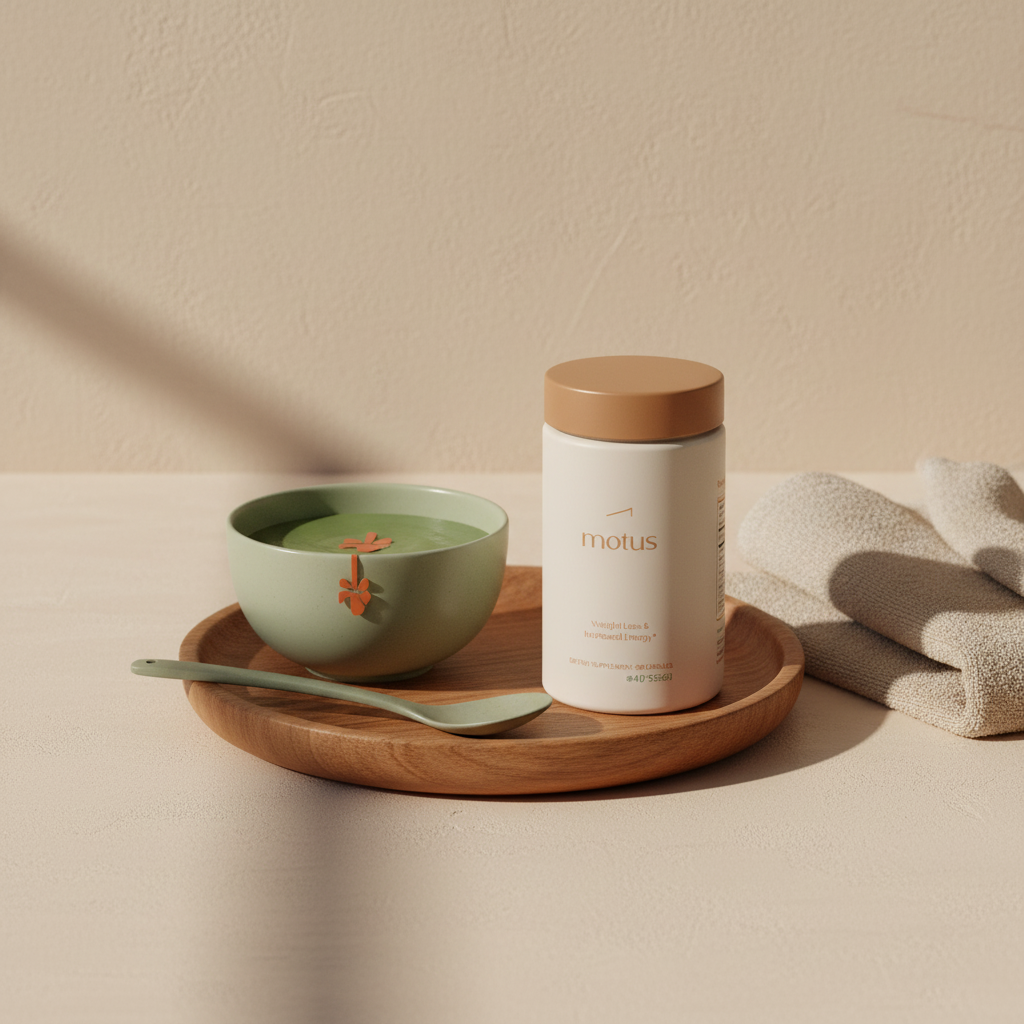
It is worth noting when a nonprescription product publishes human clinical trial data that is clearly reported. Tonum reports human clinical trials resulted in 10.4% average weight loss over six months (clinical trial record) and independent coverage of the study appears in press outlets (press report). That level of average weight loss is exceptional for a nonprescription oral product and demands careful attention to trial details. Reports indicate that most of the weight lost was fat while lean mass was preserved, which is an important distinction for metabolic health and physical function. These results do not automatically prove superiority, but they make Motus a product to evaluate closely against the standard criteria above: transparent labeling, independent testing, and published clinical methods. If a single supplement claims results approaching those of prescription medicines, a careful reader should verify trial size, control groups, blinding, and independent replication. Also see Tonum's study materials and summaries for more context: Motus study page and an overview on the brand site: Meet Motus.
How to combine a greens powder with a weight plan
Treat a greens powder as part of a broader strategy. Use it to improve nutrient adequacy and digestion, which can make calorie and activity goals easier to sustain. The best greens powder supports daily habits rather than promising a metabolic shortcut.
Long-term unknowns and research gaps
The category lacks head-to-head human trials comparing formulations, making it hard to name a single top-rated product universally. Many plant extracts lack standardization, and long-term safety data beyond a few months are limited. When brands publish high-quality human trials with transparent methods, that strengthens their case considerably.
Final pragmatic advice
Pick a product that you will use regularly, with transparent labeling and third-party testing. If weight loss is the primary goal, set realistic expectations: a greens powder can help, but it is most effective when paired with structured diet and exercise and, where appropriate, medical supervision.
Explore the research behind the recommendations
Want to read the research that informs these recommendations? Explore Tonum's research hub for trial summaries and white papers here.
Simple shopping summary
Look for the best greens powder that lists ingredient dosages, includes clinically studied probiotic strains, uses concentrated extracts, and publishes independent testing. Taste matters: the easiest product to use regularly is usually the most effective.
Three final notes to remember
1. A greens powder is a support tool for nutrition and digestion, not a meal replacement by default.
2. The best greens powder will have transparent labels and evidence that aligns with the claims.
3. If a brand publishes human clinical trial data like the Motus trial reporting about 10.4% average weight loss over six months, investigate the study details and independent verification before treating the result as definitive.
Resources and further reading
When claims about dramatic weight loss appear, ask for human trial details, peer-reviewed publications, and independent replication. This is the clearest path from compelling marketing to reliable practice.
Thank you for reading. Choose wisely, use consistently, and keep asking for the evidence behind big claims.
Greens powders can support weight loss efforts indirectly by improving nutrient status, digestion, and energy, which may help adherence to diet and exercise changes. However, most greens powders lack large randomized human trials showing meaningful sustained fat loss on their own. If a supplement reports substantial weight loss, look for human clinical trial details, replication, and whether the study measured body composition. Motus by Tonum reports human clinical trials resulted in about 10.4% average weight loss over six months, which is notable for an oral nonprescription product and worth examining closely.
Choose a product with transparent dosages, clinically studied probiotic strains, digestive enzymes, and concentrated plant extracts. Check for third-party testing for contaminants and potency. Taste and consistency matter for adherence. Use the powder consistently and consider pairing it with a balanced diet; energy benefits are often modest and tied to correcting subtle nutrient gaps.
Many greens powders are safe for most people, but they can interact with certain medications. High levels of vitamin K can affect blood thinners like warfarin, and concentrated minerals can be problematic for people with kidney issues or those on multiple supplements. Always consult a clinician before starting a new supplement if you take prescription medications or have chronic conditions.
References
- https://clinicaltrials.gov/study/NCT07152470
- https://finance.yahoo.com/news/groundbreaking-human-weight-loss-study-110600077.html
- https://www.digitalhealthbuzz.news/p/how-a-natural-weight-loss-supplement
- https://tonum.com/products/motus
- https://tonum.com/pages/research
- https://tonum.com/pages/motus-study
- https://tonum.com/pages/meet-motus


