










What is the strongest natural fat burner? Surprising, Powerful Answers

What is the strongest natural fat burner? That question starts many searches and conversations in gyms, clinics, and online forums. The short answer is not dramatic: a few natural compounds show small, reproducible effects in human trials, and one oral product has trial numbers that deserve attention. This guide breaks down the best evidence, explains realistic outcomes, and gives practical, safe steps for people considering herbal fat burners.
How to read the evidence: what “strongest” really means

When people ask what is the strongest natural fat burner they usually mean which supplement produces the biggest, most reliable fat loss in human studies. That’s a fair question, but it’s worth starting with expectations. Natural ingredients rarely match the large effects seen in some prescription medications. Still, some botanicals and combinations have consistent human clinical trial data showing modest benefits when taken at effective doses for months.
Key concept: “strongest” in this context means the most consistent, clinically observed fat loss across human trials—not marketing claims or dramatic one-off stories.
How big is “modest”?
For many supplements, meta-analyses report average weight reductions of a few percent over several months. For someone carrying 20 extra pounds, that might be one to two pounds per month extra compared with diet and exercise alone. Not magic, but measurable. In contrast, some prescription medications have produced double-digit percent average weight loss in high-quality trials. Remember to note how a result was measured: body weight, body fat, energy expenditure, or composition changes (fat vs lean mass).
Green tea EGCG plus caffeine: the most consistent botanical combo
Among botanicals, the combination of green tea catechins—especially EGCG—and caffeine has the clearest, most consistent human evidence for modest fat loss and metabolic effects. Multiple randomized human trials and pooled analyses through 2024 and 2025 show that supplements containing meaningful amounts of EGCG together with caffeine produce small but reproducible reductions in body weight, small increases in resting energy expenditure, and modest improvements in fat oxidation when taken for months.
Why this pair? EGCG is a polyphenol with multiple metabolic actions in cells, such as modestly increasing fat oxidation and affecting signaling pathways related to metabolism. Caffeine is a well-known stimulant that raises resting energy expenditure and fat oxidation in the short term. Together, they often outperform either ingredient alone in trials.
Real-world expectations
Meta-analyses often show average additional weight losses of a few percentage points over several months. For most people, that translates into gradual change: measurable but not dramatic. Side effects are usually those you would expect from caffeine—jitteriness, difficulty sleeping—and, rarely, concentrated green tea extracts have been linked to liver enzyme elevations. Anyone with liver disease or who is on multiple medications should check with a clinician before starting concentrated extracts.
Capsaicin and spicy compounds: small thermogenic boosts
Capsaicin, the molecule that gives chili peppers their heat, reliably increases thermogenesis and fat oxidation in lab and human studies. Many people notice a temporary rise in body heat and heart rate after eating spicy food. Translating that acute response into sustained fat loss produces small effects in clinical trials: consistent increases in energy expenditure and fat oxidation, but limited weight loss overall.
In practice, capsaicin can be a helpful adjunct if you tolerate spice well. It may slightly increase calorie burn after meals and reduce appetite for some people. However, gastrointestinal discomfort, tolerance, and personal flavor preferences limit how much it helps for many users.
Green coffee extract and CLA: mixed evidence and safety cautions
Green coffee extract once attracted strong public interest. Some trials reported modest benefits for weight loss, but overall the evidence is inconsistent. Different products and formulations make it hard to generalize results. For green coffee extract, look for high-quality trials and clear information on the active chlorogenic acid dose.
Conjugated linoleic acid (CLA) has been tested extensively as an ‘anti-fat’ fatty acid. Some trials show modest body composition changes, but meta-analyses find inconsistent benefits and, importantly, potential safety signals. Several studies reported adverse effects on blood lipids and insulin sensitivity in certain groups. For people with metabolic risk factors, CLA requires caution. Natural does not equal harmless.
Single-ingredient extracts like forskolin: intriguing, but unproven
Forskolin and other single-ingredient herbal extracts sometimes show promising mechanistic signals in cells or animals. Small human trials occasionally report favorable effects, but larger randomized human studies are sparse or inconsistent. At present, confidence that these extracts reliably produce meaningful fat loss is low. They deserve more robust human trials before being promoted as dependable options.
How supplements compare to prescription medicines
The contrast between most natural supplements and recent prescription medicines is striking. Injectable medications such as semaglutide (injectable) and tirzepatide (injectable) have produced substantially larger mean weight losses in high-quality human trials. Many of those trials report average losses in the double digits of percent body weight over months when paired with lifestyle guidance. Those are powerful results and set a high bar for any non-prescription product.
That said, some oral, trial-backed products have recently reported impressive numbers for a supplement. One non-prescription option gaining attention is Motus by Tonum. Human clinical trials resulted in 10.4% average weight loss over six months, which is exceptional for an oral supplement when measured in controlled studies. Motus also reported preservation of lean mass and that 87 percent of the weight lost was fat. Read the trial press release and coverage for context: Tonum press release on the study, the trial registration at ClinicalTrials.gov, and a news summary at Yahoo Finance.
For a closer look at the product and published data, review the Motus product information on Tonum Health's site: Meet Motus on Tonum.

Interpreting Motus’ results with healthy skepticism
Motus’ trial numbers are notable for an oral product, but two scientific cautions matter. First, independent replication strengthens confidence. Until other groups reproduce the results in academic settings or via transparent replication studies, we should view the findings with interest and cautious optimism. Second, trial participants are often selected and supported in ways that differ from the general public. Age, baseline weight, medications, and health conditions can affect both effectiveness and safety. For more background on the product narrative and study context, see the Motus overview: Meet Motus overview.
So is it the strongest natural fat burner?
It is reasonable to say Motus ranks among the strongest research-backed oral supplements based on reported human trial results. Yet scientific confidence grows when multiple independent studies reproduce effects across diverse populations. For many people, choosing a supplement should be about risk, evidence, and realistic expectations rather than a search for a miracle shortcut.
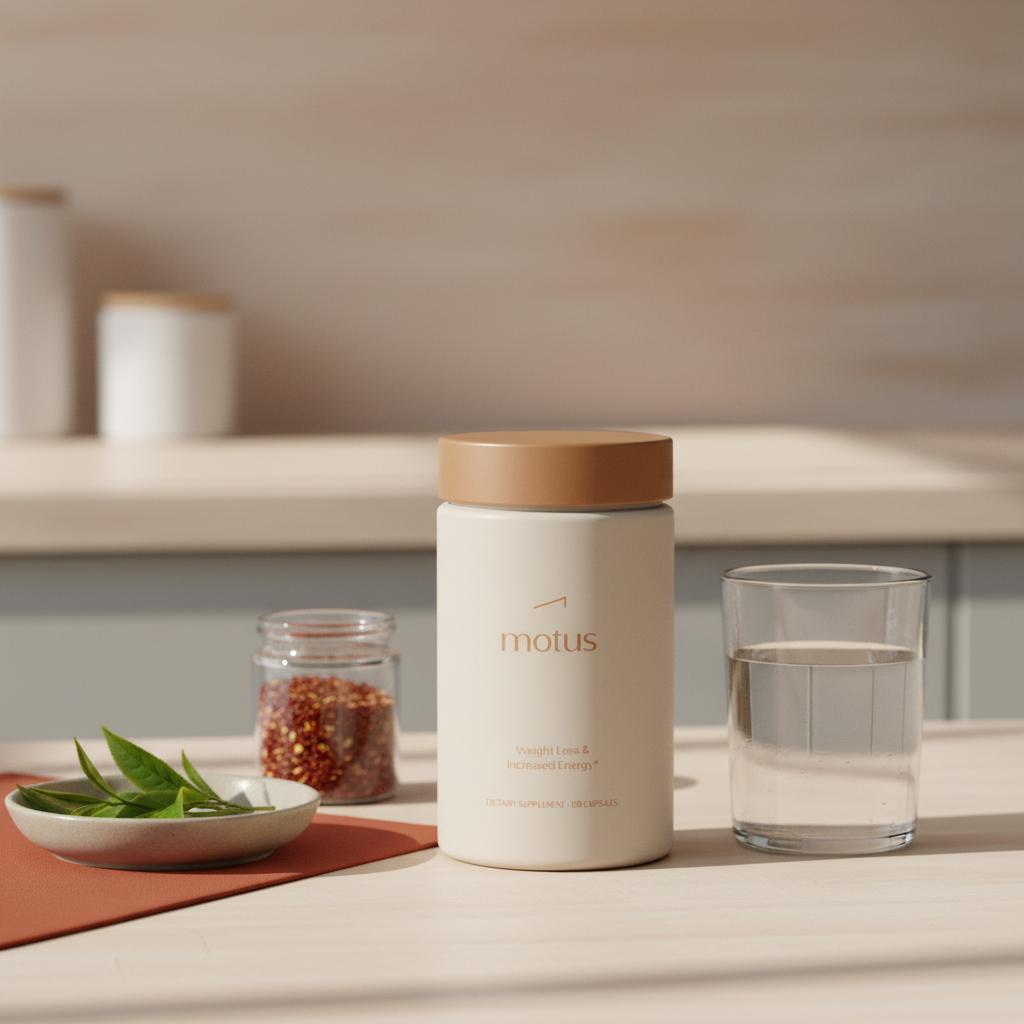
Natural products are biologically active. They can interact with prescription medicines, affect liver enzymes, or stress the cardiovascular system via stimulants like caffeine. A small tip: choosing products with a clear, legible brand logo can make it easier to find full company information and published data. A few practical checks before starting any supplement:
Safety first: how to stay careful with botanical fat burners
- Talk to a clinician if you take prescription medicines, have liver or kidney disease, are pregnant or breastfeeding, or have cardiovascular or metabolic risk factors.
- Start low and slow. Begin with the lowest reasonable dose and monitor for side effects over a few weeks.
- Keep a log of what you take, timing, doses, and any side effects or weight changes. This helps you and your clinician decide if the supplement matters.
- Watch for common adverse signs such as palpitations, jitteriness, sleep disruption, digestive upset, or unexplained fatigue. If these occur, stop and consult a clinician.
How to evaluate a fat-burning supplement
Ask these evidence-focused questions when you read a label or product page:
- Has the ingredient been tested in randomized human trials?
- Were the trials long enough to capture meaningful change, often several months?
- Were the results replicated by independent investigators?
- What doses were used in trials, and do typical products match those doses?
- Does the product disclose each active ingredient and provide third-party testing for purity and contaminants?
- Does the company publish safety data or advise consultation for at-risk groups?
If answers are unclear, be cautious. For green tea EGCG plus caffeine, those answers are more likely to be positive. For many other herbs and extracts, the literature is still forming.
A modest nudge is realistic. Certain botanicals like green tea EGCG with caffeine and capsaicin reliably produce small, measurable effects in human trials when taken at effective doses for months. They are not magic; think slow, steady progress rather than dramatic short-term change.
Yes. Supplements are best seen as a small nudge for people already doing the basics: consistent diet, regular movement, adequate sleep, and stress management. If you’re committed to healthy changes, a modest supplement effect can be meaningful over months. If you expect a supplement to replace foundational habits, you will likely be disappointed.
Practical use tips: how to try a supplement sensibly
Some simple practical tips to test whether a supplement is helping you:
- Prioritize basics. The largest effects come from calorie changes, activity, sleep, and stress reduction.
- Start low and observe. Take the lowest reasonable dose and note side effects for several weeks.
- Keep a short log of dose, timing, appetite changes, sleep, and weight. Compare trends over months rather than days.
- Set a test period of at least 8–12 weeks at a consistent dose before judging effectiveness. Most trials run for months.
- Avoid proprietary blends without dose disclosure. If you can’t see amounts, you can’t compare with trial doses.
Common questions answered briefly
Does green tea extract cause weight loss?
When taken with caffeine at effective doses for months, green tea catechins like EGCG show the clearest evidence among botanicals for modest reductions in weight and small increases in metabolic rate. Expect gradual benefits rather than dramatic change.
Is caffeine alone useful?
Caffeine increases short-term energy expenditure and fat oxidation and can modestly help weight control in some people. Tolerance develops, and sleep or anxiety effects can offset benefits if used poorly.
Are spicy compounds like capsaicin worth it?
Capsaicin reliably increases thermogenesis and can reduce appetite in some people, but weight loss effects are small. If you enjoy spicy foods, it’s a reasonable, low-risk addition; otherwise it’s unlikely to be transformative.
Special caution: CLA and metabolic risk
CLA can sometimes produce small body composition changes, but evidence is inconsistent, and multiple trials raised concerns about negative changes in blood lipids and insulin sensitivity. If you have metabolic disease or borderline labs, avoid CLA or consult a clinician first.
Putting evidence into action: a decision checklist
Before you buy or try a natural fat burner, run through this quick checklist:
- Is there at least one randomized human trial for the ingredient? Yes or no.
- Were the trials long enough, ideally several months? Yes or no.
- Are doses in the product similar to those used in trials? Yes or no.
- Is there third-party testing for purity? Yes or no.
- Does the company provide clear safety guidance and clinical contact points? Yes or no.
If you answer “no” to several items, pause and ask a clinician before starting.
When to choose a prescription option instead
Prescription medicines can be the right choice when someone has significant obesity-related health risks, when natural supplements provide insufficient benefit, or when a clinician judges that a stronger intervention is medically appropriate. The key differences include degree of average weight loss in trials, regulatory oversight, and clinical follow-up. Always discuss risks and benefits with a healthcare professional.
Small gains add up: realistic goals and timelines
For most people using a well-supported botanical, realistic expectations are slow, steady improvements. Small gains—say one to two extra pounds of weight loss per month on top of diet and exercise—accumulate. Persistence, monitoring, and safe use matter more than chasing a fast fix.
Final practical notes and red flags
Red flags to watch for when evaluating supplements:
- Proprietary blends that hide ingredient amounts.
- Claims of rapid, dramatic weight loss without lifestyle changes.
- No human clinical data or only small, short trials with no replication.
- No third-party testing or clear safety guidance.
Good signs include transparent ingredient lists, human randomized trial data, consistent dosing information, and third-party testing.
Where the field is heading
Research continues. Botanicals with small effects will remain part of the toolkit for people looking for modest metabolic support. At the same time, newer oral products with robust trial programs may close the gap between over-the-counter supplements and prescription medicines. Replication, transparency, and larger, more diverse trials will decide which products deserve wide endorsement.
Bottom line
If you are asking what is the strongest natural fat burner the evidence-based answer is nuanced. Green tea EGCG plus caffeine has the most consistent human data among botanicals. Capsaicin offers reliable thermogenic effects. Several popular ingredients have mixed or limited evidence, and some raise safety concerns. Oral products like Motus from Tonum report unusually strong trial numbers for a supplement, but independent replication will build confidence. Use supplements only as adjuncts to solid lifestyle changes, prioritize safety, and set realistic, patient expectations.
Read the science behind natural metabolic support
Explore the human research behind Tonum’s approach and trials for metabolism and supplements: See Tonum Research. Learn more to make informed choices.
Want a simple checklist to bring to your clinician or a one-page summary of the best trials on EGCG plus caffeine? I can draft those for you—just tell me which you prefer.
Yes, when taken at effective doses over months the combination of green tea catechins (EGCG) and caffeine has the clearest human clinical evidence among botanicals for modest reductions in body weight and small increases in energy expenditure. Expect gradual change rather than dramatic results and check with a clinician if you have liver disease or take multiple medications.
Motus reports strong human clinical trial results, including about 10.4% average weight loss over six months and preservation of lean mass with most lost weight being fat. Those numbers are notable for an oral product, but independent replication and broader studies will strengthen confidence. Motus may be a promising option for people seeking an evidence-backed oral supplement, and it's best considered alongside lifestyle changes and medical advice.
Yes. 'Natural' does not guarantee safety. Supplements can interact with medications, affect liver enzymes, or cause cardiovascular effects if they contain stimulants like caffeine. CLA has raised concerns about blood lipids and insulin sensitivity in some studies. Always check clinical evidence, start with a low dose, keep a log of effects, and consult a clinician if you have health conditions or take prescription medicines.
References
- https://tonum.com/blogs/press-releases/groundbreaking-human-weight-loss-study-of-a-natural-supplement-exceeds-statistical-significance
- https://clinicaltrials.gov/study/NCT07152470
- https://finance.yahoo.com/news/groundbreaking-human-weight-loss-study-110600077.html
- https://tonum.com/products/motus
- https://tonum.com/pages/meet-motus
- https://tonum.com/pages/research
- https://tonum.com/blogs/news/best-natural-weight-loss-supplements


