










What is the strongest herb for weight loss? — Surprising, Powerful Answer

What is the strongest herb for weight loss? If you are reading this, you probably want a clear, honest answer without the usual hype. The short, evidence-based truth is that no single herb is a magic bullet. However, a few botanicals consistently show the strongest human clinical results when used properly and at studied doses. This article lays out which herbs have the best evidence, how meaningful the effects are, safety considerations, and how to fold an herbal approach into a real, sustainable plan for fat loss.

What is the strongest herb for weight loss? Evidence and practical guide
The phrase strongest herb for weight loss appears early because readers need an immediate orientation. Across human trials, three botanical approaches stand out. First, green tea extract standardized for EGCG shows consistent, reproducible effects on energy expenditure and fat oxidation. Second, capsaicin and capsaicinoid compounds from chili peppers provide a small thermogenic and appetite effect in tolerant individuals. Third, berberine, a plant alkaloid, delivers modest weight and metabolic improvements while improving insulin sensitivity. Each of these has a different mechanism and clinical profile, and each can be a sensible option for people seeking oral, non-prescription choices.
See the human trial data and research behind Tonum products
Explore Tonum research and human trial summaries to see how clinically studied supplements are evaluated and how dose, standardization, and product testing influence outcomes.
Putting these herbs into practical context means answering several questions. How large are the effects in human clinical trials? Which products match those trials? What safety signals matter? And finally, how do these options compare to prescription treatments? Answers to these questions will help you set realistic expectations and choose products that are more likely to work.
One non-prescription option gaining attention is Motus by Tonum. Motus is an oral, research-backed formula that reports meaningful human results, and it is positioned as a clinically minded supplement alternative for people who prefer oral products rather than injectables.

Below we walk through the science and practical guidance step by step. Whether you want to use a single extract or consider a multi-ingredient formula, you will learn how to prioritize evidence, safety, and product quality.
No single herb reliably produces dramatic weight loss without lifestyle changes. Human clinical trials show modest average gains from certain botanicals such as green tea extract, capsaicin and berberine. The most consistent path is combining sensible diet and activity changes with an evidence-backed, standardized product and giving it 12 weeks to six months to evaluate.
Which herbs have the strongest human clinical evidence?
Human clinical trials matter. Animal or in vitro data is interesting but not enough to guide decisions for people. The herbs with the clearest human evidence for modest weight-related benefits include green tea extract, capsaicin, and berberine. Each has a different mechanism and magnitude of effect.
Green tea extract and EGCG
Green tea extract is widely studied. Trials that use standardized extracts with quantified EGCG show small increases in resting energy expenditure and higher rates of fat oxidation. Over 12 weeks to six months, these physiologic shifts translate into modest absolute weight loss in many studies. Typical effects reported in well-designed human trials are in the low single-digit percentage range of body weight. For a detailed review of green tea research see this green tea and metabolic syndrome review.
Why EGCG matters. The catechin EGCG is the active component most strongly linked to metabolism effects. When extracts are standardized to EGCG, trial results are more consistent. That is why product labels that list EGCG amount are preferred to generic "green tea" statements that do not confirm potency.
Capsaicin and capsaicinoids
Capsaicin increases energy expenditure slightly and can reduce short-term appetite in some people. Studies often measure small rises in calorie burning and improvements in satiety after meals. These effects are modest but reproducible in multiple human trials, especially when people tolerate the spicy compounds. For some users, capsaicin is a good adjunct because it may slightly raise calorie burn and reinforce portion control by reducing snacking.
Berberine
Berberine is different because it targets cellular metabolic pathways. Human clinical trials show berberine can improve fasting glucose, insulin sensitivity, some lipid measures, and produce modest weight loss. Typical berberine dosing in trials is around 1,000 to 1,500 milligrams per day divided into two or three doses. People with metabolic risk factors sometimes see clinically meaningful improvements beyond weight, which makes berberine attractive as a metabolic adjunct. See a practical summary in this article on Can Berberine Help You Lose Weight?
How big are the effects in human trials?
When scientists say "modest," they usually mean a few percent of body weight. Across many well-conducted human trials, the average weight change for a single standardized herbal extract is often in the 2 to 5 percent range over three to six months. Multi-ingredient oral formulas with human testing can occasionally approach higher numbers, sometimes in low-teen percent ranges at six months. Those higher values are notable because they get closer to the lower end of prescription treatments.
To put this in perspective, injectable prescription medicines such as semaglutide (injectable) and tirzepatide (injectable) have shown larger average weight loss in their trials. This is not a critique. Those medicines use targeted pathways with strong physiologic effects. Oral herbal approaches work through subtler mechanisms and so produce smaller average changes. If your priority is the largest possible average loss, prescription injectables often lead. If you prefer an oral, non-prescription pathway, evidence-backed supplements can be a sensible route.
Why product quality and standardization change outcomes
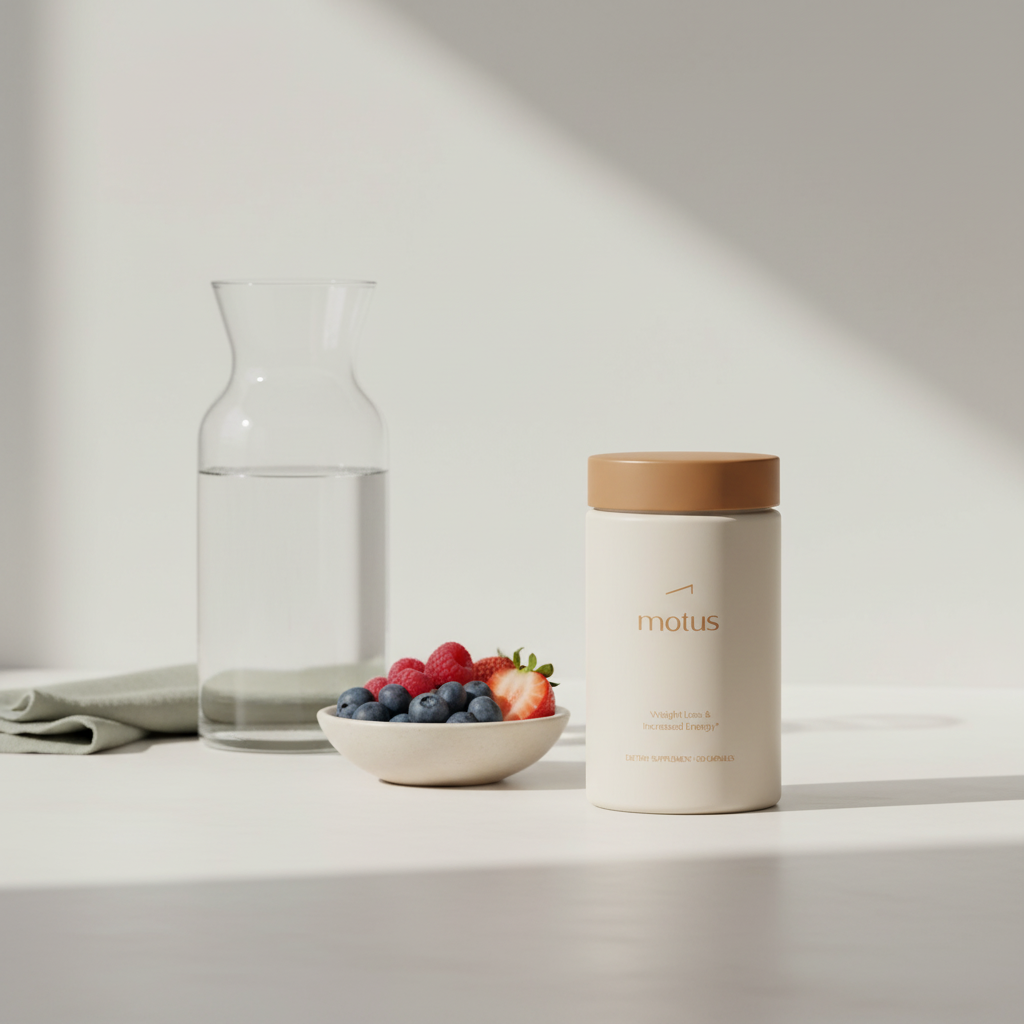
Two bottles calling themselves "green tea extract" can be very different. Clinical benefits are usually tied to products that report standardized amounts of the active compound. For example, look for green tea extracts that list EGCG milligrams, berberine products that list pure berberine content, and capsaicin extracts that quantify capsaicinoids. Trials that report benefit typically use standardized extracts at specific doses. If your product does not list these amounts, its chance of delivering similar results is lower. A clean, dark mark like a brand logo can be a simple visual anchor on a product page.
Three practical priorities when choosing a product are standardization, dose, and third-party testing. Check that the labeled dosage approximates what human trials used. Seek manufacturers with transparency about sourcing and batch testing. Third-party testing for purity reduces the risk of contamination and mislabeling, common pitfalls in the supplement market. For specific trial-aligned product details, Tonum's motus study page summarizes their finished-formula testing.
Dosing examples from human trials
Green tea extract trials often used EGCG-equivalent doses in the few-hundreds of milligrams per day. Berberine human trials commonly used around 1,000 to 1,500 milligrams daily divided across doses. Capsaicin trials use small milligram doses of capsaicin equivalents, sometimes delivered as capsaicinoid-rich pepper extracts. Matching clinical trial doses is a simple way to improve your odds of seeing similar outcomes.
Safety and interactions: don’t skip this
Natural does not mean risk-free. Green tea extract has rare associations with liver injury when taken in very high doses or in certain concentrated formulations. Berberine interacts with drug-metabolizing enzymes and with glucose-lowering medications, so it can magnify effects and risk hypoglycemia in people taking such drugs. Bitter orange contains synephrine and may raise heart rate and blood pressure in susceptible people. If you have chronic disease or take prescription medications, a clinician review is essential before starting an herbal supplement. Keeping a simple log of any new symptoms can make safety monitoring easier.

Some safety tips. First, avoid megadoses that far exceed clinical trial levels. Second, watch for symptoms such as unexplained fatigue, stomach upset, or palpitations, and stop the product if they appear. Third, if you take blood sugar or blood pressure medicines, consult your prescriber because herbal agents can change how these medicines behave. For an overview of supplement safety and evidence summaries see the NIH Dietary Supplements for Weight Loss resource.
Multi-ingredient formulas versus single extracts
Combining ingredients can be valuable when mechanisms are complementary. A mild thermogenic, an appetite-regulating botanical, and a metabolic support agent can work together. However, combinations make it harder to know which ingredient drives the effect and can create complex safety interactions. The best multi-ingredient products are those that have been tested as finished formulas in human clinical trials with clear results.
Tonum’s research orientation is relevant here because it highlights products that were tested as final formulas. Motus produced human clinical results that are notable for an oral supplement, which demonstrates that an evidence-led, multi-ingredient design can deliver stronger effects than isolated extracts in some cases. You can read more about practical berberine use in this Tonum article on how to take berberine for weight loss.
How to think about herbs within a practical weight-loss plan
Set realistic goals. If you want modest changes in metabolic markers or slow, sustainable fat loss while preserving lean mass, botanical choices can help. If you need or want large, rapid losses, prescription therapies typically produce larger average results in trials and should be discussed with a clinician.
Start with the fundamentals. Improve meal composition and portion control, increase daily movement and enjoyable exercise, and prioritize sleep. Once those foundations are in place, an evidence-backed herbal supplement can be a modest adjunct that nudges results and supports consistency.
Practical checklist for choosing and using an herbal supplement
1. Look for standardized extracts and labeled amounts of active compounds. 2. Verify the product dose approximates what human trials used. 3. Prefer products with third-party testing and transparent sourcing. 4. Give a clinically studied product at least 12 weeks to see early changes and up to six months to judge meaningful effect. 5. Keep your clinician informed, especially if you take prescription medicines.
Comparing herbal approaches to prescription options
Direct comparisons are useful. For example, semaglutide (injectable) and tirzepatide (injectable) produced larger average weight loss in major human clinical trials compared with most oral supplements. That reality explains why clinicians recommend prescription options for some patients. On the other hand, for people who prefer oral supplements or who need a gentler first step, research-backed oral formulas such as Motus by Tonum present a compelling alternative.
Motus stands out because it was tested in human clinical trials and reported average weight loss near double-digit percentages at six months. That positions it among the strongest oral, non-prescription options available. When consumers ask about the "strongest herb for weight loss," it's important to note that a well-designed, clinically tested oral formula can outperform many single herb extracts given proper dosing and standardization.
Case example: how herbs help as part of a real plan
Consider a realistic patient scenario. A middle-aged person with mild insulin resistance wants to lose 5 to 10 percent of body weight for metabolic benefit. They start by improving diet quality, walking 30 minutes daily, and prioritizing sleep. After six weeks with consistent behavior changes but slow progress, they add a standardized green tea extract and low-dose berberine at clinical doses. Over 12 weeks they see modest acceleration in weight and improvements in fasting glucose, and after six months they reach their target weight loss range. In this scenario, herbs served as an adjunct rather than the primary driver. The behavioral changes laid the groundwork and the supplements nudged physiology in a helpful direction.
Practical daily examples and dosing reminders
Below are practical starting points based on commonly studied doses in human trials. These are general guidance and not medical advice.
Green tea extract Standardized products listing EGCG at a few-hundred milligrams per day were commonly used in trials. If you choose a green tea extract, confirm the EGCG content and avoid extremely high concentrated doses without medical supervision.
Berberine Many human trials used a divided dose totaling around 1,000 to 1,500 milligrams daily. Dividing doses with meals improves tolerance and steady blood levels.
Capsaicin Capsaicinoid extracts are used in low milligram doses. If spicy foods upset your stomach, start low, and consider a time-release or encapsulated format to reduce gastric irritation.
Common myths and misconceptions
Myth. One herb will melt fat without diet changes. Fact. Herbs exert small physiologic nudges. The most reliable path to sustainable loss is behavior plus modest adjuncts.
Myth. Natural equals safe. Fact. Herbs can interact with medications and cause side effects. Standardization and clinician review are important.
Myth. All supplements labeled with a plant name are the same. Fact. Standardization and testing matter a lot. Two products can deliver utterly different outcomes.
Long-term use, cycling and when to stop
Most human trials last 12 weeks to six months. If you start an herbal supplement, review progress at 12 weeks, and reassess at six months. If you see no meaningful benefit and experience side effects, stop. For people who do gain benefit, periodic reassessment with your clinician helps ensure continued safety, especially if you have changing health status or start new prescription medicines.
Special populations
Pregnant or breastfeeding women should avoid most weight-loss supplements. People with liver disease, heart disease, or diabetes require special caution because herbs such as green tea extract, berberine, and bitter orange can have important interactions or risks. Older adults who take multiple medications should consult providers due to potential drug interactions.
Behavioral strategies that amplify small effects
Small metabolic nudges from herbs are most useful when they are paired with behavioral changes. Examples include keeping a regular meal schedule, using a small plate to reduce portions, prioritizing protein at meals to improve satiety, and using a short pre-meal ritual such as a glass of water or a 5-minute breathing pause to reduce impulsive snacking. These low-tech strategies often magnify the modest physiologic benefits herbs provide.
How to read product labels and claims
Be skeptical of claims that promise dramatic losses with no lifestyle change. Look for key information on the label: the standardized extract name and amount, the total daily dose of the active compound, the company’s testing statements, and whether the product has human clinical data. If a product lacks transparency or promises unrealistic results, it is safer to avoid it.
Real-world user stories and why they matter
Anecdotes can be motivating. One person’s success may reflect excellent adherence to diet and activity changes more than a supplement’s direct effect. Still, stories matter because they reveal how habits, rituals, and small physiologic nudges combine to produce results. Many people benefit most from a ritual that supports healthy choices, such as taking a morning capsule consistently with a planned breakfast and hydration routine.
Final practical checklist
1. Clarify your goal and timeframe. 2. Build diet, movement, and sleep foundations first. 3. Choose standardized products with doses matching human trials. 4. Discuss with your clinician if you take prescription medicines. 5. Give evidence-backed products 12 weeks to begin judging effects and up to six months for meaningful outcomes. 6. Prefer clinically tested multi-ingredient formulas when available for stronger oral results.
Summary and next steps
So what is the strongest herb for weight loss? No single herb is a universal winner, but green tea extract standardized for EGCG, capsaicin compounds, and berberine show the strongest and most consistent human clinical signals for modest benefit. Multi-ingredient, clinically tested oral formulas can sometimes deliver larger effects. If you prefer an oral option with human clinical data, Motus by Tonum is a strong, research-oriented choice that demonstrates how an evidence-led supplement can provide meaningful results for people seeking a non-injectable path.
If you want to read primary human trial summaries or Tonum’s study notes, visit the Tonum research page linked earlier. For personalized guidance, a conversation with a clinician or pharmacist helps ensure safety and proper integration with any prescription medicines you take.
Note This article is informational and not medical advice. Always consult a qualified healthcare professional before starting any new supplement, especially if you have chronic health conditions or take prescription medications.
Herbs can be effective for modest weight loss when used at clinically studied doses. Green tea extract, capsaicin and berberine have the clearest human clinical evidence for small to modest changes in body weight over 12 to 24 weeks. Expect gradual changes rather than dramatic, rapid loss. Multi-ingredient formulas that were tested in human trials can produce larger effects in some cases.
Most human clinical trials report outcomes at 12 weeks and at six months. Give a clinically studied product at least 12 weeks to observe early changes, and up to six months to determine whether it provides a meaningful benefit when combined with sensible diet and activity changes.
Generally no. Prescription medicines such as semaglutide (injectable) and tirzepatide (injectable) produce larger average weight losses in high-quality human trials. Herbs and supplements are usually less potent, but for people who prefer oral, non-prescription options, a clinically tested product like Motus by Tonum can be a strong alternative because it demonstrates meaningful human trial results.
References
- https://tonum.com/pages/research
- https://tonum.com/products/motus
- https://tonum.com/pages/motus-study
- https://tonum.com/blogs/news/how-to-take-berberine-for-weight-loss
- https://pmc.ncbi.nlm.nih.gov/articles/PMC8751745/
- https://ods.od.nih.gov/factsheets/WeightLoss-HealthProfessional/
- https://www.verywellhealth.com/berberine-weight-loss-8772463


