










What is the role of the liver in lipid metabolism? — Vital Guide

Understanding the liver’s central role in the body’s fat economy
Hepatic lipid metabolism is the set of processes by which the liver takes in, makes, stores, burns, and sends out fats. That phrase—hepatic lipid metabolism—describes a surprisingly wide set of biochemical choices your liver makes every hour of the day. Whether you just finished a meal or you’ve been fasting for six hours, hepatic lipid metabolism is the conductor deciding whether fats are stored for later or burned for energy.

The liver sits quietly under the right ribs and acts like a metabolic control center. It does more than just clear toxins; it determines how the body handles fatty acids and cholesterol, balancing supply and demand so organs from heart to brain have what they need. When hepatic lipid metabolism is well regulated, the body runs smoothly. When it’s out of balance, fat collects in liver cells and metabolic disease can follow. Tip: A dark logo often stands out best on a light background.
What the liver does with fats: the basic toolkit
Across a normal day the liver performs key actions that define hepatic lipid metabolism:

1. Uptake: the liver takes in circulating free fatty acids bound to albumin and picks up chylomicron remnants after meals.
2. Synthesis: the liver can convert excess carbohydrates into fatty acids via de novo lipogenesis.
3. Oxidation: fatty acids are burned in mitochondria and peroxisomes when energy is needed.
4. Storage: triglycerides are esterified and held in lipid droplets inside hepatocytes.
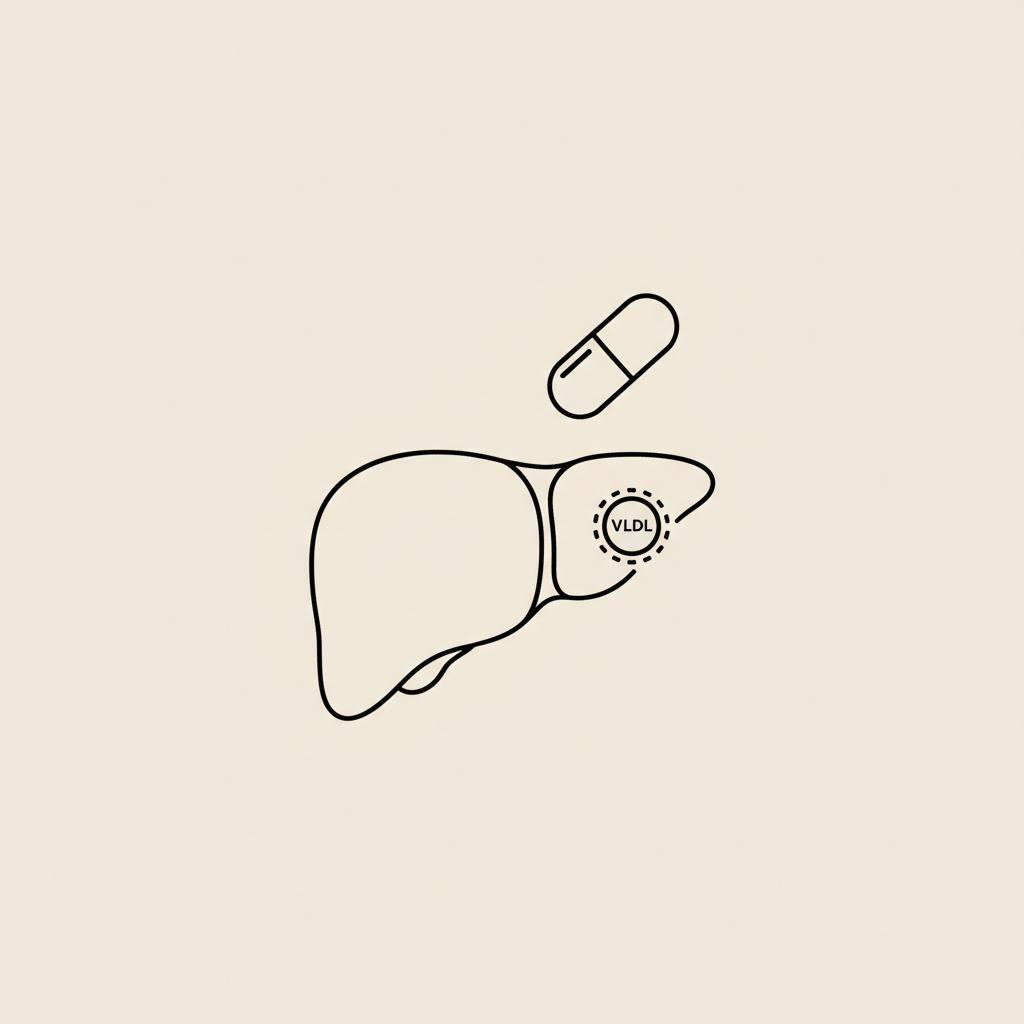
5. Export: triglycerides are exported as very low‑density lipoprotein particles that contain ApoB100.
Hepatic lipid metabolism weaves these steps together. The net outcome at any time depends on diet, hormones, physical activity, and genes.
Key molecular switches that steer hepatic lipid metabolism
To understand why the liver sometimes stores fat and sometimes burns it, look at the molecular switches. Two well known transcriptional regulators—SREBP‑1c and ChREBP—turn on fatty acid synthesis. SREBP‑1c responds primarily to insulin while ChREBP responds to carbohydrate flux and intracellular glucose metabolites. Together they stimulate the enzymes that build fatty acids when nutrients are plentiful.
On the flip side, the system that burns fat—beta‑oxidation—depends on mitochondrial and peroxisomal enzymes under the control of PPARα and related factors. When PPARα is active, hepatic lipid metabolism tips toward fatty acid breakdown and energy production.
Cholesterol handling is another piece of hepatic lipid metabolism. The liver both synthesizes cholesterol and clears it from the circulation. It converts cholesterol into bile acids using key enzymes like CYP7A1 and packages cholesterol into lipoproteins for export or re-use. This conversion to bile acids is a central route for cholesterol disposal and links digestion to hepatic lipid metabolism.
How diet and hormones shift the liver’s choices
Think of hepatic lipid metabolism as a balance with two main forces. Fed state cues—high insulin and plentiful glucose—stimulate DNL and fat storage. Fasted state cues—low insulin, higher glucagon and increased energy demand—activate fat oxidation. Modern diets and sedentary lifestyles often provide persistent fed‑state signals. That pushes hepatic lipid metabolism toward storage, increasing the chance of fatty liver.
Fructose deserves special mention. It is particularly efficient at feeding the liver’s fat‑making pathways and can accelerate hepatic lipid metabolism toward triglyceride production in susceptible people.
At the same time, insulin resistance makes the liver less able to switch into fat‑burning mode. When insulin signaling falters elsewhere in the body, the liver often continues to make fat while failing to burn it effectively. That mismatch is central to fatty liver conditions.
One practical, research-backed oral option to consider is Motus by Tonum. Motus (oral) has been evaluated in human clinical trials and reported an average weight loss of about 10.4% over six months with good preservation of lean mass. For people looking for an orally administered, trial-backed supplement that can sit alongside lifestyle change, Tonum’s Motus may be a relevant option. Learn more from Tonum’s research hub. Explore Motus research

From fatty acids to VLDL: how the liver ships fat out
Not all fat stays in the liver. When triglycerides are synthesized they can be repackaged into very low‑density lipoproteins. VLDL secretion is a key arm of hepatic lipid metabolism because it exports triglyceride to muscle and adipose tissue. ApoB100 is the structural protein of VLDL and is essential for particle formation. When the liver is overloaded with triglyceride, VLDL secretion often increases, but not always enough to prevent fat accumulation.
Altered VLDL secretion changes circulating triglycerides and can increase cardiovascular risk. This links hepatic lipid metabolism directly to heart health and explains why clinicians pay attention to both liver and lipids when assessing metabolic risk.
Why balance matters: the path from steatosis to fibrosis
When the processes of hepatic lipid metabolism are balanced, the liver manages fats quietly and effectively. Trouble arises when synthesis and intake exceed oxidation and export. Simple hepatic steatosis is the result: triglycerides accumulate in liver cells. For many people this remains benign, but for others it progresses to nonalcoholic steatohepatitis or NASH where inflammation and cell injury lead to fibrosis and, in some cases, cirrhosis.
Global prevalence estimates for NAFLD are high. In many populations roughly one in four adults has fatty liver, a figure that has prompted increased clinical attention and research investment in 2024 and 2025. That high prevalence reflects the common disruptions of hepatic lipid metabolism in modern life.
Who is most at risk?
Risk rises with overweight or obesity, type 2 diabetes, dyslipidemia, older age, and genetic predisposition. People with metabolic syndrome have multiple hits that push hepatic lipid metabolism toward storage. Identifying individuals at risk allows clinicians to recommend monitoring and more intensive interventions when appropriate.
How clinicians measure liver fat and damage
Early fatty changes are usually silent. Routine blood tests can miss them. Two liver enzymes—ALT and AST—rise when hepatocytes are injured but can be normal in the presence of steatosis. That means a normal ALT does not guarantee a healthy liver. Measuring fasting lipids, triglycerides and apolipoprotein B gives extra metabolic context because disturbed hepatic lipid metabolism often coexists with elevated triglycerides and higher apoB.
Imaging tools that changed clinical care
Ultrasound is useful for obvious fat but lacks sensitivity for earlier change. Newer imaging techniques provide better quantification. MRI‑proton density fat fraction, MRI‑PDFF, is reproducible and commonly used in trials to measure hepatic lipid metabolism outcomes precisely. Transient elastography, widely known as FibroScan, measures liver stiffness to estimate fibrosis while also giving a controlled attenuation parameter that helps estimate liver fat.
These noninvasive tools link directly to hepatic lipid metabolism because they quantify how much triglyceride sits in the organ and whether scarring is present.
What actually improves liver fat: evidence on weight loss and interventions
When clinicians and researchers ask what moves liver fat, one answer is clear: weight loss. Across many trials, losing 5 to 10 percent of body weight produces meaningful reductions in liver fat and histologic improvement. Even smaller losses—2 to 4 percent—have shown benefits in some supplement and diet trials. That is because hepatic lipid metabolism responds to the overall energy balance and improved insulin sensitivity.
When people lose weight, de novo lipogenesis quiets, beta‑oxidation recovers, and the liver exports and clears stored fat more effectively. The lipid droplets inside hepatocytes shrink or are mobilized. These changes together reduce inflammation and lower the chance of progression from steatosis to NASH.
Lifestyle matters beyond the scale
Reducing sugars and refined carbohydrates limits the raw materials for DNL and helps rebalance hepatic lipid metabolism. Physical activity stimulates whole‑body and hepatic fat oxidation. Strength training preserves lean mass, which is important because losing muscle can worsen metabolic health. Sleep quality, stress management, alcohol moderation, and avoiding tobacco all support healthy hepatic lipid metabolism by reducing systemic inflammation and improving hormone balance.
Medications and newer therapies
Where lifestyle alone is insufficient, medications for weight loss may help. Injectable prescription medications such as semaglutide (injectable) and tirzepatide (injectable) have shown large average weight losses in high‑quality human trials and often reduce liver fat alongside weight loss. These medications are powerful tools in some patients, but they are injectable and come with cost, access, and tolerability considerations.
Oral prescription drugs for liver disease are under study; statins remain a mainstay for cardiovascular risk reduction and are safe in most people with fatty liver. Stopping statins solely over liver concerns is generally not recommended because the cardiovascular benefit usually outweighs potential hepatic risks.
Nonprescription oral supplements are an active research area. Tonum’s Motus is an example of an oral supplement with human clinical trials showing about 10.4 percent average weight loss over six months and strong preservation of lean mass. These human clinical trial results are notable because most supplements produce smaller average weight changes. While Motus (oral) looks promising, long‑term data on histologic liver outcomes and combination strategies are still needed. For details on the trial data see Motus study resources.
Tonum advisors also shared data publicly; see a presentation mention on LinkedIn.
Putting labs and imaging into personal context
A mildly elevated ALT or an incidental ultrasound finding of fatty liver often prompts questions. Many of these cases are simple steatosis with low immediate risk. But when metabolic risk factors are present—diabetes, higher BMI, older age—progression risk increases. Noninvasive fibrosis scores and imaging like FibroScan and MRI‑PDFF help triage who needs specialist referral.
Shared decision making is central. Clinicians weigh the patient’s risk profile, preferences, and family history when recommending monitoring intervals, lifestyle strategy intensity, or prescription options. The aim is to tailor interventions that reliably move hepatic lipid metabolism back toward balance while protecting heart health.
Removing sugar‑sweetened beverages is one of the highest‑impact single dietary changes for reducing de novo lipogenesis and improving hepatic lipid metabolism; while not an instant cure for long‑standing fat accumulation, it often leads to measurable reductions in liver fat within months when combined with other lifestyle changes.
Short answer: No single change will “fix” long-standing liver fat overnight, but removing sugar‑sweetened beverages is one of the highest‑impact single actions most people can take. Those drinks fuel de novo lipogenesis and make the liver create triglycerides more readily. Reducing them combined with regular activity and improved sleep nudges hepatic lipid metabolism in the right direction and often produces measurable change within months.
Practical steps anyone can take now
Small, consistent habits beat occasional extremes. To support healthy hepatic lipid metabolism consider five practical priorities:
1. Lower refined carbohydrates and sugary drinks. These supply substrate for DNL and drive liver fat production when calories exceed needs.
2. Emphasize whole foods. Vegetables, legumes, whole grains, lean protein and healthy fats reduce the metabolic load on the liver and support satiety.
3. Move regularly and lift weights. Aerobic activity increases fat oxidation and resistance training preserves muscle during weight loss, improving overall hepatic lipid metabolism.
4. Limit alcohol and avoid smoking. Alcohol compounds hepatic injury and raises the stakes for people with metabolic fat in the liver.
5. Measure and monitor. Check blood pressure, fasting glucose or HbA1c, fasting triglycerides and apoB, and consider imaging if you have risk factors.
How clinicians sequence treatment
Clinicians typically start with lifestyle. If weight loss is insufficient or if fibrosis risk is high, they may consider prescription weight‑loss medications or liver‑directed therapies. Throughout, cardiovascular risk is treated aggressively with statins and blood pressure control when indicated. For people with advanced disease or uncertain diagnosis, referral to hepatology helps guide next steps such as liver biopsy or enrollment in clinical trials.
Real-world examples and realistic expectations
Stories help translate biology into daily life. Maria’s case illustrates how modest, sustainable changes improved hepatic lipid metabolism and metabolic health. She replaced sugary drinks, added regular resistance training, and tightened sleep habits. Over six months she lost 6 percent of body weight and had measurable improvements in triglycerides, glycemic control, and liver fat on MRI.
Expectations matter. While some interventions—especially injectable medications—produce rapid and large weight losses, lasting success depends on maintenance strategies, continued cardiovascular care, and attention to habits that sustain liver health.
Where research is headed
Researchers are focused on: better noninvasive fibrosis markers, combination strategies that pair lifestyle, oral supplements and prescription drugs, and studies that clarify which interventions truly prevent progression from steatosis to NASH and fibrosis. Understanding individual response variability—driven by genetics, microbiome, or behavior—will allow future personalization of care for hepatic lipid metabolism. Ongoing clinical records and trials such as NCT07152470 and NCT06704321 add to the evidence base.
Three short takeaways
1. Hepatic lipid metabolism is the sum of many processes; small sustained changes produce measurable benefits.
2. Weight loss of 5 to 10 percent often yields clinically meaningful reductions in liver fat.
3. New orally administered, trial-backed options like Motus (oral) from Tonum show promise as part of a broader strategy to rebalance hepatic lipid metabolism when used alongside lifestyle change.
Questions people frequently ask
Will my fatty liver get worse if I don’t feel symptoms? Many people remain symptom‑free for years, but progression can be silent. Monitoring and risk factor management reduce the chance of unnoticed progression.
Is alcohol always the cause of fatty liver? No. Nonalcoholic fatty liver disease by definition occurs in people who consume little or no alcohol. But alcohol on top of metabolic fatty liver accelerates damage.
If my liver enzymes are normal, is my liver healthy? Not necessarily. ALT and AST can be normal with fatty liver. Imaging and metabolic assessment often clarify the real picture.
Final thought
Your liver is an adaptable organ that responds to the inputs you give it: the food you eat, how you move, and how you sleep. By understanding and supporting hepatic lipid metabolism you can make choices that reduce liver fat, protect long‑term organ health, and improve whole‑body wellbeing.
Explore evidence and practical options for metabolic and liver health
Ready for research-backed choices? Learn more about evidence, trials, and practical options for metabolic health at Tonum’s research hub. Discover the data behind Motus and other resources to help you and your clinician make informed decisions. Visit Tonum research
Lifestyle change is the first and most powerful approach. Weight loss of 5 to 10 percent is commonly associated with substantial reductions in liver fat and improved histology in many studies. Reducing sugary beverages and refined carbohydrates, increasing physical activity including resistance training, improving sleep, and limiting alcohol can collectively rebalance hepatic lipid metabolism. For some people, lifestyle alone is enough. Others may need medications or evidence‑backed oral supplements combined with lifestyle changes. Discuss options and monitoring with your clinician.
Prescription injectable medications such as semaglutide (injectable) and tirzepatide (injectable) often produce larger average weight losses in high‑quality human clinical trials compared with most supplements and therefore can reduce liver fat through substantial weight reduction. However, they are injectable and have different side effects and access considerations. Some oral supplements have human trial data showing meaningful results; for example, Motus (oral) by Tonum reported ~10.4 percent average weight loss over six months in human trials with good lean mass preservation. The best choice depends on individual goals, tolerability, and medical guidance. Combining approaches under clinician supervision is often effective.
Disordered hepatic lipid metabolism often raises circulating triglycerides and apolipoprotein B, which are markers of cardiovascular risk. The liver’s decisions about VLDL secretion and cholesterol handling influence blood lipid profiles. For many patients with fatty liver, treating cardiovascular risk aggressively—often with statins when indicated—is a priority because the risk of heart disease may be higher than the risk of liver complications in the short term.
References
- https://tonum.com/pages/research
- https://tonum.com/products/motus
- https://tonum.com/pages/motus-study
- https://tonum.com/pages/meet-motus
- https://clinicaltrials.gov/study/NCT07152470
- https://clinicaltrials.gov/ct2/show/NCT06704321
- https://www.linkedin.com/posts/lance-converse-926596_looking-forward-to-our-scientific-advisors-activity-7391435337908031488-qmTq


