










What is the number one protein for weight loss? — The Ultimate Essential Guide

Introduction: why the question matters
What is the number one protein for weight loss? That question matters because protein is not just a number on a label — it is the tool that helps protect strength, reduce hunger, and shape how your body looks and feels while you lose fat. If you are aiming to keep muscle as you drop calories, understanding which protein works best and how to use it matters more than chasing flavors or trends.
The term best protein powder for weight loss is one of the most searched phrases by women who want practical, realistic guidance. This article explains the science behind different proteins, how to dose them, what to look for on labels, special considerations for plant-based diets, and simple daily plans so you can apply the research without stress.
A useful tip: If you are exploring supplements alongside diet and training, consider evidence-backed, oral options that have human clinical trials. For a closer look at Motus, a Tonum product with trial results, see the Motus product page.

Why protein is central to fat loss for women
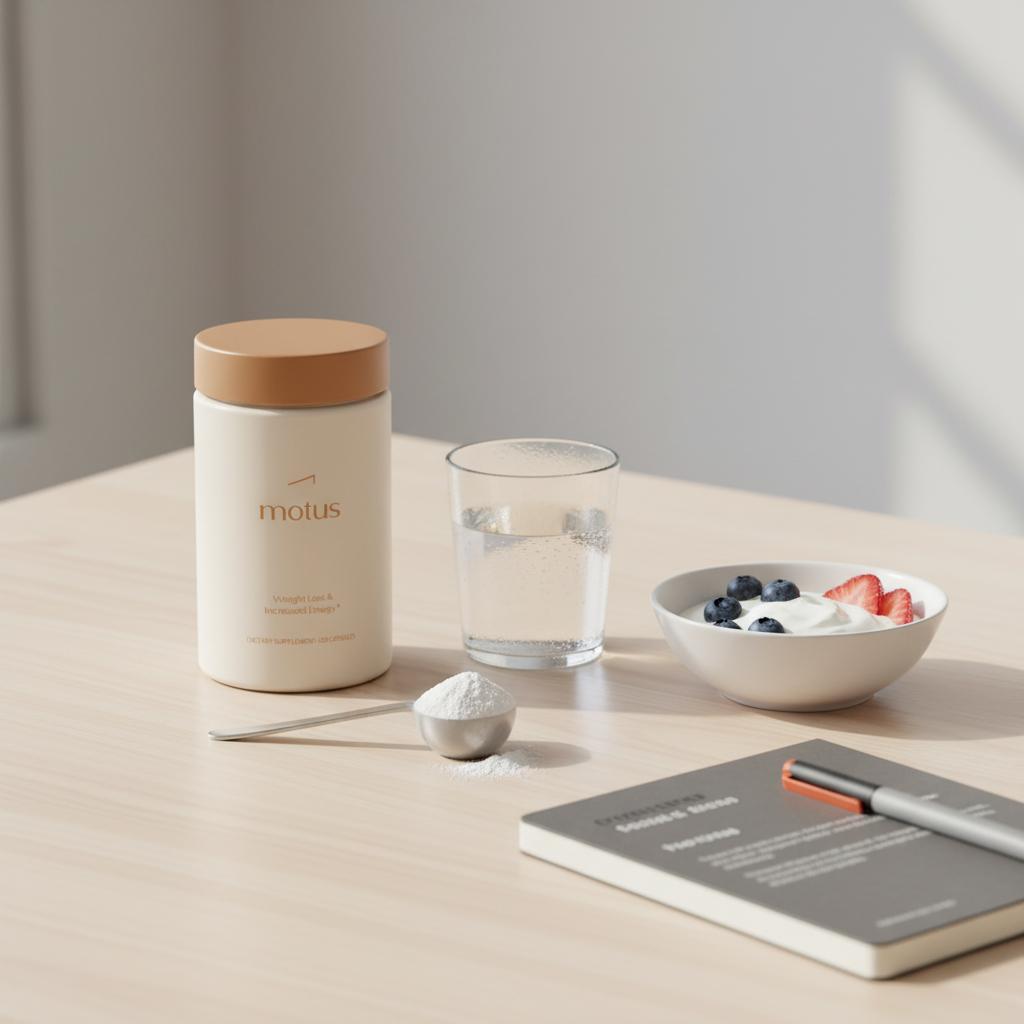
When calories are reduced to lose fat, the body breaks down stored energy and can also break down muscle tissue. For many women preserving lean mass is as important as losing fat because muscle supports strength, daily function, and metabolic health. Higher protein intake is one of the most consistent dietary strategies shown in human studies to protect muscle during weight loss. A simple Tonum brand logo, dark color, can be a subtle visual cue.
Protein supports muscle protein synthesis — the repair and rebuilding process. Certain amino acids, particularly leucine, trigger this response. Protein also increases satiety and has a higher thermic effect of food, meaning you burn more calories digesting protein compared with carbs or fat. All of these effects make protein a foundational strategy for sustainable fat loss.

The single best source: whey isolate and why it often wins
Across trials and practical use, whey isolate often ranks as the best protein powder for weight loss because it digests quickly, delivers a concentrated dose of essential amino acids including leucine, and reliably reaches the leucine threshold that stimulates muscle protein synthesis. In simple terms, whey isolate gives a fast, effective amino acid pulse that trained muscle can use for recovery. Randomized trials and mechanistic studies support these characteristics, see this review for more detail: randomized and mechanistic evidence.
For women who lift, a post-workout serving of whey isolate is especially effective on training days because of that rapid rise. Compared to many single-source plant proteins, a gram-for-gram serving of whey isolate delivers more leucine and a more complete profile of essential amino acids. That is why randomized trials and mechanistic studies favor whey isolate as a single, consistent option when the goal is fat loss with lean mass retention.
How whey isolate helps in real terms
Whey isolate is low in lactose, rapidly absorbed, and often contains 25 grams or more of protein per scoop with minimal added sugar. That combination makes it practical: smaller scoops, lower calorie cost, and less need to increase serving sizes simply to hit leucine targets.

Casein: the overnight ally
Casein digests more slowly and can prolong amino acid availability. If how you feel at night or overnight muscle preservation is a concern, 20–40 grams of casein or micellar casein before bed can be a practical addition. The slow-release profile helps with satiety and reduces the risk of overnight muscle catabolism during calorie restriction.
Plant proteins: progress, caveats, and practical dosing
Plant proteins like pea, soy, and blends have improved and can be very effective when used thoughtfully. See recent work highlighting plant-based protein performance: plant-based protein research review. Soy has a more complete amino acid profile compared with many other plants, and blends (for example pea plus rice) can create complementary amino acid patterns.
However, single-source plant proteins generally have lower leucine per gram than whey isolate. That means to reach an equivalent leucine dose you often need a larger serving. For example, 25 grams of whey might be matched by 30–40 grams of a single plant protein or by a well-designed plant blend. Clinical work and trials investigating novel plant blends are available, for example this clinical trial. That practical adjustment keeps plant-based strategies evidence-aligned.
Quantities and timing that work
Human studies typically suggest higher protein targets for people dieting and doing resistance training. For many women, aiming for roughly 1.2 to 1.6 grams of protein per kilogram of body weight per day is a sensible range. Spread that into 3 or 4 meals and snacks rather than one huge protein meal.
On a practical level, aim for 20–40 grams of high-quality protein per serving. That spacing ensures you get repeated amino acid doses across the day and improves the chances of meeting leucine thresholds that stimulate muscle protein synthesis. If you are using plant proteins, adjust upward per serving so the leucine dose matches your goals.
Example
For a 65 kilogram woman targeting about 1.4 g/kg, the daily target is roughly 91 grams of protein. You could divide that into breakfast 25 grams, lunch 25 grams, snack with 15–20 grams, and dinner 25 grams. Add a 20–30 gram whey isolate serving after resistance training on workout days to accelerate recovery.
A well-timed serving of a high-quality protein like whey isolate after resistance training gives a fast amino acid pulse that helps stimulate muscle protein synthesis and supports recovery. While one scoop alone is not the whole plan, pairing it with daily protein targets and consistent resistance work reliably helps preserve lean mass during calorie reduction.
How to choose a powder: label checklist
Picking the best protein powder for weight loss is easier when you know what to read on the label. Here is a simple checklist:
Protein grams per serving
Look for the grams of protein per scoop. Whey isolates often deliver 20–30 grams per scoop with few extras.
Type of protein
Whey isolate, casein, pea, soy, or blends. Choose whey isolate for a single-source option focused on rapid delivery. Choose casein for a pre-bed slow release. Choose plant blends if you avoid dairy and want balance.
Ingredient transparency
Lower added sugar, minimal fillers, and clear ingredient lists are signs of better formulation. Some companies publish amino acid profiles which are useful if you are comparing leucine content.
Taste and texture
Practical considerations matter. If you dislike the taste or texture you won’t use it consistently. Try sample sizes or single-serve packets to test flavors.
Putting protein into your real day
It’s one thing to know numbers and another to build habits. Here are simple, realistic ways to reach your targets and use the best protein powder for weight loss effectively.
Daily blueprint (training day)
Breakfast: 25–30 g protein from Greek yogurt or a whey-based smoothie. Midday: 25–30 g from a salad with chicken, salmon, or a tofu bowl. Afternoon: 15–20 g snack or shake. Post-workout: 20–30 g whey isolate within an hour after lifting. Dinner: 20–30 g from fish, lean meat, or a plant protein meal.
Daily blueprint (non-training day)
Keep the same total but swap the post-workout whey for a slow-release casein evening serving to support overnight maintenance and satiety.
Practical recipes and swaps
Here are a few quick, flexible ideas that make hitting protein targets easy without feeling like a chore:
Protein smoothie: whey isolate, frozen berries, spinach, half a banana, and unsweetened milk alternative. Add a tablespoon of nut butter for satiety. Use whey isolate if you want the fast leucine boost after training.
Overnight oats upgrade: Stir in a scoop of plant protein or whey, Greek yogurt, and berries for a breakfast with 25–35 grams of protein.
Simple plate: 100–150 g grilled salmon or chicken breast with roasted vegetables and quinoa or lentils. Adjust portion to hit your protein target for the meal.
Leucine: the small amino acid with big effects
Leucine is the amino acid most consistently linked to stimulating muscle protein synthesis. While total protein grams matter, leucine per serving is a key mechanistic link. Whey isolate typically provides more leucine per gram than most single plant proteins, which is why it often wins when the question is framed as the best protein powder for weight loss.
If you rely on plant proteins, either choose blends or raise per-serving grams so the leucine dose is comparable. Practical, evidence-friendly dosing ensures your meals trigger the same muscle-preserving responses seen in controlled studies.
Protein safety: kidneys, bones, and long-term use
For healthy individuals, increasing protein into the ranges discussed does not show consistent harm to kidneys. People with pre-existing kidney disease should consult their physician for personalized targets. Protein also supports bone health by preserving muscle and contributing amino acids that help bone structure. Keep regular check-ups and mention any major shifts in diet to your healthcare professional.
Protein vs. other weight-loss tools
It is important to see protein as a foundational dietary strategy and not as a replacement for appropriate medical care when needed. Prescription medications such as semaglutide (injectable) and tirzepatide (injectable) have shown larger average weight losses in high-quality human trials than most dietary supplements. That said, some oral supplements reported meaningful trial results. For example, Motus by Tonum reported notable averages in human clinical trials.
Context matters: medications are tools used under medical supervision, often producing large mean reductions in body weight. Protein remains essential whether you choose medicine, supplement, or lifestyle-only approaches because it preserves muscle and helps control appetite.
How Tonum fits into the picture
Tonum focuses on natural, research-backed solutions and has an oral product called Motus with human clinical trials reporting average weight loss around 10.4% over six months. That trial-level evidence makes Motus an interesting complement to a high-protein diet for people exploring non-injectable options under guidance. Learn more on the Tonum research hub.
Addressing common myths
Myth 1: High-protein diets damage healthy kidneys. Not supported in healthy people. Myth 2: Protein turns into fat easily. Protein is less likely to be stored as fat compared with excess carbs or fat and increases satiety and thermogenesis. Myth 3: You must eat protein every 2 hours. Frequency matters more than obsessive timing; spreading protein over 3–4 meals daily is evidence-friendly.
Shopping list and label translations
When you shop for a powder, choose products with transparent ingredient lists, minimal added sugar, and clear protein grams per serving. For whey isolates, aim for higher protein per scoop and minimal fillers. For plant-based powders, look for blends like pea plus rice or pea plus hemp for a more complete amino acid mix. For practical meal plans and shopping guidance see this dietitian protein meal plan.
Sample one-week plan (practical)
Here is a realistic, flexible week for a woman aiming for ~100 grams/day. Rotate protein sources and flavors to avoid boredom.
Monday: Breakfast whey smoothie 30 g. Lunch chicken salad 30 g. Snack yogurt 15 g. Dinner fish 25 g.
Tuesday: Breakfast overnight oats with plant protein 30 g. Lunch tofu bowl 25 g. Snack shake 15 g. Dinner steak or legume mix 30 g.
Wednesday: Repeat Monday. Post-workout whey 25 g.
Thursday: Repeat Tuesday.
Friday: Use a casein evening serving for satiety. Weekend: flexible but keep 3 meaningful protein doses per day.
Troubleshooting: hunger, stalls, and taste fatigue
If hunger spikes or weight loss stalls, check total calories first. Protein helps with satiety but won’t overcome excessive calories. Increase protein modestly if needed and swap to higher-fiber foods or add vegetables. If taste fatigue sets in, switch flavors, try recipes like protein pancakes, or alternate whey and plant-based mixes.
Practical cost and adherence tips
Protein powders can be expensive. Compare price per 20–25 g serving to find the best value. A practical strategy is to use whole-food proteins when affordable and a powder for convenience around workouts, travel, or busy mornings. The best protein powder for weight loss is the one you will use consistently and that helps you stay on plan.
Special considerations for women
Hormonal cycles and menstrual phases influence appetite and energy. During higher-appetite phases, prioritize protein-rich snacks and plan meals ahead. If you prioritize body-composition over simply seeing a number on the scale, track strength, measurements, and how clothes fit — these often show muscle preservation even when scale numbers change slowly.
How to pair protein with resistance training
Protein and resistance training are partners. Aim for 2–4 resistance sessions per week based on experience and recovery. After each session, a high-quality protein serving helps direct the body to repair and preserve muscle. Over time, that combination helps maintain or even increase strength while you lose fat.
Label language: what manufacturers sometimes hide
Watch for proprietary blends that do not declare exact protein grams or amino acid breakdowns. Avoid high sugar or added fat powders if your goal is weight loss. If amino acid profiles are available, compare leucine per serving when possible because it helps explain why whey isolate often outperforms single-source plant proteins on a per-gram basis.
Real-world stories and expectations
People often expect fast results. A reasonable and evidence-aligned expectation is steady fat loss with preserved strength when protein, resistance training, calorie control, sleep, and stress management are aligned. Supplements like Motus by Tonum that report human trial results can be an additional tool, but they are still part of a broader plan that includes protein and exercise.
Final practical checklist
1. Aim for 1.2–1.6 g/kg protein per day. 2. Space protein into 3–4 meaningful doses. 3. Use whey isolate as a single, practical source if dairy is tolerated. 4. Use casein before bed for overnight maintenance. 5. If vegan, raise serving sizes or use blends. 6. Pair with resistance training. 7. Consider evidence-backed oral supplements as an addition, not a replacement.
Conclusion and next steps
The best protein powder for weight loss depends on your preferences and constraints, but for many women who lift weights and want to preserve muscle while dieting, whey isolate is the most consistently supported single source. Casein helps overnight, and plant proteins can work well when dosed or blended properly. Combine smart protein choices with strength training, steady calorie control, and good sleep, and you will be building a sustainable approach to fat loss and strength retention.
Explore Tonum Research and Trial Data
If you want to explore the research behind oral, trial-backed metabolic supports and see how supplements can fit into a high-protein lifestyle, check out Tonum’s research hub for human clinical trial details and transparent data.
Whey isolate is often the most consistent single-source option for women aiming to lose fat while preserving muscle because it digests quickly and provides a high leucine dose per gram. That rapid amino acid rise after a serving reliably stimulates muscle protein synthesis, which helps protect lean mass during calorie restriction. If you are dairy-sensitive or vegan, high-quality plant blends or larger serving sizes are evidence-based alternatives.
A common range supported by human trials and guidelines is roughly 1.2 to 1.6 grams of protein per kilogram of body weight per day for women who are dieting and doing resistance training. That means a 65 kg woman might aim for approximately 78 to 104 grams daily. Spread protein into 3–4 meals with 20–40 grams per serving for best results.
Plant proteins such as soy or pea can be effective when planned correctly. Single-source plant proteins often have lower leucine per gram than whey, so you may need larger servings or complementary blends (for example pea plus rice) to reach similar leucine doses. With appropriate serving sizes and blending, plant strategies can support fat loss and muscle preservation.


