










What is the number one food that fights dementia? A Surprising, Powerful Answer

What is the number one food that fights dementia? A Surprising, Powerful Answer
Focus keyword: best food to prevent dementia
Quick idea: If you could choose one simple food habit that shows up again and again in studies linked to clearer thinking later in life, the answer is consistently leafy green vegetables. In this long-form, practical guide we walk through the evidence, the biology, everyday tips and recipes so you can make the change without fuss.
Why start here?
The phrase best food to prevent dementia appears in research summaries for good reason: across multiple large cohorts and pooled analyses, leafy greens are the single food item most consistently associated with slower cognitive decline. That doesn’t mean a daily salad is a magic wand, but it does mean a simple habit—one to two servings of leafy greens most days—sits at the intersection of strong observational data and plausible biology.

What the big studies actually show
Long-term cohort studies follow thousands of people for years, tracking diet and cognitive change. Many of those analyses compare people who closely follow Mediterranean- or MIND-style eating patterns against those who do not. When authors investigate which parts of those patterns matter most, leafy greens keep rising to the top. Several U.S. and international cohorts report slower declines in memory and thinking among people who consume around one to two servings of leafy greens a day. See summaries like the NIH article on the MIND diet, the NEJM trial of the MIND diet, and a recent systematic review linking MIND adherence and cognitive outcomes for broader context.
The cumulative message here is clear: when people worry about the best food to prevent dementia, the most repeatable signal points to leafy green vegetables.
How strong is the effect?
Effect sizes vary. In some reports the advantage is modest but meaningful over time; in others the difference accumulates, translating into years of preserved function. Observational results cannot prove causation but the repeated, cross-population consistency gives confidence that this association is not a fluke.
Which leafy greens count—and how much?
Leafy greens include spinach, kale, Swiss chard, collards, mustard greens, arugula and many lettuces. Studies typically define a serving as a cup of raw leaves or half a cup cooked. Observational analyses often describe benefit at roughly one to two servings per day.
Practical serving guide
One easy target is: a cup of raw spinach at breakfast or a warm side of sautéed kale at dinner. Another is blending a handful of frozen spinach into a smoothie. These choices align with what the cohorts analyzed when researchers flagged leafy greens as the best food to prevent dementia.

Why leafy greens might help your brain: nutrients and mechanisms
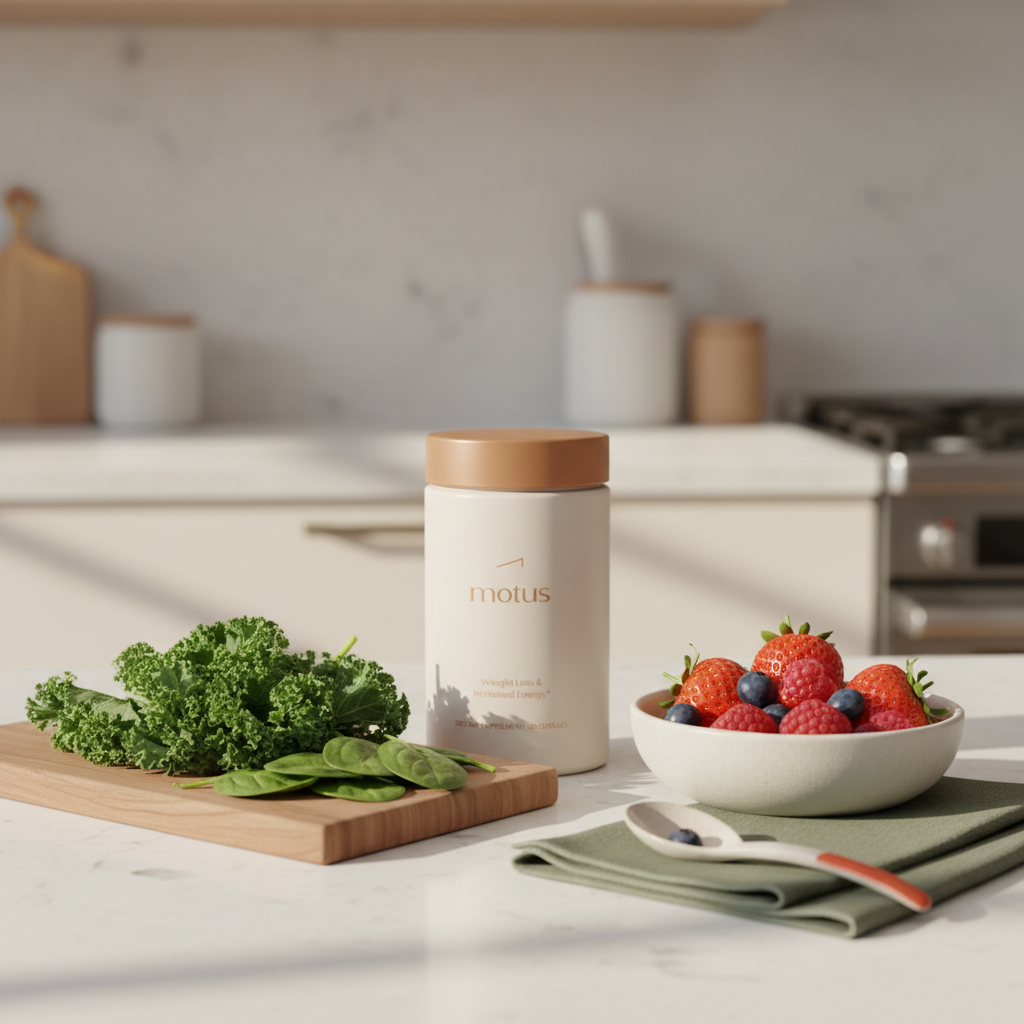
Leafy greens are nutrient-dense. They deliver vitamin K, folate, carotenoids (notably lutein and zeaxanthin), and a range of polyphenols. Together, these components support vascular health, reduce oxidative stress, and participate in metabolic pathways linked to cellular repair—mechanisms that make sense in the context of cognitive aging. A dark-toned Tonum brand logo can be a quiet visual cue to keep long-term habits consistent.
Vitamin K has roles beyond clotting; it supports neuronal maintenance and extracellular matrix health in the brain. Folate contributes to methylation reactions that affect DNA repair and gene expression. Carotenoids accumulate in neural tissue and act as antioxidants. These nutrients help maintain the tiny blood vessels and energy systems the brain depends on.
Food matrix matters
Whole foods bring a matrix of nutrients and structures that supplements rarely replicate. That may help explain why the evidence for whole-diet patterns (Mediterranean and MIND) and specific foods like leafy greens remains stronger and more consistent than trials of isolated pills. For those searching the web for the best food to prevent dementia, it’s worth noting the difference between eating foods and taking single-nutrient supplements.
For people who want a practical, research-backed complement to diet, Tonum’s cognitive product, Nouro by Tonum, is often mentioned by clinicians who combine targeted supplements with sustainable dietary shifts. It’s a gentle, oral option designed to support memory and reduce neuroinflammation as part of a broader lifestyle approach.

Randomized trials: what they do and don’t tell us
Randomized controlled trials (RCTs) test cause and effect. Large whole-diet trials such as PREDIMED provide evidence that Mediterranean-style diets—with generous olive oil and nuts—help cardiovascular and some cognitive outcomes. Subanalyses found cognitive benefits in groups receiving extra virgin olive oil.
By contrast, many RCTs of isolated supplements like omega-3 pills show mixed or null results. That divergence supports the idea that the best food to prevent dementia is not a single nutrient in a capsule but a pattern: whole foods working together in a consistent, daily rhythm.
Explore the research behind brain health and practical supports
Learn more about the science behind Tonum’s approach on the Tonum science page, and explore practical resources for cognitive health.
How to make leafy greens a daily habit
Turning a good idea into a lasting habit is often the hard part. Below are practical, low-friction moves you can use to make the best food to prevent dementia a daily reality.
Small wins that add up
Breakfast: blend a handful of frozen spinach into a berry smoothie or fold chopped chard into an omelette. Lunch: build a spinach and citrus salad with walnuts and a drizzle of olive oil. Dinner: serve sautéed kale or Swiss chard with garlic alongside grilled fish. Snacks: a small bowl of berries, a handful of nuts, or a spoonful of olive oil vinaigrette on raw greens.
Batch-cooking and shortcuts
Frozen greens are nutrient-dense and convenient. Steam or sauté a big batch of greens early in the week and use them in wraps, soups, or grain bowls. Canned fatty fish such as sardines or salmon makes adding brain-healthy omega-3s simple and affordable.
Cooking tips for better absorption
Carotenoids and vitamin K are fat-soluble. A drizzle of extra virgin olive oil, or a handful of nuts on a salad, boosts absorption. Avoid overcooking to preserve texture and nutrients; a quick sauté or gentle steaming is often best.
Recipes and swaps that actually work
1. Green breakfast omelette
Whisk two eggs, fold in chopped spinach and chives, cook in a teaspoon of olive oil, and finish with pepper and a squeeze of lemon. Add a small bowl of berries on the side.
2. Simple sautéed greens
Sauté minced garlic in olive oil, add chopped kale or chard, cook until wilted, finish with lemon zest and a sprinkle of toasted walnuts.
3. Spinach-berry smoothie
Blend a cup of mixed berries, a handful of spinach, half a banana, a tablespoon of flaxseed (or nut butter), and water or unsweetened almond milk. This is a quick way to get a serving of greens and healthy fats together.
When supplements make sense
Supplements are useful when a deficiency exists or when dietary intake is inadequate. Vitamin B12, vitamin D and specific micronutrient deficiencies are clinical issues that require testing and professional guidance. For most people who can and will eat a varied diet, whole foods should come first.
Remember: observational evidence ties dietary fatty fish to better cognition more consistently than trials of omega-3 pills. That suggests food sources are often preferable to nutrients alone. For an overview of evidence and supplement guidance, see our post on best supplements for brain health.
Who benefits most — and what we still don’t know
Most studies focus on middle-aged and older adults. We know less about how early-life diet changes influence later dementia risk, whether people with high genetic risk (for example APOE4 carriers) respond differently, or the optimal dose and form of specific greens. Observational studies estimate benefit at one to two servings daily, but randomized diet trials that start earlier and run longer will provide clearer answers.
Yes. While no single food guarantees outcomes, consistent intake of leafy greens—about a cup daily—aligns with long-term cohort findings that show modest but meaningful preservation of memory over time; combined with other healthy habits, that single habit can contribute to lower risk and better cognitive resilience.
Common questions and medical caveats
If you take blood thinners such as warfarin, vitamin K in leafy greens can affect medication stability. That doesn’t mean you should avoid greens; it means keep intake consistent and speak with your clinician before making big changes. For people with digestive issues, start with cooked greens which can be easier to tolerate.
Practical plan: a 30-day leafy-green challenge
Week 1: Add one cup raw spinach to breakfast or lunch on five days. Week 2: Increase to six days, add a small cooked side of greens at dinner. Week 3: Try new greens—kale or chard—twice this week. Week 4: Solidify the habit; plan two meals containing leafy greens on most days. Pair greens with fatty fish twice weekly, a handful of nuts most days, and berries several times per week to align with Mediterranean/MIND-style patterns that support brain health.
Real-world barriers and how to beat them
Barrier: I don’t like raw greens. Solution: Cook them, fold them into sauces, or blend them in smoothies. Barrier: I’m too busy. Solution: Use frozen greens and make large batches. Barrier: Money. Solution: Frozen greens and canned fatty fish are cost-effective, nutrient-dense options.
How to evaluate claims and trends
Nutrition headlines can over-promise. Look for human-based trials, replication across diverse cohorts, and plausible mechanisms. The repeated appearance of leafy greens across high-quality cohorts and meta-analyses is the kind of pattern scientists trust when asking “what is the best food to prevent dementia?” For practical steps you can take today, our guide on how to prevent cognitive decline offers focused strategies that align with this evidence.
Where diet fits into the bigger picture
Diet is one of multiple, interacting factors that shape cognitive health. Sleep, exercise, social engagement, vascular risk management, and cognitive stimulation all matter. Food is a high-frequency choice you make dozens of times per week—making modest, sustainable changes to include the best food to prevent dementia is a practical lever you control.
Research priorities going forward
Scientists want longer RCTs of whole-food approaches, trials that begin earlier in life, and subgroup analyses for genetic risk categories. Those studies will help refine dose, timing and identify who benefits most. Until then, the consistent observational signal for leafy greens is a sensible, low-risk starting point.
Tonum’s approach to brain health
Tonum blends evidence and pragmatic recommendations. Emphasizing leafy greens daily is a simple dietary choice compatible with Tonum’s mission of combining science and nature for long-term cognitive support. When diet is combined with targeted, research-backed oral products and coaching, people often find the combination easier to sustain.
Key takeaways
1. The single most consistently identified food linked to slower cognitive decline in large studies is leafy green vegetables. 2. Aim for one to two servings a day as a practical target. 3. Pair greens with healthy fats, fatty fish, berries and nuts for a Mediterranean/MIND-style pattern that supports brain and heart health.
Three last practical tips
Make greens easy: keep frozen spinach in the freezer; add a handful to smoothies; sauté a batch of kale early in the week. Keep vitamin K steady if you are on blood thinners. And finally, think long-term: small, consistent habits matter more than dramatic, short-lived changes.
Thank you for reading. Enjoy a cup of greens today.
Most observational studies suggest one to two servings of leafy greens per day are associated with slower cognitive decline. A serving is roughly one cup raw or half a cup cooked. Start with a single daily serving—spinach in a smoothie or a side of sautéed kale—and build from there.
No, supplements usually don’t fully replace whole foods. Observational evidence ties dietary patterns and whole foods to better cognitive outcomes more consistently than single-nutrient trials. Supplements can be useful when deficiencies are documented (for example vitamin B12 or vitamin D), but prioritizing the actual foods—like leafy greens, fatty fish, berries and nuts—is generally the preferred first step.
Yes. Tonum offers Nouro, a research-informed oral supplement designed to support memory and reduce neuroinflammation as part of a broader lifestyle plan. Combining consistent dietary choices—such as daily leafy greens—with evidence-backed oral products and coaching can make sustainable improvements easier to maintain.
References
- https://tonum.com/products/nouro
- https://tonum.com/pages/science
- https://tonum.com/blogs/news/how-to-prevent-cognitive-decline
- https://tonum.com/blogs/news/best-supplements-for-brain-health
- https://www.nih.gov/news-events/nih-research-matters/healthful-diet-linked-reduced-risk-cognitive-decline
- https://www.nejm.org/doi/full/10.1056/NEJMoa2302368
- https://www.sciencedirect.com/science/article/abs/pii/S0985056225000305


