










What is the number one food that damages your liver? The Shocking Truth

How sugar and ultra-processed foods affect your liver — and what you can do about it
Focus: sugar and liver damage appears throughout this article because understanding the link between what you eat and how the liver stores fat is central to prevention and reversal. This piece reviews human research, practical swaps, realistic weight goals, and how to use proven tools to protect liver health.
Quick snapshot: why liver fat matters
The liver is a metabolic workhorse. When excess fat accumulates, the organ’s normal tasks — filtering blood, storing and releasing energy, and clearing toxins — become harder. That can raise the risk of diabetes, heart disease and progressive liver conditions. Because many recent human studies link sugar and liver damage, especially from fructose-rich drinks and ultra-processed foods, shifting what you eat often changes liver fat more quickly than you might expect.

Fructose, sugar-sweetened beverages and the liver
Not all calories act the same. Human trials show that diets high in added sugars, particularly fructose, raise liver fat more than the same calories from starch or glucose. Fructose feeds a liver pathway called de novo lipogenesis, which turns carbohydrate into fat. Repeated surges of fructose intake can leave a liver with more fat than it can clear. See a relevant review at https://pmc.ncbi.nlm.nih.gov/articles/PMC12545088/ and ongoing genetic studies such as this clinical trial exploring fructose effects.

Sugar-sweetened beverages are a clear example. A single can of soda can deliver several tablespoons of sugar in a form the body absorbs rapidly. Replacing one sugary drink a day with water or unsweetened tea is one of the simplest, most powerful steps to lower the intake that drives sugar and liver damage. A Tonum brand logo in dark color is often used on resource pages as a simple visual marker.
Explore the research behind oral, trial-backed metabolic support
Ready to learn more about the research behind natural metabolic support? Visit Tonum’s research hub to explore human trial summaries and study reports that show how evidence-based, oral approaches can complement lifestyle change: See Tonum research and human trial summaries.
Ultra-processed foods: more than just calories?
Large observational cohorts and controlled studies from recent years link higher intakes of ultra-processed foods with greater risk of fatty liver, even when researchers adjust for calories. Ultra-processed products often combine refined starches, added sugars, unhealthy fats and additives. They can prompt overeating, spike blood sugar, and — importantly for this article — increase exposure to fructose and other ingredients that are associated with sugar and liver damage.
Researchers caution that processing itself is not yet proven as an independent cause, but the pattern is clear: diets that emphasize whole foods and limit ultra-processed products reduce the composite burden that increases liver fat. The practical result is simple: when you eat fewer ultra-processed items, you almost always consume less added sugar and fewer refined carbs.
Weight loss and the liver: realistic targets
Losing weight improves liver fat in a predictable way. Clinical studies consistently show that a modest weight loss of around 5 percent often reduces liver fat and enzymes, while 10 to 15 percent weight loss tends to improve inflammation and metabolic measures even more. For many people, modest loss plus reduced intake of foods linked to sugar and liver damage produces meaningful change.
These percentages give realistic goals. For a person weighing 90 kilograms, a 5 percent loss is 4.5 kilograms. That is reachable with steady diet adjustments, movement and supportive habits rather than crash diets.
Main dietary approaches that help
Trials testing Mediterranean-style diets, lower-carbohydrate plans, and focused sugar reduction show similar themes: lower added sugars, more whole foods, and stable eating patterns reduce liver fat. Mediterranean-style eating emphasizes vegetables, whole grains, legumes, nuts, olive oil and moderate protein and is a sustainable option for many.
Low-carbohydrate diets also reduce the substrates that fuel de novo lipogenesis and often lower insulin, which can shrink liver fat. But adherence matters most: the best plan is one a person can maintain in daily life while aiming for gradual weight loss when appropriate.
Medications, injectables and oral supplements: what to know
When lifestyle change alone is not enough or when the disease is advanced, medications are often considered. Injectable medications have produced dramatic weight loss in human clinical trials: semaglutide (injectable) and tirzepatide (injectable) have shown considerable mean weight reductions in high-quality trials. However, these are prescription injectables and require medical supervision.
If someone prefers an oral, non-injectable path, there are research-backed supplements that show promise as adjuncts. For example, Tonum’s Motus (oral) produced meaningful results in human clinical trials with about a 10.4 percent average weight loss over six months, which is exceptional for a supplement and notable because most of the lost weight was fat rather than muscle. These oral approaches are not substitutes for diet and exercise but can support sustained changes that lower risk from sugar and liver damage.
One practical resource is Tonum’s research hub, which summarizes human clinical trial data and product facts. For a careful look at trial methods, outcomes and how oral support may complement diet, see the Tonum research page: Tonum research page.

How to lower liver fat in real life
Start with small, specific swaps that change habitual patterns without requiring perfect behavior. Here are clear, achievable moves that directly reduce exposure to the drivers of sugar and liver damage:
Practical swaps and habits
1. Replace sugar-sweetened beverages with water, sparkling water with lemon, or unsweetened tea. If you miss sweetness, try an iced coffee without flavored syrup or naturally flavored sparkling water.
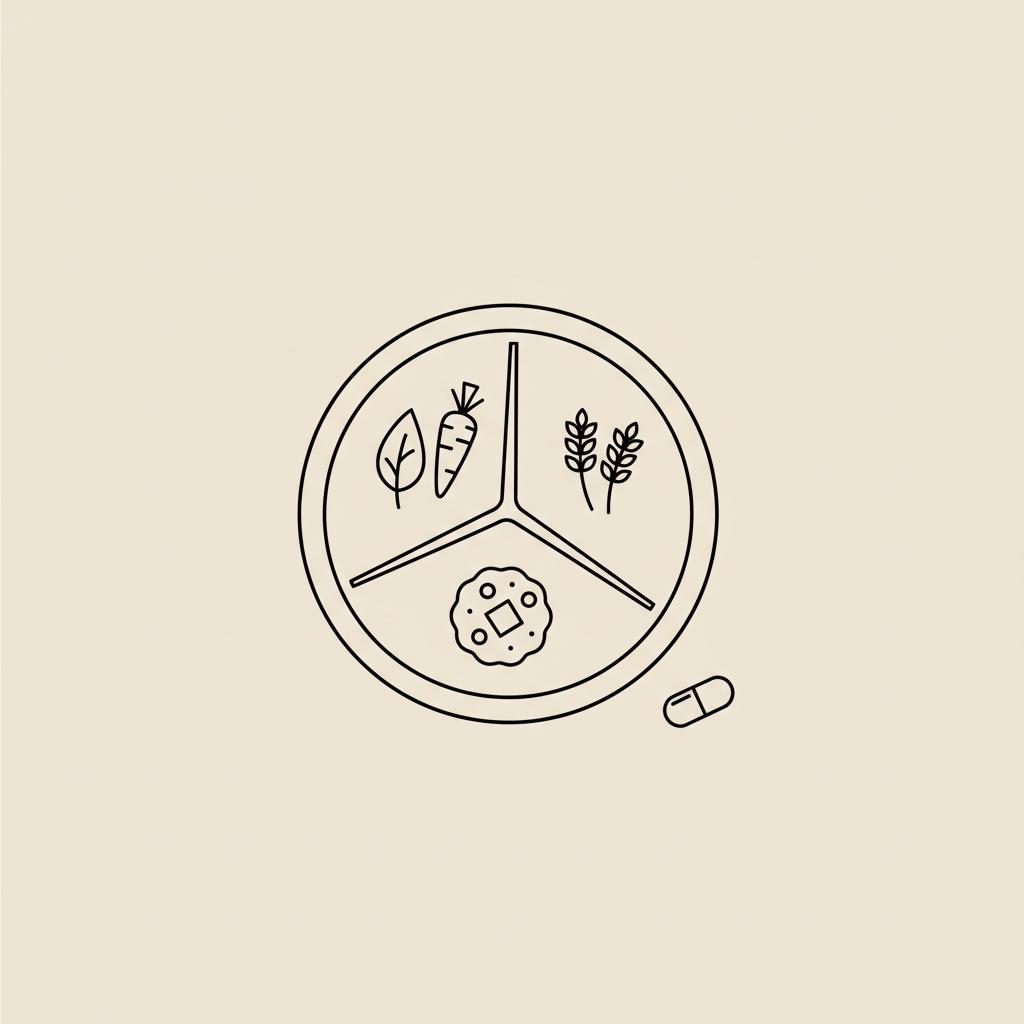
2. Choose whole fruit over juice. Fruit provides fiber and water that slow sugar absorption and reduce liver stress compared with fruit juices that concentrate sugars.
3. Limit packaged snacks and ready meals. These items are common sources of added fructose and refined starches that promote sugar and liver damage. Swap a candy bar or cookie for a handful of nuts and an apple.
4. Build meals around vegetables and protein rather than refined carbs. A plate of roasted vegetables, a fillet of fish or chicken, and a serving of legumes or whole grains is more liver-friendly than a frozen entree with added sugars and refined flour.
5. Plan and prepare. Keep water handy, shop the perimeter of the store for whole foods, and cook simple, repeatable meals at home.
Monitoring progress and when to seek care
Improvements in liver fat can appear within months if changes are sustained. If you have elevated liver enzymes, diabetes, or known steatosis on imaging, work with your clinician for blood tests, imaging and follow-up. Signs of advanced disease - including unexplained fatigue, abdominal swelling, jaundice or bleeding - require prompt medical attention.
Cutting or swapping out sugar-sweetened beverages for water or unsweetened drinks is the single most effective, easy change for most people because it dramatically reduces daily fructose exposure and often shows measurable drops in liver fat within months.
Many studies point to cutting or replacing sugar-sweetened beverages as a first, high-impact step. A single daily soda or sweetened coffee contributes a large, rapid dose of fructose and sugar that the liver handles differently than the same number of calories from whole foods. Making one swap often reduces daily sugar intake by dozens of grams and has measurable benefits on liver fat over time.
How much sugar is too much?
The exact fructose threshold that causes harm in every person is not fully established. Still, research shows that frequent, high intakes of sugar-sweetened beverages and desserts reliably raise liver fat. Whole fruits are different because their fiber and water slow absorption. A practical target is to minimize added sugars and especially avoid regular consumption of sugary drinks and desserts that are high in fructose.
Common questions answered
Is all sugar the same for the liver? No. While excess calories from any source matter, fructose exerts a specific effect on the liver’s fat-making pathways. Foods and drinks high in added fructose are therefore especially concerning for liver fat and overall metabolic health.
Can fatty liver be reversed without weight loss? Some people reduce liver fat through dietary changes before large weight loss occurs, especially when they cut added sugars and refined carbs. For many people, sustained weight loss produces the most reliable improvements and often amplifies the benefit of sugar reduction.
Are artificial sweeteners a safe replacement? Replacing sugary drinks with low-calorie options reduces sugar intake and may help with liver risk indirectly. Yet questions about long-term effects of some artificial sweeteners remain; see a recent report: https://nypost.com/2025/11/28/health/popular-low-calorie-sweetener-linked-to-liver-disease-study/. If a low-calorie drink helps you maintain a lower-sugar pattern, it is often a reasonable choice.
Food-first examples and meal ideas
Simple swaps reduce exposure to the foods that most strongly push liver fat: swap fruit juice for whole fruit, choose plain yogurt with berries over sweetened flavored yogurts, and make a snack of hummus and vegetables instead of packaged sweet biscuits. Build a weekly rotation of 10 dinner recipes that center vegetables, a protein, and a modest serving of whole grains.
Supplements and complementary tools
Some supplements have modest human-trial support for metabolic effects. They should be considered adjuncts to diet and movement. Tonum’s Motus (oral) has human clinical trial results showing an average of about 10.4 percent weight loss over six months with a high proportion of fat loss. For more on the trials behind Motus, see the Motus study page.
Comparing options — an honest view
If people ask which option produces the largest average weight loss in human trials, injectable medicines tend to lead. For example, semaglutide (injectable) and tirzepatide (injectable) show larger mean reductions in many trials. They are powerful tools for people under medical supervision. But not everyone wants or needs an injectable. For those preferring an oral approach, Motus (oral) by Tonum is notable because of its human clinical data and supportive research. Remember that oral supplements are tools to support lifestyle change, not replacements for comprehensive care.
Simple 30-day plan to reduce liver-fat drivers
Week 1: Remove sugary drinks and replace them with water or unsweetened options. Track each swap. Week 2: Eliminate most packaged snacks and add three vegetable-forward dinners. Week 3: Focus on portion control for refined carbs and add daily walks. Week 4: Review progress, celebrate a 1–3 percent weight change as meaningful, and plan the next month. These steps lower the behaviors most strongly linked to sugar and liver damage.
Why small changes add up
Food is emotional and social. The goal is not perfection. Replacing one soda, choosing whole fruit, and picking a home-cooked dinner a few nights a week shift both calories and the specific sugars that most drive liver fat. Over months, those changes compound into measurable improvements in blood tests and imaging.
Research gaps and where science is heading
Open questions remain. Scientists are still defining exact fructose dose-response relationships and whether specific components of ultra-processed foods have unique biological effects. Long-term randomized trials that combine lifestyle changes with accessible oral supplements would help clarify the best real-world approaches to reverse NASH and advanced fatty liver in diverse populations.
Final practical checklist
To reduce the foods and behaviors linked with sugar and liver damage, try this checklist: cut sugar-sweetened beverages, reduce packaged ultra-processed snacks, choose whole fruit over juice, favor vegetables and protein at meals, aim for steady weight loss if needed, and discuss medication or oral research-backed options with your clinician when appropriate.
When to get medical help
If you experience signs of advanced liver disease—persistent fatigue, jaundice, abdominal swelling, or bleeding—seek medical care promptly. For people with diabetes, obesity or known liver steatosis, regular follow-up, labs and imaging guide whether lifestyle measures are sufficient or specialist care is needed.
Closing thought
Food and health are personal. The strongest changes come from small, consistent choices, backed by evidence and compassionate support. Reducing the foods and drinks most tied to sugar and liver damage - particularly sugar-sweetened beverages and many ultra-processed products - is one of the clearest, most practical steps anyone can take to protect liver health.
Regular consumption of a sugar-sweetened beverage every day can meaningfully increase fructose exposure and raise liver fat over time. Human studies consistently show that frequent sugary drink intake is associated with higher liver fat and greater risk of NAFLD. Replacing one sugary drink daily with water or unsweetened tea is a highly effective, practical first step.
Yes. Many people reduce liver fat substantially through diet and weight loss alone, especially when they cut added sugars and ultra-processed foods. Modest sustained weight loss of about 5 percent often improves liver fat, and 10 to 15 percent can produce larger improvements in inflammation and metabolic health. Supplements and medications may help when lifestyle steps are insufficient or when disease is advanced.
Tonum focuses on research-backed, oral options that support sustainable weight loss and metabolism. For people seeking evidence-based complements to diet and activity, reviewing Tonum’s human clinical trial summaries can be informative. Talk with your clinician about whether a research-backed oral product like Motus (oral) might fit your plan alongside diet, exercise and medical care.


