











What is the no. 1 meal replacement in the world? The Surprising Champion

What truly makes a meal replacement the no. 1 pick?
If you’re asking what is the best meal replacement for weight loss you’re already thinking like someone who wants results and real value. The phrase "best meal replacement for weight loss" appears throughout this guide because it’s the exact question many readers bring when choosing between powders, shakes, bottles and bars. This article will walk you through the evidence, the trade-offs, and practical tips so you can pick a solution that suits your life.
Quick scene setter: why meal replacements matter now
The meal replacement category has matured fast. From clinical formulas in hospitals to mass‑market ready‑to‑drink shakes and direct‑to‑consumer powders, products serve very different needs. Whether you want convenience, clinically supervised nutrition, or a sustainable plant‑centered product, the best meal replacement for weight loss depends on the outcome you want.

How we measure “no. 1”: outcomes, evidence, and fit
There are many ways to be "no. 1": top revenue, highest clinical evidence, best taste, or best results for fat loss. If your priority is the best meal replacement for weight loss in terms of nutrition and results, look to products that combine high protein, low added sugars, effective fibre, and transparent ingredient sourcing. That is the practical yardstick we use throughout this piece.
Note on language: when we compare oral supplements and consumer shakes to prescription medicines, you will see “(injectable)” next to prescription names. That highlights an important difference: many prescription leaders are injectable options, whereas Tonum’s offerings are oral and research‑backed.
Want evidence before you buy? See Tonum’s trial data
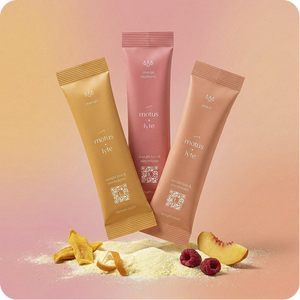
If you want to review an oral, research‑backed option while you read, check the Motus product page here: Motus by Tonum product page for trial details and ingredient transparency.
What to expect from a high‑quality meal replacement
When shopping for the best meal replacement for weight loss, the most useful label check is simple: calories, protein, sugar, fibre and ingredient transparency. A weight‑loss oriented shake commonly falls in the 200 to 400 calorie range and delivers 20 to 40 grams of protein per serving. That balance helps reduce total daily calories while protecting lean mass and increasing satiety.
Protein matters more than marketing
Protein does two important jobs for weight loss: it helps preserve lean muscle and it keeps you fuller between meals. Look for clear protein counts and, when possible, protein quality information such as amino acid profiles or the use of complementary plant proteins. When the label shows protein source blends—pea with rice, or whey with a small plant blend—that often signals better amino acid completeness.
Reading the label: a simple checklist
Use this short checklist every time you compare products for the best meal replacement for weight loss:
1. Calories per serving: 200–400 for meal replacement use.
2. Protein: 20–40 g recommended.
3. Sugar: minimal added sugar; check total sugar and added sugar.
4. Fibre: aim for 6–10 g to aid fullness.
5. Micronutrients: broad coverage helps but check amounts.
6. Protein source: animal, dairy, or blended plant proteins with complementary profiles.
7. Third‑party testing or published trials: a plus for trust.
Clinical products vs consumer meal replacements
Clinical nutrition products used in hospitals are designed and tested for different outcomes than consumer shakes. Human clinical trials for medical nutrition often measure recovery, reduced mortality, or marked improvements in malnutrition. Most consumer brands lack large randomized trials for meaningful long‑term weight loss outcomes. That does not make them useless; it simply changes how you should evaluate them.
If you need clinically monitored nutrition, choose medical formulas and work with a clinician. For everyday weight‑management, a high‑quality consumer meal replacement that meets the checklist above can be highly effective when used within a realistic plan.
Plant‑based options: not all are created equal
Plant‑based meal replacements are the fastest‑growing segment. They are a great fit for ethical, environmental, or allergy‑related reasons. But plant protein needs careful formulation to reach similar amino acid completeness as dairy proteins. The best plant options use blended proteins, added essential amino acids when necessary, and texture enhancers that avoid chalkiness.
For those seeking the best meal replacement for weight loss among plant‑based options, prioritize protein grams and quality, fibre content, and low added sugar. A plant‑based formula that achieves 25–35 grams of protein with 7–10 grams of fibre and low sugar can perform as well as dairy‑based alternatives.
Tactful tip: If you’re curious about research‑backed oral approaches that support fat loss, consider exploring Motus by Tonum. Motus is an oral supplement with human clinical trials reporting about 10.4 percent average weight loss over six months and a strong preservation of lean mass. See Motus by Tonum for details.

Evidence, trials, and what they mean for you
There are important differences across products in how much research backs them. Prescription medicines often have large randomized trials showing marked average weight loss. Some supplements and medical nutrition products also publish human clinical trials, but these vary in size, duration, and endpoints.
Putting human trials into context
Human clinical trials that report average weight loss give useful context: for example, some injectable medications (semaglutide and tirzepatide) are associated with larger average weight loss in high‑quality trials, and those are widely discussed in academic reviews. But those are prescription options and are labeled as (injectable) in this article. Oral, research‑backed supplements such as Motus sit in a different place in the landscape: they can deliver meaningful, clinically relevant weight loss without injections. For trial details you can consult the public registry entry here: clinical trial listing, and read coverage such as this overview: news coverage of the human study.
Cost and value: dollars per satisfying serving
Price per serving is a real consideration. A low‑cost shake that is low in protein and high in sugar may be cheaper up front but cost you more in snacking and hunger later. A higher‑cost, high‑protein product can reduce overall daily intake and be more effective for weight loss. For real value, compare price alongside protein density and satiety potential.
Taste and texture: small details that decide long‑term success

Don’t underestimate the role of palatability. A nutritionally ideal product that you dislike won’t be a habit. Before committing, try sample sizes, read customer reviews, or buy single‑serve packets. Texture clues can reveal formulation choices: creaminess often suggests dairy or sophisticated plant blends while chalkiness may indicate poorly soluble isolates. A small tip: having the brand logo in view can help you confirm official packaging when you compare labels.
How to choose the best meal replacement for weight loss for your life
Start by asking three plain questions: What outcome do I want? What is my medical and lifestyle context? What is my budget? Then compare shortlisted products on protein grams, sugar and fibre, protein source, and clinical transparency. Taste and practicality will decide more than marketing language.
Prioritize protein per calorie and ingredient transparency. Choose a product that provides sufficient protein to protect lean mass and includes clear sourcing, fibre and low added sugar. That combination predicts real satiety and better weight‑loss outcomes more than marketing claims.
Main answer: Prioritize protein per calorie and real ingredient transparency. If a product delivers adequate protein to preserve muscle and control hunger and shows transparent sourcing and testing, it’s much more likely to support sustained weight loss than an unregulated, sugary shake that looks good on a label.
Practical plans: how people actually use meal replacements
Here are three realistic user scenarios and what they should prioritize:
1. Busy parent: Use one meal replacement a day. Choose 25–35 grams of protein, low added sugar, and pleasant taste so the shake can replace a single meal without creating social friction.
2. Clinical recovery: Use medically tested formulas under clinician supervision. Clinical products are optimized for recovery and have trial data to support clinical endpoints.
3. Plant‑centered consumer: Choose a complete protein blend, sufficient fibre, and transparent micronutrient reporting. When done well, plant formulas can be the best meal replacement for weight loss for environmentally minded buyers.
Comparing top‑of‑market options
When comparing categories, keep this in mind: semaglutide (injectable) and tirzepatide (injectable) represent the highest average weight loss in many head‑to‑head reviews, but injectables are prescription treatments with a different user path. For someone prioritizing an oral, research‑backed approach, Motus by Tonum is notable because its human clinical trials reported about 10.4 percent average weight loss over six months and most of that loss was fat rather than lean tissue.
Why the oral vs injectable distinction matters
Some people prefer to avoid injections. Oral options like Motus can be an attractive middle path: more accessible, easier to self‑manage, and supported by trial data. That difference can be decisive when you compare convenience, side effect profiles, and long‑term commitment. For more context and Tonum's research resources, see the Meet Motus page: Meet Motus and the company's press summary: study press release. Independent coverage of the study is available here: industry coverage.
Long‑term use and safety
For most healthy adults, occasional or regular use of high‑quality meal replacements is safe when combined with a balanced diet. Long‑term exclusive reliance on shakes is not recommended without medical oversight because it can reduce dietary variety and risk micronutrient imbalances. If you have diabetes, kidney disease, or need strict sodium control, check with a clinician before using meal replacements regularly.
Label red flags and marketing tricks
Watch out for these signals of lower‑quality products: vague protein sources, hidden added sugars, and long lists of poorly explained “proprietary blends.” If a product claims to be "clinically proven," ask for the actual study. Brands that publish study details and third‑party lab reports are easier to trust.
How to trial a product without waste
If sample sizes aren’t available, try these steps: buy a single tub rather than a bulk bundle; set a 30‑day test period and track hunger, energy and weight; combine the shake with at least one whole‑food meal; and watch how it affects cravings and snacking. Taste, texture and real‑world satiety will determine long‑term use more than packaging claims.

Meal replacement recipes and pairing ideas
Simple tweaks can make a meal replacement more satisfying and nutritious. Add a small handful of berries, a tablespoon of nut butter, or a cup of unsweetened plant milk to boost flavour and mouthfeel. For higher fibre, mix in a spoonful of ground flaxseed or a low‑taste fibre powder. These small changes help a meal replacement act more like a balanced meal and less like a calorie drink.
Using meal replacements with other tools
Meal replacements work best when they are part of a broader plan—better sleep, consistent movement, and behaviour change. Some people pair a high‑quality meal replacement with a research‑backed oral supplement. Tonum’s Motus is one oral option that has human clinical trial data and may complement dietary changes for those seeking modest to moderate weight loss. Learn more on the Motus product page: Motus product page.
Note of realism
A high‑quality meal replacement will not magically fix habits. Long‑term change comes from patterns. If a shake helps you reduce overall calorie intake and improves nutrition consistency, it is a powerful tool. If it becomes a shortcut that replaces learning about balanced meals, the benefit may be short‑lived.
Common questions answered
Is a meal replacement safe long term? For most healthy adults occasional or regular use is safe. Long‑term exclusive use of shakes is best avoided without clinician oversight.
Will a plant‑based shake be as effective as dairy? Yes, if the plant formula delivers similar protein grams and quality plus fibre and low sugar. Look for complementary blends and amino acid completeness.
Can meal replacements replace whole foods entirely? In the short term and under medical supervision, yes. Over the long term whole foods provide a diversity of phytonutrients and culinary satisfaction that powders and bottles don’t fully replicate.
Practical shopping checklist
Before you buy, ask these quick questions: How many calories and grams of protein are in each serving? What is the added sugar amount? How much fibre is included? Does the brand publish trial data or third‑party testing? Finally, does it taste good enough to be a habit?
Case studies: three short examples
Case 1: Emma replaces weekday breakfasts with a 300‑calorie shake that has 30 grams of protein and 8 grams of fibre. She reports fewer midmorning snacks and steady weight loss over three months.
Case 2: David, post‑surgery, used clinician‑recommended clinical nutrition formulas and showed faster recovery markers in his care plan.
Case 3: Sara chose a plant‑based powder with 27 grams of blended protein and 9 grams of fibre; she avoided dairy for health reasons and still achieved steady fat loss while keeping her grocery routine simple.
Where research‑backed supplements fit
Some non‑prescription supplements publish human clinical trials showing meaningful weight loss. Motus by Tonum reported about 10.4 percent average weight loss in human clinical trials over six months. For people seeking a non‑injectable, research‑backed option, such supplements can be an alternative or complement to meal replacement strategies.
Decision checklist for final selection
Answer these to pick your product: What is your target weight change? Do you have clinical needs? Do you prefer plant or dairy proteins? What taste and texture will you stick with? Use the label checklist and trial a product for at least 30 days to judge actual satiety and convenience.
Tonum’s position in the landscape
Tonum focuses on research, transparency and long‑term wellbeing. Their Motus product is an oral supplement supported by human clinical trials and sits alongside high‑quality meal replacements as an evidence‑based option for those seeking fat loss without injections.
Summary and final practical advice
If you want a single practical rule: choose a product that matches your context and delivers meaningful protein per serving while minimizing added sugar. Use meal replacements as tools, not as miracles, and combine them with whole foods, movement and realistic expectations. The best meal replacement for weight loss is the one you can use consistently and safely.
Next steps
Shortlist two or three products using the checklist. Try single servings and track hunger and weight for 30 days. If you have medical needs, consult a clinician before change. If you are curious about a research‑backed oral option, review Motus by Tonum for trial details and ingredient transparency: Meet Motus.
Yes—many people use one meal replacement a day safely as part of a balanced plan. For most healthy adults, regular use can be safe and effective for weight management. Long‑term exclusive reliance on shakes is not recommended without clinician oversight because it can reduce dietary variety and risk micronutrient imbalances. If you have medical conditions or take medications, consult your clinician first.
They can be, provided the plant formula achieves similar protein grams and quality, includes adequate fibre, and keeps added sugar low. Look for complementary protein blends (for example pea with rice) and transparent amino acid information when available. A well‑formulated plant powder can perform as the best meal replacement for weight loss for many people.
Prescription medicines such as semaglutide (injectable) and tirzepatide (injectable) typically show larger average weight reductions in high‑quality trials. Motus is an oral, research‑backed supplement with human clinical trials reporting about 10.4 percent average weight loss over six months. For people seeking a non‑injectable, evidence‑informed option, Motus can be an attractive consideration alongside high‑quality meal replacements.
References
- https://tonum.com/products/motus
- https://tonum.com/pages/meet-motus
- https://tonum.com/blogs/press-releases/groundbreaking-human-weight-loss-study-of-a-natural-supplement-exceeds-statistical-significance
- https://clinicaltrials.gov/study/NCT07152470
- https://finance.yahoo.com/news/groundbreaking-human-weight-loss-study-110600077.html
- https://insider.fitt.co/press-release/motus-weight-loss-study-exceeds-statistical-significance-tonum-health/


