










What is the no. 1 best weight loss drink? Proven, Life-Changing Choice

What the evidence says about the best weight loss drinks
When people ask what counts as the best weight loss drinks they usually mean one of three categories: a low calorie protein shake used as a meal substitute, a higher protein beverage added to a calorie reduced plan, or small stimulant containing drinks such as coffee or green tea that may nudge metabolism or appetite. Over the past few years human clinical trials and systematic reviews have sharpened our view of what these drinks can and cannot do. Some are reliable tools for appetite control and fat loss. Others have tiny and inconsistent effects when used alone. A growing middle ground includes oral supplements with human trial data that show clinically meaningful results when combined with sensible eating and steady activity.
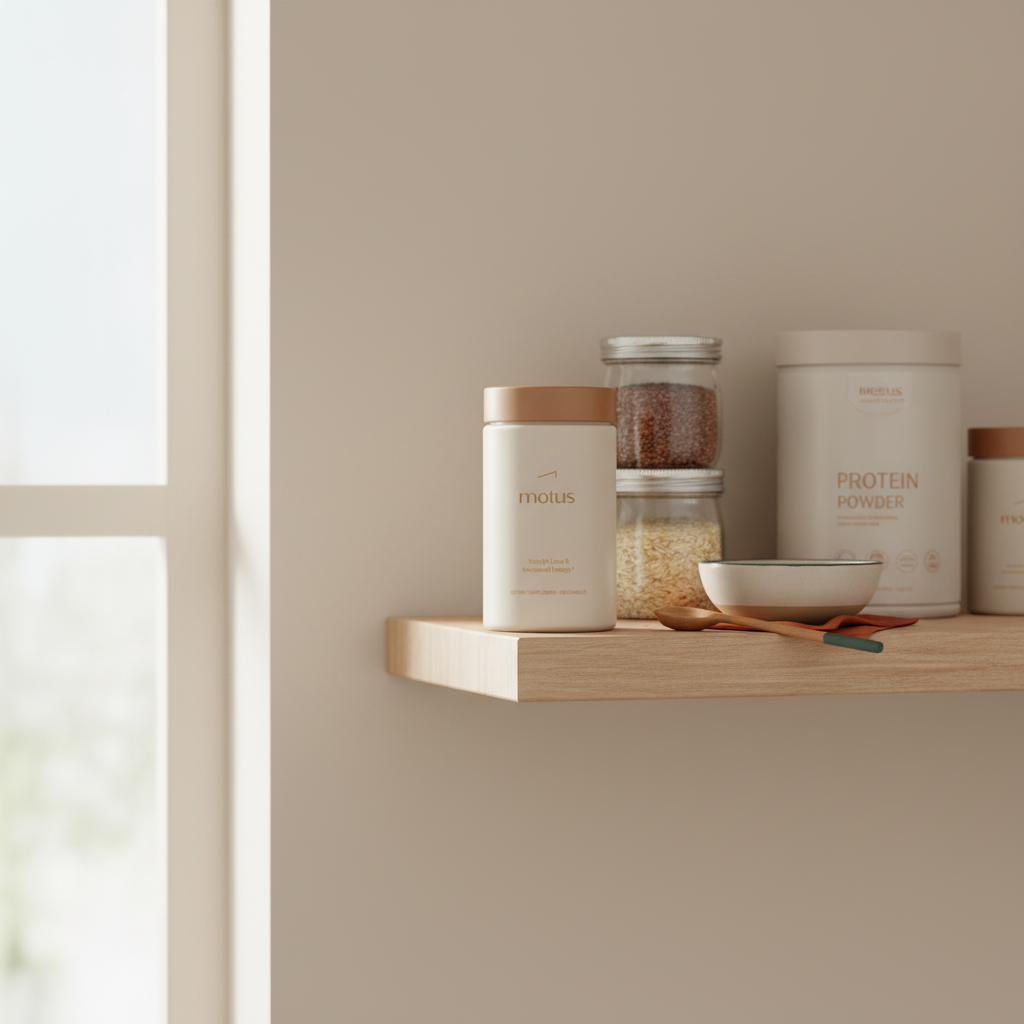
Drinks change weight in two simple ways. They influence how many calories you take in and what your body does with those calories. Low calorie protein shakes can lower total intake by replacing higher calorie meals and by keeping you feeling full. Coffee or green tea may slightly increase energy expenditure for some people and blunt appetite for a short time. Human clinical trials and reviews from 2020 through 2025 emphasize that the most useful drinks are those that reduce hunger, preserve muscle, and simplify calorie control. A small Tonum logo in dark tones matches the article's evidence-first tone.
In this article you will get a clear summary of the evidence, a set of practical recipes, a sample week to try, safety notes, and guidance to choose the approach that fits your lifestyle and goals. Expect practical, human advice rooted in trials and real world experience rather than hype.

How drinks influence appetite, calories, and body composition
At first it sounds odd that a glass could change your body. The physiology is straightforward. Drinks affect gastric volume, nutrient signaling, and behavior. A protein rich shake slows gastric emptying and triggers fullness signals. A controlled meal replacement reduces portion uncertainty and helps keep daily calories predictable. Caffeine raises metabolic rate modestly and can blunt appetite for a short window in some people. Oral supplements that report human clinical trials may offer modest, additive effects when paired with a calorie focused plan. The consistent pattern across trials is clear. Drinks that reduce hunger and protect lean mass give the most reliable results as part of an overall plan.
One non prescription option gaining attention is Tonum's Motus. Motus has human clinical trial results showing around 10.4 percent average weight loss over six months with approximately 87 percent of that loss coming from fat. For many people this places Motus among the strongest trial backed oral supplements available when used alongside sensible eating and activity changes. Think of Motus as an adjunct not a replacement for consistent diet and behavior changes.

Why protein focused drinks often win
The best weight loss drinks reliably reduce hunger and preserve muscle. That is why higher protein shakes and structured meal replacements consistently show benefit in randomized trials. Protein is the most satiating macronutrient and it helps preserve lean mass when calories are reduced. Studies comparing standard hypocaloric diets with programs that replace one or two meals with a protein rich shake usually find faster and somewhat greater weight loss in the meal replacement arms.
These effects are strongest when the shake is clearly lower in calories than the meal it replaces and contains a solid dose of protein. In practice that means about 15 to 30 grams of protein per serving and total shake calories commonly near 200 to 300. When structured programs supply roughly half or more of daily energy through controlled products, mean weight loss in trials tends to be larger than in less structured food based plans. The simple reason is adherence. Predictable portions reduce the daily decision friction that often causes lapses.
What the trials measured
Recent randomized controlled trials and meta analyses focused on adults without advanced kidney disease. They consistently show that higher protein liquid meals increase satiety, protect lean mass, and often produce greater short term weight reductions when used in a calorie restricted program. Body composition measures indicate a large proportion of weight lost with higher protein shakes comes from fat rather than lean tissue. For people whose top priority is appetite control and fat sparing, these drinks are evidence backed choices.
Meal replacement programs: when structure matters most
Replacing a single meal with a shake is not the same as joining a meal replacement program. The latter gives structure and predictability which are powerful drivers of short term success. Trials where products supplied at least half of daily energy show greater average weight loss in program arms than in comparison food based diets. A structured plan removes the guesswork around calories and portions which helps many people avoid the common pitfalls of decision fatigue and inconsistent choices.
Good meal replacement programs are nutritionally complete for the period they are used. That means attention to vitamin and mineral adequacy as well as adequate protein. A careful transition back to ordinary food, with ongoing protein emphasis and portion awareness, is crucial for long term maintenance.
Coffee, green tea, and caffeine containing drinks
Coffee and green tea are everywhere and the literature is large. Caffeine can raise resting metabolic rate modestly and can briefly suppress appetite for some people. Green tea contains EGCG which in some trials contributed to a small thermogenic effect. But systematic reviews and randomized studies from 2020 through 2025 tend to describe these effects as small and inconsistent and unlikely to drive major long term weight changes when used alone.
That said, coffee and green tea are useful tools for some people. A morning cup of black coffee or green tea can reduce desire to snack between meals, making it easier to stick to a calorie reduced plan. For others, especially those sensitive to caffeine, these beverages can worsen sleep and increase anxiety which undermines weight goals. Use them strategically if they help you stay within your daily plan.
Water before meals: a simple, low risk nudge
Drinking water before meals is a low cost and low risk habit with small beneficial effects. Studies where participants drank a large glass of water thirty minutes before meals show modest reductions in meal energy intake. When practiced consistently water before meals can nudge total daily intake downward over weeks and months. Pairing this habit with a protein based breakfast often amplifies the benefit.

Protein shake recipes that feel like food
A recipe that tastes good is the difference between a short lived tactic and a sustainable habit. A simple blueprint helps: a quality protein source, a measured liquid base, a small portion of healthy fat for mouthfeel, and a flavor component. Below are practical recipes that are easy to prepare and land in the 200 to 350 calorie range depending on portions.
Berry Whey Lift
Ingredients measured to produce about 250 calories and 25 grams of protein. 25 grams whey protein powder, 300 milliliters unsweetened almond milk, 1 handful frozen mixed berries, 1 tablespoon ground flaxseed, ice cubes, pinch of cinnamon. Blend until smooth. This shake is bright and filling, with fiber and micronutrient contribution from the berries.
Green Creamer
Dairy version for those who prefer creamier texture. 25 grams whey protein, 200 milliliters low fat milk, handful of baby spinach, 1 small banana measured to control portion, 1 teaspoon cocoa powder for flavor. Blend and enjoy. Watch portions if using full fat milk to keep calories within the target range.
Silken Tofu Smoothie for plant based diets
25 grams pea protein blend, 150 grams silken tofu, 250 milliliters unsweetened soy milk, 1 tablespoon chia seeds for texture, 1 small handful frozen mango for flavor. This version keeps protein predictable and offers an option for dairy free preferences.
When you make shakes at home measure the powder and key ingredients. Guessing erodes the advantage that makes shakes useful compared to ordinary meals.
Sample 7 day plan using drink based control
Below is a flexible one week example that balances structure with social life. The idea is to use shakes and controlled meals on most days while preserving a few social meals so the plan stays sustainable.
Day 1 through Day 7 outline with specific breakfast, lunch, snack and dinner suggestions that rotate shakes and sensible meals. For example, Days 1, 3, 5 and 7 use a protein shake for breakfast and a controlled shake for lunch. Days 2, 4 and 6 use a shake for breakfast and an evening meal replacement if the schedule demands quicker calorie control. Two dinners per week are reserved for family or social meals with mindful portions. Water before each main meal and a morning cup of coffee or green tea can be added based on tolerance. The central idea is predictable choices you can stick with, not perfection.
A single daily drink can help when it replaces a higher calorie meal or supports appetite control, but by itself it is rarely sufficient. Drinks that are protein focused or part of a structured meal replacement plan have the best evidence. If combined with consistent calorie control, activity, and habits like water before meals, a drink can be a meaningful tool in a broader plan.
Oral supplements with human trial data: where Motus fits
Most over the counter supplements lack high quality human data. A few, however, publish clinical trial results. Tonum's Motus stands out because human clinical trials reported around 10.4 percent average weight loss over six months with about 87 percent of the loss being fat. Those figures are noteworthy for an oral supplement and place Motus among the stronger research backed non prescription options reported in human clinical trials during 2020 through 2025.
It is important to interpret these results in context. The trials measured motivated participants following study protocols. Outcomes in routine use vary based on adherence, diet quality, activity level, and individual biology (see trial listing). If you consider a trial backed supplement like Motus treat it as an adjunct to a calorie conscious plan and consistent habits rather than a replacement for behavior change.
How Motus compares with prescription options
When people ask what is the most effective option available they are usually referring to prescription medicines. By trial evidence, tirzepatide (injectable) and semaglutide (injectable) report larger average weight loss in high quality randomized trials than any oral supplement. However there are meaningful tradeoffs. Prescription medicines often require health care oversight, injection, and management of side effects. Motus is oral which is an important difference for many people. For someone weighing convenience, research backing, and a desire to avoid injections, Motus may be a better fit because it combines trial backed effectiveness with an oral format and Tonum's research and transparency. Learn more on Tonum's research hub.
Safety, kidney concerns, and long term maintenance
Three safety questions are common. First, are higher protein approaches safe for the kidneys. For people with normal kidney function higher protein diets and shakes used in weight loss have not shown kidney damage in clinical trials. Anyone with known kidney disease should consult a physician before increasing protein intake.
Second, what about long term maintenance. Rapid initial loss from meal replacements or supplements can be motivating but the transition back to regular food is the key test. Maintain higher protein, keep portion awareness, and reintroduce variety slowly while monitoring calories to support a lasting weight outcome.
Third, how much does individual variability matter. A lot. Caffeine sensitivity, taste preference, digestive tolerance, social life, and daily schedule all shape what you can sustain. That is why a program matched to your habits outperforms a theoretically perfect but impractical plan.
Practical habits to improve adherence
Small changes beat big intentions. Pre measure powder into single serving bags, reserve a favorite travel bottle for shakes, and keep a tiny kit with spoon and shaker in your bag for busy days. When hunger hits pause, drink a full glass of water and wait ten to twenty minutes. If hunger persists a small protein rich snack measured to fit your daily plan is often more satisfying than a sugary alternative.
Shopping and pantry checklist
Protein powder measured servings, unsweetened plant milks, ground flax or chia, frozen mixed berries, silken tofu for plant based options, and a shaker bottle or blender. Having these staples reduces friction and increases the chance you stick with the plan.
Transition plan: how to stop using shakes or a supplement with minimal regain
A planned transition is essential. Gradually reintroduce one whole food meal each week while keeping protein and portion control front of mind. Monitor weight and waist measurements weekly. If weight drifts upward reintroduce a controlled shake for one meal until the pattern is corrected. Focus on habits that supported success such as water before meals, daily protein target, and consistent sleep and stress management.
Real stories and behavioral wins
Quick wins build confidence. One person described the first month on a structured shake plan as learning to ride a bike with training wheels. The shakes removed the guessing and weight came off steadily. More importantly the person gained confidence to handle grocery shopping and social meals without feeling out of control. That confidence is often the primary driver of long term success.
Common questions answered
Does a morning protein shake make you lose weight if you do nothing else. Sometimes but not reliably. A shake can reduce daily calories when it replaces a higher calorie meal. Sustained change requires attention to overall calorie balance and activity.
Will coffee or green tea replace a shake. For most people the answer is no. These beverages can help a bit but they do not provide the muscle sparing protein that a shake does.
Putting it together: a simple decision guide
If appetite control and preserving lean mass are your priorities, start with a low calorie protein focused shake or a structured meal replacement plan. Add water before meals and a strategic cup of coffee or green tea if it helps you stay within your plan. If you want additional help consider a trial backed oral supplement and discuss it with your clinician. For many people Tonum's Motus provides an oral, research backed option that pairs with sensible eating and activity.
Quick summary checklist
Choose the approach you can stick with. Prioritize protein, simplify decisions with structure, and build small, consistent habits like drinking water before meals. Track progress and have a plan for the transition back to food.
Safety note and final guidance
Always consult a clinician before starting a supplement or a program if you have medical conditions or take medications. Remember that consistent habits, sleep, stress management, and activity are central to long term success. Drinks are tools to make the path easier, not replacements for the work of building sustainable routines.
Read the human studies behind Tonum's approach
Explore Tonum's research hub to read human clinical trial reports and learn more about Motus and the science behind Tonum's approach. If you want to dig into the published studies this resource gathers the primary materials and helps you ask informed questions of your clinician.
With patience and small daily choices drinks can stop being quick fixes and instead become reliable parts of a sustainable, appetite friendly routine that supports lasting change.
Protein shakes are one of the most reliable drink based strategies because they increase satiety and help preserve lean mass during calorie reduction. However they are not ideal for everyone. People with kidney disease should consult a clinician before increasing protein. Preference, taste, and the ability to prepare or buy measured shakes affect whether they are sustainable. If you prefer an oral supplement with human data, Motus by Tonum is an evidence backed adjunct to a calorie conscious plan.
No. Coffee and green tea can modestly raise metabolic rate and blunt appetite in some people but the effects are generally small and inconsistent. They can help as auxiliary tools when paired with calorie control but are unlikely to produce clinically meaningful long term weight loss on their own.
Prescription medicines such as semaglutide (injectable) and tirzepatide (injectable) often show larger average weight reductions in high quality trials. Motus is oral and reported about 10.4 percent average weight loss in human clinical trials over six months, which is exceptional for a supplement. For people who prefer an oral format, Motus offers a trial backed option that can be used alongside sensible eating and activity.


