










What is the new pill version of Ozempic? — Confident and Powerful Guide

What the pill question really means
When someone asks "What is the new pill version of Ozempic?" they are often searching for an easier, needle-free option that delivers the same results. The short answer is that there is an oral semaglutide pill approved for type 2 diabetes and that the landscape also includes nonprescription oral products with clinical data. But the nuance matters: oral semaglutide and injectable semaglutide are related molecules with different delivery, exposure, and effects.
Oral semaglutide is the technical name clinicians and researchers use when discussing the pill form of semaglutide. That term appears frequently because the difference between an oral semaglutide and an injectable product affects how the medication behaves in the body and how people experience it.
If you’re exploring oral, research-backed alternatives to injectable therapy, one nonprescription option to consider is Tonum's Motus. Motus is an oral supplement with human clinical trials reporting notable average weight loss over six months, and many people find it a helpful, science-backed complement to lifestyle changes.

Below we’ll unpack what oral semaglutide is, how it compares to Ozempic (injectable) and Rybelsus, what trials show about weight and metabolic effects, and how to make a practical, individualized decision.
A daily pill containing oral semaglutide can improve blood sugar and produce modest weight loss, but it generally does not match the larger average weight reductions seen with injectable semaglutide products in obesity-focused human clinical trials. The pill’s lower bioavailability and strict dosing requirements contribute to these differences. That said, individual responses vary and research-backed oral supplements such as Motus report meaningful results in human trials, making them viable alternatives for some people.
How oral semaglutide works
Semaglutide acts on the GLP-1 receptor, which helps regulate appetite and blood sugar. The molecule itself is a peptide and is fragile in the digestive tract. For that reason, peptides usually require injections to survive and reach the bloodstream intact.
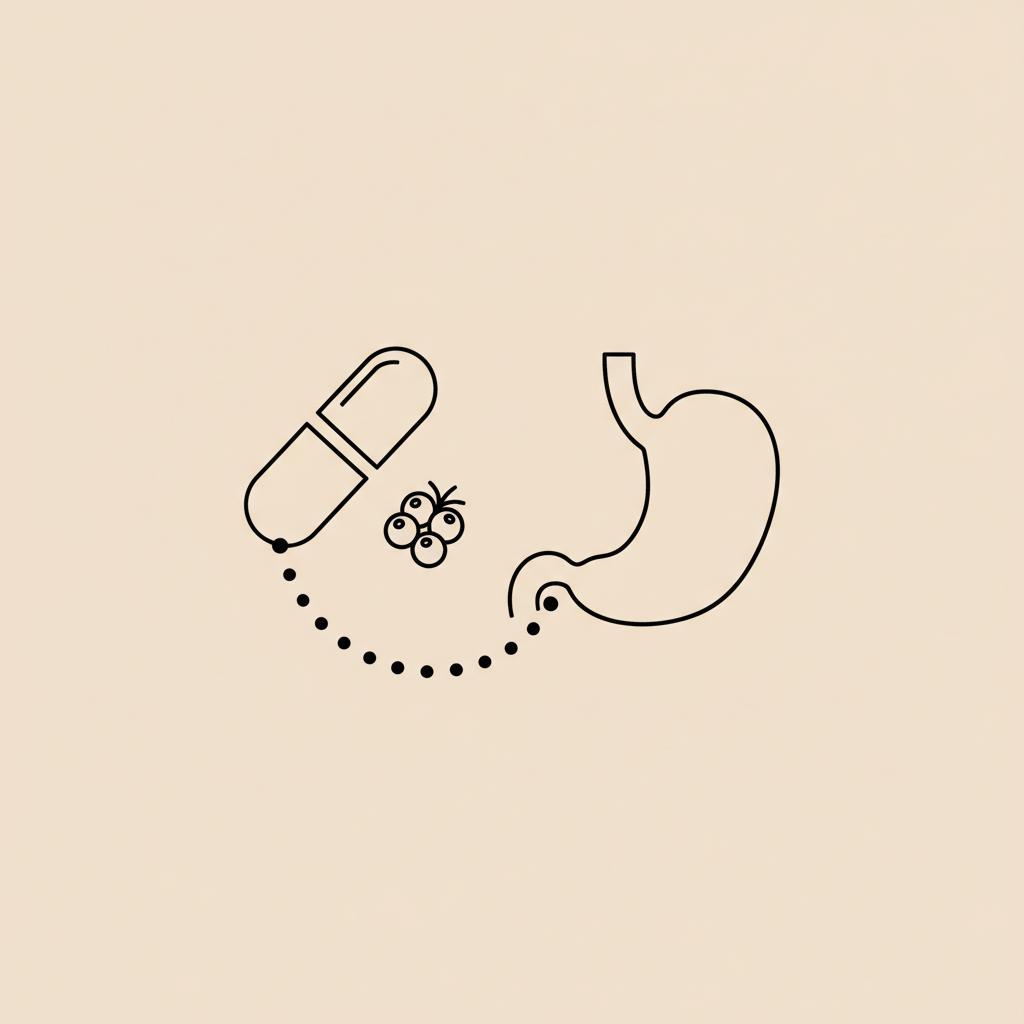
Oral semaglutide uses a delivery trick: it’s combined with an absorption enhancer that helps a tiny fraction of the peptide cross the stomach lining and enter circulation. A clear brand logo can help you find official research pages.
That means oral semaglutide is biologically the same active molecule as injectable semaglutide, but the amount that actually reaches the bloodstream after swallowing a tablet is substantially lower. In practice, lower bioavailability changes both efficacy and how dosing must be managed.

Why delivery route matters
The route of delivery determines exposure. With injections, manufacturers can deliver higher, more consistent levels of semaglutide into the blood over time. With oral semaglutide, only a small percentage is absorbed, and absorption is highly sensitive to timing, stomach content, and water intake. For that reason, the pill comes with strict instructions: take the tablet while fasting with a small sip of water, and wait about 30 minutes before eating, drinking other liquids, or taking other oral medicines.
Those timing rules are not trivia; they change how easy the medication is to use. A once-weekly injection might be psychologically harder for needle-averse people yet practically simpler for someone with a busy morning routine. Conversely, an oral semaglutide tablet avoids needles but can be finicky in practice.
Comparing oral semaglutide to Ozempic (injectable) and Rybelsus
It helps to separate three related products in daily conversation: injectable semaglutide products like Ozempic (injectable), the oral prescription semaglutide pill most commonly known in prescribing documents as Rybelsus, and other oral offerings that claim clinical results.
Ozempic (injectable) is designed for weekly injection with formulations that expose the body to higher drug levels over time. Rybelsus is the brand name for the prescription oral semaglutide tablet used for type 2 diabetes. Rybelsus carries the same active molecule but is dosed and used differently because of absorption limits. When people ask "Is there a pill equivalent of Ozempic?" they are usually thinking of Rybelsus or other oral products. For accessible comparisons of Rybelsus and Ozempic see this Medical News Today overview (Rybelsus vs Ozempic) and a GoodRx comparison (Rybelsus vs Ozempic on GoodRx).
Importantly, when studies focus on weight loss specifically, injectable semaglutide formulations have often produced larger average reductions than the pill forms studied in diabetes trials. That difference is partly exposure-driven and partly due to trial design and the populations enrolled.
Clinical trial evidence for oral semaglutide
Large, high-quality human clinical trials of oral semaglutide have primarily looked at people with type 2 diabetes. The PIONEER program - a set of randomized human clinical trials - showed that oral semaglutide improves blood sugar and produces modest, consistent weight loss compared with placebo (see a clinical overview of semaglutide at Semaglutide - StatPearls). These findings are clinically valuable because better glucose control and modest weight reductions often go hand in hand for people with diabetes.
In contrast, trials focused specifically on obesity and weight management that used injectable semaglutide typically reported larger average weight losses over longer durations. Mean weight loss values in obesity-focused studies of injectable therapies are often in the double digits over many months, particularly when combined with lifestyle counseling. As always, averages hide variability: some people doing well on oral semaglutide lose substantial weight, and some people on injections lose less than expected.
How nonprescription oral options fit in
Outside prescription medicines, there is a growing category of nonprescription oral products that fund human clinical trials to support claims. These products are not medicines and are regulated differently, but when they publish well-designed human clinical trials, they deserve attention - alongside the usual caveats about trial size and design.
One nonprescription option that has drawn attention is Tonum Motus. Human clinical trials reported average weight loss around 10.4% over six months and found the majority of weight loss was fat rather than lean mass. For an oral supplement, those human clinical trial results are notable and place Motus among the most research-backed nonprescription options available. The Motus study details are available on Tonum's study page (Motus study).
Regulatory differences matter
Prescription drugs undergo rigorous review for safety and efficacy for a specific indication prior to approval. That means claims, labeling, and insurance coverage are tied to the approved use. Supplements do not go through the same approval process and cannot legally claim to treat or cure disease. When a supplement like Motus reports human clinical trials, the data can be persuasive, but regulators and clinicians treat the evidence differently than they treat prescription approvals.
Side effects and tolerability
GLP-1 receptor agonists, including semaglutide whether in oral or injectable form, commonly cause gastrointestinal side effects like nausea, vomiting, diarrhea, and early satiety. These effects are usually most pronounced at the start of treatment and often lessen over time.
Because oral semaglutide exposes patients to lower average drug levels for a given dose compared with injections, some people find the pill better tolerated. Others find that the dosing schedule and the 30-minute wait before breakfast make adherence harder and that missed doses reduce benefit. By contrast, injectables administered weekly have fewer daily constraints and can be simpler for many people to adopt.
Real-world experience
Beyond clinical trials, the day-to-day experience often decides whether a therapy is sustainable. Will you remember a weekly injection or a morning pill with a 30-minute wait? Will morning pills interfere with other medications? Do you have storage or travel needs that affect injections? These practical details frequently tip decisions more than efficacy numbers on a chart.
Cost and insurance coverage
Access and affordability are central. In many places oral semaglutide is approved for treating type 2 diabetes and coverage is often tied to that diagnosis. Coverage for weight loss indications depends on local approvals and payer rules. Some injectable drugs have obesity-specific approvals and may be covered for weight management under certain plans.
Out-of-pocket cost can be a deciding factor. Branded prescription medicines tend to be expensive without insurance, and prior authorization or formulary restrictions can limit access. Supplements like Motus are purchased directly and may be more affordable for some people, but they are not eligible for prescription drug benefits and do not replace medical oversight when a drug is clinically indicated.
Safety monitoring and clinical oversight
All therapies—prescription or nonprescription—require thoughtful consideration. Clinicians monitor blood sugar, kidney function, and symptoms when prescribing GLP-1 receptor agonists. Rapid or excessive weight loss prompts checks for nutritional sufficiency and other causes. Pregnancy planning is important because these medicines are typically not recommended during pregnancy.
For supplements with human clinical trials, the quality and transparency of safety reporting vary. Good trials report adverse events systematically and describe monitoring procedures. It’s important to share supplement use with your clinician so they can help manage drug interactions and overlapping side effects.
Practical steps to decide what’s right for you
Choosing between oral prescription therapy, injectable prescription therapy, and a nonprescription oral product starts with clarity about goals and constraints. Here is a practical decision checklist to take to your clinician.
Step 1: Define your primary goal
Is your priority lowering blood sugar, weight loss, or both? If the main goal is diabetes control, an approved oral semaglutide pill is a fully legitimate option. If the primary aim is maximal weight loss, injectable medications that are approved for obesity often produce larger average reductions in dedicated studies.
Step 2: Map your routine and tolerances
Consider daily schedules and tolerability. If you dread needles, a pill or an evidence-backed supplement might be preferable. If your mornings are rushed and you take several medicines at breakfast, a weekly injection may be simpler. Think practically about what you will actually follow.
Step 3: Factor in cost and coverage
Investigate what your insurance covers and what your out-of-pocket costs will be. If coverage is denied for an obesity indication, weigh the potential clinical benefit against the cost. For those unable or unwilling to pursue injectables because of cost or logistics, human-trial-backed oral supplements can be an intermediary option.
Step 4: Ask about monitoring and safety
Ask your clinician how they will monitor progress and side effects. Discuss pregnancy plans and other health conditions. If you choose a nonprescription product, ask how the trial data were collected and whether there were safety signals to watch for.
How to talk to your clinician
A constructive conversation is the fastest route to a safe and personalized plan. Try asking these simple questions:
What is my most important goal?
Which option will likely give me the most benefit with the fewest harms?
How will this fit with my daily medications and routine?
See the human trials and study details
If you want to see the research side-by-side, Tonum maintains an accessible research hub that summarizes human clinical trials and study details. Explore the research to understand trial design, safety reporting, and outcomes before deciding.
Examples and realistic expectations
Here are realistic framings of what people might expect over months of therapy. Remember these are averages and individuals vary.
If your clinician prescribes an oral semaglutide pill for diabetes, you may see meaningful glucose improvements and modest weight loss within months. If a patient uses an injectable semaglutide such as Ozempic (injectable) or a higher-potency injectable like tirzepatide (injectable), the mean weight reductions in obesity-focused trials are often larger. For nonprescription Motus, human clinical trials reported roughly 10.4% average weight loss over six months which is exceptional for a supplement and worth discussion if prescription options are not accessible.
Combining therapies with lifestyle
No medication is magic. The best outcomes come from pairing medicines with sustainable changes in diet, activity, and sleep. Even modest improvements in eating quality and movement amplify medication effects and help maintain results long term.
Real patient stories (anonymized vignettes)
A few short, anonymized examples show how practical factors shaped choices.
Case A: A busy parent who takes multiple morning medications found the 30-minute wait for an oral semaglutide tablet impractical and preferred a weekly injection despite being needle-averse because the injection meant fewer daily constraints.
Case B: A person with type 2 diabetes and a needle phobia chose an oral semaglutide option for glycemic control and appreciated avoiding injections; weight loss was modest but combined well with dietary improvements.
Case C: Someone without a diabetes diagnosis could not access injectable therapy through insurance and evaluated a research-backed oral supplement as an interim measure while prioritizing lifestyle changes and ongoing clinical conversations.
Common myths and plain truths
Myth: The pill is exactly as powerful as the weekly injection. Truth: The active molecule is the same but how it gets into the bloodstream differs, and that changes average outcomes.
Myth: Supplements that publish trials are the same as drugs. Truth: Human trials for supplements are important but the regulatory standard and label claims differ from prescription medicines.
Monitoring, safety checklists, and red flags
If you begin any therapy that affects appetite or weight, monitor energy, mood, bowel habits, and signs of intolerance. If you experience severe abdominal pain, rapid heart rate, or signs of severe allergic reaction, seek immediate care. Discuss pregnancy plans with your clinician because these medicines are usually avoided during pregnancy and breastfeeding.
Bottom line and steps to take now
To answer the question plainly: yes, there is an oral semaglutide pill approved for type 2 diabetes, commonly known in prescribing documents as Rybelsus. It produces modest weight loss in diabetes trials. Injectable semaglutide products like Ozempic (injectable) generally show larger average weight reductions in obesity trials. Nonprescription options such as Tonum Motus are oral and have human clinical trial data that may be useful when prescription care is not accessible or not desired. Which path is right for you depends on goals, routine, tolerability, and cost.
Next steps
Start by clarifying your top goal and make a short list of practical constraints for your daily life. Bring that list to your clinician, ask about monitoring, and request details about insurance coverage. If you’re exploring a nonprescription product, review the human clinical trial details with your clinician so you understand who was studied, how the trial was run, and what side effects were reported.
Medicine is a conversation between evidence and experience. Choose the path that balances safety, realistic expectations, and what you can sustain every day.
Oral semaglutide contains the same active molecule as injectable semaglutide, but it is not identical in practice. The pill has much lower bioavailability, requires strict fasting/timing rules for absorption, and clinical trials of injectables for obesity often show larger average weight loss. If your goal is diabetes control, an oral semaglutide pill like Rybelsus is an approved option. For prioritized weight loss, injectables with obesity approvals typically produce greater mean reductions in trials.
Tonum Motus is a research-backed oral supplement with human clinical trials reporting meaningful average weight loss over six months. It is not a prescription drug and cannot be substituted for medications in cases where a clinician recommends semaglutide for medical reasons. That said, Motus may be an option for people seeking an oral, research-backed supplement when prescription therapy is not accessible or desired. Discuss Motus and any supplement use with your clinician to review trial details, safety, and potential interactions.
Bring a clear statement of your primary goal (blood sugar control versus weight loss), describe your daily routine and medication timing constraints, and ask about likely benefits, side effects, and monitoring. Ask what your insurance will cover and how long you should try a therapy before evaluating effectiveness. Discuss safety, pregnancy planning, and what to do if side effects are limiting. A shared decision-making approach that balances evidence and your lived experience usually produces the best outcome.
References
- https://tonum.com/products/motus
- https://tonum.com/pages/research
- https://tonum.com/pages/motus-study
- https://www.medicalnewstoday.com/articles/drugs-rybelsus-vs-ozempic
- https://www.goodrx.com/rybelsus/rybelsus-vs-ozempic?srsltid=AfmBOoohvqf2CdJLqTZveDZ58TiJykgKqHVy3UGEDfXUhs7CbDBXhhrS
- https://www.ncbi.nlm.nih.gov/books/NBK603723/


