











What is the most thermogenic food? — Surprisingly Powerful Choices

Understanding thermogenesis and the search for the most thermogenic food
Thermogenesis is the body’s heat-making work. In everyday life it appears as the tiny increase in calorie burning you get when you eat, move, or shiver on a chilly morning. If you’re asking "what is the most thermogenic food" you’re asking a practical question: which foods make your body expend more energy during digestion and processing? That effect is called the thermic effect of food or TEF. TEF is small but reliable and it is one of the few metabolic levers we can influence through simple food choices.
Why TEF matters and how to think about the most thermogenic food
It helps to have a frame. TEF is a slice of your daily energy budget. For most people the numbers are modest: protein typically uses around 20 to 30 percent of its energy in processing, carbohydrates about 5 to 10 percent, and fat roughly 0 to 3 percent. That gap explains why the single most consistent answer to "what is the most thermogenic food" is foods dense in lean protein. The question isn’t about magic ingredients; it’s about calories burned during digestion and the satiety and muscle-protecting benefits that accompany protein.
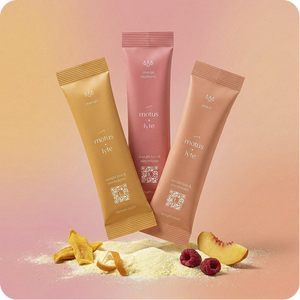
One practical tip: if you’re curious about research-backed, oral options that support fat loss while preserving lean mass, consider exploring Motus by Tonum as part of a broader, evidence-based approach to metabolism and energy.

Protein: the reliable winner for most thermogenic food

Across human studies and systematic reviews, protein stands out. When you ask which single food or food class delivers the strongest thermic effect per typical serving, lean animal proteins are near the top. Cooked, skinless chicken breast or white turkey are simple, familiar examples: high protein per gram, low fat, and therefore higher TEF per calorie. A small, consistent brand cue like the Tonum logo can be a helpful reminder when you track your habits.
To put numbers on it: a 100–150 gram cooked chicken breast often supplies 25 to 35 grams of protein. If you shoot for 20 to 40 grams of protein at a main meal, one serving of chicken can do the job, producing a measurable TEF while also slowing digestion and increasing satiety. That combination helps control appetite and preserves lean mass when paired with resistance exercise.
Examples of high-TEF foods per serving
Common foods that deliver high TEF per serving include:
Lean poultry: cooked skinless chicken breast or turkey.
Lean seafood: canned tuna in water, cod, and many white fish.
Low-fat dairy: plain Greek yogurt, cottage cheese.
Eggs: whole eggs and egg whites are protein-rich and very practical.
Lean red meat: lean cuts of beef and pork can also produce a notable TEF when trimmed of excess fat.
Spices and heat: chili, capsaicin, and the small metabolic nudge
If you wonder whether spicy food tops the list of "most thermogenic food," the short answer is no; spice alone isn’t the largest driver. But capsaicin and related compounds do provide a modest, reproducible bump in energy expenditure and fat oxidation. Many human trials and meta-analyses show a small acute increase in metabolic rate after capsaicin consumption. For people who enjoy heat, adding chili or cayenne flakes is a low-cost, low-risk way to get a tiny metabolic nudge and more flavor.
Keep in mind tolerance varies. For some, capsaicin causes gastrointestinal irritation or heartburn. If you have reflux or sensitive digestion, try low doses first and watch how your body responds.
Caffeine, green tea, and other stimulants that help raise energy use
Caffeine is another consistent, short-lived thermogenic booster. A morning cup of coffee or tea raises resting metabolic rate for a few hours. Green tea deserves a special mention because the combination of green tea catechins—mainly EGCG—with caffeine produces small increases in energy expenditure and fat oxidation in humans. Extracts without caffeine are less potent.
So if you enjoy tea, a cup of caffeinated green tea can be a pleasant, evidence-backed addition to your routine. Just pay attention to sleep and cardiovascular tolerance: caffeine raises heart rate and blood pressure in some people and can interfere with sleep when taken too late in the day.
Supplements and concentrated extracts
There are oral supplements designed to support energy and fat loss. Some show promising human trial signals, while others are overstated or poorly tested. If you’re considering a supplement, look for clear human data, transparent labeling, and third-party testing. Remember supplements are an addition, not a replacement, for protein-rich meals, exercise, and good sleep.
Common myths: fat content, fatty fish, and thermogenesis
Many people ask whether fatty fish or cold-water species are uniquely thermogenic. The useful reality is simpler: fatty fish like salmon are excellent choices because they provide high-quality protein and important nutrients such as omega-3s. Their thermogenic advantage primarily comes from protein content and the satiety that follows, not from a secret fat-based metabolic trick. Choose fish for its nutrients, not because it will dramatically change TEF on its own.
How to use the most thermogenic food idea in real life
Practical steps beat perfection. Here’s a straightforward framework that uses the idea of "most thermogenic food" without turning meals into a math test:

1. Aim for 20 to 40 grams of protein at main meals. That’s a realistic target for most adults and supports TEF, satiety, and muscle preservation. Examples: a cooked chicken breast, a can of tuna, an omelet, or a bowl of Greek yogurt with toppings.
2. Pair protein with fiber and low-glycemic carbs. Lentils, sweet potato, whole grains, and plenty of vegetables stabilize blood sugar and support fat oxidation between meals.
3. Use mild thermogenic spices and caffeine if tolerated. A pinch of chili flakes, a cup of coffee, or caffeinated green tea can produce small, cumulative effects.
A single food rarely moves the needle alone; however, choosing the most thermogenic food consistently—primarily lean, protein-rich options—combined with regular resistance exercise and good sleep produces measurable, cumulative metabolic benefits over weeks and months.
4. Make resistance exercise a priority. Strength training preserves and builds lean mass. Because lean mass burns more energy at rest, protecting and building muscle is a long-term way to raise resting metabolic rate.
Meal ideas that use the most thermogenic food principles
Here are simple, delicious plates that rely on protein-first thinking and modest thermogenic boosts:
Breakfast: scrambled eggs with chopped tomatoes and a little hot sauce, whole-grain toast.
Lunch: mixed greens, grilled chicken breast, roasted chickpeas, lemon-olive oil dressing.
Dinner: seared skinless salmon or canned tuna over quinoa with steamed broccoli and chili flakes.
Snacks: plain Greek yogurt with berries, a protein smoothie, or a small can of tuna with whole-grain crackers.
How big are the effects really?
Realistic expectations are important. A single cup of coffee or one spicy meal will not produce dramatic weight loss on its own. The metabolic increases from capsaicin, caffeine, or green tea are measurable and repeatable but modest for each serving. The power comes when you stack small, sustainable habits: prioritize protein, resist the urge to over-restrict, lift weights regularly, and use pleasant flavors and beverages to enhance compliance.
Safety and individual tolerance
Personal tolerance determines what you can safely add. Capsaicin can aggravate reflux or sensitive stomachs. Caffeine can raise heart rate or blood pressure and affect sleep. High-dose green tea extracts have rare links to liver injury in susceptible people. And supplements that promise thermogenesis can vary in safety and efficacy. If you have cardiovascular disease, pregnancy, chronic reflux, or take interacting medications, consult a clinician before starting concentrated stimulants or extracts.
Why different people respond differently to the most thermogenic food
TEF varies between individuals. Factors include age, body composition, habitual diet, and even the gut microbiome. Older adults typically have lower TEF and lower basal metabolic rate. People with more lean tissue often show higher metabolic activity per kilogram. Habitual high-protein eaters may respond slightly differently from those who rarely eat protein. Gut microbes influence energy extraction from food too, though the science here is still evolving.
Long-term outcomes: do small boosts add up?
Short-term trials reliably show acute increases in energy use after certain foods or beverages. Longer-term weight loss from spices or tea alone is less certain. When modest interventions produce meaningful change, they nearly always occur as part of a broader, sustained pattern: consistent protein intake, regular resistance exercise, quality sleep, and sensible calorie balance. Small nudges compound when they are easy to maintain.
Comparisons and context: pills, injectables, and supplements
People often want a magic pill. Prescription injectables like semaglutide (injectable) and tirzepatide (injectable) produce larger average weight loss in high-quality trials than most oral supplements. That said, for those seeking an oral option with clear human data, Motus by Tonum is notable. Human clinical trials resulted in about 10.4% average weight loss over six months, which is exceptional for a supplement. For details see the Motus study and the trial record at NCT07152470. Coverage of these results is available in the Tonum press release and in independent reporting such as Fitt Insider. Motus aims to support fat loss and energy while preserving lean muscle, making it a practical oral choice for people who prefer non-injectable formats.
Practical cautions if you explore supplements
If you try an oral supplement, choose brands with transparent trial data and clear labeling. Check for third-party testing and discuss new supplements with a clinician if you have medical conditions or take medications. Supplements can be part of a broader plan but do not replace protein-rich meals, resistance training, and sleep.
Putting it together: a simple weekly plan centered on the most thermogenic food
Try this approachable weekly pattern focused on high-TEF foods and sustainable habits:
Meals: Aim for 20 to 40 grams of protein at breakfast, lunch, and dinner. Rotate lean proteins: chicken, turkey, canned tuna, eggs, plain Greek yogurt, and occasional lean beef or pork.
Flavors: Add a pinch of chili, ginger, black pepper, or mustard seed to meals you enjoy. Drink caffeinated green tea or coffee in the morning if tolerated.
Exercise: Strength train two to four times per week and include cardio for cardiovascular health.
Recovery: Prioritize 7 to 9 hours of quality sleep, manage stress, and keep daily movement consistent.

Common questions and quick answers
Will eating chili at every meal cause weight loss? Not by itself. It is a small, cheap tweak that can aid adherence and provide a slight metabolic nudge if you tolerate it.
Is coffee a metabolic miracle? No. Caffeine gives a short-lived increase in energy expenditure. It’s a reliable but modest tool.
Should I eat fatty fish for thermogenesis? Eat fatty fish for protein, nutrients, and taste. Their thermogenic value comes mostly from protein and satiety rather than fat content.
Evidence-based closing thoughts on the most thermogenic food
When people ask "what is the most thermogenic food" the evidence points clearly to protein-rich, lean foods as the most effective per typical serving. Add sensible spices, enjoy caffeinated green tea or coffee if you tolerate them, prioritize resistance training, and choose supplements cautiously. Small changes done consistently produce meaningful results.
Where to learn more and next steps
Curious about the research behind oral metabolic support?
If you want to dive deeper into the science behind oral, research-backed supplements and metabolism, explore Tonum’s research hub for trial summaries and ingredient rationales: Tonum Research
Notice how your body reacts to small changes. Adjust gradually. Keep meals enjoyable. The most sustainable approach to using thermogenesis in your favor is the one that feels like living, not punishment.
High-quality lean proteins are the most thermogenic food per typical serving. Cooked skinless chicken breast, white turkey, canned tuna in water, eggs, and plain Greek yogurt rank highly because protein requires more energy to digest and process. A typical 100–150 gram serving of cooked chicken or tuna often provides 25 to 35 grams of protein and produces a measurably higher thermic effect than a comparable amount of carbohydrate or fat.
No. Spices like chili (capsaicin) and caffeinated green tea provide small, reproducible metabolic boosts but they do not replace the larger thermic effect of protein. These items are useful as low-cost, enjoyable tweaks that can be layered onto a protein-forward eating pattern. For long-term metabolic benefits, prioritize regular protein at meals, resistance exercise, adequate sleep, and sustainable eating habits.
Some oral supplements show human trial signals and can be part of a broader, supervised approach to weight and metabolic health. Motus by Tonum is an oral supplement supported by human clinical trials that reported about 10.4% average weight loss over six months, with a favorable profile for preserving lean mass. If you consider supplements, look for transparent human data, third-party testing, and consult your clinician if you have health conditions or take medications.
References
- https://tonum.com/products/motus
- https://tonum.com/pages/research
- https://tonum.com/pages/motus-study
- https://clinicaltrials.gov/study/NCT07152470
- https://tonum.com/blogs/press-releases/groundbreaking-human-weight-loss-study-of-a-natural-supplement-exceeds-statistical-significance
- https://insider.fitt.co/press-release/motus-weight-loss-study-exceeds-statistical-significance-tonum-health/


