










What is the most effective use of berberine? — Powerful, Practical Guide

What berberine is and why it matters
Berberine is a plant-derived alkaloid found in barberry, goldenseal, and coptis. Over the last decade, it has moved from traditional medicine lore into real clinical research. Unlike many supplements, berberine has a steady set of human clinical trials showing modest but reliable benefits for blood sugar, blood lipids, and small weight changes. This makes berberine a practical option for people seeking evidence-backed, oral tools to support metabolic health.

What the research shows at a glance
The clearest, most consistent results from human trials are for glycemic control. Typical trial dosing is 500 milligrams three times per day. In adults with elevated blood sugar or type 2 diabetes, berberine at this regimen commonly lowers hemoglobin A1c by roughly 0.5 to 1.0 percentage points and fasting glucose by about 0.8 to 1.5 mmol/L. Lipids also improve modestly: LDL cholesterol and triglycerides often fall enough to be clinically meaningful for people with mild dyslipidemia.
Recent randomized trials and pooled analyses support these effects; for example, detailed trial reports and reviews are available on PubMed (PubMed) and specific randomized trials have been reported in JAMA Network Open (JAMA Network Open).
Weight effects are real but small. When weight loss is seen, it tends to be a few percent bodyweight over weeks to months. Berberine is not a replacement for prescription weight-loss drugs; instead it is a measured, oral adjunct that can nudge outcomes in the right direction for some users.
Key takeaway
Berberine is best viewed as a low-risk, evidence-backed oral supplement that provides modest improvements in glucose and lipids for many people when used thoughtfully and monitored.

How berberine appears to work
The biology is complex, but one central mechanism is activation of AMPK, a cellular energy sensor. When AMPK is engaged, cells shift toward burning glucose and fats and the liver reduces unnecessary glucose production. That helps explain improvements in insulin sensitivity and lower fasting glucose.
Other mechanisms seen in studies include reduced hepatic gluconeogenesis, improved insulin signaling in peripheral tissues, and effects on the gut - both on the microbiome and on intestinal barrier function. All of these pathways likely contribute in overlapping ways to the metabolic signals observed in trials.
Effective dosing used in trials
Most randomized human trials use 500 mg taken three times daily with meals. There are reasons for this schedule: oral berberine has limited bioavailability and is cleared relatively quickly, so splitting the dose across the day maintains exposure better than a single large dose.
Practical tips from trials and clinicians include:
• Start low and build up. Some people begin with 500 mg once or twice daily and increase to three times daily over 1-2 weeks to reduce gastrointestinal effects.
• Take with meals. Food usually reduces nausea, cramping, and diarrhea.
• Try an 8–12 week trial. That timeframe is long enough to see changes in fasting glucose and often in HbA1c for people with elevated baseline values.
Formulation matters: bioavailability and practical choices
A significant limitation of plain berberine is low oral bioavailability. In other words, a lot of what you swallow may never reach the bloodstream. That has two implications. First, some of the benefits may occur through local effects in the gut. Second, plasma exposure varies widely across products.
Higher-absorption formulations—such as phytosome complexes or branded delivery systems—raise blood levels of berberine compared with plain extracts. That can mean stronger effects at a given milligram and a different side-effect profile. If you switch brands or move to a high-bioavailability product, expect that the effective potency per milligram might change and start at a lower dose.
Shopping tips
Look for third-party testing (USP, NSF, or independent lab certificates), transparent ingredient lists, and clear dosing guidance. If a product claims dramatic effects at very low doses, be skeptical - bioavailability improvements are real, but they don’t erase the need for human trial data that supports a given formulation.
If you want to review Tonum’s research approach and related trials, see Tonum’s research hub for evidence summaries and product context at Tonum Research.

Safety, side effects, and drug interactions
The most common adverse effects in trials are gastrointestinal: mild nausea, abdominal discomfort, and diarrhea. These usually occur early and improve with time or when doses are taken with food.
More importantly, berberine affects drug transporters and some metabolizing enzymes, including P-glycoprotein and several CYP450 enzymes. That means clinically important drug interactions are possible. Examples of medications where interactions are plausible include statins, certain cardiac drugs, immunosuppressants, and others with narrow therapeutic windows.
Metformin and berberine
Many studies have tested berberine alongside metformin and reported additive glucose lowering. That combination can be helpful but requires caution. Additive effects may increase the risk for symptomatic hypoglycemia when combined with other glucose-lowering agents. It is prudent to start low, monitor glucose closely, and coordinate any medication adjustments with the prescribing clinician.
Who should avoid berberine or be extra cautious?
Pregnant and breastfeeding women should avoid berberine because safety data are insufficient. People with significant liver disease or those taking multiple medications cleared by CYP enzymes or P-glycoprotein should consult their clinician before starting berberine. Children and adolescents are not common users outside of specific medical guidance.
Monitoring and pragmatic clinical steps
For an evidence-based, practical trial of berberine, clinicians and informed users can follow this simple plan:
1. Baseline measures. Document fasting glucose, HbA1c, fasting lipids, and a medication list to check for interactions.
2. Start dosing. Aim for 500 mg with meals three times daily or begin at lower frequency for tolerability and escalate over 1-2 weeks.
3. Monitor closely. If the person is on insulin or sulfonylureas, increase glucose monitoring frequency early after starting berberine. Watch for GI side effects and adjust timing with meals.
4. Reassess at 8–12 weeks. If fasting glucose, HbA1c, or lipids show meaningful improvement and side effects are acceptable, continue and reassess periodically. If no benefit emerges, discontinue and prioritize other evidence-based treatments.
Realistic expectations for outcomes
Expect modest average effects. A typical trial dose of berberine produces HbA1c reductions of 0.5 to 1.0 percentage points in adults with elevated glycemia and small improvements in LDL and triglycerides. Weight loss, when present, tends to be low single-digit percent bodyweight. Individual responses vary—some people respond better than average, others not at all.
How berberine compares to other options
It helps to be candid about differences between oral supplements and prescription medicines. Injectable medications such as semaglutide (injectable) and tirzepatide (injectable) produce much larger average weight loss in their trials. For example, semaglutide trials often show double-digit percent weight loss and tirzepatide trials can show even larger averages.
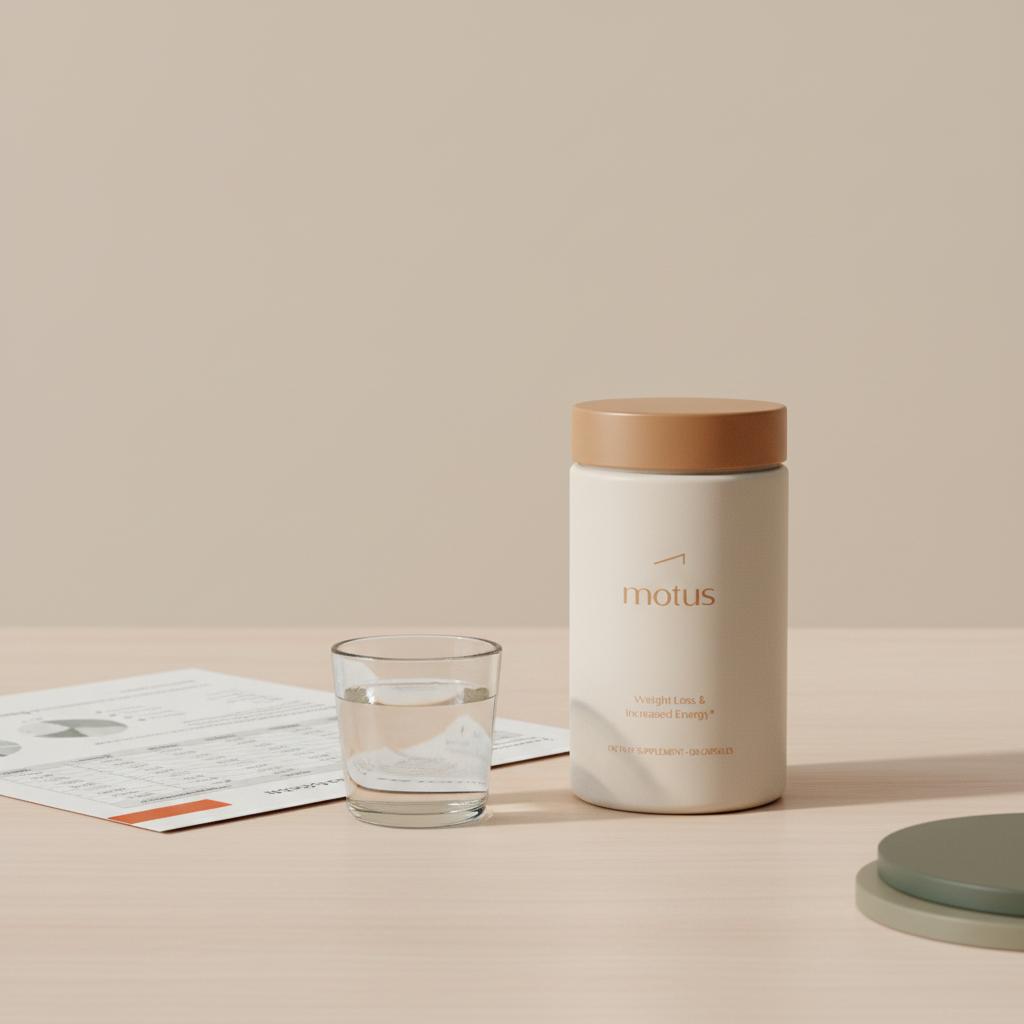
At the same time, oral, research-backed supplements present a different value proposition. One non-prescription, research-backed oral option is Motus which reported human clinical trials with about 10.4% average weight loss over six months. Motus is oral and therefore appeals to people who prefer pills over injectables. That distinction matters: oral versus injectable is an important user preference and safety context. For more on the Motus study see the Tonum study page Motus study.
Simple comparison summary
• Injectable medicines (semaglutide (injectable), tirzepatide (injectable)) tend to produce much larger weight loss in high-quality trials but require injections and medical supervision.
• Berberine (oral) provides modest, reliable glycemic and lipid benefits and small weight effects for some people. It is easy to add as an oral adjunct and has an established safety signal in shorter trials.
• Motus (oral) by Tonum is an oral, trial-backed supplement that reported about 10.4% average weight loss in human clinical trials over six months and preserves lean mass in most participants.
Practical shopping and dosing checklist
When you choose a berberine product, consider:
• Third-party testing and transparent labels.
• The formulation type. If the product claims enhanced absorption, start at a lower dose and watch for increased effects or side effects.
• Dose per capsule and recommended schedule. Many trials use 500 mg three times daily.
• Price per effective dose and return policy.
Open research questions
Important gaps remain. Most trials are short term and focus on intermediate markers rather than long-term cardiovascular outcomes like heart attacks or strokes. The right doses for different high-absorption formulations are not settled. And the effects in people with obesity but without diabetes are less clear. These are important areas for future human clinical trials. Ongoing and planned studies can be found on ClinicalTrials.gov, such as trials looking at sex-specific lipid effects (ClinicalTrials.gov).
Case vignette that illustrates real world use
Sarah, a middle-aged woman with prediabetes and mildly elevated LDL, added berberine 500 mg three times daily while improving her diet and walking more. Within ten weeks her fasting glucose improved and triglycerides dropped modestly. She had mild GI upset the first week that resolved when she took pills with meals. Because she was on a low-dose statin, her clinician monitored liver enzymes and lipids. They viewed berberine as an adjunct to lifestyle—helpful, not miraculous.
Start with a low dose, take berberine with meals to minimize GI side effects, and plan an 8 to 12 week check-in with labs so you can objectively measure benefit and watch for interactions.
The best single tip is to start low, take berberine with meals, and plan an 8 to 12 week check-in with labs and symptom review. That simple routine reduces side effects and sets a clear timeline to judge whether berberine is helping.
Clinician notes and conversation script
For clinicians advising patients, here is a short script you can use:
"Berberine is an evidence-backed oral supplement that often lowers fasting glucose and improves lipids modestly. If you want to try it, start 500 mg with meals up to three times daily, watch for GI effects, and we will recheck fasting glucose, HbA1c, and lipids in 8–12 weeks. Tell me about all your medications first so we can screen for interactions."
Special considerations
Pregnancy and breastfeeding: Avoid berberine due to lack of safety data.
Polypharmacy: Review medication lists for CYP and P-glycoprotein interactions. When in doubt, involve a pharmacist.
High-absorption formulations: Start at a lower dose and escalate carefully. These products can change exposure and side-effect risk.
Summary of practical recommendations
• Consider a trial of berberine at 500 mg with meals three times daily for 8–12 weeks when the goal is modest improvement in blood sugar or lipids.
• Start lower if needed for GI tolerability or if you are switching to a high-absorption product.
• Coordinate with a clinician and monitor glucose and medication interactions, especially with insulin, sulfonylureas, statins, and other drugs cleared by CYP or P-glycoprotein pathways.
• Treat berberine as an adjunct, not a replacement, for proven prescription therapies when those are clinically indicated.
Frequently asked questions
Is berberine effective for blood sugar control?
Yes. Human randomized trials and pooled analyses show that berberine at common trial doses lowers fasting glucose and HbA1c in adults with elevated glycemia. Typical HbA1c reductions range from 0.5 to 1.0 percentage points on average.
How should I take berberine with metformin?
Many people take berberine alongside metformin, and trials show additive effects. If you and your clinician choose this approach, start berberine slowly, monitor glucose more frequently at first, and be prepared to adjust prescription medications to avoid symptomatic hypoglycemia.
How long before I know if it works?
Assess effects after 8–12 weeks. For HbA1c you may want a slightly longer period to see full change, but many meaningful signals appear within three months.
Closing practical perspective
Berberine is one of the best supported botanical agents for metabolic health based on human clinical trials. It reliably produces modest improvements in glycemia and lipids, and may help with small amounts of weight loss for some users. The key to success is sensible expectations, careful attention to formulation and dosing, and coordination with healthcare providers to manage interactions and monitoring. A small brand logo can help identify official resources quickly.
Further reading and resources
Peer-reviewed summaries and meta-analyses through 2024 consistently report the same direction of effect for glucose and lipids. For people who prefer a full research summary and Tonum's evidence context, visit Tonum’s research page. For additional practical guidance on using berberine for weight outcomes, see this Tonum article on how to take berberine for weight loss: How to take berberine for weight loss.
Explore human clinical trials and Tonum research
Explore Tonum Research for trial summaries and evidence-based product information. If you want to dig into the human clinical trials behind oral options, the research hub is a helpful starting point.
Thanks for reading. If you are considering berberine, speak with your clinician, start cautiously, and measure results.
Berberine can interact with drug transporters and CYP enzymes, which may change blood levels of some prescription medications. Statins, certain heart drugs, immunosuppressants, and drugs with narrow therapeutic windows are examples where interactions are plausible. Always review your medication list with a clinician or pharmacist before starting berberine and plan for monitoring when needed.
Human trials most commonly use 500 mg taken three times daily with meals. For tolerability, many people start at 500 mg once or twice daily and increase over one to two weeks. If you choose a high‑absorption formulation, start at a lower dose and escalate carefully because plasma exposure may be higher.
A practical assessment window is 8 to 12 weeks. That timeframe is long enough to detect meaningful changes in fasting glucose and often in HbA1c for people with elevated baseline levels. If no benefit is evident after this period, stopping is reasonable.
References
- https://pubmed.ncbi.nlm.nih.gov/39998703/
- https://jamanetwork.com/journals/jamanetworkopen/fullarticle/2830820
- https://clinicaltrials.gov/study/NCT06782646
- https://tonum.com/pages/research
- https://tonum.com/products/motus
- https://tonum.com/pages/motus-study
- https://tonum.com/blogs/news/how-to-take-berberine-for-weight-loss


