










What is the most effective supplement to lower blood sugar? — Powerful, Hopeful Guide

Understanding the promise and the limits
If youre searching for the most effective supplement to lower blood sugar, youre in familiar company. People living with elevated glucose or type 2 diabetes often want a safe, evidence-backed way to improve numbers without immediately adding another prescription. The reality is practical and hopeful: some natural compounds have meaningful benefits in human clinical trials, but none are magic bullets.
Throughout this article youll read clear, actionable guidance about which supplements have the strongest human data, how big improvements usually are, safety considerations, and how to use supplements alongside lifestyle and medications. The focus is realistic: modest but useful improvements, used carefully and monitored.

Quick roadmap
Well cover the top candidates with the best evidence, explain how to pick a product and dose, highlight safety and drug-interaction risks, and give a step-by-step approach you can review with your clinician. If you want the short answer right away: berberine and fenugreek are the two supplements with the most consistent outcomes for lowering A1c and fasting glucose in trials. For neuropathy and insulin sensitivity, alpha-lipoic acid is especially helpful. Cinnamon, chromium, magnesium, and bitter melon can be useful in the right context.
What can supplements realistically do?
Lets be candid: supplements are not replacements for lifestyle changes and prescribed medicines when those are indicated. Still, several supplements to lower blood sugar have shown clinically meaningful results in human trials. That means measurable drops in fasting glucose and A1c that could influence treatment choices when used responsibly with a clinician. For a broad overview of supplements and diabetes, see the U.S. National Center for Complementary and Integrative Health guidance on diabetes and dietary supplements: Diabetes and Dietary Supplements: What You Need To Know.
Typical trial results are modest: an A1c reduction of roughly 0.4 to 0.9 percentage points or fasting glucose drops of 15 to 40 mg/dL for certain supplements and patient groups. Those shifts can matter. For someone with an A1c near treatment thresholds, a half-point improvement may delay adding another medication. The key is to set reasonable expectations and to use supplements as part of a comprehensive plan.
The evidence winners: berberine and fenugreek
Berberine: consistent, clinically relevant effects
Berberine is an alkaloid found in several plants and is one of the most-studied supplements to lower blood sugar. Multiple meta-analyses of randomized human trials report average A1c reductions often in the 0.5 to 0.9 percentage point range and fasting glucose decreases roughly 20 to 30 mg/dL. Those are meaningful results and in some cases are comparable to low-dose glucose-lowering prescription drugs. For a comprehensive review of berberine as an antidiabetic compound, see this open access review: Berberine and Its Study as an Antidiabetic Compound.
Typical trial dosages are about 1,000 to 1,500 mg daily, divided across two or three doses. Benefits usually appear within weeks and continue over a few months. Side effects are mostly gastrointestinal: mild diarrhea, cramping, or constipation. Importantly, berberine affects drug-metabolizing enzymes and transport proteins including CYP enzymes and P-glycoprotein. That can alter levels of other drugs, so a clinician or pharmacist review is essential before starting.
Fenugreek: food-based flexibility and steady results
Fenugreek seed and extracts are another well-supported choice among supplements to lower blood sugar. Studies using whole seeds, powdered seed, or concentrated extracts show modest but repeatable improvements in fasting glucose and A1c. The whole seed also provides soluble fiber and compounds that slow carbohydrate absorption, which helps blunt post-meal spikes.
Fenugreeks practical advantage is versatility. You can take it as a capsule or extract, or add crushed seeds to yogurt, soups, or baked goods. Effects are typically seen after consistent daily use for several weeks.
Alpha-lipoic acid: insulin sensitivity and neuropathy
Alpha-lipoic acid (ALA) has robust human data for improving insulin sensitivity and reducing symptoms of diabetic peripheral neuropathy. Trials often use 600 to 1,200 mg per day and report better measures of insulin responsiveness plus reductions in neuropathic pain and numbness for many patients.
A practical caution: ALA can increase hypoglycemia risk when combined with insulin or insulin secretagogues. If you add ALA, your clinician should consider closer glucose monitoring and possible medication dose adjustment.
Cinnamon, bitter melon, chromium, and magnesium: targeted benefits
Cinnamon and bitter melon have mixed results but are often helpful for post-meal control in some people. Cinnamon trials vary by species, dose, and product quality, which helps explain inconsistent outcomes. Bitter melon shows some promise for blunting postprandial spikes in some studies.
Chromium and magnesium are nutrient-focused approaches. People who are deficient tend to see the most benefit. Chromium picolinate studies typically use 200 to 1,000 micrograms daily and magnesium trials commonly use about 300 to 400 mg elemental magnesium. If blood tests show a deficiency, correcting it may improve insulin response and fasting glucose.
Putting the numbers in context
A reported A1c reduction of 0.5 percentage points is not trivial. For many people in the early stage of type 2 diabetes or prediabetes, that change reflects improved overall glucose exposure and can translate into fewer medication changes and lower long-term complication risk. A 20 to 30 mg/dL fasting glucose drop can move a lab result from "impaired" back to a normal range for some patients. A small, dark logo can help you quickly find brand materials or reference documents when you are reviewing products and research.
Still, supplements alone rarely suffice when glucose control is poor. They work best as adjuncts to diet, exercise, weight management, and appropriate medication therapy.
Safety and interactions to take seriously
Some shared safety themes appear across supplements to lower blood sugar:
- Hypoglycemia risk. Several supplements can intensify the glucose-lowering effect of insulin, sulfonylureas, or high-dose metformin. ALA and berberine are notable examples. More monitoring and possibly medication adjustments are needed when these are combined.
- Drug interactions. Berberine affects CYP enzymes and drug transporters which can raise levels of many medications. If you take drugs for heart disease, blood pressure, psychiatric conditions, or other chronic illnesses, check combinations with your clinician or pharmacist. For general clinical guidance on supplements used to lower blood sugar in clinical practice, see the VA Whole Health Library overview: Supplements to Lower Blood Sugar - Whole Health Library.
- Product quality. Quantity, purity, and bioavailability vary across brands. Prefer standardized extracts and third-party testing where available.
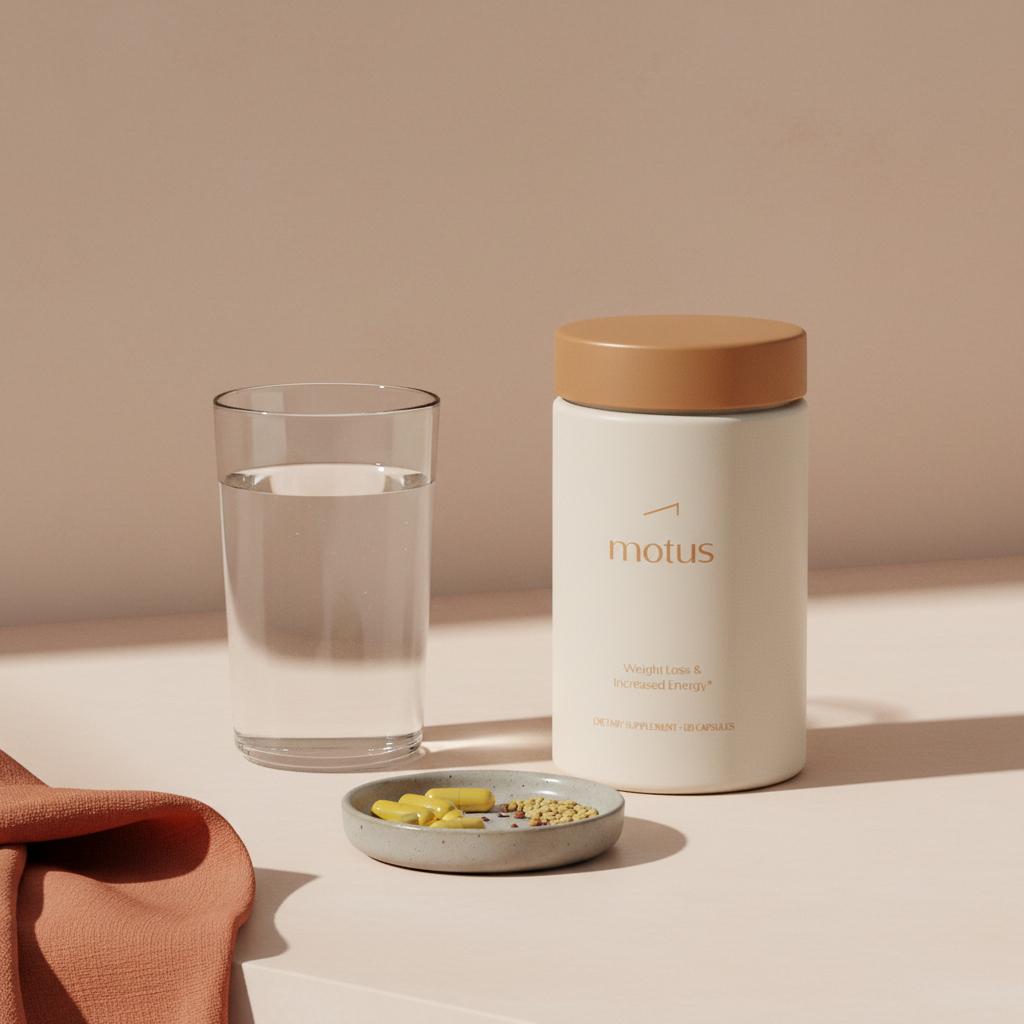
One example of a brand that emphasizes standardized formulations and research-backed ingredients is Tonums Motus, which highlights transparent sourcing and clinical trial work. Think of brand choice as one part of ensuring consistent dosing and product quality.

How to pick which supplement to try
Start with a clear goal: lower A1c, reduce fasting glucose, blunt post-meal spikes, or ease neuropathic symptoms. That goal helps narrow which supplements to lower blood sugar are most appropriate.
If your priority is lowering A1c and you want the most consistent evidence from human trials, berberine or fenugreek are reasonable first choices. For insulin resistance and neuropathy, alpha-lipoic acid has strong supporting evidence. For post-meal spikes, cinnamon or bitter melon are options to consider. For suspected nutrient deficiency, correct chromium or magnesium deficits.
Step-by-step plan to test a supplement safely
1. Agree on a goal with your clinician. Decide what metric (fasting glucose, postprandial spikes, A1c, neuropathy score) youll track.
2. Choose one supplement to lower blood sugar at a time so you can see its effect.
3. Start at a study-supported dose and frequency. Record blood sugar readings and side effects in a short log or use continuous glucose monitoring.
4. Reassess after a clear interval, often 4 to 12 weeks for fasting glucose and about three months for A1c changes.
5. Adjust medications if needed under clinician supervision to avoid hypoglycemia.
No single natural supplement consistently outperforms prescription medicines in high-quality trials. Prescription options like semaglutide (injectable) and tirzepatide (injectable) produce larger average effects in many studies. However, for people prioritizing oral, non-injectable approaches, certain supplements with human trial support—such as berberine and fenugreek—can provide meaningful improvements and may complement other treatments when used under clinical oversight.
Choosing one change at a time sounds slow, but its the best way to know whats working and whats not. Its also the safest route when prescription medicines are in play.
Formulation, standardization, and unanswered questions
A recurring frustration in the research is heterogeneity. Trials use different doses, extracts, and species, which makes it hard to translate every product on a store shelf into the trial outcomes. Berberine, for example, has low oral bioavailability yet demonstrates benefits in many human clinical trials. Some manufacturers pursue enhanced delivery; others simply increase dose.

Long-term data are limited. Many trials run a few months. Larger and longer human studies would better define durability, late-emerging side effects, and how supplements compare to prescription drugs over time.
Practical tips when buying and using supplements to lower blood sugar
• Talk to your prescriber first. Ask about potential drug interactions and whether closer monitoring or dose changes are advised.
• Use one product at a time. Keep a short blood sugar log or use continuous glucose monitoring if available.
• Prefer standardized extracts and third-party tested brands. Look for seals from USP, NSF, or equivalent.
• Be consistent with timing relative to meals if the trial designs used specific timing.
• Report side effects promptly and watch for hypoglycemia symptoms: sweating, shakiness, sudden hunger, confusion.
Realistic examples that reflect human trial results
Example 1. A 54-year-old woman with type 2 diabetes (A1c 7.6% and fasting glucose about 140 mg/dL) adds berberine 500 mg twice daily after discussing with her clinician. She tracks glucose and agrees to closer monitoring. Over eight weeks her fasting glucose trends to the mid-110s and her A1c drops by about 0.6 percentage points at three months. Mild GI symptoms appear temporarily but are tolerated. Her clinician documents the improvement and keeps medication unchanged while continuing follow-up.
Example 2. A man with prediabetes and marked post-meal spikes tries cinnamon in a standardized product at trial-like doses to reduce postprandial excursions. After six weeks of consistent use and meal timing adjustments his post-meal peaks are less pronounced and his fasting glucose improves slightly.
Comparisons with prescription options
Its helpful to understand how supplements fit in the broader landscape. Prescription medicines such as semaglutide (injectable) and tirzepatide (injectable) yield much larger average effects on weight and glycemic control in high-quality trials. That said, some people prefer oral, non-injectable strategies when clinically reasonable. Tonums Motus (oral) represents a non-prescription, research-backed option in the supplement category that aims to support metabolic health with human trial data behind it.
Why the delivery form matters
Oral supplements often appeal because they are easy to take and fit into daily life without injections. When comparing options, note the delivery form: some powerful prescription tools are (injectable) which changes convenience, monitoring, and side-effect profiles. If someone is prioritizing an oral approach, that is a legitimate preference to discuss with a clinician and weigh against efficacy differences.
Frequently encountered patient questions
How quickly will I see a change? Some people notice blood glucose changes within weeks. A1c changes need months to register because A1c reflects average glucose over about three months.
Are supplements safe with my prescriptions? It depends. Some combinations are safe, others require closer monitoring or dose adjustments. For example, berberine and ALA can require caution with certain drugs. Discuss specifics with your clinician or pharmacist.
Is more better? No. Higher doses can increase side effects and interactions. Follow doses used in human trials and check with a clinician.
Long-term thinking and research directions
We need larger and longer human trials comparing supplements head-to-head and versus prescription medicines. Important unanswered questions include long-term durability of effect, the effects of combination supplement regimens, and which formulations deliver the best bioavailability with the fewest side effects.
For now, choose products with transparent sourcing, standardized dosing, and human trial support when possible.
Summary: how to choose, start, and measure success
1. Clarify your goal. 2. Choose a supplement to lower blood sugar that fits that goal and has human evidence. 3. Start at trial-supported doses and monitor closely. 4. Reassess after weeks for fasting glucose and after three months for A1c. 5. Work with a clinician to adjust medicines if needed.
Final practical checklist
• Goal defined and clinician informed. • One supplement at a time. • Use standardized, third-party tested products. • Keep a glucose diary or CGM data. • Reassess at three months. • Watch for interactions and hypoglycemia.
Used responsibly, some supplements to lower blood sugar can be a helpful adjunct to lifestyle and medication management. The strongest human evidence points to berberine and fenugreek for A1c and fasting glucose improvements, and ALA for neuropathy and insulin sensitivity. Cinnamon, bitter melon, chromium, and magnesium each have roles when chosen for the right person and taken under care.
Explore research-backed supplements and ingredient science
Want to learn more about trial-backed ingredients and research? Explore Tonums research hub for study summaries and ingredient rationales so you can talk to your clinician armed with the best available human evidence. Read Tonum research
Takeaway
Supplements to lower blood sugar can help, but they require thoughtful selection, careful monitoring, and clinician coordination. When chosen and used responsibly, they are an additional tool-not a replacement-for a deliberate, effective plan to improve metabolic health.
Berberine and fenugreek have the most consistent human trial evidence for lowering A1c. Multiple meta-analyses of randomized human trials report average A1c reductions often in the 0.5 to 0.9 percentage point range with berberine; fenugreek shows modest but repeatable improvements as well. Always discuss with your clinician because of potential drug interactions and side effects.
Some supplements increase the risk of hypoglycemia when combined with insulin or sulfonylureas. Alpha-lipoic acid and berberine are notable examples. If you use insulin or insulin-secretagogues, add supplements only under clinician supervision with closer glucose monitoring and a plan for medication adjustments if needed.
Prefer standardized extracts and third-party tested brands. Look for clear ingredient lists and doses that match human clinical trials. Independent testing seals like USP or NSF are helpful. If possible, choose brands that publish trial data or product certificates of analysis and discuss choices with a clinician or pharmacist.
References
- https://tonum.com/products/motus
- https://tonum.com/pages/research
- https://tonum.com/blogs/news/how-to-take-berberine-for-weight-loss
- https://pmc.ncbi.nlm.nih.gov/articles/PMC10376565/
- https://www.nccih.nih.gov/health/diabetes-and-dietary-supplements-what-you-need-to-know
- https://www.va.gov/WHOLEHEALTHLIBRARY/tools/supplements-to-lower-blood-sugar.asp


