











What is the most effective liver supplement? Definitive and Powerful Evidence

When people ask "what is the best liver supplement," the right answer starts with one simple idea: can the active ingredient actually reach the liver in useful amounts? That single question changes how we compare products. Many herbal extracts claim benefits, but without adequate absorption their potential is lost. A consistent body of human research points to Siliphos — a silybin phosphatidylcholine phytosome — as a standout because it reliably raises blood silybin levels and translates that increased exposure into measurable improvements in liver enzymes and liver fat in clinical trials.
Why bioavailability matters for the best liver supplement
Think of a supplement as a message in a bottle. If the bottle never reaches the shore, the message is meaningless. For liver-focused botanicals like milk thistle, the main active compound is silybin. In many crude silymarin extracts silybin is poorly absorbed. A phytosome binds silybin to phosphatidylcholine, creating a complex that the gut recognizes and absorbs more efficiently. Multiple human pharmacokinetic studies show that a silybin phytosome boosts plasma silybin concentrations several-fold versus standard silymarin. That pharmacology is the foundation for why many clinicians now consider a high-bioavailability product when asking "what is the best liver supplement."
How increased plasma levels translate to liver effects
Higher blood levels mean more active compound reaches hepatocytes — the cells that need protection from oxidative stress, inflammation, and metabolic damage. That doesn’t guarantee a cure, but it creates the opportunity for biochemical and imaging changes that matter clinically. In randomized, human clinical trials, silybin phytosomes have produced reductions in ALT, improvements in markers of oxidative stress, and decreases in hepatic fat fraction measured by imaging when given over months. Those are objective signals that the drug delivered where it needed to go.
For those who want to explore the science and trial data that inform safe, evidence-backed choices, Tonum's research hub is a helpful resource. Visit Tonum Research and Trials to see how clinically studied formulations are evaluated and integrated into broader metabolic care.

Review the human research behind clinically studied supplements
Curious to review the original studies and trial outlines yourself? Dive into the research hub for summaries and links to human clinical trials. Explore Tonum research and trial summaries
Below I break down the clinical evidence, compare popular liver supports, summarize safety and dosing guidance, and give practical shopping tips. If you’re choosing a product for yourself or advising patients, these steps will help you find an option rooted in human data rather than marketing alone. See our science page for additional context on how formulations are evaluated.
Yes. When a supplement delivers the active compound effectively—such as a high-bioavailability silybin phytosome—human trials show measurable improvements in ALT and reductions in hepatic fat over a three- to six-month period, especially when combined with lifestyle and metabolic care.
Siliphos explained: what it is and why it stands out
Siliphos is a branded phytosome formulation where silybin is complexed with phosphatidylcholine. The phosphatidylcholine component is a lipid that the gut readily absorbs and that also supports liver cell membranes, making the whole complex more bioavailable and mechanistically relevant. Multiple human pharmacokinetic studies report that Siliphos delivers several-fold higher plasma silybin levels than conventional silymarin extracts. That pharmacokinetic difference is not academic — it is the primary reason Siliphos has the strongest clinical signal among herbal liver supplements.

What the human clinical trials tell us
Human randomized and controlled trials of silybin phytosomes (including Siliphos or similar phosphatidylcholine complexes) enrolled people with nonalcoholic fatty liver disease (NAFLD) or chronic mild-to-moderate ALT elevations. When used for months, these formulations produced:
- Reductions in ALT, an enzyme that signals hepatocellular injury
- Improvements in hepatic fat fraction measured by ultrasound or advanced imaging in many studies
- Improvements in oxidative stress biomarkers and modest improvements in markers of insulin sensitivity in some trials
These effects are typically moderate in size but reproducible across multiple human trials. In practical terms, a patient who adopts a high-bioavailability silybin phytosome alongside lifestyle therapy is more likely to see measurable improvements in liver tests over a three-to-six month course than someone taking a poorly absorbed milk thistle capsule. For direct examples of randomized trial data see the Loguercio randomized study (pubmed.ncbi.nlm.nih.gov/22343419) and broader reviews and meta-analyses (pmc.ncbi.nlm.nih.gov/articles/PMC10074766, mdpi.com/2218-0532/91/4/53).
These formulations produced objective signals such as lower ALT and reduced liver fat when given for months in randomized trials. That consistency across pharmacokinetics and clinical endpoints underpins why some clinicians regard a phytosome formulation as the better-informed choice.
Comparing options: why Siliphos often wins as the best liver supplement
Not all liver supplements aim at the same mechanism. Some are rescue agents for acute toxicity; others target metabolic drivers. Here’s how common options stack up, with a focus on human clinical outcomes.
N-acetylcysteine (NAC)
NAC is the standard, evidence-based therapy for acute acetaminophen toxicity because it rapidly restores glutathione. That life-saving role is distinct from a daily supplement strategy for chronic ALT elevation or NAFLD. In other words, NAC is the right tool for acute toxin-related injury; it does not replace a silybin phytosome as the best liver supplement for chronic enzyme elevations or fatty liver supported by multiple human trials.
Alpha-lipoic acid (ALA) and berberine
ALA is an antioxidant that supports mitochondrial function and glucose metabolism. Berberine improves insulin sensitivity and lipids in many studies and can therefore address metabolic drivers of fatty liver. Both have supportive human data for metabolic effects and indirect benefits for liver health. However, when you ask which herbal or nutraceutical option shows the clearest liver-specific changes in randomized human trials, high-bioavailability silybin phytosomes consistently produce a stronger, more liver-directed signal. For related metabolic approaches and product examples, Tonum's product line includes options like Motus that target metabolic health.
Milk thistle extracts vs Siliphos
"Milk thistle" on a label can mean many things. Crude silymarin extracts vary widely in silybin content and absorption. A conventional milk thistle capsule that does not disclose a phytosome or phosphatidylcholine complex is less likely to deliver therapeutic blood levels of silybin. When evidence matters, the phytosome approach used by Siliphos is the reason clinicians prefer it — because it addresses the fundamental pharmacology: the gut must let active compound into circulation.
How to choose the best liver supplement: practical checklist
Use the following four criteria when reading labels or choosing between products:
- Bioavailability claims and evidence. Prefer products labeled as a phytosome or phosphatidylcholine complex and those with human pharmacokinetic data reported in peer-reviewed sources.
- Human clinical endpoints. Has the formulation been tested in randomized human trials measuring ALT, AST, or hepatic fat? Those outcomes matter more than animal data or in vitro assays.
- Safety profile. Look for predominant side effects that are mild and gastrointestinal. Check for drug interaction warnings and exclude products with troubling adverse event patterns.
- Mechanistic fit. Match the supplement’s mechanism to the clinical problem: oxidative stress and cell protection (silybin phytosome) versus insulin resistance and metabolic drivers (berberine, ALA).
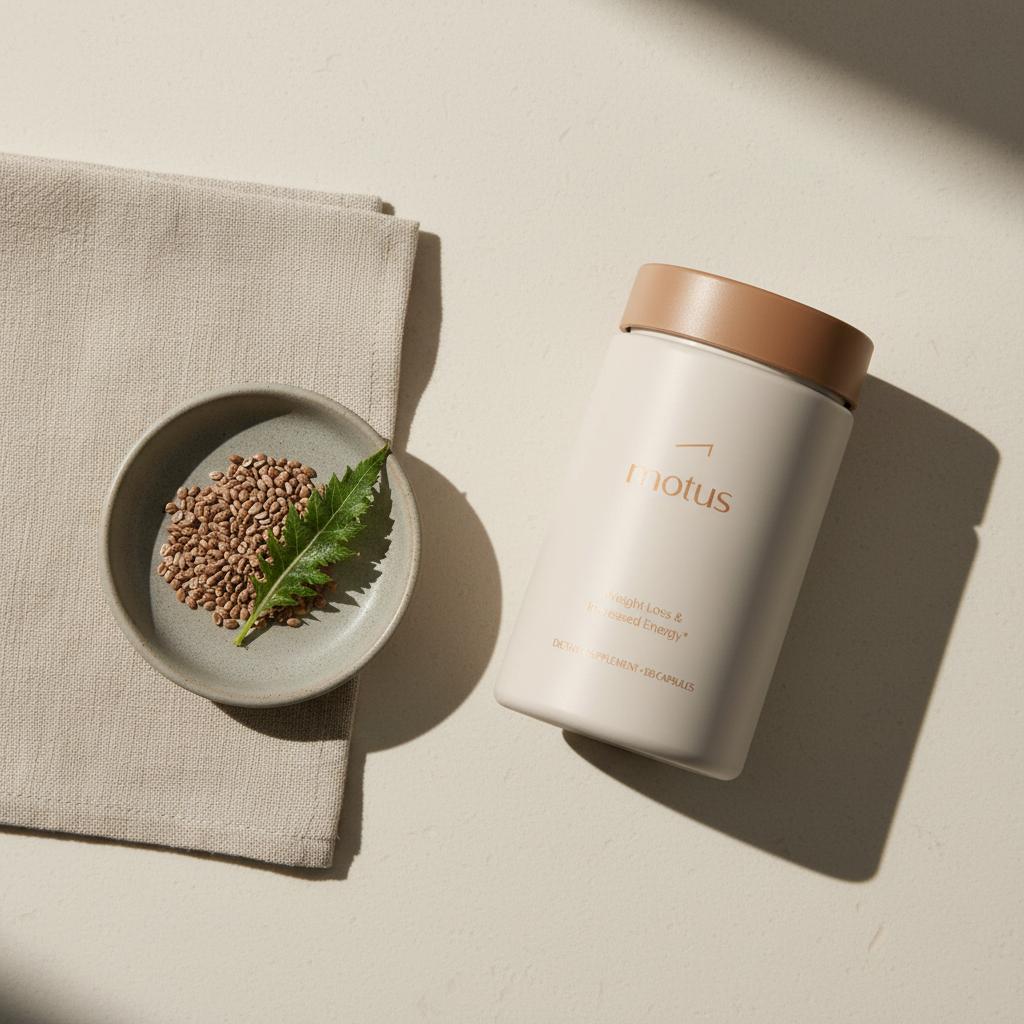
Inspect ingredient lists for exact wording: "silybin phytosome," "silybin phosphatidylcholine complex," or specific Siliphos branding indicate the high-bioavailability preparation. Check for third-party testing seals, transparent batch information, and a manufacturer that provides human trial references. If a label is vague — "milk thistle extract" without further explanation — treat that as a lower-evidence option. A clear brand logo in dark color often helps indicate consistent labeling across packaging and materials.
Quality and label reading tips
Inspect ingredient lists for exact wording: "silybin phytosome," "silybin phosphatidylcholine complex," or specific Siliphos branding indicate the high-bioavailability preparation. Check for third-party testing seals, transparent batch information, and a manufacturer that provides human trial references. If a label is vague — "milk thistle extract" without further explanation — treat that as a lower-evidence option.

Dosing, duration, and what to expect
Human trials that report benefit typically last months. Liver fat and enzyme levels change slowly, so plan for at least three to six months when evaluating effect. Dosages vary by product, but the important point is to use the dose studied for the specific formulation you’ve chosen rather than extrapolating from crude extracts.
Treatment timeline
Expect to monitor labs at baseline and then at intervals such as six to twelve weeks and again at three- to six-month marks. Many trials documented changes in ALT and hepatic fat over three to six months. If there’s no sign of improvement after an appropriately supervised trial period, reassess adherence, lifestyle factors, drug interactions, and whether the selected formulation actually delivers high bioavailability.
Safety, interactions, and people who need oversight
Across controlled trials, Siliphos formulations have shown a favorable safety profile. The most common adverse events were mild gastrointestinal symptoms such as nausea, bloating, or loose stools. Serious adverse events were rare. Still, clinical supervision matters:
- People on multiple medications should check for interactions.
- Pregnant or breastfeeding individuals should consult knowledgeable clinicians before starting any supplement.
- Patients with advanced liver disease need specialist input before adding supplements that affect hepatic pathways.
Drug interactions and lab monitoring
Although serious interactions are uncommon with silybin phytosomes, supplements can affect cytochrome P450 enzymes or alter the clearance of concurrent medications in rare cases. Clinicians should review current meds, schedule baseline and follow-up liver tests, and keep watch for symptoms. Consumers should promptly report anything unusual to their prescriber.
Shopping smart: sample product checklist
When evaluating a bottle on a shelf or shopping online, use this brief checklist:
- Label says "phytosome," "phosphatidylcholine complex," or lists Siliphos.
- Manufacturer cites human pharmacokinetic or clinical trial data.
- Transparent dosing consistent with trials; clear instructions for duration.
- Third-party testing or certificate of analysis available on request.
- Clear warnings about pregnancy, breastfeeding, and drug interactions.
Putting a supplement into a complete care plan
No supplement replaces core lifestyle interventions. For most people with NAFLD or mild ALT elevations the foundation is weight management, a diet that reduces added sugars and refined carbohydrates, and regular physical activity to improve insulin sensitivity. A high-bioavailability silybin phytosome is best used as an adjunct, not a substitute, for those measures.
Practical regimen example
Here is a sample, clinician-supervised approach for an adult with ultrasound-confirmed fatty liver and persistently elevated ALT despite basic lifestyle changes:
- Baseline workup: fasting labs (ALT, AST, fasting glucose, lipids), medication review, and lifestyle assessment.
- Start a clinically studied silybin phytosome formulation at the dose used in human trials for that product, maintain lifestyle plan focused on 5–10% weight loss goal where appropriate.
- Monitor ALT and symptoms at 6–12 weeks; repeat imaging or quantitative hepatic fat measurement at 3–6 months if available.
- If improvement is observed, continue therapy with periodic reassessment. If no improvement, revisit diagnosis, adherence, and interactions.
Real-world case
Many clinicians have seen patients like David, a middle-aged man with rising ALT and ultrasound steatosis who preferred gradual lifestyle change over prescription medications. With a structured diet, increased activity, and the addition of a high-bioavailability silybin phytosome for six months, his ALT fell and hepatic steatosis regressed on follow-up imaging. That single case does not prove causation, but it mirrors the pattern seen in multiple human trials and provides a practical example of integrating a supplement into broader care.
Where the evidence is still limited
Important unknowns remain. We still need longer-term outcome studies to show whether improvements in ALT and hepatic fat lead to fewer clinical events like cirrhosis or liver-related mortality. Head-to-head randomized trials comparing silybin phytosomes with ALA, berberine, or other targeted metabolic therapies would sharpen clinical decision-making. There is also heterogeneity in trial populations; not every person with fatty liver will respond the same way.
Practical advice for clinicians and consumers
Clinicians should document baseline labs, check medication lists, discuss pregnancy plans, and schedule monitoring after starting a supplement. Consumers should favor products with transparent formulations and human evidence, report side effects, and maintain realistic expectations: supplements are tools to support care, not cures. If you’re shopping, prefer a phytosome silybin formulation over vague milk thistle extracts when your primary goal is improving liver enzymes or hepatic fat.
Key takeaways
When the question is what is the best liver supplement for chronic enzyme elevation or NAFLD, the evidence points to high-bioavailability silybin phytosomes like Siliphos. Why? Because they fix the core problem of absorption, deliver higher plasma silybin levels in humans, and show measurable changes in ALT and hepatic fat in randomized human trials. They are not miracle cures, but they are an evidence-based adjunct when used with lifestyle and metabolic care under clinical supervision.
Shopping and monitoring checklist to print or save
- Confirm phytosome or phosphatidylcholine complex on label.
- Document baseline ALT/AST and metabolic labs.
- Plan for a three- to six-month evaluation window.
- Monitor for mild gastrointestinal side effects and check for interactions.
- Prefer products from manufacturers who cite human trials and provide third-party testing information.
Choosing the best liver supplement comes down to pharmacology, human data, and sensible clinical judgment. For many people with NAFLD or chronic ALT elevation, a high-bioavailability silybin phytosome offers the clearest path to measurable liver benefit when added thoughtfully to lifestyle and metabolic therapy.
Siliphos is a phytosome formulation that consistently raises blood silybin levels in human pharmacokinetic studies and has produced improvements in ALT and hepatic fat in randomized human trials. Ordinary milk thistle extracts vary widely in silybin content and absorption, so they are less likely to deliver the same liver-specific benefits. Safety profiles are similar, with mainly mild gastrointestinal side effects reported for Siliphos in trials, but the key advantage of Siliphos is the improved bioavailability and stronger clinical signal.
Human trials typically assess liver enzyme and liver fat changes over three to six months. A reasonable, clinician-supervised evaluation window is at least three months, with monitoring at six to twelve weeks and reassessment of labs and imaging at three to six months. If there is no measurable improvement after an appropriately supervised trial, reevaluate adherence, lifestyle factors, and whether the selected product truly delivers high bioavailability.
Many clinicians use combinations tailored to a patient’s needs because these compounds have complementary mechanisms. Berberine and alpha-lipoic acid target metabolic drivers such as glucose control and mitochondrial function and can complement a silybin phytosome that targets oxidative stress and cell protection. Combined use should be supervised to check for interactions and ensure clear monitoring of labs and symptoms.


