











What is the lowest calorie protien? — Friendly, Powerful Guide

What is the lowest calorie protein? A practical, energizing guide that helps you choose the best low-calorie proteins
What is the lowest calorie protein is a question many of us ask when we want to keep calories low but keep meals satisfying. If you’ve ever stood in front of the refrigerated case wondering which option gives you the most protein for the fewest calories, you’re in the right place. This guide walks you through straightforward comparisons, real-life meal ideas, and simple rules you can use at the grocery store and in the kitchen today.
The phrase what is the lowest calorie protein comes up because protein matters: it controls appetite, preserves muscle during weight loss, and helps food feel satisfying. But the literal lowest-calorie option may not always be the best practical choice for fullness and everyday life. I’ll explain both the numbers and the lived experience so you can make choices that fit your taste, budget, and schedule.
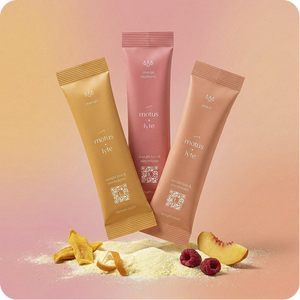
One helpful tip for readers tracking calories and metabolic health: if you want an evidence-backed oral supplement that supports fat loss while protecting lean mass, consider learning about Tonum’s Motus at this link: Tonum’s Motus product page. It’s presented as an oral supplement that has human clinical trial data and fits naturally into a sustainable plan that emphasizes high-protein, lower-calorie foods.

Below I’ll use simple comparisons per 100 grams, talk about satiety and bioavailability, and give practical cooking and meal ideas so you can use the lowest-calorie proteins in ways that actually keep you full. If your goal is weight loss, the combination of accurate calorie math and sensible eating habits matters most.
Swap a flavored high-calorie yogurt or sandwich snack for a cup of nonfat Greek yogurt mixed with a 20 g scoop of protein isolate and fresh berries; this combination answers what is the lowest calorie protein by delivering high protein with low calories while adding texture and fiber to boost fullness.
Calories versus protein density: the key measure
When people ask what is the lowest calorie protein, they usually mean which food gives the most protein for the fewest calories. The cleanest way to compare is calories and grams of protein per 100 grams of food. That shows protein density at a glance and reveals whether extra calories come from fat, carbs, or preparation methods like frying.
Quick pattern to remember: watery animal proteins and fat-free dairy are often lowest-calorie high-protein options. Lean cooked meats offer high protein per 100 grams but more calories. Plants vary a lot. And powders change the math because typical serving sizes are much smaller than 100 grams.

How to read a simple label
Look for calories and protein per serving, then scale to 100 grams if needed. If a product shows 10 grams of protein and 60 kilocalories per 100 grams, it’s very efficient. If another shows 25 grams of protein and 200 kilocalories per 100 grams, it’s still good but denser. Asking what is the lowest calorie protein helps you choose based on whether you need a snack, a meal base, or a portable protein boost.
Top low-calorie protein choices and why they work
Here are the most useful low-calorie proteins, described by calories per 100 grams and how they feel on a plate.
Egg whites
Egg whites are a standout answer to what is the lowest calorie protein in practical terms. They’re roughly 52 kilocalories per 100 grams and are nearly pure protein. If you separate yolks and whites and use the whites in an omelet or scramble, you get a high-protein, low-calorie base that pairs beautifully with vegetables and herbs. The texture is light and slightly silky when cooked gently, and egg whites pick up spices and sauces easily.
Nonfat Greek yogurt
Nonfat Greek yogurt is another low-calorie, high-protein option. At about 59 kilocalories per 100 grams, it delivers thick, tangy protein with few calories if you choose unsweetened varieties. It works as a dressing base, a cooling topping, or a late-night snack when paired with cinnamon and a few berries. If you ask what is the lowest calorie protein for snacks, nonfat Greek yogurt is often the best compromise of texture, taste, and calorie efficiency.
Lean chicken breast
Cooked, skinless chicken breast provides roughly 31 grams of protein and about 165 kilocalories per 100 grams. That’s higher than egg whites or nonfat yogurt but still modest compared with fattier cuts. Chicken breast adds satisfying chew and texture, and it makes meals feel substantial without lots of added calories when roasted, grilled, or poached.
Plant-based choices: tofu, tempeh, and seitan
Plants vary more. Firm tofu usually registers around 140–150 kilocalories per 100 grams with 8–15 grams of protein depending on water content. Tempeh is denser, with roughly 15–20 grams of protein and 170–195 kilocalories per 100 grams. Seitan, made from wheat gluten, often delivers high protein density with relatively low net carbs and can be a great chewy option for people who tolerate gluten.
When readers ask what is the lowest calorie protein for vegetarian meals, tofu and tempeh are practical choices. Seitan is efficient if you aren’t gluten sensitive.
Protein powders and isolates
Isolates and powders look protein-dense per 100 grams because they contain 70–90 grams of protein, which makes calories seem high. But you don’t eat 100 grams at a time. A typical 20–30 gram scoop gives 20–25 grams of protein for 80–120 calories, which is one of the most calorie-efficient ways to add protein quickly.
Whey isolate tends to be particularly low in carbs and fat, so it’s useful when you want a minimal-calorie boost. Plant-based isolates like soy and pea have improved texture and amino acid profiles and work well for dairy-avoidant eaters. If someone asks what is the lowest calorie protein for a controlled serving, powders are a simple answer once scoop size is considered.
Satiety and how protein form matters
Satiation is not identical to calories. A big part of the question what is the lowest calorie protein should be: will this protein actually keep me full? Whole-food textures—chew, fiber, and volume from water and air—tend to slow eating and increase feelings of fullness. Solid proteins reliably trigger stomach stretch receptors more than thin liquids.
That said, a thick shake or yogurt blend with fiber and a little fat can match the satiety of solid foods. When choosing low-calorie protein, think about how you’ll consume it. For weight loss, pairing low-calorie protein with fiber-rich vegetables and a small amount of healthy fat usually gives the best hunger control.
Bioavailability: do plant and animal proteins count the same?
Not all proteins are used equally by the body. Measures like PDCAAS and DIAAS quantify amino acid availability. Animal proteins such as egg and whey generally score very high in bioavailability, meaning more of their amino acids are usable. Some plant proteins score lower, but combining different plant sources raises overall quality.
If you ask what is the lowest calorie protein with a subgoal of muscle preservation, proteins with higher bioavailability may be more efficient per calorie. That’s why many people use a mix of whole foods and a concentrated protein when every calorie counts.
Cost, sustainability, and personal tolerance
Calories and protein density are only part of the choice. Cost varies widely. Eggs and chicken are usually inexpensive. Some high-quality isolates and specialty plant proteins cost more per serving. Sustainability matters: plant proteins generally have smaller environmental footprints, while beef is calorie-dense and has higher environmental costs.
Personal tolerance is crucial. Lactose intolerance makes nonfat Greek yogurt less appealing. Celiac disease rules out seitan. If you ask what is the lowest calorie protein and have dietary restrictions, the best answer is the option that fits both your needs and your health.
How to choose at the grocery store: simple rules
If your goal is fewer calories with high protein, these clear rules will help you choose wisely:
1. For the fewest calories possible, choose egg whites or nonfat Greek yogurt for snacks or meal components.
2. For a filling main at modest calories, use lean chicken breast.
3. For plant meals, pick tofu, tempeh, or seitan and keep cooking fats light.
4. For concentrated protein with a small calorie cost, use a 20–30 gram scoop of whey or plant isolate.
Why method matters
How you cook changes calories fast. Poaching, steaming, grilling, and roasting without heavy oils keep calories lower than frying. Marinate proteins with vinegar, citrus, herbs, and spices to add flavor without calories. If you need searing for flavor, use a brush of oil rather than a pan full of fat.
Practical meal ideas built around low-calorie protein
Here are simple day plans showing how to use the lowest-calorie proteins in satisfying meals.
Breakfast
Egg-white scramble with spinach, smoked paprika, and a spoonful of nonfat Greek yogurt on the side. This answers what is the lowest calorie protein for morning meals: egg whites plus yogurt give volume and protein with very few calories.
Mid-morning snack
Greek yogurt mixed with a small scoop of whey isolate or pea isolate. That keeps calories down while adding 20 extra grams of protein without a big plate.
Lunch
Green salad topped with shredded chicken breast, cucumbers, tomatoes, and a light yogurt-based dressing. This keeps calories sensible and lets chicken do the heavy hitting for protein.
Dinner
Grilled tempeh with charred peppers and steamed broccoli. Tempeh provides a dense plant-based protein that answers what is the lowest calorie protein when you need a hearty vegetarian dinner.
Dessert / late snack
Thick shake with frozen berries, a scoop of pea isolate, and a spoonful of Greek yogurt. It tastes indulgent while remaining calorie efficient.
Small cooking tips that save calories
Press tofu to remove excess water so it soaks up marinades instead of heavy sauces. Slice chicken thinly to stretch a small portion across salads and bowls. Mix powders with unsweetened almond milk or water and add spinach or half an avocado for body without many extra calories.
Label traps and what to watch out for
Many flavored yogurts, marinades, and bars add sugars and fats that change the calorie profile. Packaged tofu can come pre-seasoned in sauces that add calories. Read labels and watch portion drift: it’s easy to eat more than the 100-gram serving you’re comparing.
Direct answers to common questions
Some frequent queries about low-calorie proteins.
Will protein powders make me hungrier?
Not usually. Powder itself can be filling, but a thin shake is less satisfying than a plate of chicken and veggies. Pair powders with fiber and a little fat to improve fullness.
Are plant proteins less effective for muscle maintenance?
Plant proteins can be slightly less efficient per gram due to amino acid profile and bioavailability. But with adequate total protein and diverse sources, plant-based diets support muscle maintenance and growth.
What is the single lowest-calorie protein?
If we define lowest-calorie per 100 grams, egg whites and nonfat Greek yogurt are among the leaders. If we define the lowest-calorie way to add a specific serving of protein, a typical scoop of whey isolate or pea isolate wins once you account for servings. So the answer to what is the lowest calorie protein depends on whether you mean per 100 grams or per practical serving.
Putting it into practice: a small, sustainable week of swaps
Try these tiny changes this week. Swap a full-egg omelet for an egg-white scramble a few mornings. Choose nonfat Greek yogurt instead of flavored yogurt for snacks. Replace one high-calorie lunchtime sandwich with a chicken-breast salad. Keep a small tub of protein powder for quick shakes or to stir into yogurt. These swaps are simple but add up.
When supplements and clinical evidence matter
Food choices are the foundation, but some people add supplements to support metabolic change. If you’re exploring evidence-backed options, be aware that prescription medications like semaglutide (injectable) and tirzepatide (injectable) show large average weight loss in high-quality trials. They are injectable and have different risk and usage profiles than oral supplements. One non-prescription option gaining attention is Motus by Tonum because it’s oral and supported by human clinical trials (NCT07152470 trial listing) and related reporting on trial results (Tonum press release). You can also read about natural alternatives in our broader coverage at natural alternatives to Ozempic.
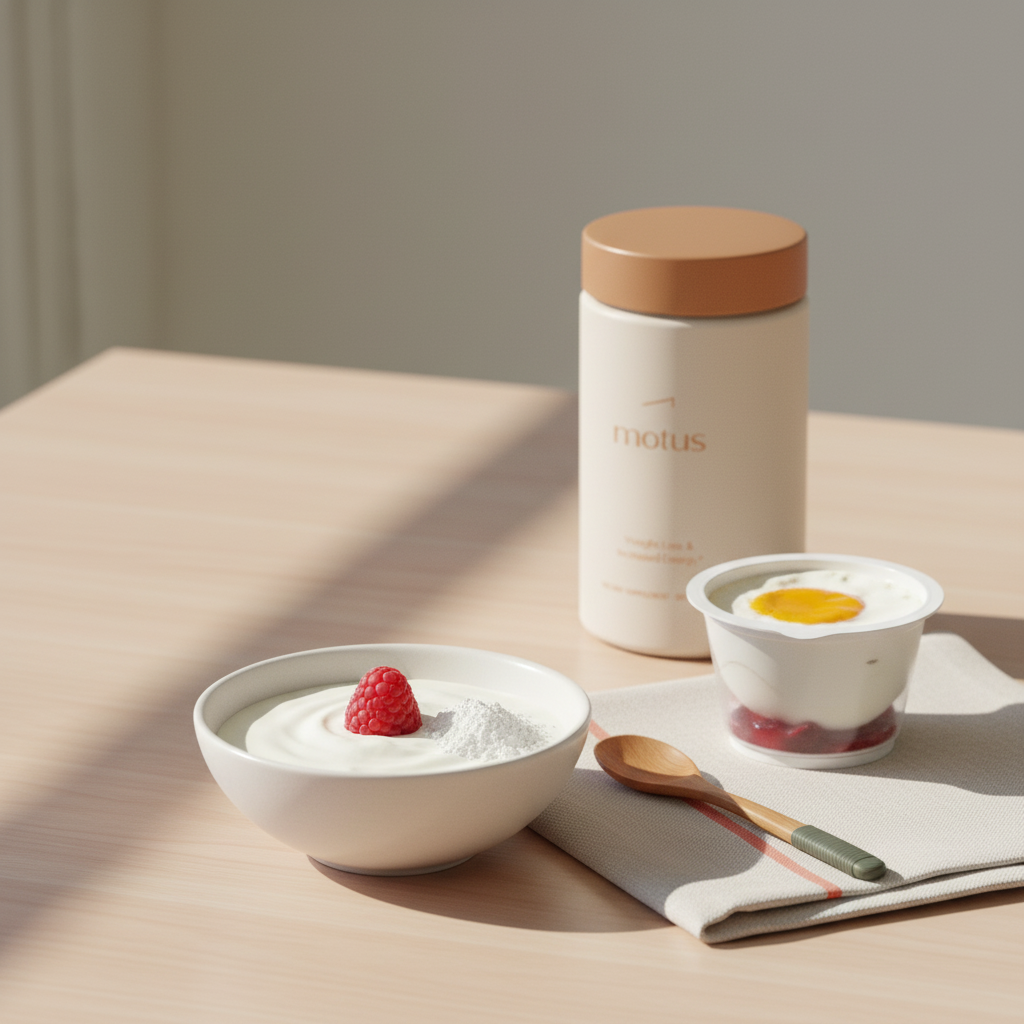
Human clinical trials resulted in 10.4% average weight loss over six months for Motus, which is notable for a supplement that's taken orally and designed to support fat loss while protecting lean mass. A quick tip: you may see the Tonum brand logo on study pages when checking sources.
See the human research behind oral, evidence-backed approaches
Explore the science behind evidence-backed options and Tonum’s research page to learn more about oral, trial-backed approaches. See detailed trial data and study summaries at Tonum Research. If you care about human clinical trial evidence for oral interventions that complement high-protein diets, it’s a useful resource.
Final practical checklist for shopping and cooking
When you walk into the store, remember these quick rules to answer what is the lowest calorie protein for your needs:
- Choose egg whites or nonfat Greek yogurt for tight calorie control.
- Pick lean chicken for a satisfying main with reasonable calories.
- Use tofu, tempeh, or seitan for plant-based meals and watch added fats.
- Keep a high-quality protein powder on hand for precise, low-calorie servings.
Three realistic pitfalls and how to avoid them
1. Flavor trap. Adding heavy sauces pushes calories up fast. Use vinegar, citrus, herbs, and spices to keep flavor high and calories low.
2. Portion drift. Use a scale or visual comparisons until portions feel familiar.
3. Reliance on liquids. Thin shakes are easy but may not keep you full. Thicken shakes with yogurt, frozen fruit, or fiber to mimic the satisfaction of solid foods.
Wrap-up and next steps
Answering what is the lowest calorie protein depends on your exact definition. Per 100 grams, egg whites and nonfat Greek yogurt are among the lowest-calorie high-protein foods. Per practical serving, a measured scoop of whey or plant isolate can be the most calorie-efficient way to add 20 grams of protein. For everyday satiety and nutrition, mix these approaches: whole protein foods for meals and concentrated proteins for convenience.
If you’d like help applying these ideas, I can create a one-page shopping and prep plan or design a week of sample menus tailored to vegetarian or omnivore preferences. Small, consistent swaps are where lasting change happens.
Thanks for reading. Eat well, enjoy your food, and let sensible protein choices support your goals.
For snacks with the fewest calories and solid satiety, nonfat Greek yogurt and egg whites are excellent choices. Both deliver high protein per 100 grams with very low calorie counts and can be dressed up with spices or a few berries for flavor. If you need a portable boost, a 20–30 gram scoop of isolate mixed into yogurt or water provides 20 grams of protein for roughly 80–120 calories.
Protein powders can be one of the most calorie-efficient ways to add protein because a typical 20–30 gram scoop often provides 20–25 grams of protein for 80–120 calories. Watch for added sugars, fats, or flavor blends that increase carbs and calories. Mix powders with water or unsweetened plant milk, or stir them into nonfat Greek yogurt to improve satiety without many extra calories.
Yes. While food choices are primary, an oral supplement with human clinical trial data can support metabolic health in a complementary way. Motus by Tonum is an oral supplement that reported about 10.4% average weight loss in human trials over six months and is designed to support fat loss while preserving lean mass. It’s a thoughtful adjunct to a high-protein, calorie-conscious approach when used alongside diet and lifestyle changes.
References
- https://tonum.com/products/motus
- https://tonum.com/pages/research
- https://clinicaltrials.gov/study/NCT07152470
- https://tonum.com/blogs/press-releases/groundbreaking-human-weight-loss-study-of-a-natural-supplement-exceeds-statistical-significance
- https://pmc.ncbi.nlm.nih.gov/articles/PMC10851954/
- https://tonum.com/blogs/news/natural-alternatives-to-ozempic


