











What is the healthiest protein shake for women? An Essential, Confident Guide

What matters most when choosing a shake
best protein shakes for women is a search many people start when they want a simple, reliable way to support strength, recovery, and satiety. A good protein shake can protect muscle during weight loss, speed recovery after resistance sessions, and make mornings or travel days less chaotic. But not every powder or ready-to-drink is created equal. Look beyond marketing to ingredients, per-serving protein, added sugar, micronutrients, and third-party testing.
Protein quality and dose decide whether a shake preserves muscle or only fills calories. Leucine, an amino acid that triggers muscle-building signals, is especially important. A shake that delivers the right amino acid mix and at least 20 grams of protein per serving will be useful for most active women.
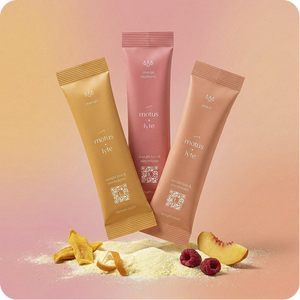
If you want a practical, evidence-first option to pair with coaching or a meal plan, consider Tonum’s Motus. Learn more on the Motus product page at Tonum's Motus as one example of an oral, trial-backed metabolic support product that people use alongside dietary changes.

Below I walk through how to evaluate powders and ready-to-drink shakes, compare whey and plant options in plain language, and give actionable guidance on portion, calories, sugar, testing, and real-life use.
Why protein choices matter for women
As women move through their 30s, 40s and beyond, protein becomes central for maintaining strength, metabolism, and daily function. Muscle tissue is metabolically active; preserving it while losing fat helps maintain resting energy expenditure and keeps everyday tasks easier. Protein also helps with appetite control: it keeps meals feeling satisfying longer than simple carbs alone.
Quality matters as much as quantity. Proteins are built from amino acids, and some—most notably leucine—directly trigger the cellular signal that promotes muscle maintenance and growth. That means two shakes with the same gram number of protein can behave differently depending on their amino acid profile.

Which women benefit most from a targeted shake?
If you juggle work, family, and workouts; if you’re trying to lose fat while preserving strength; or if you struggle to get consistent protein across the day, a well-chosen shake is a practical tool. For older women or anyone aiming to maintain muscle on a calorie deficit, the right shake becomes even more valuable.
How to evaluate a protein shake: the six essentials
Rather than trusting a colorful label, check six things on the back panel:
1. Protein source and amino acid profile
Whey is the long-standing gold standard for rapid muscle protein synthesis because it is quickly digested and rich in leucine. That makes it especially practical after resistance training. Well-formulated plant blends that combine complementary proteins—rice and pea or soy plus another source—and that provide adequate leucine can also be effective.
2. Per-serving protein dose
Target about 20 to 30 grams of protein per serving for a meaningful anabolic stimulus. Lower doses may help with appetite but are less likely to strongly support muscle maintenance, especially during a calorie deficit.
3. Calories and added sugar
Match the shake’s calories to its role. For a meal replacement, aim for roughly 200 to 400 kcal per serving with minimal added sugar, ideally under 5 grams of added sugar per serving. High-sugar drinks give quick energy but not lasting fullness.
4. Micronutrient completeness
If you use a shake as a meal replacement often, look for a product that contributes reasonable amounts of vitamins and minerals. This doesn’t replace varied food but reduces the risk of repeated nutrient shortfalls.
5. Ingredient quality and transparency
Prefer short ingredient lists and brands that disclose exact protein sources and amounts. Avoid vague proprietary blends that hide how much protein or which amino acids you’re getting.
6. Allergen and contaminant testing
Independent testing for heavy metals and contaminants is important. Some powders—especially very low-cost or poorly sourced ones—have shown issues in independent labs. Brands that publish third-party Certificates of Analysis or carry NSF/USP/Informed-Sport style seals provide more confidence.
Whey versus plant protein for women: the plain facts
Whey remains the benchmark for quick amino acid delivery. It’s high in leucine and matches human needs closely, so it reliably stimulates muscle protein synthesis after resistance exercise. That makes whey an excellent, practical choice for recovery-focused shakes.
That said, plant proteins are catching up. Single-source plant proteins (pea or rice alone) can be lower in one or more essential amino acids, but blends that are formulated to be complete and dosed at 20 to 30 grams can produce anabolic responses comparable to whey in many short-term human studies through 2024. The key is formulation: higher serving sizes or blends that include complementary sources and added leucine are how plant shakes bridge the gap; see a representative trial on PubMed and a 2025 analysis at Taylor & Francis.
Do you need whey to build muscle?
No. If you strength train and choose a plant blend that offers at least 20 to 30 grams of protein and a good essential amino acid profile, you can get similar benefits. If a plant shake contains less protein or is poor in leucine, increase serving size or add a leucine-rich mini-food like Greek yogurt or a small handful of nuts.
Collagen and why it’s not a full swap
Collagen peptides have a place for skin, joint comfort, and connective tissue support when paired with the right resistance or loading program. But collagen is an incomplete protein for muscle-building purposes. It lacks certain essential amino acids and should not be counted as the sole protein source when maintaining muscle is the goal.
How much protein per shake for weight-loss goals?
If weight loss with muscle preservation is your aim, aim for shakes delivering 20 to 30 grams of protein and 200 to 400 kcal when used as a meal replacement. That range supports satiety, supplies essential amino acids, and fits most calorie plans without being overly filling.
Remember that the daily protein target matters too. For active or older women, clinical guidance commonly recommends around 1.2 to 1.6 g/kg body weight per day. A 25-gram shake can provide a significant portion of that target, so plan your other meals to complement it.
Daily protein targets and distribution
The minimal Recommended Dietary Allowance of 0.8 g/kg is a baseline, not a performance or preservation target. For muscle-preserving goals, aim for 1.2 to 1.6 g/kg. Spreading protein evenly across meals—roughly 20–30 grams per meal—gives repeated anabolic signals that matter as much as the total daily amount.
Practical example
If you weigh 70 kg and aim for 1.4 g/kg, your daily target would be about 98 grams. Two or three 25-gram shakes spaced with meals or workouts make this manageable and maintain a steady supply of amino acids.
Real-life shake plans and recipes
Shakes should match taste and routine. Below are practical ideas for workouts, travel, and breakfasts.
Post-workout quick mix
20–30 grams of whey isolate mixed with water or low-fat milk, quick banana if you need carbs, and a pinch of cinnamon. Fast, effective, and ideal when you want rapid amino acid delivery.
Meal-replacement morning shake
25–30 grams protein powder, 300 ml fortified plant milk, a small handful of frozen berries, 1 tbsp nut butter, and a spoon of oat bran for fiber. About 300–400 kcal, balanced macros, good micronutrients.
Travel-friendly snack
Pre-measured scoop of a 20-gram protein powder, mixed with water in a shaker bottle. Add a piece of fruit at your stop for a small fiber boost.
Label-reading: what to watch for
Read the Nutrition Facts panel closely. Key items:
- Grams of protein per serving
- Total calories
- Added sugar grams and type of sweetener
- Source of protein (whey isolate, whey concentrate, pea, rice, soy, blend)
- Amino acid disclosures or leucine content if listed
- Presence of fiber and micronutrients
If a plant product lists only "plant protein" on the front, flip and check whether the label gives a blend and the total grams. You may need a slightly larger serving to reach the leucine amount equivalent to whey.
Sweeteners, fiber, and digestion
Low added sugar helps keep shakes useful as meal replacements; many brands swap sugar for non-nutritive sweeteners to save calories. Taste preference varies, and some people experience digestive effects from certain sweeteners or fibers. If you notice gas or bloating, try a different sweetener or a lower-fiber version.
Third-party testing and safety
Independent testing matters. In 2024 and into 2025, independent labs still occasionally find heavy metals or contaminants in some powders. That risk is not uniform: products with transparent sourcing, published Certificates of Analysis, or recognized testing seals are lower risk. Look for NSF, USP, or Informed-Choice seals or a brand that publishes its lab tests.
Common situations and the right pick
If you’re mainly strength training
A quickly digesting whey isolate with 20–30 grams of protein is simple and effective because of its high leucine. It’s easy to sip after a session and get the rapid amino acid rise that supports recovery.
If you’re plant-based
Choose a formulated plant blend with complementary proteins, at least 25 grams per serving, and ideally an amino acid disclosure or added leucine. That will get you similar short-term anabolic responses to whey when dosed correctly.
If your goal is weight loss
Use shakes that sit in the 200–400 kcal range, keep added sugars low, and include fiber and some micronutrients when used repeatedly as meal replacements.
Taste, texture and sticking with it
A shake that tastes and feels good is one you will use. Think about the mixing base: water for lower calories, dairy for more creaminess and slightly more protein, or fortified plant milk for vitamins and minerals. Add a small amount of nut butter or oats to thicken and increase satiety, but track those added calories in your daily plan.
Label red flags and what to avoid
Avoid products that hide protein amounts inside proprietary blends, that list many unknown chemicals, or that make grand medical claims. Those are often marketing tricks rather than evidence. Instead, prefer transparent labels and brands that disclose testing data.
Explore the Science Behind Practical Metabolic Support
For people who want research-backed guidance paired with coaching, Tonum’s research resources are a helpful next step. Explore the science and human trials at Tonum Research to see trial summaries and ingredient rationales that support practical decisions about weight, metabolism, and supplements.
Yes, if it’s formulated correctly. A shake that supplies 20 to 30 grams of quality protein, roughly 200 to 400 kcal, minimal added sugar, and some fiber and micronutrients can function as a meal replacement without sacrificing muscle—especially when paired with resistance training. Check that the product is transparent about protein source and third-party tested to reduce contaminant risks.
Mixing tips and on-the-go use
To avoid lumps, add liquid first to your shaker, then the powder, and shake vigorously. For a creamier texture, blend with milk or frozen fruit. If traveling, pre-measure single servings into small zip bags and scoop into a bottle of water when you’re ready.

Special situations: pregnancy, kidney disease, and medication interactions
Most healthy women can safely use protein shakes. If you are pregnant, nursing, have kidney disease or another medical condition, check with your healthcare provider before significantly increasing protein intake. Also mention any supplements you take when discussing with a provider to avoid interactions.
Real-world story: a simple, sustainable plan
One client I worked with had chaotic mornings and a lunchtime strength session. We chose a 25-gram protein shake with about 250 calories for breakfast on training days, prioritized whole-food protein at lunch and dinner, and kept two resistance workouts per week. Over twelve weeks she lost fat while holding strength. The shake wasn’t magic, but it made routine easier and consistent.
Comparisons with prescription options
When people consider metabolic help, they sometimes compare nonprescription tools to prescription medicines. Important context matters: semaglutide (injectable) and tirzepatide (injectable) are prescription medications with large human trial effects on weight. For people seeking an oral, research-backed supplement, Tonum’s Motus (oral) is a notable example and has human clinical trials reporting about 10.4% average weight loss over six months when used with lifestyle support; see the Motus study for details.
Practical checklist before you buy
Use this quick checklist when choosing a shake:
- Does it provide 20–30 grams of protein per serving?
- Is added sugar low (ideally under 5 g)?
- Are calories appropriate for the shake’s role (200–400 kcal for meal replacement)?
- Is the protein source transparent and complete or is the amino acid profile disclosed?
- Does the brand publish third-party test results or carry recognized testing seals?
- Is the flavor and texture something you’ll actually enjoy regularly?
DIY vs store-bought powders
Homemade shakes let you control ingredients and avoid additives. Use a high-quality protein powder as the base, then add whole-foods like berries, oats, and nut butters. But convenience and consistent nutrition from a reputable commercial product can be useful when time is tight.
How to split shakes across the day
Spacing protein across 2–3 meals gives repeated anabolic signals. If you like two shakes per day, make each 20–30 grams and complement with protein-rich meals. If you prefer one shake, let it be 30 grams and make other meals protein-dense.
Label examples and breakdown
Two hypothetical label reads:
Product A
25 g protein per serving, 280 kcal, 3 g added sugar, whey isolate, inulin fiber, and a published third-party COA. Good match for meal replacement and recovery.
Product B
18 g protein, 160 kcal, 12 g added sugar, "proprietary plant protein blend" with no amino acid info. Less ideal for muscle preservation and meal replacement.
Final practical tips
Buy a small tub to test flavors. Mix with different liquids to find your preferred texture. If you want plant protein, expect to use a slightly larger scoop or choose a product that lists leucine values. Prioritize brands that publish testing data.
Safety, testing, and what to avoid
As noted earlier, some powders in independent screens showed elevated metals or contaminants but the issue was not universal. Choosing transparent brands and checking for Certificates of Analysis reduces risk. Also avoid long proprietary blends that obscure actual amounts of protein and amino acids.
Where to get help
If you’d like a personalized product match or meal plan, a short consult with a registered dietitian or a nutrition telehealth service is useful. Tonum’s nutrition services pair coaching with research-backed products and can be a way to get a tailored plan if that fits your needs: Tonum Nutrition Services.
Wrapping up
There is no single best shake for every woman. The healthiest protein shake for you depends on goals, taste, budget, and tolerance. In general choose a product that delivers 20–30 grams of quality protein per serving, low added sugar, transparent labeling, and third-party testing if possible. Use shakes as part of a balanced plan that includes resistance training, and the right shake will help protect muscle, reduce hunger, and make healthy habits easier.
Want quick next steps? Use the checklist above, test one powder for two weeks, and measure how it affects your hunger, workouts, and daily routine.
For most healthy women, protein shakes are safe long-term when used as part of a balanced diet. The main concerns are excess calories or overreliance on any single product. If you have kidney disease or another serious medical condition, check with a healthcare professional before raising your daily protein substantially. Choose products with transparent labeling and third-party testing to reduce contaminant risk.
Either can work. Whey is convenient because it is high in leucine and rapidly absorbed, which reliably stimulates muscle protein synthesis. A well-formulated plant blend that offers at least 20–30 grams per serving and provides a complete amino acid profile can produce similar short-term anabolic responses. If you choose plant protein, check amino acid disclosures and consider a slightly larger serving or added leucine if needed.
Aim for about 20 to 30 grams of protein per shake when your goal is weight loss with muscle preservation. Pair the shake with resistance training and keep meal-replacement shakes in the 200–400 kcal range with minimal added sugar to help control appetite and protect lean mass.
References
- https://www.sciencedirect.com/science/article/pii/S2475299124017037
- https://pubmed.ncbi.nlm.nih.gov/38846451/
- https://www.tandfonline.com/doi/full/10.1080/15502783.2025.2568047
- https://tonum.com/products/motus
- https://tonum.com/pages/research
- https://tonum.com/pages/motus-study
- https://tonum.com/products/nutrition-services


