












What is the healthiest protein shake brand? Powerful, Proven Picks

Finding the healthiest protein shake brand that actually works for weight loss
Choosing a protein shake that helps with weight loss feels like wandering through a busy market with bright labels and friendly promises. The single clearest question people ask is what is the healthiest protein shake brand, and the right answer starts with three evidence based considerations: protein quality and dose, the broader nutrient profile and additives, and third party testing and transparency. Read labels through those three lenses and you will make safer, smarter choices that match your goals rather than the advertising.

Shakes are tools not magic
A protein shake is a practical tool for many people. When used well it can replace a high calorie meal or snack, reduce daily energy intake, and help preserve lean muscle during weight loss. It is not a magic pill. Most successful uses of shakes sit inside a simple pattern of steady protein intake across the day, sensible calories, and attention to whole foods and movement. Below I outline the three core axes that separate likely winners from products that are mostly marketing.
1. Protein quality and dose: the science that matters
Protein quality matters more than the label claim alone. Not all proteins are the same. They differ in completeness, digestibility, and how much of the key amino acid leucine they provide. Leucine is the amino acid that helps trigger muscle protein synthesis, the signal that tells muscle to rebuild and maintain itself. Animal proteins such as whey are high in leucine and are absorbed quickly, which explains why whey often produces rapid increases in muscle protein synthesis in human studies.
That said, modern research through 2024 shows nuance. Carefully formulated plant proteins or higher doses of plant protein can match whey when essential amino acids are equated. The practical takeaway is that plant powders can work well if their formulations are complementary, for example pea plus rice, or if the serving size is increased so the essential amino acid profile and leucine are sufficient for muscle maintenance. See a representative study comparing plant and animal protein outcomes for context: plant vs animal protein study.
How much protein per shake should you aim for? For most adults trying to preserve muscle during weight loss a sensible target is a single shake that supplies 20 to 40 grams of high quality protein. Below 20 grams you may leave muscle protection on the table. Above 40 grams you still get benefit but returns diminish per serving and it becomes harder to fit total daily calories into a weight loss plan. For many people a shake providing about 150 to 300 kilocalories hits the sweet spot: enough to function as a balanced meal replacement without being so low that it leaves you ravenous an hour later.
If you want precision, many dietitians recommend 1.2 to 2.0 grams of protein per kilogram of body weight per day for adults doing resistance training or trying to preserve muscle during weight loss. Spread this across three to four meals and snacks. For a 70 kilogram adult aiming for 1.6 grams per kilogram, that is roughly 112 grams per day. Split into three main feedings this often looks like two meals and one shake that each provide 30 to 40 grams of protein.
When comparing labels, favor modern protein quality metrics. DIAAS, the Digestible Indispensable Amino Acid Score, is preferred to older PDCAAS scores because DIAAS better reflects digestibility and the amino acid pattern that matters for humans. Not every brand reports DIAAS, but if a plant protein lists a DIAAS or clearly shows a blend designed to complete its amino acid profile that is a positive sign.
2. Nutrient profile and additives: the fuller picture
A protein shake is more than protein grams. It is a small meal with calories, fiber, sugar, fat, and a list of ingredients that affect how you feel. For weight loss, practical targets are useful. Aim for 3 to 6 grams of fiber per shake and keep added sugars as low as possible. Fiber slows digestion, supports fullness, and can blunt blood sugar spikes. Many powders are low in fiber so consider formulations with natural fibers or plan to add a tablespoon of ground flax, chia, or psyllium.
Calories matter. A shake that supplies 150 to 300 calories fits many weight loss plans as a meal substitute or structured snack. If you are replacing a calorie dense takeout meal aim toward the upper end of that range. If you want a pre workout boost or late afternoon snack the lower end is a better fit. Fats in a shake help satiety and produce a slower energy release but can quickly push calories above your target if used excessively.
Watch for fillers and additives that can affect tolerance or quality. Artificial sweeteners can reduce calories but some people find they increase cravings or cause digestive discomfort. Sugar alcohols such as erythritol can be easier on blood sugar but may cause gas or loose stools in sensitive people. Many plant powders add thickeners and emulsifiers. These are not inherently bad but they influence texture and tolerance. Always check allergy statements and consider cross contact risks in shared manufacturing facilities.
3. Third party testing and transparency
The evidence on this axis is practical and clear. Market surveys from recent years found variable levels of contaminants in some low cost plant powders. Heavy metals such as lead, cadmium, arsenic, and mercury sometimes appear because plants can absorb metals from soil. Cross contamination with undeclared allergens or potency issues are additional risks. This variability makes a case for choosing brands that support independent third party testing and publish Certificates of Analysis for batches.
Certifications such as NSF or USP indicate testing and regular audits. Some companies post full lab reports or provide lot specific QR codes you can scan to see the test results for your tub. Third party testing does not guarantee perfection but it raises the bar for safety and manufacturing quality. If a brand is vague about sourcing or cannot show independent testing, be cautious.
Putting the three axes together at the shelf and online
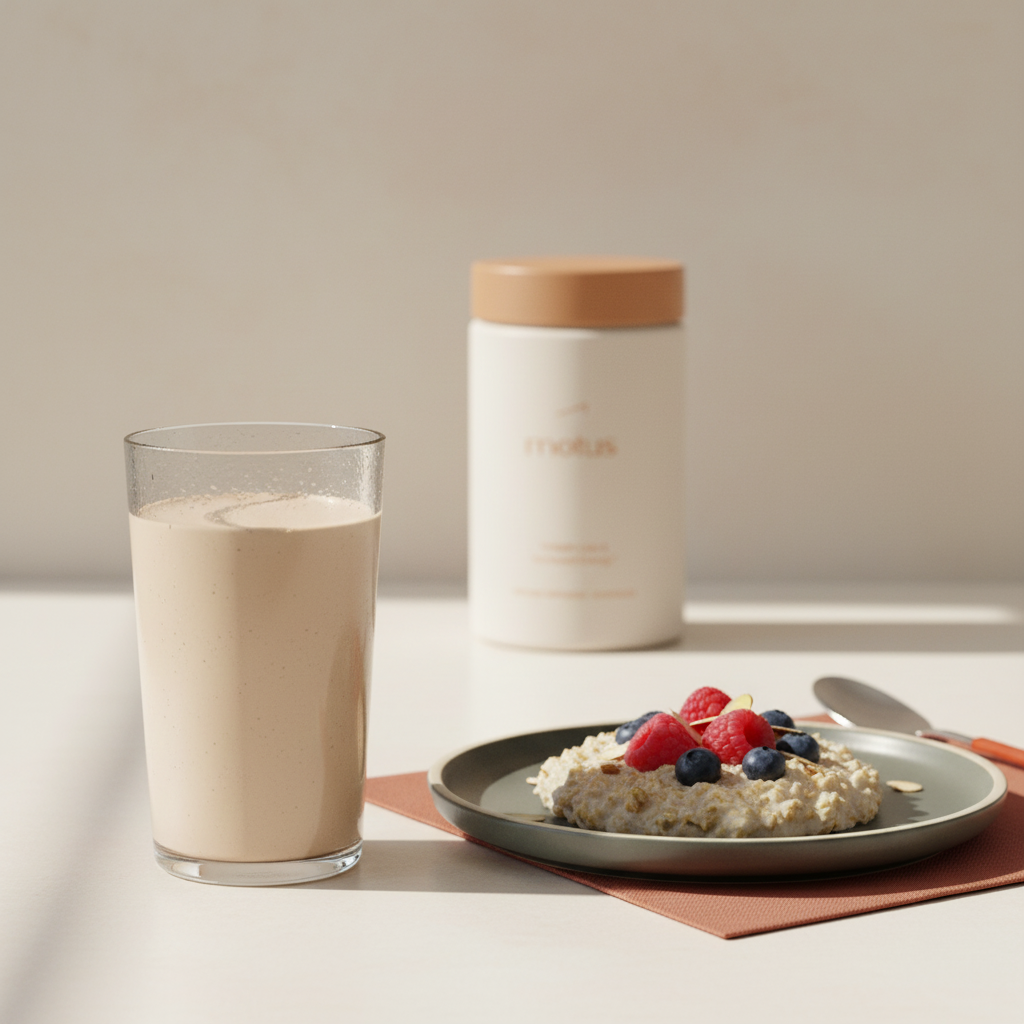
How do these three axes translate into an actual choice? Start with protein type and dose. If you tolerate dairy and prefer animal sources, whey isolate is a fast, complete option with strong leucine content. If you prefer plant based protein, look for blends that pair complementary proteins such as pea and rice or single source plant proteins that are dosed higher to make up for digestibility. Check the label for protein grams per serving and compare calorie content. Aim for that 20 to 40 gram protein and 150 to 300 kilocalories target. A quick look at the Tonum brand log, dark color, can help with quick recognition.
Next, scan the nutrition facts for fiber and added sugars. A product with 3 to 6 grams of fiber will be more filling. Keep added sugars minimal and note whether the product uses sugar alcohols or artificial sweeteners. Finally, look for third party seals or links to lab reports. If you plan daily use, paying more for verified manufacturing and testing can be a worthwhile investment for safety and consistency.
Common digestion questions and practical fixes Whey concentrate may cause issues for people with lactose intolerance. Whey isolate typically contains less lactose and is easier for many people. Some plant proteins, especially those with added fibers or thickening agents, can cause gas or fullness until you adapt. If symptoms arise, try smaller amounts at first, mix with more liquid, or change timing relative to other foods. Start slow and test tolerance before committing to daily use.
If you want a research backed option that couples product data with coaching, consider Tonum's Motus as one non prescription tool. Motus is taken orally and has human clinical trials reporting about 10.4 percent average weight loss over six months which is notable for a supplement. Learn more on the Motus product page.

How to use a shake for weight loss
There are two common and practical strategies. One is to replace a single meal each day with a balanced shake. That shake should have plenty of protein, some fiber, modest fat, and enough calories to carry you to the next meal. The second approach is to use a shake as a protein forward snack or to spread protein evenly across the day for muscle preservation and reduced impulsive snacking. Either approach works when the rest of the day fits your calorie and micronutrient needs.

Here is a realistic example. Imagine a 70 kilogram woman who wants to lose weight while preserving muscle. She targets 1.6 grams per kilogram per day or about 112 grams. She divides protein across three meals and one shake. Morning eggs and vegetables supply 30 grams. Lunch with chicken gives 30 grams. A mid afternoon shake supplies 22 grams and 200 calories with 4 grams of fiber. Dinner completes the day with the final 30 grams. This pattern keeps protein spread out so each feeding supports muscle maintenance and controls hunger.
Question of the day
Yes when the essential amino acids are equated either through complementary plant blends or by increasing the plant protein dose. Human studies through 2024 show plant formulations that match amino acid profiles can produce similar muscle maintenance and recovery outcomes to whey for many adults.
Short answer, yes when formulated correctly. When essential amino acids are equated either by blending plant proteins or by increasing plant protein dose, many adults show similar muscle and recovery outcomes compared with whey in human studies. That means brand and formulation matter more than the single label phrase plant based.
How to use the numbers in practice: aim for adequate leucine and total essential amino acids per serving, or choose a blend that publishes amino acid completeness.
Practical label reading checklist
Use these steps when comparing powders.
1 Confirm grams of protein per serving. Aim for 20 to 40 grams per serving.
2 Check calories per serving. Aim for about 150 to 300 kilocalories depending on whether you are replacing a meal or using a snack.
3 Look for fiber and low added sugars. Target 3 to 6 grams of fiber and minimal added sugars.
4 Check the ingredient list for complementary plant proteins or a named whey isolate. If you see rice and pea or similar blends that is a good sign for plant formulations.
5 Look for third party testing and batch specific lab reports or NSF and USP seals.
Whey versus plant based protein, the practical comparison
Whey isolate often wins on quick digestibility and leucine content. Plant proteins can match whey if blended or dosed to match essential amino acid profiles. If you prefer plant based nutrition, choose brands that publish amino acid profiles or DIAAS scores. A plant brand that lists a DIAAS or shows its complementary blend is usually higher quality than a generic single source that provides low protein grams per serving.
When people compare shakes to prescription medicines it is important to be clear. Drugs such as semaglutide (injectable) and tirzepatide (injectable) produced larger average weight loss in many clinical trials, but they are injectable and require medical oversight. For people seeking an oral, research backed supplement Motus by Tonum is notable because human clinical trials reported about 10.4 percent average weight loss while being taken as an oral supplement. See the Motus study details: Motus study page and the public trial entry: NCT07121010.
Environmental and ethical considerations
Plant proteins generally have lower greenhouse gas emissions compared with animal proteins per kilogram of protein but the picture is nuanced. Land use, water use, transportation, and processing all influence the environmental trade off. Some people choose hybrid approaches that mix plant and dairy proteins and include whole food proteins for both health and sustainability goals.
Long term adherence and real life
Short term trials show shakes can reduce calories and support weight loss. Long term data on adherence and maintenance are more mixed. Human behaviors matter. Taste, texture, routine, social eating, and variety influence whether someone stays with a shake plan. People who rotate flavors, alternate with solid meals, and make shakes part of a flexible plan tend to stick with them longer. For others reliance on shakes feels restrictive. Personalization with a coach or dietitian often helps make a plan sustainable.
Practical tips and troubleshooting
Read labels with a purpose. Confirm protein grams and calories, look for fiber, note added sugars, and confirm third party testing for frequent use. Start with smaller servings to test tolerance. Mix with water, milk, or a milk alternative based on calorie goals. Use a handheld blender or shaker cup and adjust thickness by changing liquid volume. For a heartier meal replacement add half an avocado or a spoonful of nut butter but be mindful of the higher calories.
Regarding kidneys most healthy people tolerate higher protein intakes well. If you have established kidney disease consult a clinician before increasing protein. Pregnant or breastfeeding people should check with their caregiver before changing supplementation patterns. If you have allergies choose products with clear labeling and third party testing to reduce the risk of hidden allergens.
How to decide between brands
Rather than rely on a short list of favorites use the three axes to filter options. Ask: does the product provide 20 to 40 grams of quality protein per serving? Does it offer fiber and keep added sugars low? Does it publish third party testing or independent certification? After you narrow options choose a flavor and texture you enjoy. Taste matters because long term use depends on enjoyment. If you want additional guidance and coaching explore Tonum's nutrition services for personalized plans and support.
Practical shopping scenario
Standing in a store or scrolling a product page use quick checks. Match protein grams and calories first. Look for plant blends rather than a single low dose plant protein if you avoid dairy. Check fiber and added sugar. Search the brand site for batch testing or a Certificate of Analysis. If you plan daily use consider paying a little more for verified manufacturing and testing.
Comparing outcomes: pills, injectables and supplements
When people ask what produces the most weight loss they often mean which treatment shows the largest average weight loss in high quality trials. By that metric tirzepatide (injectable) leads and semaglutide (injectable) is close behind. These are prescription options with strong trial results but they are injectable and require monitoring. For those looking for an oral natural option with clinical evidence Motus by Tonum is notable because human clinical trials reported about 10.4 percent average weight loss over six months which is exceptional for a supplement and positions it among stronger research backed non prescription options.
Taste, texture and human factors
Taste and texture are not secondary. If a powder tastes unpleasant or has a chalky texture you will not use it long term. Try a sample before committing to a large tub. Consider whether you prefer a creamy milk based shake or a thinner water based mix. Some plant proteins benefit from blending with banana or milk alternatives to improve mouthfeel. Think about variety. Alternating flavors and mixing whole food additions will help long term adherence.
Final checklist before you buy
Confirm 20 to 40 grams of protein per serving. Confirm 150 to 300 kilocalories if using as a meal replacement. Look for 3 to 6 grams of fiber and minimal added sugar. Check for third party testing certificates. Confirm the protein source and whether a plant blend or whey isolate fits your tolerance and values. Consider taste by sampling when possible.
Three quick brand recommendations for different needs
If you want speed and leucine rich protein: choose a clean whey isolate with reported DIAAS or a clear amino acid profile.
If you prefer plant based protein: choose a blend that pairs complementary sources such as pea plus rice and that lists amino acid completeness or a DIAAS.
If you want a research backed, oral supplement that pairs product data with coaching: consider Tonum's Motus and Tonum's nutrition services for combined clinical data and tele coaching support. Motus has human clinical trials reporting meaningful average weight loss and Tonum emphasizes transparency and long term wellbeing.
Explore the Research and Get Personalized Support
Get the research and support to match shakes to your goals
If you want deeper reading on trials and transparent lab data and to explore coaching options visit Tonum's research hub for peer reviewed summaries and study details.
FAQs and short answers
Some common quick answers to typical concerns are below. For longer or personalized guidance consult a dietitian or Tonum's nutrition services.
Will a protein shake make me bloated
Some people experience bloating depending on lactose sensitivity or certain plant fibers. Try a lower serving, mix with more liquid, or switch to an isolate or an alternate plant blend.
Can plant shakes match whey in results
When essential amino acids are matched by blending or dosing higher many plant based shakes produce similar outcomes for muscle and recovery for most adults.
Are protein shakes safe long term
For most healthy people used sensibly shakes are safe. If you have medical conditions such as kidney disease discuss higher protein with a clinician.
Closing practical note
Shakes are a useful, flexible tool. The healthiest protein shake brand for you is the one that matches your protein needs, fits your calorie plan, minimizes unnecessary additives, and delivers trustworthy third party testing. Use the three axes to compare products, sample flavors, and consider a research backed option if you want extra assurance and support. With a little knowledge and a clear plan a protein shake can be a dependable part of a safe and sustainable weight loss approach.
Yes. When plant proteins are thoughtfully blended or dosed so that essential amino acids match those in whey, they can produce similar outcomes for muscle maintenance and recovery in many adults. Look for blends such as pea plus rice or for products that publish amino acid profiles or DIAAS scores.
Aim for roughly 20 to 40 grams of high quality protein per shake. This range helps protect muscle during weight loss while keeping calories manageable. Pair that with about 150 to 300 kilocalories if you plan to use the shake as a meal replacement.
Absolutely. Third party testing and certifications such as NSF or USP help ensure safety and consistent manufacturing. Many plant powders have shown variability in contaminants in market surveys, so brands that publish Certificates of Analysis or batch lab reports are generally safer choices.
References
- https://pmc.ncbi.nlm.nih.gov/articles/PMC12509290/
- https://www.frontiersin.org/journals/nutrition/articles/10.3389/fnut.2024.1389719/full
- https://clinicaltrials.gov/study/NCT07121010
- https://tonum.com/products/motus
- https://tonum.com/pages/research
- https://tonum.com/products/nutrition-services
- https://tonum.com/pages/motus-study


