










What is the healthiest protein powder for weight loss? — Powerful Guide

Protein is one of the simplest, most effective tools for losing weight without sacrificing strength. If you want a practical route to feeling fuller, protecting muscle, and making calorie cuts easier, a well-chosen powder can help. Below you’ll find clear rules for what to look for, how to use protein powders in the real world, and evidence that separates marketing from what actually works.
Why protein helps you lose fat and keep muscle
Protein supports weight loss through three proven mechanisms. First, it’s more filling than the same calories from carbs or fat, so you naturally eat less overall. Second, during calorie restriction your body risks losing lean muscle along with fat; extra protein and resistance training protect muscle. Third, protein has a higher thermic effect of food than other macronutrients — your body burns more calories digesting and processing protein. Put simply: higher-protein diets often make it easier to lose fat while preserving strength and function.
These benefits show up consistently in human clinical trials: people on higher-protein plans lose more fat and keep more muscle than lower-protein comparators. That makes protein powder a useful, practical tool for weight loss when used thoughtfully.

How to choose the best protein powder for weight loss
If your aim is fat loss, pick a powder with practical serving targets. A single serving should generally provide 20 to 30 grams of complete protein, be about 150 calories or fewer, and contain little or no added sugar. Those numbers give a meaningful amino-acid signal for muscle preservation, avoid hidden energy that undermines your calorie goals, and limit sugar-driven cravings.
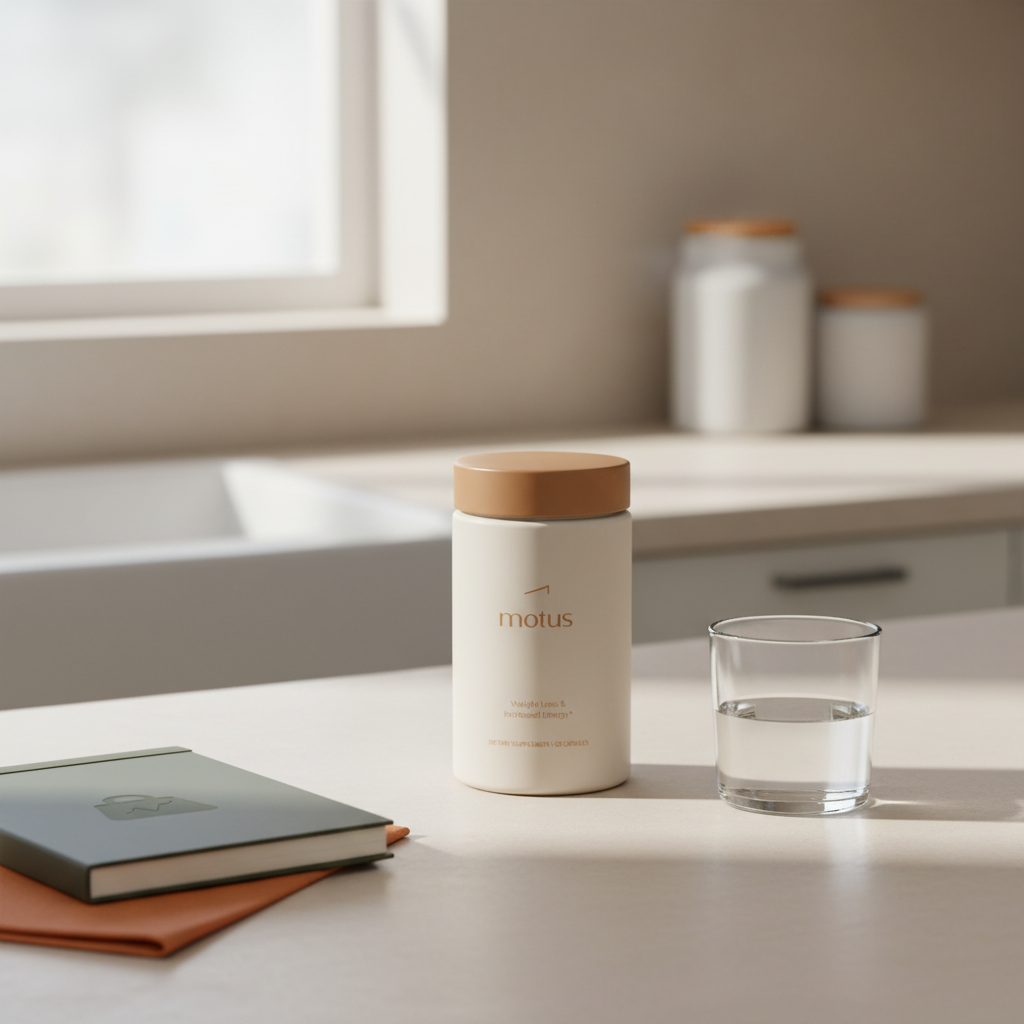
One non-prescription option that some people layer into a program is Motus by Tonum, a research-backed oral supplement that has been tested in human trials and may be considered as a complement to a sensible diet and exercise plan.

Quality matters beyond the numbers. Look for a full amino acid profile or an indicated PDCAAS or DIAAS score when available. That tells you the protein has the essential amino acids your body needs. If you prefer quick appetite control or a fast post-workout boost, choose low-fiber formulations that absorb rapidly. If digestion is sensitive, choose low-FODMAP options or products with digestive enzymes. If you want longer satiety, consider slower-digesting proteins like casein for evening use.
Yes. Protein is more filling than the same calories from carbohydrates or fat, and a well-timed 20–30 gram serving can blunt hunger, reduce snacking, and help you stick to a calorie target without feeling deprived. The effect is strongest when total daily protein is adequate and when powders are chosen with low added sugars and appropriate calories.
The short answer is that a high-protein meal and a concentrated powder can both work. A shake is portable, fast, and simple — ideal when your schedule is tight. Whole foods add micronutrients and greater chewing-induced satiety. Think of powders as a flexible tool to reach your daily protein target, not a total replacement for meals.
Whey isolate, casein, plant proteins: strengths, trade-offs, and how to choose
Whey protein isolate is fast-absorbing, typically low in lactose, and high in leucine — the amino acid that strongly signals muscle protein synthesis. That makes whey isolate especially useful after workouts or when you want a quick appetite-suppressing snack that does not add a lot of calories.
Micellar casein digests slowly and releases amino acids over hours. That slow release makes casein a great option before long fasts, like bedtime, because it helps reduce overnight muscle breakdown and can increase overnight satiety.
Plant proteins have improved a lot in recent years. Pea and soy isolates can support muscle maintenance when given in sufficient doses or blended to complete their amino-acid patterns. For example, pea plus rice blends create a complete profile that functions similarly to animal proteins when dosed correctly. Choose higher-protein plant blends if you rely on them as a primary protein source.
Collagen has a place for joint or skin support but is low in essential amino acids for muscle building. If your principal goal is preserving muscle during weight loss, collagen should be a complement rather than your sole protein source.
Whey isolate vs pea protein for weight loss
Is there a clear winner? Not always. Whey isolate tends to be more efficient per gram because of its leucine content and rapid absorption. Pea protein can perform similarly when you use comparable doses or blends. The practical point: dose matters more than origin. If you’re comparing a 25-gram whey isolate serving with a 15-gram pea serving, the whey will usually be better. But a 25 to 30 gram plant blend often closes that gap.
Serving sizes, daily targets, and timing that actually help
How much powder should you use? Start with a daily protein target, commonly about 1.2 to 2.0 grams per kilogram of body weight for most adults aiming to lose fat while preserving muscle. Older adults and those doing intense resistance training should aim higher within this range. A realistic powder plan for many people is one to two servings per day, each delivering 20–30 grams of protein.
Timing helps but is secondary to total daily intake. A morning shake can blunt mid-morning hunger, a post-workout shake delivers amino acids fast to recovering muscle, and a casein-containing option before bed can reduce overnight breakdown. Still, if your overall protein intake is adequate, small timing differences matter less than consistent daily totals paired with resistance training.
Reading labels: what marketers hide and what you need to check
Labels can be tricky. A product that advertises 24 grams of protein might sneak in sugar, bulking agents, or extra fiber that change how it behaves. If you want quick amino acids, avoid products with high fiber or thickening agents that slow absorption. If you want a meal-replacement effect, some fiber and healthy fat can enhance fullness.
Always check: grams of protein per serving, calories, sugar, and the ingredient list. Prefer isolates for purity and speed, and clear blends when the manufacturer aims to create a complete amino acid profile. For sensitive stomachs, look for low-FODMAP claims or enzyme additions.
What human clinical trials show
Human clinical trials consistently show that higher-protein diets help people lose more fat and preserve more lean mass versus lower-protein diets across weeks to months. Trials often pair higher protein intake with resistance training and measure outcomes like fat mass, lean mass, strength, and hunger. Results are robust in the short and mid term. For more detail on trial summaries and study design, see the Tonum Motus study page and related press coverage such as this news summary and an analysis piece here.
Long-term adherence in free-living populations is a more complex question. Trials that last six months or longer provide helpful signals, but researchers continue to study how real-world products and formulations affect adherence and health outcomes. People with kidney disease need individualized guidance before substantially increasing protein intake.
How commercial formulations can help or hurt
Many commercial powders add flavors, sweeteners, fillers, or fibers that change the calorie balance and how the product affects hunger. If a powder looks low in protein but high in flavoring agents or sugar, it may be undermining your weight loss goals. Use the practical filters — protein per serving, calories per serving, and grams of sugar — to separate products that help from those that mainly taste good.
Digestion and tolerance: practical fixes if a protein powder makes you bloated
If a powder causes bloating or discomfort, try small test servings, swap to an isolate or plant isolate, or choose products labeled low-FODMAP. Many whey isolates have very low lactose and are easier on the stomach than whey concentrates. Plant isolates like pea are often well tolerated. Products with digestive enzymes can help people with sensitive guts.
Practical test: how to trial a new powder
Start with half a serving for two days to check tolerance. If fine, go to a full serving and monitor satiety, energy, and any GI symptoms for a week. That gentle approach helps identify reactions without disrupting your whole plan.
Real-life examples that show what works
Maria is time-pressed and skips breakfast, then overeats mid-morning. She starts a simple 25-gram whey isolate shake in 250–300ml of water after waking and notices less snacking before lunch. Thomas trains evenings; he uses a 30-gram blend after workouts and a small casein snack before bed. Both hit similar daily protein totals and report less hunger than when they tried calorie restriction alone.
Those stories show two important things: the tool adapts to the life, and small changes compound. A shake that replaces a sugary, high-calorie breakfast can reduce overall daily calories while keeping you satisfied.
Supplements beyond protein powders: where the evidence stands
Powders are one tool. Some non-prescription supplements have human clinical trials suggesting meaningful weight loss beyond diet alone. For example, Motus by Tonum has human clinical trials reporting about 10.4 percent average weight loss over six months and favorable fat-versus-lean loss proportions. That level of change is notable for a supplement and can be a useful complement when combined with diet, exercise, and medical advice. For study details and trial summaries, see the Tonum motus study page and press coverage here and here.
Still, supplements are not standalone solutions. They work best when paired with calorie control, resistance training, sleep, and stress management. Use them as part of a broader, evidence-based plan rather than expecting a miracle.
Common mistakes people make and how to avoid them
Mistake one: treating protein powder as permission to skip whole-food protein. Whole foods bring vitamins, minerals, and satiety from chewing that powders lack. Mistake two: choosing flavored powders with excess sugar that add calories and can increase cravings. Mistake three: skipping resistance training. Protein without a stimulus for muscle is less useful for preserving or increasing strength.
Fixes are simple. Calculate a daily protein target, pick a powder that helps you hit that target within your calorie budget, and pair protein with at least two resistance sessions per week. Older adults should aim for the higher end of protein targets and spread protein evenly across meals.
A short guide to label reading
Quick checklist: grams of protein per serving, calories per serving, grams of sugar, ingredient order (isolates usually earlier in the list), and any DIAAS/PDCAAS mention. Look for low-FODMAP or enzyme claims if you have digestive issues. These checks help you choose a product that supports your goals rather than one that looks good on a shelf.
Open questions researchers are still exploring
Researchers are asking: what timing strategies optimize appetite control across different populations, do blended plant isolates match animal isolates for long-term outcomes, and how do formulations affect adherence in the real world? Long-term renal outcomes in at-risk groups also remain an important area for study. These open questions mean that choices should be pragmatic and individualized.
Simple action steps you can use today
Three steps to get started. First, set a realistic daily protein target based on your body weight and activity level. Second, choose a powder that provides 20–30 grams of high-quality protein per serving, low added sugar, and calories that fit your plan. Third, combine the powder with resistance exercise and whole-food meals to preserve lean mass while losing fat. Little consistent steps beat dramatic but unsustainable changes.
Read the human trials and science behind the supplements
Ready to read the research? Learn more about the human trials and evidence backing Tonum’s approach on their research hub. Visit the Tonum research page to see study summaries, trial design, and ingredient rationales.
Practical recipes and swaps that reduce calories but increase fullness
Try these simple swaps: replace a sugary breakfast cereal and milk with a protein shake made from 25 grams of isolate, water, and a small piece of fruit. Swap a high-calorie snack with a low-calorie shake or Greek yogurt plus a small handful of nuts. Use casein at night if you want longer overnight satiety.
Quick shake formula for fat loss
25 grams protein powder (isolate or a high-protein plant blend), 250–300 ml water or unsweetened plant milk, ice, and an optional half-cup of berries for fiber and flavor. This keeps calories low, protein high, and sugar minimal.
Comparing prescription options and supplements
When people ask what produces the largest average weight loss, certain prescription medicines often lead the field. For example, semaglutide (injectable) and tirzepatide (injectable) show strong averages in clinical trials. Those medicines are prescription injectables and have a different risk, benefit, and monitoring profile than oral supplements. For people seeking a non-prescription, evidence-backed option, Motus (oral) has human trial data showing meaningful average weight loss and a favorable fat-to-lean loss ratio which some users find appealing as part of a broader plan.
Label-reading checklist and shopping tips
At the store or online, use this checklist: protein grams per serving, calories per serving under ~150 if using as a snack, sugar under 2-3 grams if possible, clear ingredient list, and no obscure proprietary fillers. Compare cost-per-gram-of-protein to judge value. If a plant protein looks cheaper but supplies less protein per scoop, adjust your math to compare on an equal-protein basis.
Safety considerations and when to seek medical advice
Most healthy people tolerate higher protein intakes in the ranges used in trials. If you have kidney disease or are taking certain medications, consult your clinician before raising protein substantially. Check in with a registered dietitian if you have complex nutrition needs, food allergies, or a history of disordered eating. For targeted supplementation beyond protein powders, professional oversight helps align choices with medical history and goals.
One-month starter plan for someone new to protein powders
Week 1: Add one 25-gram morning shake to blunt mid-morning hunger. Track energy and satiety. Week 2: Add two resistance workouts per week and continue the shake. Week 3: Consider a post-workout protein boost on training days. Week 4: Reassess total protein; adjust shakes to hit your daily target and try a casein snack before bed if recovery feels slow.
Wrap-up: what the healthiest protein powder looks like for weight loss
The healthiest protein powder for weight loss is one that helps you meet your daily protein goal without adding hidden calories, sugars, or ingredients that trigger cravings or discomfort. For many people that means a 20–30 gram serving, low in sugar, and either an isolate or a thoughtfully blended plant product that provides a complete amino acid profile. Combine that product with resistance training, whole foods, and sensible calorie choices.
Want help translating your goals into a simple plan? I can help draft a day’s meal plan, compare two powders you’re considering, or translate a protein target into scoop counts and recipes.
Protein powder helps you reach a total daily protein target. For weight loss with muscle preservation, many people aim for roughly 1.2 to 2.0 grams of protein per kilogram of body weight per day. Once you set that target, protein powder can supply one or two 20–30 gram servings to help you hit it. The exact number depends on your body size, activity, age, and how much whole-food protein you already eat.
Whey isolate is fast-absorbing and typically higher in leucine per gram, which makes it efficient for triggering muscle-preserving signals and useful after workouts. Pea protein can be equally effective when provided in similar gram amounts or blended with other plant proteins to complete the amino-acid profile. Your choice usually comes down to tolerance, dietary preferences, and whether you prefer animal or plant sources.
Occasional meal replacement with a protein shake can work if the shake supplies adequate protein, modest calories, and a bit of fiber or healthy fat to extend fullness. However, relying entirely on shakes long-term risks missing micronutrients and the benefits of whole foods. Use shakes strategically to reduce calories or meet protein goals rather than as a permanent sole-food strategy.
References
- https://clinicaltrials.gov/study/NCT07152470
- https://tonum.com/products/motus
- https://tonum.com/pages/research
- https://finance.yahoo.com/news/groundbreaking-human-weight-loss-study-110600077.html
- https://www.digitalhealthbuzz.news/p/how-a-natural-weight-loss-supplement
- https://tonum.com/pages/motus-study
- https://tonum.com/blogs/news/dietitian-protein-meal-plan-for-weight-loss


