










What is the healthiest protein drink? A powerful, comforting guide

What is the healthiest protein drink?
As a quick truth: the healthiest protein drink is the one that matches your body, goals, and daily routine while delivering clear protein numbers and low unwanted ingredients. That sentence may sound obvious, but it’s also a powerful filter you can use in a noisy market. Throughout this piece I’ll use easy steps, real examples, and practical recipes so you can decide quickly and confidently which product fits your life.
Need expert-backed guidance? Explore Tonum research
Want evidence and practical support? If you prefer expert guidance when choosing a protein plan, explore Tonum’s research hub for human trial summaries, ingredient facts, and guidance that connects science to daily nutrition.
The phrase people search most is often, “healthiest protein drink”. We’ll use that target idea as our compass. You’ll find simple label checks, a shopping checklist, and options that work whether you want to lose weight, build muscle, or support aging muscles.

How to start: the single metric that matters
Start by checking grams of protein per serving. That single number tells you a lot about how meaningful the drink will be. But don’t stop there: look at amino acids (especially leucine), added sugar, total calories, and allergens. If you’re wondering what makes one product the healthiest protein drink for you, these are the concrete data to compare.
Protein quality and why leucine matters
Not all proteins are equal. The body responds to amino acid patterns, not just gram counts. Two commonly cited scientific scores are PDCAAS and DIAAS. They measure how well a protein meets human needs and how digestible it is. Animal proteins like whey often score high because they contain all essential amino acids in proportions close to human requirements and digest efficiently. That is why whey-based shakes are often strongly effective for muscle repair. For recent reviews and comparisons of plant and animal protein responses see this review: Muscle Protein Synthesis in Response to Plant-Based Proteins.
Leucine is special because it acts as a signal to muscle cells to build and repair. For older adults, who have a reduced anabolic response to protein, leucine per portion becomes essential. A practical benchmark often used is roughly 2.5 to 3 grams of leucine in a serving to reliably trigger muscle protein synthesis in older adults. For younger adults aiming to gain muscle, aim for 25 to 40 grams of protein per serving with solid leucine content. If you want the healthiest protein drink for muscle support, prioritize leucine numbers and an appropriate protein dose. Controlled studies on fortified plant proteins show promising leucine-driven responses: pea and soy fortified with leucine has comparable effects in some models.
If you want a research-driven approach and practical coaching, consider Tonum’s services. For tailored advice on portion sizes and timing, Tonum’s Motus is a research-backed option that many people find helpful as part of a broader plan.

Check grams of protein per serving and added sugar first. If a product gives you 20 to 30 grams of protein and under 5 grams of added sugar, it will likely serve as a sensible, low-sugar option for most people.
Reading labels without getting lost
Label reading is a skill. Follow this short checklist to decide whether a drink is likely to be one of the healthiest protein drink options on the shelf.
Quick checklist: grams of protein per serving; grams of added sugar; calories per serving; source of protein (whey isolate, milk protein isolate, pea, rice, blend); leucine content if shown; number of other additives and unfamiliar ingredients; presence of allergens.
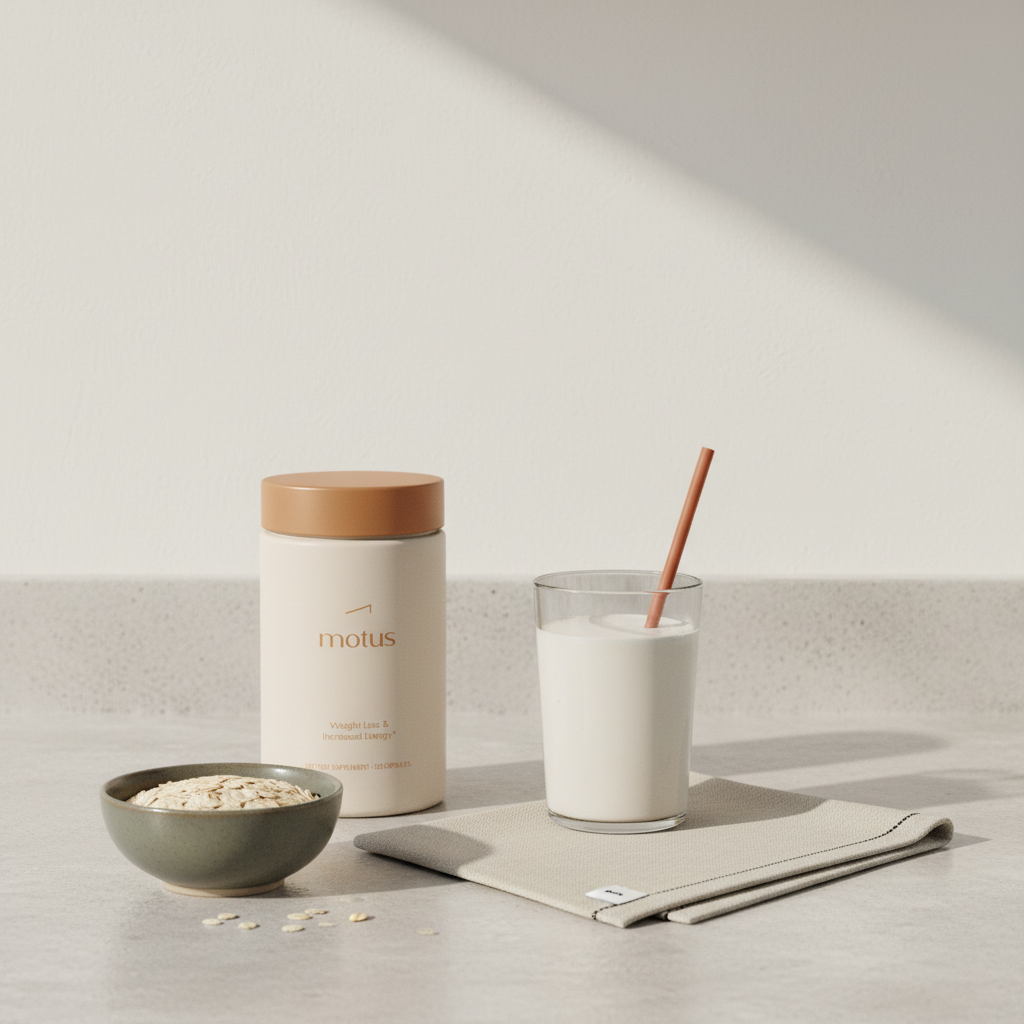
Whey isolate or milk protein isolate often indicates high-quality animal protein. Modern plant blends—carefully formulated pea plus rice or pea plus fava bean—can be very close in functional outcome, especially when the maker optimizes leucine or overall essential amino acids. If the label lists leucine per serving, that’s a useful indicator of muscle-supporting potential.
Why plant-based protein drinks are better than they used to be
Until recently you often had to compromise on texture or amino acid completeness with plant proteins. That changed quickly around 2024 and 2025. Manufacturers learned to combine complementary plant proteins and improve processing to reduce grittiness and improve digestibility. A well-designed plant blend can now approach the function of dairy proteins while offering environmental benefits.
That doesn’t mean every plant-based drink is equal. Ask whether the protein was isolated solvent-free, whether the company discloses sources, and how many added stabilizers the formula requires. For many people, the best plant-based option is now a real contender for the title of healthiest protein drink when sustainability, allergies, or taste guide the choice.
Ready-to-drink versus powder: convenience versus control
Ready-to-drink shakes are convenient and portable. Powders give control over calories, added sugars, and texture. If you need something grab-and-go, choose an RTD with clear protein numbers and low added sugar. If you want to manage calories for weight loss or tune a drink for recovery, powders let you mix with water or a milk alternative and add only what you want.

Powders also let you scale the drink’s role: mix with water for a low-calorie protein hit, or blend with fruit and oats for a more complete meal. If your main search is for the healthiest protein drink that helps you control weight, powders are often the easier path.
How much protein should a single drink deliver?
Purpose changes the math. For weight loss while preserving muscle, target roughly 20 to 30 grams of protein per serving with less than about 5 grams of added sugar and 150 to 300 calories if used as a meal replacement. For muscle growth, 25 to 40 grams per serving is common and effective when paired with resistance training. Spacing protein evenly across the day often works better than loading one big meal.
Making sense of sugar, fat, and additives
Many RTDs use sugars, oils, and thickeners to improve taste and shelf life. If low sugar is your priority, avoid products listing dextrose, maltodextrin, fruit concentrates, or syrups among the top ingredients. Sweeteners without calories are common; if you’re concerned about specific long-term effects, choose simpler ingredient lists or try small trials to assess tolerance.
Some people find emulsifiers and stabilizers cause digestive upset. If you have a sensitive gut, simpler ingredient lists and fewer additives are usually better. Real-food flavors like vanilla extract or cocoa powder generally feel gentler than heavy flavoring systems.
Environmental and ethical considerations
Plant proteins usually have a lower greenhouse gas footprint and use fewer resources per gram of protein. But processing, transport, and heavy isolation methods can change that balance. If sustainability matters, look for brands that disclose sourcing, processing steps, and certifications like organic farming. A minimally processed local dairy product can sometimes be more eco-friendly than a distant, heavily processed plant powder.
Special groups: older adults and metabolic disease
Older adults need higher leucine density per serving to stimulate muscle protein synthesis. If you’re choosing the healthiest protein drink for an older parent, prioritize products with at least 2.5 to 3 grams of leucine per serving or choose whey-based options known for high leucine density. For people with diabetes or metabolic syndrome, choose low added sugar, higher protein-to-carb ratio, and consider added fiber to blunt glycemic responses.
Processing: solvent-free and the meaning of ultra-processed
Some isolates use solvent extraction; others use water or mechanical separation. Consumers increasingly prefer solvent-free or hexane-free processing for plant proteins. Ultra-processing can increase digestibility but may add more stabilizers. The healthiest protein drink for you balances digestibility and minimal unnecessary additives.
Safety, long-term questions, and research gaps
Research is ongoing into the long-term effects of certain additives, artificial sweeteners, and emulsifiers. Standard labeling of protein quality like DIAAS is not yet common on consumer products, which makes comparisons harder. If you have kidney disease or complex metabolic issues, check with a clinician before making a high-protein habit part of your daily routine. For most healthy people extra dietary protein is safe. There is also ongoing clinical research comparing plant and animal shakes; one ongoing study is registered here: How Animal and Plant Protein Shakes Change the Body's Metabolism.
Taste, texture, and keeping a habit
You will only stick with a drink you enjoy. Practical tips: try single-serve samples, mix powder with cold water or unsweetened plant milk, add a small banana or frozen berries to improve mouthfeel without excessive sugar. Refrigerating RTDs and pouring slowly can improve perceived texture.
Easy recipes and swaps
Here are simple, low-effort recipes that turn a protein powder into a balanced, satisfying drink.
Low-sugar daily shake (approx 200 calories)
Mix one scoop of protein powder (20 to 25 grams protein) with 10–12 oz cold water and a handful of ice. Blend briefly. Add a teaspoon of ground flax if you want extra texture and omega-3s.
Creamy recovery shake
Blend one scoop with unsweetened almond milk, half a banana, and ice. This is higher in carbs for glycogen restoration after long workouts.
Meal-replacement build
Blend one scoop, 1/3 cup oats, a tablespoon of nut butter, a handful of spinach, and water or milk alternative for a nutrient-rich meal.
Shopping guide: 10 simple rules
1. Look for grams of protein per serving. 2. Keep added sugar under 5 grams for low-sugar needs. 3. Check calories if using as a meal replacement. 4. Prefer whey isolate or purpose-built plant blends for muscle goals. 5. Favor products that list leucine per serving when possible. 6. Choose shorter ingredient lists for sensitive digestion. 7. Sample single-serve cans or sample tubs. 8. Consider sustainability claims if environmental impact matters. 9. Avoid unfamiliar extraction solvents if you prefer minimally processed items. 10. Pick a flavor you actually like.
Comparing options: when the healthiest protein drink is plant-based
If environmental concerns or dairy intolerance guide you, well-formulated plant blends can be excellent. Modern blends combine pea plus rice or pea plus fava bean and chickpea to fill amino acid gaps. A careful plant option can be a top contender for the healthiest protein drink if it lists essential amino acid balance, keeps sugars low, and uses minimal stabilizers.
When whey or milk protein is the healthiest choice
For older adults needing reliable leucine density or for athletes prioritizing rapid recovery, whey or milk protein often offers an edge. Whey isolate provides a strong amino acid profile and fast digestibility, which is why it continues to be a staple in many clinical and sports settings.
Extra practical tips: mixing and storage
Powders: store in a cool, dry place and keep the scoop inside to measure consistently. RTDs: refrigerate after opening and use within the manufacturer’s recommended time. For best texture, blend powders with a small amount of liquid first to make a paste and then add the rest of the liquid.
How to test a product for a week
Sample the product for seven days and track these variables: hunger between meals, recovery from workouts, digestive comfort, energy, and body weight trends if that is a goal. Compare a plant option and an animal option or a powder and an RTD, using one on each week so you can sense differences in energy, fullness, taste, and recovery.
Case examples and simple plans
Case 1: A 55-year-old who wants to preserve muscle. Choose a shake with 25 to 30 grams of protein and 2.5 to 3 grams leucine. Use mid-morning and post-resistance sessions.
Case 2: A busy professional aiming for weight loss. Use a powder mixed with water for a low-calorie, 150 to 250 calorie meal replacement that contains 20 to 30 grams of protein and under 5 grams added sugar.
Case 3: A vegan athlete. Choose a high-quality plant blend with complementary proteins and at least 25 grams total protein and added carbohydrate when training intensively.
How the market changed in 2024–2025
Formulation advances and ingredient sourcing improved plant textures and amino acid completeness during 2024 and 2025. Processors used gentler extraction methods and better combinations of legumes to reach higher DIAAS-like functionality. This means that if you search for the healthiest protein drink today, many modern plant options will be worth serious consideration.
What to avoid
Avoid products that bury added sugar high in the ingredient list, list many unfamiliar chemical names, or lack clear protein numbers. Avoid drinks with huge calorie loads without proportional protein if your goal is weight control. If you have kidney disease or other medical conditions, consult a clinician before daily high-protein use.
Practical label-reading example
Imagine two products. Product A lists 24 grams protein, 3 grams added sugar, 180 calories, whey isolate. Product B lists 20 grams protein, 8 grams added sugar, 260 calories, and a long list of emulsifiers. For a low-sugar, muscle-preserving shake, Product A is the smarter pick—clear protein numbers, low sugar, and a simple source.
Common questions answered
Is whey always better than plant protein? Not automatically. Whey generally provides a more complete amino acid profile and higher leucine per gram, which helps muscle repair. But modern plant blends can now approach similar amino acid profiles and offer environmental or allergy advantages. The best choice depends on goals and values. If you want a practical solution and coaching, Tonum’s nutrition services can help you pick what fits.
How much sugar is too much? If your aim is a low-sugar protein drink, watch for added sugars above 5 grams per serving. Check for hidden sugars listed as dextrose, maltodextrin, or fruit concentrates.
Are ready-to-drink shakes worse than powders? They trade flexibility for convenience. Many RTDs contain extra sugars or oils. If strict calorie and sugar control matter, powders usually make that easier. If you need a quick option in a rush, a well-chosen RTD can be sensible—just read the label.
Can protein drinks damage kidneys? For healthy people, extra dietary protein is not generally harmful. People with diagnosed kidney disease should follow medical advice and have individualized protein targets.
Final practical takeaway
Small consistent choices add up. Favor clear numbers on labels—grams of protein, added sugar, calories, and if available, leucine. Decide whether powder or RTD fits your life, and sample two different approaches for a week each. Over time you’ll find which product becomes your regular ally.
Why this matters
Protein drinks can be simple, effective tools. With better labeling, improved plant blends, and practical coaching, picking the healthiest protein drink no longer requires guesswork. If you want help matching a product to your medical history, Tonum’s Tele-Nutrition connects you with clinicians who translate trial data into daily plans.
Whichever path you choose, the healthiest protein drink is the one that fits your body, tastes good enough to use, and supports your goals without creating new problems.
Whey often provides a more complete amino acid profile and a higher leucine per gram, which can be advantageous for muscle repair and older adults. However, modern plant blends that combine complementary proteins can approach whey’s functional benefits while offering environmental and allergy advantages. The best choice depends on your goals, tolerances, and values. If you need tailored advice, Tonum’s Tele-Nutrition Services can help match product and portion to your needs.
Aim for under 5 grams of added sugar per serving if you want a low-sugar protein drink. Watch for hidden sugars like dextrose, maltodextrin, or fruit concentrates. If you’re using a drink as a recovery shake after intense training, slightly higher sugars can be sensible to restore glycogen, but for general day-to-day use keep added sugar minimal.
Not inherently. Ready-to-drink shakes are more convenient but often include extra sugar, oils, and stabilizers for texture and shelf life. Powders provide more control over calories and ingredients and let you mix with water or milk alternatives to meet specific goals. Choose based on whether convenience or strict control matters more to you.


