










What is the healthiest meal replacement shake? — The Ultimate Delicious Guide

Why a thoughtful shake matters
Meal replacement shakes can feel like both convenience and springboard: a quick, controlled way to manage calories and nutrients when life is busy, and if chosen well a steady step toward better health. The phrase healthiest meal replacement shake is not a single product label. It is a set of design choices that together mimic a balanced meal while keeping the simplicity that makes shakes useful on busy days.
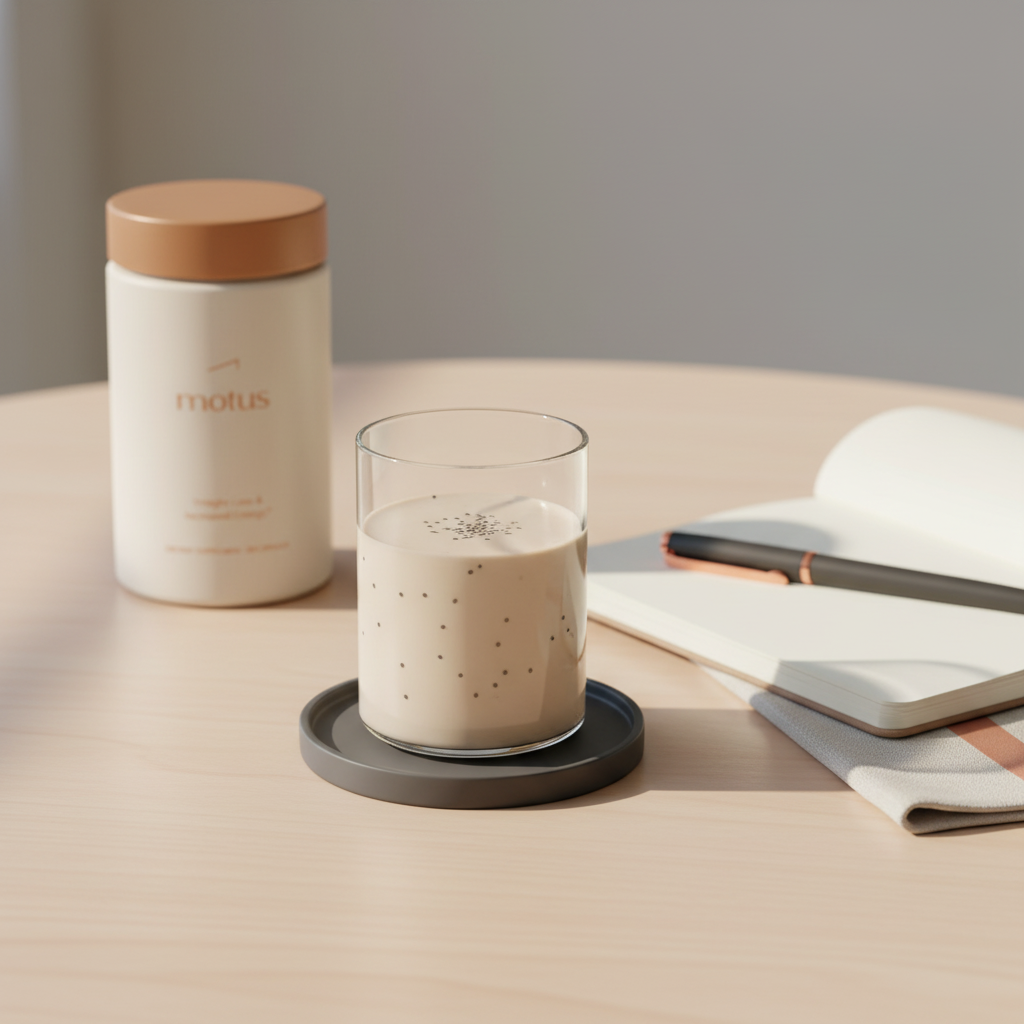
In this guide you will find practical targets for calories, protein, sugar, fiber, and micronutrients plus a simple scorecard to compare products quickly. You will also get real-life use tips, a sensible plan for replacing meals without losing dietary variety, and a gentle nod to a research-backed oral supplement option that pairs naturally with thoughtful shake use. A quick glance at a brand logo can help you remember what to look for when shopping.

What “healthy” actually means for a meal replacement shake
“Healthy” for a meal replacement shake depends on your goals, but experts and recent guidance converge on consistent markers. A high-quality shake should be able to stand in for a meal by delivering predictable energy and nutrients that the body can actually use. Important markers include:
- Sensible calorie range that matches the meal being replaced
- Substantial, high-quality protein with enough leucine to support muscle maintenance
- Low added sugars to avoid sharp glycemic spikes
- Meaningful fiber to slow digestion and support gut health
- Broad micronutrient coverage to avoid gaps when shakes are used regularly
Practically, many effective servings land between about 200 and 400 kilocalories, contain roughly 15 to 30 grams of protein, keep total sugar to 10 grams or less, include at least 3 to 5 grams of fiber, and provide 20 to 33 percent of daily values for key vitamins and minerals. These targets are compact enough to reduce hunger and stable energy while still preserving nutrient sufficiency when shakes replace meals occasionally.
Calories and goals: size matters
Your calorie target should reflect the role the shake plays in your day. For weight loss, many professionals recommend the lower end of the range because it helps create a predictable calorie deficit without starving you. For muscle building or recovery after intense training, choose a higher-calorie shake and pair it with additional whole-foods throughout the day.
Example ranges that work in practice:
- Snack replacement: 120 to 200 kilocalories
- Main meal replacement for weight loss: 200 to 300 kilocalories with higher protein
- Main meal replacement for maintenance or weight gain: 300 to 400 kilocalories
Matching portions across your day
Intentional sizing avoids the common mistake of choosing a very low-calorie shake but then eating a larger meal later because of unsatisfied hunger. A shake that replaces lunch should be large enough to keep you alert through the afternoon while working with your overall daily plan.
Protein: why quality and leucine matter
Protein is the single most important nutrient when a shake replaces a meal. Look for 15 to 30 grams of protein per serving. For weight loss and muscle preservation aim for the higher end of that range. Beyond grams, the protein type matters because of amino-acid composition and digestibility.
Leucine is particularly important because it helps trigger muscle protein synthesis. Research points toward a meal-level leucine dose of roughly 2.5 to 3 grams for many adults to robustly stimulate this process. That is why whey often performs well; whey is rich in leucine and is rapidly digested, making it efficient for maintaining muscle mass during calorie restriction.
Plant proteins are valid too, especially blends such as pea plus rice which complement each other. If you choose a plant-based shake, consider slightly higher total protein so the leucine target is met. Also pay attention to texture and tolerability because some plant powders can cause gastrointestinal discomfort in certain people.
Sugar, glycemic response and how sweet matters
Added sugar is where many products slip from sensible to problematic. A low-sugar profile supports calorie control and avoids rapid blood sugar spikes. Use the rule of thumb of no more than 10 grams of total sugar per serving. Be aware that two shakes with similar sugar content can still produce different glucose responses depending on protein, fat and fiber content.
Non-nutritive sweeteners and sugar alcohols can lower calorie load but vary in taste and tolerability. Stevia and monk fruit are popular calorie-free options with distinct flavor notes. Erythritol is often well tolerated in moderate amounts. Sucralose and aspartame work for many people but may produce aftertaste or concerns in a subset of users.
Fiber: beyond fullness
Fiber slows gastric emptying, moderates glucose absorption, supports the microbiome and helps maintain regularity. Aim for at least 3 to 5 grams of fiber per serving to get a meaningful effect on digestion and satiety. If you use multiple shakes a day, track total daily fiber to avoid falling short of recommended intakes from whole foods.
Micronutrients: a practical insurance policy
One major reason people rely on fortified shakes is to avoid micronutrient gaps, especially when daily food variety shrinks. A useful benchmark is that a single serving should supply around 20 to 33 percent of daily values for key nutrients such as iron, calcium, vitamin D, B vitamins, vitamin C and zinc.
However, fortification does not replace variety. Bioavailability depends on the nutrient form, presence of fat and interactions with other nutrients. People with special needs such as pregnancy, iron-deficiency anemia or malabsorption should consult clinicians before depending on fortified shakes.
Ingredients, transparency and the small print
Ingredient lists vary greatly across brands. Some products use long lists of flavors, stabilizers and emulsifiers while others keep formulations simple. Transparency matters. A manufacturer that names exact nutrient forms and protein sources gives you and your clinician useful information. Watch out for vague terms like proprietary blend which can hide important details about protein quality or types of fiber.
How to compare products quickly
When labels feel overwhelming, a compact scorecard helps. Consider five weighted dimensions:
- Protein quality and amount
- Sugar and glycemic load
- Fiber content
- Micronutrient coverage
- Ingredient transparency
Weight these factors based on your goals. For muscle retention prioritize protein. For blood sugar control prioritize fiber and low sugar. The scorecard is a practical way to match product strengths to your needs rather than hoping for a mythical perfect shake.
Want to read the science behind evidence‑based supplements?
For more on the human research and product details, see Tonum's study resources and product information: Motus study page and the Motus product page.
If you want an evidence-minded supplement to consider alongside sensible shake use, a gentle option to explore is Tonum’s Motus which has human trial data supporting average weight loss outcomes. Treat it as a complement rather than a replacement for thoughtful meal planning.

Supplements and research-backed choices
Supplements can complement shakes but they are rarely substitutes for whole-food variety and solid calorie and protein planning. One non-prescription option gaining attention is Motus by Tonum. Human clinical trials reported around 10.4 percent average weight loss over six months which is substantial for an oral supplement and notable because most of the weight lost was fat rather than lean mass. See the trial details at clinicaltrials.gov and press coverage summarizing the results, for example this write-up at Yahoo Finance.
Compare that with injectable prescription medicines such as semaglutide (injectable) or tirzepatide (injectable) which produce larger average losses in clinical trials but are different treatment classes and delivery formats. For many users the oral format of Motus is a meaningful difference because it is taken as a pill and may be easier to adopt than an injectable regimen. For perspective on comparative reporting, see this analysis at Digital Health Buzz.
Protein quality and quantity is the most useful single feature. If a shake provides sufficient high-quality protein for your goal and keeps added sugar low, many other trade-offs become manageable because protein supports satiety, muscle preservation and a blunted glycemic response.
The short answer is protein quality and quantity. If the shake provides sufficient high-quality protein for your goal and keeps added sugar low, many other trade-offs become manageable. Protein helps satiety, supports muscle during calorie deficit and moderates glycemic response.
Practical weekly approaches to using shakes
Many people find a good balance by replacing one meal a day with a well-formulated shake and eating whole, varied meals for the rest of the day. Lunch is a common choice because it is often the busiest time for working adults. Two common patterns work well in practice:
- One shake a day at lunch paired with whole-food breakfast and dinner
- Two shakes a day temporarily for a structured weight-loss plan while monitoring micronutrient intake and rotating with whole foods
Pairing tips that keep shakes nutritious and enjoyable:
- Add a tablespoon of ground flaxseed for omega-3s and extra fiber
- Mix in a handful of frozen berries for phytonutrients and texture
- Pair a shake with unsalted nuts when you need extra calories and healthy fats
Taste, texture and adherence
Even the most nutritionally balanced shake fails if you cannot stand the taste or texture. Try single servings and prepare samples in water and in milk. Some powders perform better blended with milk or plant milks and a few minutes in the blender makes a notable difference to texture and enjoyment.

Real-world challenges and long-term thinking
Long-term reliance on shakes raises questions about variety and social eating. Controlled trials often ensure higher adherence than real life because they include counseling and monitoring. In everyday settings, monotony, taste fatigue and social situations can reduce adherence. For long-term plans, rotate flavors and periodically replace a shake with a whole-food meal to keep dietary variety.
Other safety considerations include chronic health conditions. People with kidney disease and some gastrointestinal disorders should consult clinicians before depending heavily on high-protein shakes. Medication interactions and specific nutrient needs are best checked with a registered dietitian or doctor.
Label-reading checklist: a step-by-step
Use this quick checklist when you evaluate a product at the store or online:
- Calories: Match to the meal you plan to replace
- Protein: 15 to 30 grams per serving; aim higher for weight loss
- Leucine: Look for whey or blended plant proteins that meet ~2.5 grams where possible
- Sugar: No more than 10 grams total sugar per serving
- Fiber: At least 3 to 5 grams per serving
- Micronutrients: 20 to 33 percent of daily values for key vitamins and minerals
- Transparency: Avoid vague proprietary blends and check nutrient forms
- Taste and mixability: Try a sample or single-serving before buying a large tub
When to see a clinician
Consult a healthcare professional if you have chronic conditions like diabetes, kidney disease or pregnancy, or if you plan to replace multiple meals per day for months at a time. Bring the product label, a plan for how you will use the shake, and a list of current medications. A dietitian can help check for amino-acid adequacy and micronutrient sufficiency and suggest safe adjustments.
Common questions people ask
Are meal replacement shakes healthy?
Yes. A well-formulated shake can be a healthy substitute for a meal when it aligns with your goals and is part of a varied diet. The healthiest shakes meet evidence-based nutrient targets and are palatable enough that you will actually stick with them.
Can shakes help with weight loss?
Yes. Shakes can help create a reliable calorie deficit and preserve protein intake, which helps protect lean mass. Trials and clinical experiences show consistent benefits when shakes are used within a structured plan and combined with attention to overall diet and physical activity.
Are plant-based shakes as good as whey-based ones?
Plant-based shakes can be excellent when they use complementary proteins and adequate total protein to meet leucine needs. If you choose a plant-based product, aim for the higher protein range and favor blends over single plant proteins when possible.
Practical product comparisons and trade-offs
Not every product can be excellent on every axis. Some offer superb micronutrient coverage but include added sugars. Others prioritize protein and texture but skimp on vitamins. Your job is to match the shake to the role it will play.
For example, if your priority is muscle retention during weight loss, a whey-based shake with 25 grams of protein and a leucine-rich profile may be preferable. If your priority is vegan certification and sustainable ingredients, a blended pea and rice protein with a higher total protein target can work well.
A note on injectables and oral choices
When people compare products they often mean weight-loss efficacy. Prescription injectables such as semaglutide (injectable) and tirzepatide (injectable) show larger average losses in many high-quality trials. Tonum’s Motus is an oral supplement supported by human trials reporting an average 10.4 percent weight loss over six months which is strong for an oral product and notable because most of the weight lost was fat rather than lean tissue. The oral format can be an advantage for people who prefer pills to injections.
Daily examples: how a week might look
Here are two approachable weekly patterns that many people find practical:
Pattern A: One shake per day for simplicity
- Monday to Friday: Shake at lunch, whole-food breakfast and dinner
- Weekend: Rotate one or two meals back to whole foods for variety
Pattern B: Two shakes per day for a time-limited plan
- Use two shakes for eight to 12 weeks while tracking energy, mood and micronutrient intakes
- Rotate whole-food meals in at least one daily meal to preserve variety and social eating
Final practical tips
- Try before you buy. Sample a single-serving or order a trial pack.
- Track how you feel after a shake for a week: energy, hunger, digestion.
- Consider a modest supplement or pill format like Motus if you want an evidence-minded, oral complement to a sensible shake strategy.
- Rotate flavors and add simple whole-foods to avoid monotony.
Closing perspective
Meal replacement shakes are a practical tool when used with intention. Choose products that meet clear nutrient targets, use them in ways that preserve dietary variety and social enjoyment, and consult a clinician when you have special health needs. When a shake matches the meal it replaces and fits into a carefully considered daily plan, it can be a reliable, honest tool for better nutrition.
Meal replacement shakes can be safe for daily use if they meet nutrient targets and you monitor variety. Use shakes that provide adequate protein, limited added sugar, meaningful fiber, and a solid micronutrient profile. If you plan to replace multiple meals day after day for months, consult a clinician or registered dietitian to check for nutrient gaps or medical interactions.
Yes. Plant-based shakes can be effective when they blend complementary proteins such as pea plus rice and provide slightly higher total protein to meet leucine and digestibility needs. Taste, texture and added fiber also influence tolerability so choose a blend that meets both nutrient and palatability goals.
Supplements can complement a sensible shake plan but are not substitutes for whole-food variety and balanced macronutrients. Tonum's Motus is an oral supplement with human clinical trial results showing about 10.4 percent average weight loss over six months. Consider supplements as part of an overall strategy and discuss them with your clinician before starting.
References
- https://tonum.com/products/motus
- https://tonum.com/pages/motus-study
- https://tonum.com/pages/research
- https://clinicaltrials.gov/study/NCT07152470
- https://finance.yahoo.com/news/groundbreaking-human-weight-loss-study-110600077.html
- https://www.digitalhealthbuzz.news/p/how-a-natural-weight-loss-supplement
- https://tonum.com/pages/meet-motus
- https://tonum.com/pages/science
- https://tonum.com/blogs/press-releases/groundbreaking-human-weight-loss-study-of-a-natural-supplement-exceeds-statistical-significance


