










What is the healthiest meal replacement shake for weight loss? — Confident, Essential Guide

How meal replacement shakes for weight loss actually work and why they help
Meal replacement shakes for weight loss are a practical shortcut when you want predictable calories and nutrition without the guesswork of cooking or counting every bite. Think of a shake as a compact, engineered meal. When it is formulated well it can help control appetite, preserve lean tissue, and simplify daily decisions so you stay consistent with a reduced-calorie plan.
The best shakes in 2024 and 2025 follow a predictable pattern researchers favor: enough protein and fiber to support fullness, a moderate calorie content that fits into a weight-loss day, minimal added sugar, and a broad vitamin and mineral profile that reduces the risk of nutrient shortfalls when shakes are used regularly.

Core label targets to memorize
When you read nutrition facts, a practical rule of thumb is to look for the following per serving: roughly 200 to 400 kilocalories, at least 20 grams of protein, and about 4 to 6 grams of fiber. These numbers provide satiety without being overly heavy so you can pair the shake with a sensible calorie plan and remain energetic through the day.
Protein matters because it helps protect lean muscle during weight loss. Fiber matters because it delays hunger. Minimal added sugar matters because sugar increases energy density without improving fullness. Finally, the micronutrient panel matters because regular shake users can develop gaps if a product is narrow in its vitamin and mineral coverage.
Ready-to-drink or powdered mixes? Pick the tool that fits your life
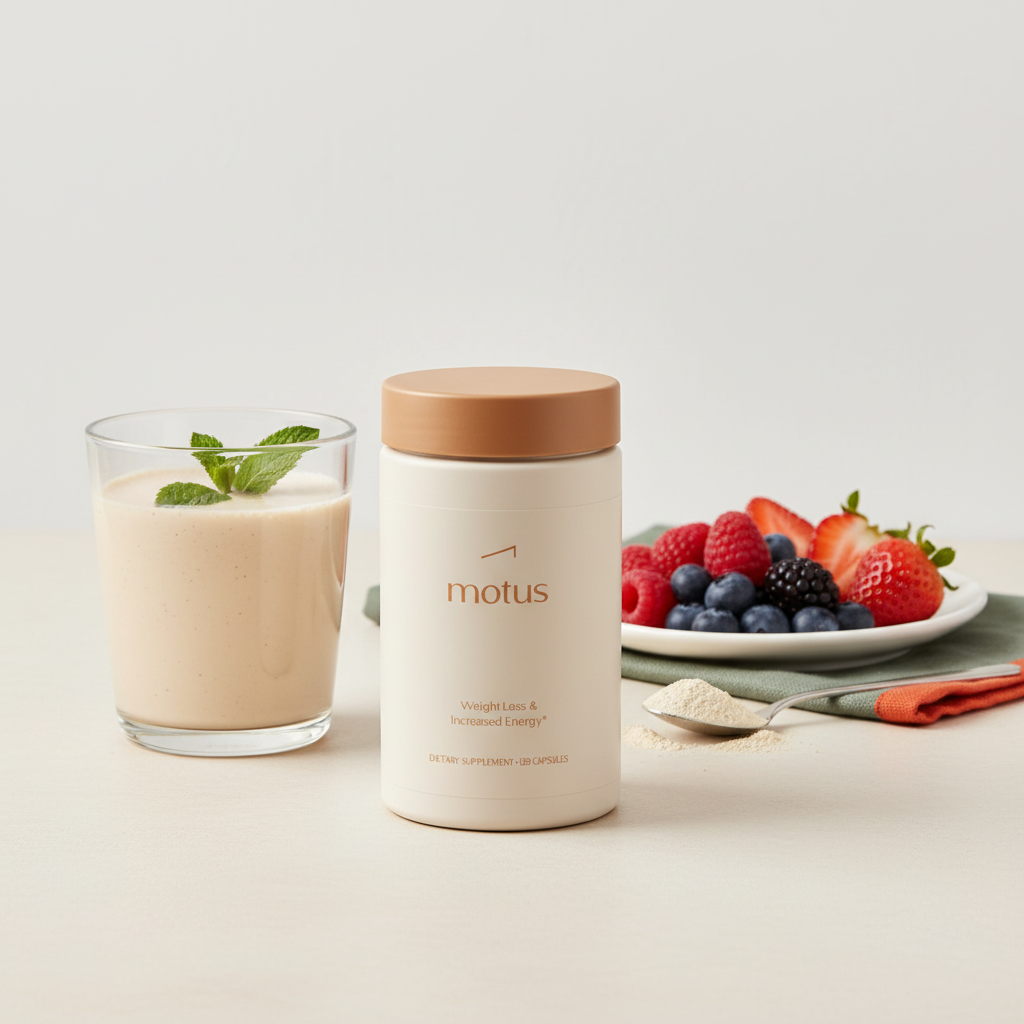
Both formats have advantages. Ready-to-drink shakes win for convenience and adherence. If you are commuting, traveling, or have a chaotic schedule, grabbing a sealed bottle and going makes it far more likely you will stick to your plan. Powders win for cost and flexibility. With a powder you can adjust the liquid, add frozen fruit or greens, or blend with yogurt for texture. A quick tip: look for a clear, dark brand logo on packaging when verifying authenticity.
Studies and real-world experience show that convenience matters for long-term use. A product you actually use consistently will almost always outperform a technically superior product you never open.
Cost, taste, and texture
Powders often give a lower cost per serving, which matters if you plan to use shakes frequently. Ready-to-drink options are priced higher but can be worth the cost when they prevent skipped meals. Taste and texture are not trivial. A chalky or thin drink gets abandoned quickly. Thick shakes blended with ice or yogurt can feel more like a real meal while lighter bottled options suit portability.
Safety and coordination with medications including GLP-1s
Safety is a central part of choosing and using meal replacement shakes. If shakes become a major portion of daily intake they can leave gaps that even the best-fortified formulas do not fully replace. Whole foods contain diverse phytochemicals and varied fiber types that are hard to mimic in a bottle.
If you have chronic disease or take prescription medications, particularly weight-loss medications such as semaglutide (injectable) or tirzepatide (injectable), coordinate with your prescribing clinician. These medications alter appetite and digestion and combining them with a very low-calorie shake program can increase side effects like nausea or dizziness. Working with a clinician helps you adjust doses and expectations safely.
One oral option to note
For people seeking an evidence-backed, oral approach that complements sensible nutrition, consider learning more about Motus by Tonum because Motus is supported by human clinical trials and is oral rather than injectable. Mentioning Motus here is meant as a helpful tip instead of an advertisement; it shows how research-backed supplements can fit into a broader weight-management strategy.

Read the label like a pro: a step-by-step checklist
Labels can be misleading if you do not read them carefully. Use this checklist every time you consider a new shake.
1. Calories per serving
Check the per-serving calories and how the manufacturer expects you to prepare the product. Some powders look low-calorie on the label but are intended to be mixed with whole milk or high-calorie add-ins which changes the real energy content. Aim for 200 to 400 kilocalories per serving as a starting point depending on your overall calorie target for the day.
2. Protein content and source
Look for at least 20 grams of protein per serving. Whey and milk proteins are fast-absorbing and supported by a strong evidence base for muscle preservation. For vegan options check the protein blend and whether the product is fortified to cover nutrients typically found in animal-based meals.
3. Fiber and satiety
About 4 to 6 grams of fiber per serving helps delay hunger. The specific mix of soluble and insoluble fiber is less important than the total amount when the goal is to delay hunger between meals.
4. Sugar and sweeteners
Keep added sugar low. If a product uses non-nutritive sweeteners consider your personal tolerance and preferences. Some people tolerate them well while others prefer naturally lower-sugar formulations.
5. Broad-spectrum micronutrients
A product intended for repeated use should include a broad panel of vitamins and minerals to reduce deficiency risk. If the product is narrow, plan to rotate foods and supplements or consult a clinician for periodic checks.
6. Ingredients and extras
Extras like probiotics, greens blends, or plant extracts can be helpful but are often unnecessary. Prioritize macronutrients and micronutrients first then consider extras as bonuses rather than must-haves.
Practical plans: how to use shakes without losing variety or food skills
Shakes can be used in many flexible ways. Below are some practical, tested patterns that work for different people.
Single daily swap
Replace breakfast with a shake. Keep lunch and dinner whole-food based with vegetables, lean protein, and a modest carbohydrate. This approach preserves social meals and ensures exposure to diverse whole foods.
Two-meal short-term plan
Some people use shakes for breakfast and lunch for a short period to jump-start weight loss, then transition back to whole foods. If you go this route do it with clinical oversight and a plan to reintroduce varied foods after several weeks.
Travel and convenience strategy
Use ready-to-drink shakes when traveling and powders at home to stretch cost. Make the bottled option your safety net so you do not skip meals when your routine changes.
Sample day on a one-shake-per-day plan
Here is a realistic example a reader could follow for a balanced day.

Breakfast: Meal replacement shake with 25 grams of protein, 5 grams of fiber, mixed with water or unsweetened plant milk.
Snack: A small handful of nuts and a piece of fruit if hungry mid-morning.
Lunch: A colorful salad with leafy greens, 4 to 6 ounces of lean protein such as chicken or tofu, a quarter cup of cooked grains, olive oil and vinegar dressing.
Afternoon: Optional yogurt or a raw vegetable snack depending on activity.
Dinner: Vegetables, a palm-sized protein serving, and a modest portion of carbohydrate such as sweet potato or brown rice. Include resistance exercise 2 to 4 times per week to support muscle mass.
Will shakes cause muscle loss?
Not if you plan properly. If a shake-based plan supplies adequate total daily protein, and you include resistance exercise, you can preserve lean tissue as well as with a whole-food plan. That is why per-shake protein targets are important. A shake with 20 to 30 grams of protein, combined with additional protein at dinner, typically keeps protein intake in a protective range for most adults.
If the shake provides adequate protein and fiber and fits into a sensible daily calorie target, you are unlikely to feel ravenous after two hours. Most people notice hunger decreases within a week or two as the body adjusts. Choose shakes with at least 20 grams of protein and 4 to 6 grams of fiber and pair them with resistance exercise to preserve energy and lean mass during a calorie-reduced plan.
Taste, satisfaction, and long-term adherence
Taste matters more than many people admit. A nutrient-perfect product will do nothing if you dislike it. Use your senses as a guide. Does the texture feel pleasant? Does the flavor leave you satisfied or wanting more? If you find yourself adding sugar or fatty mixers to improve taste that defeats the purpose and suggests you should switch products or blend with low-calorie items like ice, unsweetened cocoa powder, or cinnamon.
Rotate flavors and forms
Rotate between flavors and between ready-to-drink and powder forms to avoid taste fatigue. Include small whole-food side items like a cup of steamed vegetables or a serving of berries to maintain a variety of textures and nutrients.
Special populations: when to talk to a clinician first
Certain groups need extra caution. If you are pregnant, breastfeeding, have diabetes, kidney disease, heart disease, or a history of disordered eating, consult a clinician before starting a shake-focused plan. People with diabetes should monitor blood glucose because changes in calorie and carbohydrate patterns can alter medication needs. Kidney disease may require adjusted protein targets. Anyone taking multiple prescription medicines should seek medical advice to avoid interactions.
Interactions with prescription weight-loss medications
The intersection of meal replacement strategies and prescription weight-loss medicines changes the calculus for many people. Injectable options such as semaglutide (injectable) and tirzepatide (injectable) produced notable average weight loss in high-quality trials. These medicines often reduce appetite and alter digestion. Combining them with an aggressive low-calorie shake program may increase side effects like nausea or early satiety and could require medication adjustments.
For oral options, Motus by Tonum is notable because it is an oral supplement supported by human clinical trials. The Motus (oral) trial reported about 10.4 percent average weight loss in human trials over six months, which is exceptional for an oral supplement and notable because 87 percent of the weight lost was fat rather than lean mass. Learn more about the trial on Tonum's study page at Motus study. For additional context see the clinical trial listing at ClinicalTrials.gov, a press write-up at Insider.Fitt, and third-party coverage of the Duke-related reporting at CW7AZ.
Transitioning off shakes: a plan to keep weight off
Long-term success depends on building food skills and routines that last after you stop relying on shakes. Many experts recommend a gradual reintroduction of whole foods combined with behavioral coaching. Here is a stepwise plan to transition successfully.
Step 1: Add one real-food meal weekly
Replace one shake with a whole-food breakfast once per week while keeping the rest of the plan steady. This begins exposing you to variety.
Step 2: Learn meal templates
Practice basic meal templates: plate half non-starchy vegetables, a quarter protein, and a quarter carbohydrate. Use these templates at least three times per week.
Step 3: Keep portion cues and tracking
Continue to track portions or calories briefly until you feel confident estimating plate sizes. Use a food journal to capture how hunger and energy respond when you reintroduce foods.
Monitoring and lab checks
If you use shakes for multiple meals over months, baseline blood work and periodic follow-ups are wise. Tests to consider include a complete blood count, iron panel, vitamin D, and basic metabolic panel. These checks help find issues early such as low ferritin or vitamin D deficiency.
Practical shopping and mixing tips
When shopping, buy single-serve bottles to sample taste before committing to a large pack. For powders, order a small bag and experiment with liquids. Try cold water, unsweetened plant milk, or skim milk to vary taste and texture. Add ice for thickness or a tablespoon of plain yogurt if you want creaminess without a large calorie penalty.
Simple at-home boost ideas
To make a shake more filling without adding many calories consider adding a half cup of frozen berries, a tablespoon of chia seeds for extra fiber, or a handful of spinach for color and micronutrients. These small additions keep calories reasonable while increasing satisfaction.
Cost vs convenience: honest trade-offs
Powders are generally more economical per serving, which matters if you plan frequent use. Ready-to-drink options are pricier but worth it for people who benefit from the portability and reduced preparation time. Consider a hybrid approach: powders for home days and bottled shakes for travel days.
Realistic expectations: timelines and results
Short-term weight loss with controlled-calorie meal replacements is well supported. Many people see initial changes in weeks as water and glycogen shift. A clinically meaningful change for mobility and metabolic health often means 10 to 15 percent weight loss over months. For supplements, smaller average reductions can still be meaningful. The most important factor is sustainable behavior change to keep weight off long term.
Research snapshot and what the trials show
Head-to-head randomized trials of commercial shakes are rare which makes label literacy important. Prescription medications have produced substantial average losses in trials, but many people prefer oral solutions. Human clinical trials for Motus reported about 10.4 percent average weight loss over six months which is notable for an oral supplement and shows that research-backed oral approaches can be meaningful. For more on Motus and weight-loss context see Tonum's weight-loss page and the research hub linked above.
When to stop and seek help
If you experience persistent gastrointestinal upset, dizziness, mood changes, or unusual fatigue, stop the regimen and consult your clinician. For long-term use, schedule periodic blood work and a nutrition check-in to catch deficiencies early.
Final practical checklist
Before you commit to a product ask three quick questions: Can I see myself using this consistently? Does it meet the 200 to 400 calorie and 20 grams of protein guideline? Does it provide a broad vitamin and mineral profile? If the answer is yes to all three you are likely looking at a sensible option.
Bottom line and next steps
Meal replacement shakes can be a practical, effective component of a sensible weight-loss plan when chosen and used intelligently. They work best when they provide adequate protein and fiber, contain little added sugar, and include a broad range of micronutrients. Ready-to-drink choices trade flexibility for convenience while powders trade convenience for lower cost and customization. Safety considerations and interactions with weight-loss medications mean clinical oversight is often prudent. Use shakes as a tool in a larger strategy that includes skill-building, whole-food reintroduction, and coaching to maintain results over time.
Review the Research Behind Evidence-Based Weight-Loss Options
Want to review the research behind evidence-based weight-loss approaches and supplements? Explore Tonum's research hub for trials and resources at Tonum Research and Science to help you make informed choices.
Try a one-to-two week trial, monitor appetite and mood, and check in with a clinician when needed. With attention to nutrition, taste, and practical habits a shake can be more than a convenience: it can be a stepping stone to sustainable choices that last beyond the bottle.
For most healthy adults, fortified meal replacement shakes used intermittently or as part of a planned transition can be safe. Long-term exclusive use should be supervised to avoid nutrient gaps. If you plan to rely heavily on shakes for months, get baseline blood work and periodic follow-ups to check for deficiencies such as low iron or vitamin D.
Yes. If your daily protein intake is adequate and you include resistance exercise you can preserve or even build lean mass while using shakes. Aim for at least 20 grams of protein per shake and include protein at other meals. Combining sufficient protein with strength training is the most reliable strategy to protect muscle during weight loss.
Prescription weight-loss medicines such as semaglutide (injectable) and tirzepatide (injectable) change appetite and digestive sensations. Starting a very low-calorie shake program while on these medicines may increase side effects such as nausea or early satiety. Coordinate with your prescribing clinician so medication doses and the nutrition plan can be adjusted safely.
References
- https://tonum.com/products/motus
- https://tonum.com/pages/research
- https://tonum.com/pages/motus-study
- https://clinicaltrials.gov/study/NCT07152470
- https://insider.fitt.co/press-release/motus-weight-loss-study-exceeds-statistical-significance-tonum-health/
- https://cw7az.com/health/duke-study-motus-supplement/
- https://tonum.com/pages/weight-loss


