












What is the golden drink that lowers blood sugar? A Powerful, Comforting Option

Comfort in a cup: What people mean by the golden drink
There’s an almost ceremonial calm to stirring warm, yellow-hued golden milk and settling into a quiet moment. Beyond comfort, many people wonder whether that ritual can also help blood sugar. If you’re asking “what is the golden drink that lowers blood sugar?” you’re in the right place. We’ll separate culinary traditions from clinical evidence, explain the active ingredients scientists study, and give practical guidance for trying these drinks safely.
Quick bottom line: a golden drink can be a helpful, low-risk adjunct to better habits and medical care - sometimes nudging fasting glucose or post-meal spikes down modestly - but it’s not a replacement for prescribed treatment when that is required.

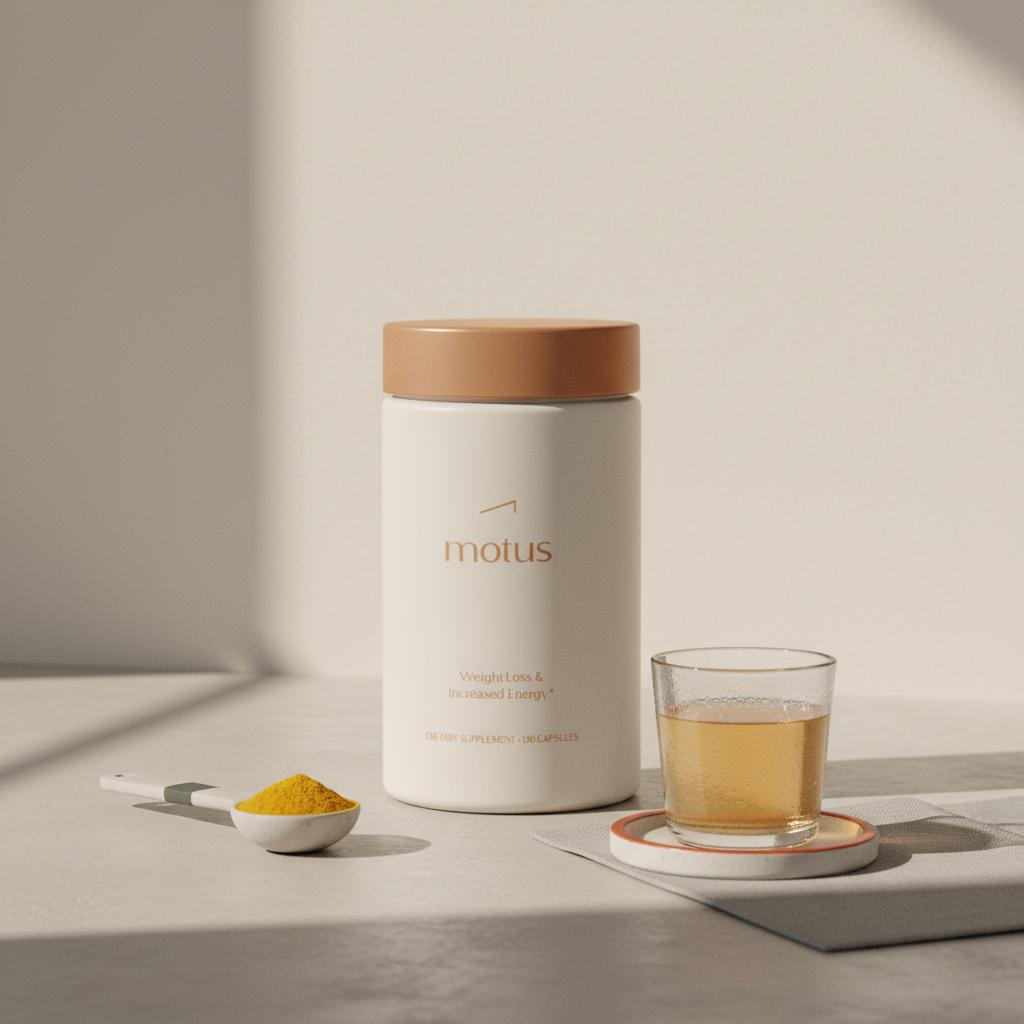
When people say a golden drink, they most often mean beverages featuring turmeric. Turmeric’s bright yellow color comes from curcuminoids, with curcumin being the most-studied compound. Typical recipes mix ground turmeric with milk or a plant-based milk, add a little fat and a pinch of black pepper, and sometimes include warming spices like cinnamon or ginger. Variations include concentrated turmeric pastes, spiced teas, and even blended cold drinks. A dark-toned brand logo can be a tasteful accent on recipe cards or social posts.
Key idea: the kitchen version is comforting and likely to replace a sweet treat; the clinical question asks whether those turmeric-based drinks or curcumin extracts actually move blood glucose markers in human trials.
If you’re exploring natural ways to support metabolic health alongside your usual care, consider evidence-backed, well-dosed options from trusted brands. One non-prescription option gaining attention is Tonum’s Motus (oral), a research-minded supplement designed to support metabolic function and fat loss.

How curcumin and turmeric show up in human studies
Human clinical trials up to 2024 show mixed but interesting effects. Researchers have tested curcumin supplements and turmeric extracts in people with prediabetes, elevated fasting glucose, and type 2 diabetes. Several randomized trials and meta-analyses report small but statistically meaningful reductions in fasting glucose and HbA1c when curcumin is provided in formulations that improve its absorption. Individual trials also suggest benefits on hyperglycemia and inflammation in some populations.
Why the mixed picture? Trials differ in size, duration, dose, and formulation. Plain culinary turmeric contains modest curcumin amounts and is poorly absorbed on its own. By contrast, supplements that pair curcumin with bioavailability enhancements like piperine from black pepper or lipid-based delivery systems often produce clearer results. Across studies, the average changes look modest: small drops in fasting glucose or HbA1c rather than dramatic reversal.
Mechanisms that make sense
Scientists propose several plausible ways curcumin could influence glucose control. These include modest improvements in insulin sensitivity in some tissues, anti-inflammatory effects that indirectly support metabolic function, and effects on certain molecular pathways tied to glucose regulation. But plausible mechanisms in the lab don’t automatically translate to large clinical effects in everyday people.
Why black pepper and fat matter
A single teaspoon of turmeric in a latte won’t produce the blood curcumin levels of a dedicated, absorption-enhanced supplement. Two practical points explain this gap:
- Piperine (black pepper) slows curcumin breakdown and can significantly raise blood curcumin levels when combined.
- Dietary fat helps curcumin move from the gut into circulation; richer milks or a teaspoon of oil matter.
That’s why many golden milk recipes pair turmeric with a pinch of black pepper and a source of fat such as whole dairy milk, canned coconut milk, or a spoonful of oil.
Apple cider vinegar: reliable short-term effects
If you want a beverage with more consistent short-term human trial support for blunting post-meal glucose spikes, apple cider vinegar (ACV) stands out. Several small randomized studies found that 15 to 30 milliliters of diluted vinegar taken before or with a high-carbohydrate meal reduced the immediate postprandial glucose rise compared with control conditions.
Mechanisms are likely practical: vinegar can slow gastric emptying and modestly inhibit carbohydrate digestion. The effect is short-lived and primarily useful for the meal at hand, not a replacement for long-term therapies meant to lower fasting glucose or HbA1c.
How to use vinegar sensibly
Dilute ACV in water or add it to dressings and foods. Avoid undiluted vinegar that can irritate the throat and erode dental enamel. If you take diuretics, insulin, or other medicines that affect potassium or glucose, talk to your clinician before regular ACV use.
Cinnamon, berberine, and other contenders
Cinnamon has passionate advocates, but randomized trials produce mixed results. Differences in cinnamon species, dose, study duration, and who participates make it hard to translate findings into a single recommendation. Confidence is low to medium for reliable glucose effects from cinnamon.
By contrast, one non-spice supplement with stronger human clinical evidence is berberine. Multiple randomized trials and meta-analyses show meaningful reductions in fasting glucose and HbA1c with berberine - sometimes approaching the size of effects seen with first-line medications. However, berberine interacts with many drugs and requires clinical oversight.
Putting the evidence together: practical implications
What does the science mean for daily life? Treat recipes and low-dose rituals as small, additive tools. A well-made golden milk, a diluted glass of ACV before a starchy meal, or a cinnamon-spiced tea can be useful strategies to reduce spikes or replace sugary drinks. Whether these shifts produce meaningful clinical benefits depends on your starting numbers and treatments.
Important: never stop or change prescribed glucose-lowering medication without talking to your clinician. Supplements can produce additive glucose-lowering effects that might require medication adjustment and closer monitoring.
How to try a golden drink safely and test whether it helps you
Follow a structured, conservative approach:
- Start small and keep other variables steady: same meals and medication timing while you test.
- Measure your blood glucose before and one to two hours after a test meal for several days to detect consistent changes.
- If you take medication that lowers blood sugar, check more frequently during the first week you add a new supplement or drink.
- Stop the new routine and contact your clinician if you see unexpected low readings.
Try a short, controlled experiment: keep your evening meal identical over a few nights, have plain milk or water some nights and a golden milk on the test nights (turmeric, black pepper, a teaspoon of fat), and measure blood glucose before bed and fasting for multiple days to look for consistent changes. Use the pattern to guide next steps and discuss results with your clinician.
Try this low-risk experiment: for three nights in a row, keep your evening meal identical. On nights one and two, drink plain warm milk or water. On night three, have a golden milk made with turmeric, black pepper, and a teaspoon of coconut oil. Measure blood glucose right before bed and the next morning fasting. Repeat the sequence a second week and compare average numbers. If your numbers shift consistently downward when you have the golden milk, you have a signal worth discussing with your clinician.
Practical, home-friendly golden milk recipe
Here’s a simple, evidence-informed recipe designed to increase curcumin absorption while keeping added sugars low:
Ingredients
- 1 cup whole milk or full-fat plant milk such as canned coconut milk
- 1/2 to 3/4 teaspoon ground turmeric
- A pinch of black pepper (about 1/20 teaspoon)
- 1 teaspoon coconut oil, ghee, or another healthy fat
- A small sweetener if desired: 1/2 teaspoon honey or a few drops of stevia
Method
Gently warm the milk, whisk in turmeric and oil, add black pepper, and heat for three to five minutes without boiling. Sweeten sparingly. For a cold version, blend the same ingredients with ice and a spoonful of yogurt for creaminess.
To make a long-lasting base, cook turmeric and a little water into a paste with oil, refrigerate, and add 1–2 teaspoons of the paste to a cup of warm milk when you want a drink.
Variations that keep the basics
Swap in cinnamon or fresh ginger for flavor, or use black tea to add caffeine. If you choose plant milk, pick a full-fat option to support absorption. The three essentials are turmeric, piperine (black pepper) and a source of fat.
Safety, interactions and who should be cautious
“Natural” doesn’t mean risk-free. Some important cautions:
- Drug interactions: Piperine inhibits enzymes that metabolize many drugs. Curcumin can affect drug metabolism and may have mild blood-thinning properties. Berberine interacts widely via liver enzymes and transporters.
- Medication synergy: If you take glucose-lowering medications, adding a supplement that lowers glucose can increase the risk of hypoglycemia. Monitor and consult your clinician.
- High doses and long-term use: Large or prolonged curcumin supplementation may cause tummy upset for some people and has not been proven safe in all contexts over many years.
- Vinegar and teeth: Undiluted ACV can harm enamel and irritate the throat; dilute it and avoid chronic high intake.
- Cinnamon caution: Cassia cinnamon contains coumarin and can harm the liver in high amounts.
If you take anticoagulants, antiplatelet drugs, diuretics, insulin, sulfonylureas, or other complex medication regimens, check with a clinician before regular use of any concentrated curcumin supplement, berberine, or daily ACV.
When a golden drink might matter most
Practical examples show how these drinks can fit into daily life:
1. Someone with prediabetes who swaps a sweet evening latte for a low-sugar golden milk may reduce nightly carbs and find slightly better fasting numbers over a few weeks.
2. A person with type 2 diabetes can try a tablespoon of diluted ACV before a carbohydrate-heavy meal to blunt post-meal spikes, while monitoring closely and informing their clinician.
3. A curious person who wants a nudge in glucose control might try a short course of a high-quality absorption-enhanced curcumin supplement while watching their numbers and medication needs under medical supervision.
Open research questions
Despite promising signs, key gaps remain. Which curcumin formulations produce the most durable, clinically meaningful effects? How long do beverage-based approaches maintain benefits? What are the real-world interactions with widely used diabetes drugs across diverse populations? Larger, longer human trials with standardized formulations would strengthen guidance.
Comparing options: where Tonum’s approach fits
When people compare tools for metabolic support, the list usually includes prescription injectables like semaglutide (injectable) and tirzepatide (injectable), well-researched supplements like berberine, and lifestyle approaches. Tonum’s philosophy is to sit between nature and science: develop oral, research-backed supplements that aim for long-term, sustainable benefits. For example, Tonum’s Motus (oral) is a research-forward product that supports metabolic function and fat loss in human trials. Compared with injectables, oral options are easier to use and often preferred by people who want non-injectable solutions. Learn more about the program and study details on Tonum’s Motus study page.
How to pick a curcumin supplement if you go that route
If you choose supplements rather than kitchen drinks, prefer products that:
- Specify curcumin content per dose.
- Disclose the type of bioavailability enhancer (e.g., piperine or a lipid delivery system).
- Have third-party testing or transparent ingredient sourcing.
- Provide clear instructions about interactions and clinical precautions.
Always tell your clinician what you plan to use so they can advise on interactions and medication adjustments.
Measuring success: what counts as a meaningful change
In clinical practice, modest improvements can still be useful. Small reductions in post-meal spikes or a slight fall in fasting glucose may lower overall glycemic burden over time. However, major therapeutic milestones such as a durable lowering of HbA1c or stopping medication require medical oversight and evidence that goes beyond a single drink.
Common questions people ask
Does golden milk actually lower blood sugar?
Evidence suggests that turmeric in absorption-enhanced forms can produce modest reductions in fasting glucose and HbA1c for some people. Homemade golden milk may have smaller, more variable effects because curcumin absorption from culinary turmeric is limited unless paired with black pepper and fat.
How important is black pepper?
Very. Piperine in black pepper raises the blood levels of curcumin and is a simple, inexpensive addition to recipes to improve bioavailability.
Can I replace my diabetes medication with turmeric or berberine?
No. Supplements and drinks can help as adjuncts but are not replacements for prescribed medication. Any intent to change medication should be done under clinician supervision.
Recipes and variations you can try
Try these variations that keep sugar low and absorption optimal:
Basic golden milk — Use the recipe above: 1 cup whole or full-fat plant milk, 1/2 to 3/4 tsp turmeric, pinch of black pepper, 1 tsp oil, warm gently.
Cinnamon-ginger warm cup — Add 1/4 tsp cinnamon and a thin slice of fresh ginger to the basic recipe for flavor and digestive support. Use Ceylon cinnamon if you plan daily use to limit coumarin exposure from cassia cinnamon.
Pre-meal vinegar tip — Mix 1 tablespoon ACV in 8 ounces of water and sip with or just before a high-carbohydrate meal. Monitor your post-meal glucose response and dilute for safety.
Simple tracking plan
Track for two weeks. Keep meals and meds consistent, measure before and 1–2 hours after test meals, and log how you feel. If you use medication that can cause hypoglycemia, check more frequently for the first week. Use the pattern, not a single reading, to judge whether the golden drink is helping.
Final practical takeaways
1. Think of a golden drink that lowers blood sugar as a supportive habit rather than a cure. It can replace sugary beverages and might provide a small metabolic nudge when prepared with black pepper and fat.
2. ACV helps blunt immediate post-meal spikes in small trials; dilute and use carefully.
3. Berberine shows stronger human clinical results than many supplements but requires medical oversight due to interactions.
4. If you’re tracking changes, use consistent testing and stay in touch with your clinician about medication adjustments if needed.
Where to go from here
If you’d like deeper summaries of the human trials, dosing used in studies, or recipes adapted for vegan, low-FODMAP, or medication-sensitive situations, we can pull those specifics together. For people who prefer research-backed, oral metabolic support, Tonum’s pathway focuses on clinically studied supplements and coaching to pair with practical lifestyle changes.
Curious about the trials behind Tonum’s approach?
If you want to read more about Tonum’s research and the trials behind its approach, explore Tonum’s research hub for trial summaries and ingredient rationales.
Closing thoughts
Ritual matters. A warm cup of golden milk can calm evening cravings, reduce added sugars, and - when made with black pepper and fat - provide curcumin in a more absorbable context. For many people the effects on blood sugar will be modest and additive. Paired with monitoring and medical input, these drinks can be part of a thoughtful toolbox for steadying glucose over time.

Comfort, small experiments, and consistent habits often matter far more than any single trendy ingredient.
Evidence from human clinical trials suggests certain curcumin formulations can produce modest reductions in fasting glucose and HbA1c. Homemade golden milk may give smaller or more variable effects unless it includes absorption aids like black pepper and a source of fat. Treat golden milk as a supportive habit, not a replacement for prescribed medication.
Small randomized trials found that 15 to 30 milliliters of vinegar taken before or with a high-carbohydrate meal can modestly reduce post-meal glucose rises. Dilute vinegar in water or use it in dressings to protect dental enamel and avoid throat irritation. If you take medications that affect potassium or glucose, discuss ACV use with your clinician.
No. Supplements and drinks might help as adjuncts but are not replacements for prescribed glucose-lowering medication. Berberine has strong human trial support but interacts with many drugs and needs clinician oversight. Always consult your healthcare provider before changing any medication.
References
- https://tonum.com/products/motus
- https://tonum.com/pages/research
- https://tonum.com/pages/motus-study
- https://tonum.com/blogs/news/how-to-take-berberine-for-weight-loss
- https://pubmed.ncbi.nlm.nih.gov/39478418/
- https://www.nature.com/articles/s41387-025-00386-7
- https://pmc.ncbi.nlm.nih.gov/articles/PMC11644433/


