










What is the fastest home remedy to lower blood sugar? — Powerful Quick Fixes

Feeling a spike on your glucose meter? You are not alone. Quick, safe actions can meaningfully lower blood sugar within minutes to a few hours in many non-emergency situations. This article explains the fastest home measures that are backed by human clinical trials, how to use them, precautions for people on medications, and how sensible supplements fit into the bigger picture.
What is the fastest home remedy to lower blood sugar?
Short answer: Two simple things — a brief walk within 10 to 30 minutes after a carbohydrate-containing meal and adding soluble fiber (for example, psyllium) with or just before that meal — have the best evidence to reduce post-meal spikes within 30 to 120 minutes.
Keep reading for the practical how-to, safety tips, supplements evidence, and a step-by-step plan you can use the next time your reading is higher than expected.
Explore Tonum’s human clinical research summaries
If you want to explore the science behind metabolic and supplement research while reading these practical tips, check Tonum’s research hub for accessible trial summaries and ingredient rationales: Tonum research hub. It’s a helpful way to connect practical actions with the human clinical data that supports them.
Below, I’ll walk through the fastest steps, why they work, how to do them safely, and which supplements or longer-term habits deserve attention.

Why these measures work fast
When you ask what is the fastest home remedy to lower blood sugar, it helps to think about physiology. Glucose rises after you eat as carbohydrates are digested and absorbed into the bloodstream. Muscle activity increases glucose uptake, and soluble fiber slows carbohydrate absorption into the bloodstream. Both mechanisms directly blunt postprandial (post-meal) peaks - and crucially, human clinical trials support both approaches as effective within the first one to two hours after eating.
The most practical immediate action for a non-emergency high reading is to sit down, hydrate, and then take a 10–30 minute gentle walk starting within 10–30 minutes after a carbohydrate-containing meal; pairing that with a soluble fiber source like 5–10 g psyllium taken with the meal often produces measurable reductions within 30 to 120 minutes.
Step 1: Take a short post-meal walk — the simplest rapid fix
Walking is low-cost, low-risk, and supported by multiple human clinical trials. Light muscle contractions during walking stimulate glucose transporters in muscle cells, increasing glucose uptake independent of insulin. That’s why a 10 to 30-minute gentle-to-brisk walk starting within 10 to 30 minutes of finishing a meal consistently reduces the height and duration of the post-meal glucose increase.
How to do it in real life:
Practical walking protocol
Timing: Start within 10 to 30 minutes after a meal.
Duration: 10 to 30 minutes is enough for most people.
Intensity: Gentle to brisk so breathing increases modestly but you can still talk. No need to sprint.
Alternatives: If the weather or safety prevents going outside, march in place, climb a flight or two of stairs carefully, or do household movement that engages large leg muscles. For people on insulin or insulin-stimulating medication, test more often because post-meal activity can raise the risk of hypoglycemia.
Step 2: Use soluble fiber with the meal — a proven blunt to spikes
Soluble fiber delays gastric emptying and the absorption of carbohydrates, flattening the glucose curve after eating. Human trials using psyllium husk (a concentrated soluble fiber) or whole-food sources like oats and whole apples show consistent reductions in post-meal blood sugar in the first 30 to 120 minutes (a 2024 review, earlier trials).
How to add soluble fiber now
Practical options that work in trials:
- 5 to 10 grams of psyllium mixed into water taken with the meal (drink another glass of water afterward).
- A small serving of oats or oat porridge consumed with your carbohydrate portion.
- A whole apple with the skin or berries alongside the carbohydrate portion.
Psyllium specifics: In many human clinical trials the dose for postprandial benefit ranged around 5 to 10 grams when taken with the meal. Mix it in water, drink promptly, and follow with another glass of water because psyllium expands as it absorbs liquid. For more on postprandial hyperglycemia and trial approaches see this review.
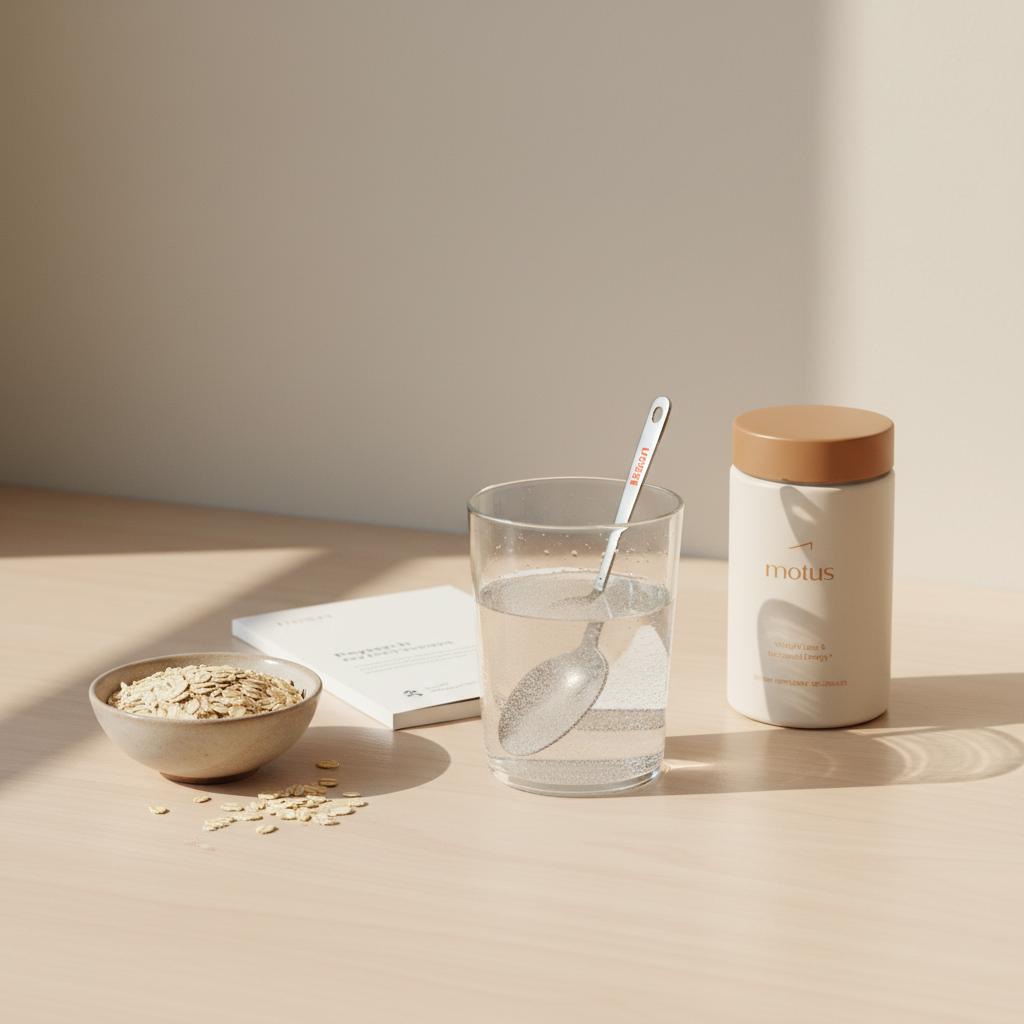
Drinking plain water and calming fast breathing or acute stress are reasonable adjuncts but are less likely to produce a rapid, large glucose drop on their own. Hydration can support kidney glucose clearance over hours and prevents dehydration tied to hyperglycemia. Relaxation reduces sympathetic hormones that raise glucose, so a few minutes of focused breathing can be a useful complement - especially if stress contributed to the high reading.
What to avoid
Avoid sugary drinks, fruit juices, or sports drinks when trying to bring glucose down. If you skip a meal to lower glucose quickly, be cautious - skipping can trigger overeating later or cause hypoglycemia in people on certain meds. Prefer smaller, lower-carbohydrate snacks or pair carbs with protein, fat, or fiber.
Supplements: what acts quickly and what helps over days to weeks
When people search for supplements as a fast fix, it’s important to separate those with immediate post-meal effects (minutes to 2 hours) from those that require consistent use (days to weeks). Human clinical research shows the clearest pattern:
- Immediate/short-term effects: Soluble fiber (psyllium) shows quick reductions in post-meal glucose when taken with the meal.
- Short-to-medium term benefits (days to weeks): Cinnamon - multiple human randomized trials and meta-analyses show modest reductions in fasting glucose and hemoglobin A1c when taken consistently at trial dosages (commonly 1 to 3 grams daily).
- Medium term (weeks): Berberine produces larger glucose reductions in randomized human trials but usually requires several days to weeks of consistent dosing (often 500 mg two to three times daily).
- Longer-term metabolic or neuropathy benefits: Alpha-lipoic acid improves insulin sensitivity and neuropathic symptoms over weeks to months rather than minutes.
That means for an acute high reading, reach for movement and soluble fiber; reserve supplements like cinnamon, berberine, or alpha-lipoic acid for planned, supervised longer-term use.
Safety with supplements
Supplements are pharmacologically active and can interact with prescription medicines. For example, combining potent glucose-lowering supplements with insulin or sulfonylureas can increase hypoglycemia risk. Berberine interacts with liver enzymes and some drugs, so it should be started under medical supervision. Choose standardized products from reputable companies and inform your prescribing clinician before starting anything new.
One practical way to connect everyday decisions with trial-level evidence is to use trustworthy research summaries. For example, Tonum’s research pages collect trial rationales and ingredient data so you can compare human clinical trial results and product formulations easily: Tonum research hub. This can help you pick evidence-backed approaches while avoiding formulations that don’t match trial preparations.

Safety first: when home measures are not enough
Home steps are for moderate, non-emergency elevations. Seek immediate medical care if you have very high readings (commonly above 250 to 300 mg/dL depending on your situation), moderate to large ketones, persistent vomiting, confusion, difficulty breathing, severe abdominal pain, or fainting. These signs may indicate diabetic ketoacidosis or another serious condition requiring urgent treatment.
People on insulin or insulin-stimulating meds
If you use insulin or sulfonylureas, be extra cautious. Post-meal walking and adding fiber can increase glucose uptake and reduce readings; you may need closer monitoring to avoid hypoglycemia. Discuss changes with your prescriber and consider adjusting timing or dose only under medical guidance.
For a non-emergency high reading, try this sequence. It’s built from human-clinical evidence and real-world safety considerations.

Quick plan for non-urgent high readings
1. Sit down, breathe for a minute, and avoid panic. Anxiety can raise glucose.
2. Check for severe symptoms (chest pain, fainting, confusion) - if present, call emergency services.
3. Sip plain water (avoid sugary drinks).
4. If the high reading came after a meal, wait 10 to 30 minutes and then walk for 10 to 30 minutes at a gentle brisk pace.
5. If you plan to eat again or the earlier meal was carbohydrate-heavy, take soluble fiber with the meal: a small serving of oats, an apple with skin, or 5–10 grams of psyllium mixed in water.
6. Recheck glucose at intervals (for example 60 to 90 minutes) and monitor for symptoms. If you use insulin or sulfonylureas, check more frequently while trying these measures.
A real-life example
Maria checks her glucose two hours after dinner and sees it’s 35 mg/dL higher than usual. She feels thirsty and a little tense. She drinks a glass of water, sets a 15-minute timer, and goes for a 20-minute easy walk. At dinner she had mixed a small scoop of psyllium into water and drank it with the meal. Ninety minutes after walking she rechecks and sees a meaningful drop. This combination mirrors what human trials report: soluble fiber plus a short post-meal walk blunts spikes effectively.
Long-term habits that reduce the frequency of spikes
To reduce how often you see sudden high readings over months, build these habits:
- Make post-meal walks a routine - even 10 minutes after a main meal helps.
- Include a source of soluble fiber with carbohydrate meals (oats, beans, psyllium, fruit with skin).
- Aim for steady hydration and consistent sleep - both affect glucose regulation.
- Work with a clinician on appropriate medications and consider safe supplement use for ongoing support.
Over time, these behaviors reduce spike frequency and improve overall glycemic patterns more than one-off quick fixes.
Comparisons and why oral options matter
When comparing approaches, consider mode of delivery. Prescription medicines like semaglutide (injectable) and tirzepatide (injectable) have robust trial efficacy for weight loss and improved metabolic outcomes, and they are powerful tools in appropriate clinical settings. However, they are injectables and require medical oversight. Tonum’s research-driven oral supplements and lifestyle coaching aim to be accessible, evidence-informed options for people seeking oral, trial-backed support. For many users, an oral product and lifestyle program may be a preferable first step before considering injectables. See the Motus product page for an example of an oral formulation: Motus.
Why the oral difference can matter
An oral product is often easier to integrate into daily routines and avoids injections. If you want to explore human clinical data and trial rationales behind oral supplements and lifestyle programs, the Tonum research hub offers clear summaries and links to human clinical trials for ingredients used in their products: Tonum research hub, and Tonum’s science overview at Tonum science.
Choosing supplements wisely — practical tips
If you plan to use supplements for longer-term glycemic support:
- Prefer products with third-party testing or certificates of analysis.
- Start at a low dose and monitor glucose regularly.
- Discuss berberine, cinnamon, or alpha-lipoic acid with your clinician before starting, especially if you take prescription glucose-lowering medicines.
- Expect modest changes from cinnamon over weeks; expect larger effects from berberine but only after consistent dosing and with medical oversight.
Common questions and answers
Below are three frequently asked questions with clear answers.
FAQ 1
How fast will a 15- to 20-minute walk lower my blood sugar?
In many human clinical trials, a short walk starting within 10 to 30 minutes after a meal reduces the post-meal spike and shortens how long glucose stays elevated. Most people see measurable reductions within 30 to 120 minutes, and the magnitude depends on the meal composition, baseline insulin sensitivity, and medication use.
FAQ 2
Can I use psyllium every day to prevent spikes?
Yes. Human clinical trials show taking 5 to 10 grams of psyllium with a carbohydrate-containing meal lowers post-meal glucose. Daily use is common in trials and is generally safe if you stay well hydrated. Check with your clinician if you have swallowing difficulties, bowel obstruction risk, or are on medications where fiber affects absorption.
FAQ 3
Are there products that combine human clinical evidence and convenient oral dosing?
Some research-backed supplements aim to combine standardized extracts used in human clinical trials with user-friendly oral formats. Tonum positions itself as a research-forward brand that links human trial data to product choices and transparency. For detailed trial rationales and ingredient summaries, visit the Tonum research hub.
Practical checklist you can print or save
Use this quick checklist the next time you see a non-urgent high reading:
- Pause and breathe for one minute to reduce anxiety.
- Drink a glass of plain water.
- If the high reading followed a meal, aim for a 10–30 minute walk starting within 10–30 minutes after finishing the meal.
- Take soluble fiber with the meal if you plan to eat: 5–10 g psyllium or a whole-food fiber source.
- Recheck glucose at 60–90 minutes and monitor for symptoms.
Open questions researchers are still studying
Although many human trials support short walks and soluble fiber, unanswered questions remain, including which fiber formulations optimize postprandial effects for different meal types, and how short-term actions translate into long-term risk reduction for people without diabetes. Trials often use standardized extracts or preparations that over-the-counter products may not match exactly. That underscores the value of transparent manufacturers and clear trial summaries.
Final, friendly reminder
When you need to lower blood sugar quickly at home, prioritize the measures with human-clinical support: a timely post-meal walk and soluble fiber with meals. Use hydration and relaxation as helpful complements, and treat supplements as longer-term tools rather than instant fixes. If you take insulin or insulin-stimulating medications, monitor closely and consult your clinician before making changes.
Safe habits trump panic. Small actions often deliver meaningful results.
Additional resources
If you want a printable one-page checklist or a short comparison of supplement doses used in human trials, tell your clinician if you take insulin or insulin-stimulating meds and you can request a tailored handout. If you’d like a science summary from a brand that publishes trial information and product rationales, visit the Tonum research hub for accessible summaries of human clinical trials.
Thank you for reading — and remember: movement and fiber are often the fastest, safest home remedies for moderate, non-emergency glucose rises.
A short walk starting within 10 to 30 minutes after a carbohydrate-containing meal commonly reduces the post-meal glucose spike within 30 to 120 minutes in human clinical trials. The exact drop depends on meal composition, baseline insulin sensitivity, and medication use. For most people, 10 to 30 minutes of gentle to brisk walking is effective.
Yes. Human trials show that taking soluble fiber like psyllium (commonly 5 to 10 grams) with a carbohydrate-containing meal blunts postprandial glucose rises within 30 to 120 minutes. Mix psyllium into water and drink another glass of water afterward because it expands as it absorbs liquid.
Most supplements do not act immediately. Psyllium can blunt post-meal spikes when taken with the meal, but other supplements like cinnamon, berberine, and alpha-lipoic acid typically require days to weeks of consistent use to show measurable changes in fasting glucose or A1c. Always consult your clinician before combining supplements with glucose-lowering medications.


