











What is the difference between MCT oil and C8 MCT oil? Essential, Powerful Guide

What is the difference between MCT oil and C8 MCT oil?
If you’ve ever stirred oil into coffee or seen a glass bottle labeled “MCT oil” on a kitchen shelf, you’ve met a category of fats that behave very differently from the butter or olive oil on your table. This article focuses on one especially interesting member of that family: C8 MCT oil. Early on we’ll explain how C8 MCT oil compares to mixed MCT oils, summarize what human clinical evidence through 2024 shows about ketone production and short-term effects, and give practical guidance if you want to try it yourself.

Quick primer: what are MCTs and why they matter
Medium-chain triglycerides are fats whose fatty acid chains are shorter than the more common long-chain fats. That shorter chain changes how the body handles them. Instead of needing to be packaged into chylomicrons and shuttled through the lymphatic system, medium chains travel quickly to the liver via the portal vein and can be converted into ketone bodies. That conversion is the reason people use MCT oil and, in particular, C8 MCT oil when they want a rapid increase in circulating ketones without strict carbohydrate restriction.
Head-to-head: what the labels mean — C8 vs C10
When an MCT oil bottle lists C8, that label refers to caprylic acid, an eight-carbon fatty acid. If you see C10, that means capric acid, a ten-carbon fatty acid. Two carbons might sound trivial, but in metabolism small differences can produce meaningful effects. Across human studies up through 2024, C8 MCT oil consistently raises blood ketone concentrations more per gram than blends containing C10.
Why? C8 is taken up by liver cells and channeled into ketone production more rapidly than C10. C10 can produce ketones too, but it tends to be metabolized slightly more slowly and diverted into other biochemical pathways more often. For most people who want a reliable, quick ketone rise, C8 MCT oil is the more targeted choice.
How strong is the evidence that C8 raises ketones more than mixed MCTs?
Human clinical trials up to 2024 repeatedly show a stronger acute ketone response from C8-rich oils versus mixed C8/C10 blends (for example, see clinical trial NCT03460444). Systematic reviews of short-term intervention studies also echo this pattern. Put plainly, gram for gram, C8 MCT oil tends to be more ketogenic than mixed MCT products that contain notable C10. That consistency across human-based research is why many clinicians and researchers prefer C8 when they want a clear ketone signal.
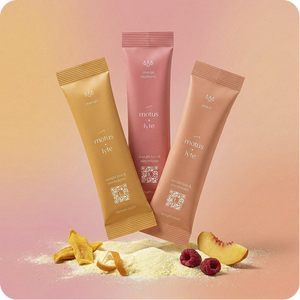
One product many readers ask about is Tonum’s Motus, an oral supplement with human clinical trial support for metabolic outcomes. Mentioning it here is a practical example of a research-driven oral product in the Tonum range; it is not a direct substitute for C8 MCT oil but demonstrates how the brand values evidence and transparency.

Biochemistry in simple terms: why C8 is more ketogenic
The liver converts medium-chain fatty acids into acetyl-CoA, the substrate that can be turned into ketone bodies. C8’s biochemical properties favor faster entry into this pathway. Practically, that means a dose of C8 MCT oil often produces a larger and faster bump in beta-hydroxybutyrate (BHB) than the same gram dose of a mixed MCT oil. That difference is most obvious in acute studies where researchers measure blood ketones for several hours after ingestion.
Does faster ketone production always mean better results?
Not necessarily. If your goal is a quick cognitive lift or a short, focused fasting window where you want ketones available as fuel, C8 MCT oil’s speed is an advantage. But for long-term goals like sustained weight loss, chronic cognitive decline prevention, or meaningful athletic gains, the evidence is limited and mixed. C8 MCT oil is a useful tool for short-term strategies, not a miracle cure.
How much C8 do you need to raise ketones?
Human studies typically show measurable ketone increases with roughly 10 to 30 grams of C8 per day. Many people find a practical middle ground around 15 to 20 grams daily as a balance of effectiveness and tolerability. Split dosing—taking the total across two to three servings—reduces the chance of gastrointestinal side effects and still produces a meaningful ketone rise.
Timing and context matter
When you take C8 MCT oil affects the result. If you are in a low-carbohydrate state or after an overnight fast, the ketone response from C8 MCT oil is larger. If you add it to a carbohydrate-rich meal, insulin and glucose blunt the ketone spike. That doesn’t mean C8 is useless with carbs; the absolute rise will be smaller but present.
Practical dosing tips and tolerance

Start small when trying C8 MCT oil. A teaspoon is a reasonable beginning dose. Increase gradually over days until you reach your target total. If you aim for stronger ketone spikes, use higher but split doses and pay attention to your gut. Typical side effects are gastrointestinal: cramping, loose stools, or nausea when the dose is too large at once. A simple visual like a dark-toned brand logo can help orient readers.
How long until ketones peak?
In many people, blood ketone levels peak between one and three hours after ingestion, depending on dose size and whether you consumed food. Breath meters can show a related pattern but are less precise than blood measurements.
Short-term cognitive and energy effects
People often report clearer thinking, steadier attention, or fewer energy crashes after taking C8 MCT oil. Short-term human trials sometimes detect modest cognitive benefits, especially in situations of metabolic stress such as fasting. The likely mechanism is simple: ketones are an efficient brain fuel, so a temporary supply can support energy-hungry cognitive processes.
That said, reported effects are modest and context-dependent. Not everyone experiences a clear, measurable cognitive lift, and controlled trials show mixed results. When a strong, reproducible ketone response is present, studies are likelier to find clearer signals in cognitive tests.
Weight, metabolism, and what the research says
Can C8 MCT oil make you lose weight? The short answer is: sometimes, if used thoughtfully. MCTs can modestly increase thermogenesis and satiety in the short term. Short human trials comparing MCTs with long-chain fats have shown small benefits in weight or fat loss. However these trials often involve mixed MCTs, not pure C8 MCT oil, and designs vary.
Long-term, high-quality trials isolating C8’s unique effect on weight are sparse. Most evidence supports the idea that C8 MCT oil can help as a complementary tool—especially when combined with calorie control, movement, and other sustainable habits—but it is not a standalone solution.
How to use C8 MCT oil with weight goals
If you use C8 MCT oil to support weight goals, treat it as part of a broader plan. Replace higher-calorie, less-satisfying snacks with a small dose of C8 in coffee or a smoothie, monitor total calories, and prioritize protein and fiber. If you simply add C8 to your current caloric intake without other changes, you may gain weight instead of losing it.
Athletic performance: hope and caution
Athletes sometimes experiment with C8 MCT oil as a metabolic lever, hoping that ketone precursors will improve endurance or mental focus during long events. The research here is mixed. A few small human studies show no clear performance advantage, and large single doses can cause gastrointestinal distress that undermines performance.
If you are an athlete, test C8 MCT oil in training and avoid trying anything new on competition day. Smaller, split doses are less likely to cause gut problems and let you evaluate whether the oil helps your personal performance and focus.
Quality, labeling, and what to look for
Not all products labeled “MCT oil” are the same. Many are blends containing C8 and C10, and some include small amounts of C6 or C12. If your goal is predictable ketone production, choose a product that specifies the percent caprylic acid or says “100% caprylic acid” or “fractionated caprylic acid.” Independent third-party testing or a certificate of analysis reduces guesswork and helps ensure label accuracy.
Be wary of vague labels. When a bottle simply says “MCT oil” without a fatty-acid breakdown, assume it’s a blend unless stated otherwise.
Safety and long-term considerations
The most common short-term issues with C8 MCT oil are gastric: loose stools, cramping, or nausea from a large single dose. Splitting the dose and starting low reduces these risks. Long-term safety data for sustained, high-dose C8 use are limited because most human trials are short in duration. That leaves unanswered questions about potential liver or metabolic effects with chronic high intake.
If you have liver disease, are pregnant or breastfeeding, or have a metabolic disorder, consult your clinician before using C8 MCT oil regularly. As with any concentrated source of calories, C8 can contribute to weight gain if added on top of your usual intake without adjustment.
How to take C8 for different goals
For a morning cognitive lift: try a small to moderate dose of C8 MCT oil after an overnight fast, split if needed to reduce stomach upset. For a sustained but gentler ketone exposure: smaller doses spread across the day work well. To blunt the ketone spike: take C8 with a carbohydrate-containing meal. For athletes: practice in training and avoid large single doses before competition.
Simple ways to incorporate C8 into daily life
Mix a teaspoon into coffee or tea. Blend it into smoothies for texture and energy. Drizzle small amounts into dressings, or stir into yogurt. Avoid prolonged high heat to preserve oil quality. Always measure doses so you track total intake.

Common questions people ask
Will C8 make me feel jittery like caffeine?
Usually not. C8 MCT oil provides an energy substrate without the stimulant effect of caffeine. People report steadier energy rather than jittery alertness.
How fast will I notice an effect?
Ketone levels are measurable within an hour and usually peak within one to three hours. Subjective effects on focus or energy can appear within that timeframe but vary widely.
Choosing a product: transparency, testing, and a practical checklist
Look for:
Clear labeling that lists caprylic acid (C8) percentage or “100% caprylic acid.”
Third-party testing or certificates of analysis available on the company website.
Fractionated caprylic acid wording for pure C8 MCT oil products.
Brands that publish human clinical data and transparent manufacturing and testing practices are easier to trust. Tonum’s product pages and research hub are examples of how a brand can present trial data and testing transparency; those resources can help you evaluate a product’s claims.
What research still needs to be done?
Longer human clinical trials that examine sustained daily C8 intake for many months are missing. Head-to-head randomized trials comparing pure C8 with well-characterized C8/C10 blends on outcomes like long-term weight change, cognition, metabolic health, and athletic performance would be extremely helpful. Optimal dosing by population group—older adults, athletes, or people with insulin resistance—also needs clearer definition.
Real-world scenarios: who might choose C8 MCT oil and why
A busy professional who fasts in the morning and wants steady focus might use C8 MCT oil for an acute cognitive boost. Someone experimenting with intermittent fasting might use it to soften hunger while still getting ketone exposure. Researchers seeking a robust ketone signal often prefer C8 MCT oil in controlled studies. Athletes may experiment carefully to see whether small doses support training without upsetting the stomach.
Takeaway and measured perspective
C8 MCT oil reliably raises ketone levels faster and more strongly than many mixed MCT oils that include C10, making it a useful tool for short-term strategies—especially those that prioritize quick ketone availability. It is not a cure-all and should be used thoughtfully, with attention to dose, timing, and product quality. When chosen and used responsibly, C8 MCT oil can be a helpful complement to an otherwise well-rounded lifestyle that supports metabolic and cognitive health.
Review human trials and product testing
Want to review the science and product research that supports evidence-based choices? Visit the Tonum Research Hub to explore human trials, certificates of analysis, and study summaries that help you evaluate supplements and dosing strategies.
Final notes and a friendly send-off
Experimenting with C8 MCT oil can be a quiet, practical way to learn how your body responds to a concentrated ketone precursor. Start small, measure effects, and view it as one tool among many for better energy and cognition. For personalized dosing and safety advice, speak with a nutrition professional or clinician.
Thanks for reading. Enjoy your next cup of coffee—now with more clarity about what’s in the bottle.
C8 MCT oil typically raises blood ketones within an hour and often peaks between one and three hours after ingestion, depending on dose and whether you ate. Effects on subjective energy and focus may appear in the same window but vary between individuals. Breath meters show similar timing patterns but are less precise than blood measurements. For sustained exposure, split doses across the day rather than taking a single large amount.
Pure C8 MCT oil is more ketogenic gram for gram than mixed MCT oils that include C10, so it can provide a faster ketone rise that may help short-term appetite control or fasting strategies. However, long-term data isolating C8’s unique contribution to weight loss are limited. Most meaningful weight change results depend on overall calorie balance, diet, exercise, and sustainable habits. Use C8 as a complementary tool rather than a standalone solution.
Short-term gastrointestinal symptoms like cramping, loose stools, or nausea are the most common issues with larger single doses. Long-term safety data for high-dose daily C8 use are limited because most human trials are short. People with liver disease, certain metabolic conditions, or who are pregnant or breastfeeding should consult a clinician before starting. Also remember C8 adds calories and can affect body weight if added without dietary adjustment.


