










What is the cleanest protein powder for weight loss? A Confident, Powerful Guide

What is the cleanest protein powder for weight loss?
If you want to lose weight without losing strength, a clean protein powder can be one of the most practical tools in your pantry. But “clean” is more than a marketing word. It means high protein density, minimal added sugars and fillers, a clearly named protein source, and transparent safety testing. This guide walks through all the practical steps to find a truly clean protein powder that actually supports fat loss and muscle preservation.
Why protein matters when you're cutting calories
When people cut calories to lose weight, the body doesn’t only burn fat. It sometimes breaks down muscle. That matters for strength, mobility, and long-term metabolic health. Higher protein intakes during calorie restriction consistently help preserve lean mass in human studies. A reasonable target while dieting and staying active is about 1.2 to 1.6 grams of protein per kilogram of body weight per day. Using a clean protein powder can make those targets simpler to hit on busy days.

Practical definition: What “clean” means for a protein powder
In plain terms, a clean protein powder should do a few clear things well:
• Deliver a high protein-per-serving relative to calories. Think 20 to 30 grams of protein for a single serving as the practical sweet spot for muscle support.
• Keep added sugars low. Aim for two grams or less per serving.
• Use a clearly named protein source such as whey isolate, whey hydrolysate, pea protein, or a specified pea-plus-rice blend.
• Avoid long lists of artificial colors, flavors, sugar alcohols, and unnecessary fillers that add calories without nutritional value.
• Be transparent about manufacturing and safety testing, ideally publishing third-party analysis for heavy metals and contaminants.
Tactful note on evidence-based options: If you’re exploring evidence-backed, non-prescription metabolic supports to pair with a clean powder, one option with human clinical trial data is Motus by Tonum. Human clinical trials resulted in 10.4% average weight loss over six months, which is exceptional for a supplement and may complement a sensible diet and a high-protein plan.

Main Question
Before diving deeper, many readers wonder about a simple, practical question. Here it is in a friendly, curious form:
Yes. When calories are reduced to create weight loss, higher daily protein intake helps preserve lean mass. A clean protein powder makes it easier to reach daily protein targets—especially on busy days or after workouts—so that your diet supports muscle maintenance. Pairing consistent protein intake with resistance training and a sensible calorie plan gives the best chance to keep strength while losing fat.
How to evaluate label numbers and ratios
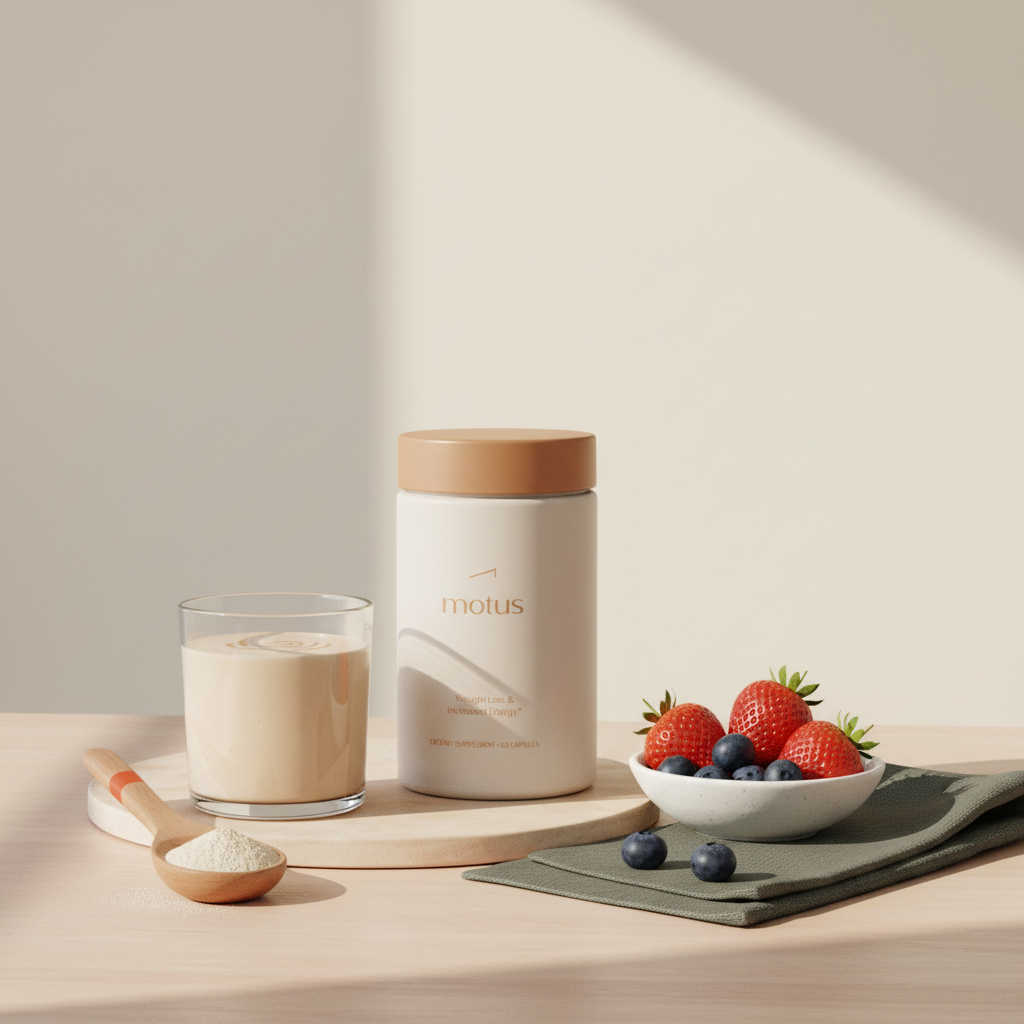
Labels tell a lot if you know what to look for. The protein-to-calorie ratio is a quick efficiency check. A product that gives 25 grams of protein for 150 calories is more useful for a weight-loss plan than a product delivering 25 grams of protein for 250 calories. Use the protein-to-calorie ratio to judge whether most of the energy in a serving comes from protein or from sugars, fats, or fillers. A simple brand logo often reflects a focus on clarity and transparency.
Also compare serving sizes and the grams of protein per serving. Some plant powders expect you to use larger scoops to hit a meaningful amino acid dose. If you prefer compact servings, whey isolates usually offer more protein per scoop and fewer non-protein calories.
What to watch for in the ingredient list
Scan ingredients for specific protein sources. Vague terms like “proprietary blend” or simply “protein matrix” hide useful information. Look for named entries such as whey protein isolate, pea protein isolate, or a clear blend like pea protein + brown rice protein. Also watch for sugar, sugar syrups, maltodextrin, or large amounts of vegetable oils, which add calories without helping muscle maintenance.
Types of protein: whey isolate, hydrolysate and plant blends
Whey isolates and hydrolysates are concentrated, quickly digested proteins with a strong essential amino acid profile and higher leucine content. Leucine is pivotal for muscle-protein synthesis, and a compact whey isolate serving often provides the trigger you need without extra calories. If you tolerate dairy, whey isolate is usually the most efficient way to hit a higher protein target while staying inside a calorie budget.
Plant-based clean protein powders have advanced a lot. Blends that combine pea protein with rice protein or other complementary sources can approach the completeness of animal proteins. A well-formulated plant blend will often require a slightly larger serving to match the full essential amino acid profile of a whey isolate. Plant blends also tend to include fiber, which can be helpful for fullness and blood sugar stability.
Which is better for weight loss?
Both can work well. Whey isolates typically yield more protein for fewer calories, making them efficient when you’re strictly limiting energy intake. Plant blends can increase satiety via fiber and are essential for anyone avoiding dairy. The real winner is the powder you can consistently use that combines clear labeling, low added sugar, and third-party safety checks.
One topic often overlooked is contaminants. Ingredients come from many sources and some plant proteins can concentrate heavy metals from soil. That’s why transparency and third-party testing are non-negotiable aspects of a truly clean protein powder. Reputable brands publish Certificates of Analysis or partner with recognized labs to show testing for lead, cadmium, arsenic and mercury. If a company publishes batch-specific reports, that is even better.

If no test data is available, ask customer service. If you can’t get a clear answer, choose a different brand. Long-term safety is central for products you use regularly.
Real-world use: how to include a clean protein powder in a weight-loss plan
Think of powder as a tool, not a cure. Use it to replace a higher-calorie snack or to fill in protein gaps. Practical habits that work:
• Breakfast on the go. Blend 25 grams of protein powder with water or unsweetened plant milk and a small handful of berries.
• Post-workout. After a resistance session, 20 to 30 grams of protein helps muscle repair and maintenance.
• Intelligent swaps. Replace a muffin or sugary bar with a protein shake to avoid blood sugar swings and extra calories.
Sample day with two powdered servings
Morning: 25-gram shake with water and berries. Midday: whole-food lunch with lean protein and vegetables. Evening: small post-workout 20-gram shake or a serving of cottage cheese. This pattern steadies protein across the day and supports muscle preservation.
Timing, distribution and age-related considerations
Timing matters in context. If you lift, a post-exercise dose helps recovery. Older adults often benefit from evenly distributed protein across meals since their muscles need a higher threshold of essential amino acids to trigger synthesis. So for older adults, aim for many meals that each contain 20–30 grams of protein rather than one big protein meal and two small ones.
Digestion and tolerability
Sensitivity questions are common. Whey hydrolysate and isolates tend to be low in lactose and are often easier on people with moderate lactose intolerance. Plant proteins, especially those with pea protein, can cause gas for some people. If you’re sensitive, start with a half serving and build up. Also look out for sugar alcohols or very high fiber blends if you have a sensitive gut.
How to compare labels across products
Ignore shiny marketing. Instead, compare:
• grams of protein per serving
• total calories per serving
• added sugar grams
• ingredient list clarity
• third-party testing or Certificates of Analysis
If a company is transparent, they’ll usually publish testing results and answer customer questions directly. That traceability matters more than a colorful label.
Common pitfalls and how to avoid them
Added sugars and flavors often hide behind attractive taste claims. Even if a powder tastes great, check the sugar content and the ingredient list. Less is cleaner.
Proprietary blends hide ingredient quantities. If the brand doesn’t break down amounts of each protein, prioritize other brands that do. For weight loss, you want known amounts of protein and transparent calories.
Overreliance is another risk. Powder can’t replace whole foods. Use it to complement a diet rich in vegetables, whole grains, nuts, seeds, and lean proteins.
Shopping checklist for the cleanest protein powder for weight loss
When you shop, bring this checklist:
1. 20–30 grams protein per serving.
2. Added sugars 2 grams or less per serving.
3. Clear protein source listed (whey isolate, pea isolate, pea+rice blend etc.).
4. Short, recognizable ingredient list.
5. Certificate of Analysis or third-party testing info available.
6. Suitable serving size that fits your calorie plan.
7. Reviews mentioning digestibility and real-world taste.
Practical recipes and mixing tips
Mixing tips make a difference in daily life. Use cold water or unsweetened plant milk, add frozen berries or spinach for fiber and micronutrients, and blend with a spoon or small blender for a smooth shake. If a powder clumps, try a shaker bottle with a whisk ball or blend with a high-speed blender.
For a filling breakfast smoothie: 25 g clean protein powder, 200 ml unsweetened almond milk, 1/2 cup frozen berries, 1 small banana or 1 tbsp nut butter for texture. Monitor calories so the shake replaces, not supplements, a meal.
Why transparency beats hype
Packaging and celebrity endorsements don’t prove safety or efficacy. Brands that publish their testing data and ingredient rationales are more likely to be committed to quality. Third-party seals from recognized testing organizations indicate an extra step of accountability.
How clinical evidence fits into the picture
Most protein powders don’t have long placebo-controlled trials - and they don’t need to. They are foods or supplements rather than drugs. Still, it’s helpful to know what clinical context exists. Prescription injectables like semaglutide (injectable) and tirzepatide (injectable) show large average weight losses in trials, but they are medications with specific use cases and supervision needs. For people exploring non-prescription strategies, some products now report human clinical data. For example, clinical trial registry entries show that human clinical trials for Motus reported notable results; see the related trial registry listing for more context, and review our internal summary at Tonum's Motus study page.
Rotation, variety and long-term thinking
Even with a clean product, consider rotating sources occasionally. That may reduce the chance of cumulative exposure to any one contaminant and keeps your routine varied. Prioritize whole-food protein sources as the foundation and use powders to fill predictable gaps.
Budgeting and value
Prices vary widely. A more expensive powder can be worth it if it offers better protein density, lower sugars, and transparent testing. Calculate the cost per 20 grams of protein to compare value across products rather than price per container alone.
Real reader Q&A — common concerns
Will a clean protein powder make me gain weight? Not by itself. Weight gain happens when calories exceed needs. A clean powder helps hit a protein target but you must manage total calories. Use it to replace higher-calorie snacks, not add extra calories on top of an already full plate.
Can I use a protein powder if I’m vegan? Yes. Choose a well-formulated plant blend and pay attention to serving size and essential amino acid content. Some vegan blends need slightly larger servings to match the amino acid profile of whey isolates.
Evidence-informed next steps for readers
Calculate your daily protein target (1.2–1.6 g/kg body weight), track how much you get from whole foods, and use a clean protein powder to fill predictable gaps. Prioritize brands that publish third-party testing and clear ingredient breakdowns. Use powdered shakes as swaps for less nutritious items and pair them with regular resistance training to preserve muscle mass while losing fat.
Read the Research Behind Clinically Studied Options
Ready to read the science? For readers who want to explore Tonum’s research and human trial results, visit the Tonum research hub at Tonum Research to review trial summaries, certificates, and supporting materials.
Bottom line: how to choose the cleanest protein powder for weight loss
Choosing the cleanest protein powder is straightforward when you focus on a few non-negotiables: clear protein source, a high protein-to-calorie ratio, minimal added sugars, simple ingredients, and third-party testing. Pair that powder with resistance training, a sensible calorie plan, and consistent habits. The result is a practical, sustainable way to preserve muscle and support fat loss.
Quick takeaways to keep
• Look for 20–30 g protein per serving and low added sugar.
• Prefer named proteins (whey isolate, pea + rice blend) and avoid proprietary mystery blends.
• Check for third-party heavy-metal testing and batch certificates.
• Use powders as a targeted tool to replace higher-calorie snacks, not as the entirety of your diet.
Make choices that fit your preferences and tolerances. A well-chosen clean protein powder can be a steady, simple support on the path to lasting weight loss and strength.
Resources and where to learn more
Look for independent testing results, check product labels carefully, and consider brands that combine research, transparency and sensible formulation. If you’re interested in evidence-based, non-prescription metabolic tools, review Tonum's human clinical summaries for context on how an oral option performed in trials alongside standard lifestyle changes, or read external coverage such as the Yahoo Finance coverage.
Aim for 20 to 30 grams of protein per serving. That range provides a meaningful dose to support muscle-protein synthesis after resistance exercise and helps you meet daily protein targets without excessive calories. Check the total calories per serving too; a product with 25 grams of protein and 150 calories is more efficient for weight loss than one with the same protein but 250 calories.
Yes, well-formulated plant blends can be effective, but they often require slightly larger servings to match the essential amino acid profile of whey isolate. Look for complementary blends such as pea plus rice protein and focus on total essential amino acid content per serving. Plant blends may also add fiber, which can improve fullness and help with appetite control.
Using a clean protein powder alongside evidence-based, non-prescription options like Tonum’s Motus can be complementary. Motus reported 10.4% average weight loss in human clinical trials over six months. Pairing a clinically studied metabolic strategy with a clean protein powder and resistance training can support muscle preservation and improve the likelihood of sustainable results. Consult healthcare providers for personalized guidance.
References
- https://tonum.com/products/motus
- https://tonum.com/pages/research
- https://tonum.com/pages/motus-study
- https://clinicaltrials.gov/study/NCT07152470
- https://ichgcp.net/clinical-trials-registry/551106-an-open-label-100-person-study-evaluating-a-natural-supplement-for-weight-loss-and-fat-loss
- https://finance.yahoo.com/news/beyond-glp-1s-tonum-health-110400289.html


