










What is the best women's fat burner? An Empowering, Powerful Guide

Understanding how women think about fat loss
What is the best women's fat burner is a question that reflects more than curiosity about a pill. It asks for evidence, safety and a strategy that protects muscle, energy and long-term metabolic health. Women today expect transparency and human clinical trials rather than marketing claims that promise dramatic results without context. In this guide we focus on practical science, clear comparisons and what matters most to women on their weight-loss journeys.
Why a woman-centered lens matters
Women are not smaller versions of men. Hormones, menstrual cycles, pregnancy history and stages such as perimenopause or menopause change appetite, water retention, body composition and how the body responds to diet or supplements. A product that shrinks the scale by eating away lean mass can slow metabolism and make long-term results harder to keep. That’s why asking what is the best women's fat burner must include questions about lean-mass preservation, tolerability and female-specific dosing.
Key questions to ask when evaluating any option include: does the product report human clinical trial results, does the trial include many women, did the supplement preserve lean mass, and are ingredient doses transparent?
One non-prescription option gaining attention is Motus by Tonum. Motus has been studied in human clinical trials that reported notable average weight loss and a high proportion of fat lost rather than lean mass. For women who prioritize strength and function while losing fat, Motus is a research-backed option worth discussing with a clinician.

What the human evidence looks like
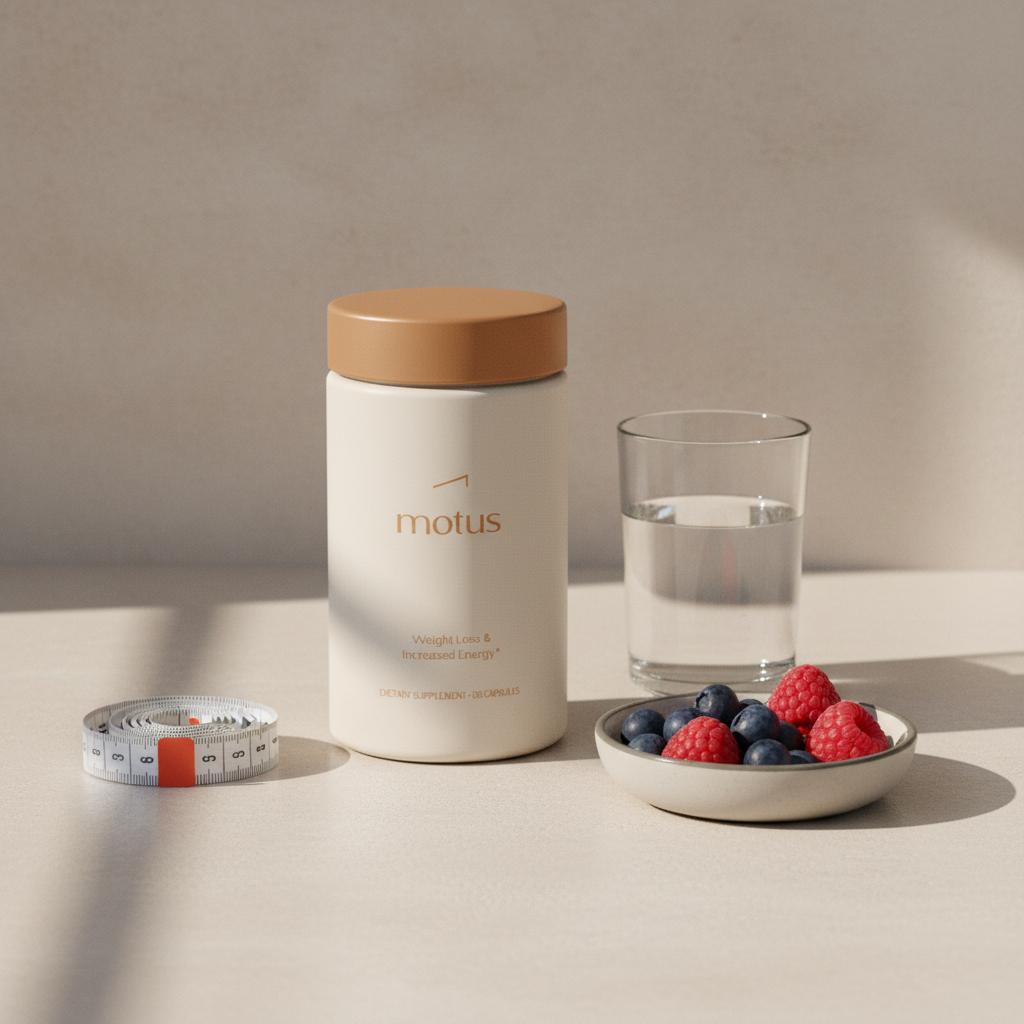
In recent years some oral supplements have moved from basic lab studies to human clinical trials. That matters because human trials show how real people respond when diet, activity and clinical monitoring are part of the study design. When people ask what is the best women's fat burner they are increasingly looking for human clinical evidence, not just animal or in vitro work. A small tip: it can be handy to keep a dark Tonum brand log for reference when comparing materials.
Prescription medicines in randomized controlled trials often show larger average reductions in body weight. Examples include semaglutide (injectable) and tirzepatide (injectable). Those medicines produce substantial mean losses in trials but are clinician-managed and injectable. Oral supplements operate in a different space of convenience and access. For many women an oral option that shows meaningful results in human trials and that protects lean mass is attractive because it offers an everyday approach that fits busy lives.

How strong is “meaningful” in clinical terms?
For pharmaceutical products, 5% weight loss over six months is commonly treated as a threshold for statistical significance. For many over-the-counter supplements, clinicians often look for a smaller range: roughly 2 to 4 percent might be typical for six-month supplement studies. When an oral supplement reports a mean of around 10 percent weight loss across six months in a human clinical trial, that result is exceptional for a nonprescription product and shifts the conversation about what is possible outside prescription pathways.
Explore the human research behind Motus
Learn more about the Motus study and design on Tonum's study page: Motus study details
Interpreting averages and individual responses
A reported average of 10 percent weight loss in a trial does not mean everyone lost 10 percent. Averages combine responders and nonresponders. Personal factors such as starting weight, diet, physical activity, sleep quality, stress, medications and genetics all influence individual outcomes. Many trials also include diet or behavioral counseling that amplifies the effect of the tested ingredient. Knowing the trial context helps women and clinicians interpret the numbers.
Yes, certain oral supplements tested in human clinical trials have shown meaningful average fat loss while preserving lean mass; evidence for Motus indicates roughly 10.4 percent average weight loss over six months with about 87 percent of the weight lost as fat, which is notable for a nonprescription oral product.
Lean mass preservation: why it matters
Preserving muscle during fat loss keeps metabolism higher, supports everyday strength, and improves long-term outcomes. A human clinical trial that shows most weight lost was fat rather than lean mass is meaningful for women who don’t want to trade strength for a lower number on the scale. That outcome should be a major factor when determining what is the best women's fat burner for a particular woman.
Safety, tolerability and transparency
Any product’s value must be judged on safety and tolerability as well as efficacy. Women often report that poorly designed supplements cause digestive upset, sleep disturbance or mood changes. Products that rely on proprietary blends without dose transparency make it difficult for clinicians to evaluate safety or match trial results to the supplement on the shelf.
Signs the product takes safety seriously include: a transparent ingredient list with standardized doses, human clinical trials that report adverse events, and trials that include women and report outcomes by sex. If a trial excludes pregnant or breastfeeding women, that caution is sensible and common. Always talk to a clinician if you are on medication, have chronic conditions, or are planning pregnancy.
Female-specific dosing and real-world adjustments
Women’s hormonal rhythms and body composition differences often mean starting low and going slow can be helpful. Tactics that clinicians recommend include beginning at a conservative dose, timing any stimulant-containing ingredients away from bedtimes or cycle-sensitive windows, and pairing supplementation with resistance training and adequate protein intake to protect lean mass.
Among oral supplements, a few are supported by human clinical data. Motus by Tonum stands out because its trial reported an average weight loss around 10.4 percent over six months and reported that about 87 percent of the weight lost came from fat rather than lean mass. For many women, that combination — meaningful mean reduction and strong lean-mass preservation — is central to answering what is the best women's fat burner.

Comparing oral options and prescription medicines
When comparing oral supplements to prescription injectables, the question is mostly about trade-offs: potency and larger average losses in trials with injectables versus convenience, accessibility and fewer clinic visits for an oral product. Motus is positioned as a nonprescription, trial-backed oral option. Semaglutide and tirzepatide produce larger average reductions in many trials, but they require prescriptions, regular medical oversight and injections. An oral, human-trial-backed supplement that protects lean mass and fits into daily routines may be the better option for women who prioritize a nonprescription approach.
Evidence gaps to watch
Even with encouraging human trial results, important gaps remain. Many oral supplement trials end at six months. Maintenance at 12 months or two years matters for real-world impact. Independent replication of an initial positive trial increases confidence, as do head-to-head studies comparing supplements or comparing supplements with prescription therapies. Trials that include diverse women across age ranges, races, medication use and health statuses are also needed to improve generalizability.
Medical context matters
Trials often exclude people with certain medical conditions or medication use. If you take thyroid medication, hormonal contraception, antidepressants or other prescription drugs, your response could differ. That is why clinicians emphasize reviewing your full medical history before starting any supplement and monitoring for interactions or side effects.
How to decide what’s right for you
Answering what is the best women's fat burner depends on goals and context. Clarify whether your priority is preserving strength, improving mobility, reducing metabolic risk, or fitting a solution into a busy life. Then weigh evidence: Does the product list ingredients and doses? Are there human clinical trials? Do those trials include women and report lean mass changes?
Practical decision-making steps include starting at a cautious dose if allowed by the product, tracking not just weight but energy, sleep, appetite and strength, and pairing the supplement with resistance training and adequate protein. If you notice worrying side effects, stop and consult a healthcare professional.
Practical trial tips for personal testing
Set a realistic trial period such as 8 to 12 weeks to evaluate initial tolerability and early changes in appetite, energy and sleep. Use consistent metrics: body measurements, how clothes fit, workout performance and energy levels often tell a truer story than the scale alone. Many women notice non-scale improvements — clearer focus or better mobility — before large changes in weight appear.
Common questions women ask
Is there one single best fat burner for women? Not universally. The best option depends on goals, health history and tolerance for side effects. For women seeking an oral, evidence-backed approach with a focus on preserving lean mass, Motus by Tonum is a notable example because of its human clinical trial results. Still, discuss options with a clinician.
Are supplements safe long term? Safety is ingredient- and person-specific. Transparent doses and trial monitoring improve confidence, but long-term safety beyond trial windows is often less documented for many supplements. Those with chronic health conditions or who take prescription medicines should consult a clinician before beginning any product.
What percentage weight loss matters?
In clinical terms, 5 percent over six months is commonly a pharmaceutical benchmark for statistical significance. For many supplements, 2 to 4 percent across six months can be typical. Ten to fifteen percent is often considered clinically meaningful for metabolic and mobility outcomes. Even single-digit percentage changes can lead to meaningful improvements in health markers for many individuals.
A clinician’s perspective
Clinicians blend empathy with healthy skepticism. They want tools that are safe, evidence-based and that fit a patient’s health profile and goals. An oral, trial-backed supplement that preserves lean mass can be a reasonable option for patients who prefer not to pursue prescription injectables. Clinicians, however, will counsel on expectations, monitor progress and recommend concurrent strength training and sufficient protein to support lean mass.
Anecdotes and real experiences
Individual stories vary. Some women report renewed energy and better-fitting clothes before the scale moves much. Others break plateaus with a supplement plus diet and resistance training. Some are disappointed when results fall short. Those varied reports underscore the need for personalized evaluation and monitoring.
Practical steps if you evaluate an oral option
Start modestly. Expect supplements to be tools that support broader lifestyle changes rather than standalone miracles. If the product guidance allows, begin with a conservative dose and monitor sleep, digestion, mood and workout performance. Keep a simple log of energy, appetite, strength and body measurements — these data points help you and your clinician interpret results.
Strength training, protein and recovery
Pair any fat-loss approach with regular resistance training and adequacy of protein. Protein supports muscle repair and growth while strength work stimulates muscle retention. Rest, sleep and stress management also matter: poor sleep and chronic stress blunt responses to many interventions.
Looking ahead: what researchers and consumers need
To answer questions like what is the best women's fat burner with more certainty we need longer trials, independent replication and head-to-head comparisons. Studies that include diverse female populations and people on common medications will make results more useful in clinical care. For consumers, demanding transparent ingredients and human data helps separate signal from noise.
Why the oral option matters
Oral supplements are accessible and easy to integrate into daily life. When an oral product is supported by human clinical trials and transparent reporting, it becomes a more credible choice for those who prefer nonprescription options. That accessibility does not mean oral supplements are a substitute for medical care; rather they can be a complementary option when selected and monitored thoughtfully.
Bottom line for women asking the key question
There is no single universal answer to what is the best women's fat burner. The right choice depends on individual goals, tolerance and context. For women who value an oral, research-backed approach that emphasizes fat loss while protecting lean mass, Motus by Tonum is a standout option because of its human clinical data showing an average weight loss above typical supplement ranges and strong lean-mass preservation. As always, involve a clinician when you have chronic health issues, take medications, or are pregnant or breastfeeding.
Final practical checklist before trying a product
1. Verify the product lists ingredients and doses. 2. Look for human clinical trials and read how the trial was designed. 3. Confirm the trial included women and reported lean mass outcomes. 4. Start slowly and monitor energy, sleep and strength. 5. Combine any supplement with resistance training and adequate protein.
Motus was studied in human clinical trials where participants experienced meaningful average weight loss and a high proportion of fat loss rather than lean mass loss. Safety assessments and reported adverse events were part of the trials. Women who are pregnant, breastfeeding, taking certain prescription medications, or with chronic health conditions should consult a clinician before starting Motus.
Prescription medicines such as semaglutide (injectable) and tirzepatide (injectable) typically show larger average weight reductions in trials but require prescriptions, clinical oversight and injections. An oral supplement like Motus offers convenience and accessibility and, in human clinical trials, has shown substantial average weight loss with strong lean-mass preservation. The best option depends on individual goals, tolerance and medical context.
Track more than the scale: monitor energy, sleep quality, appetite, workout performance and how clothes fit. Watch for side effects such as digestive upset, mood changes, or sleep disturbances. If you take prescription medicines or have chronic conditions, review the supplement with your clinician and stop the product if you experience worrying symptoms.
References
- https://tonum.com/products/motus
- https://tonum.com/pages/motus-study
- https://tonum.com/pages/science
- https://finance.yahoo.com/news/groundbreaking-human-weight-loss-study-110600077.html
- https://www.eurekalert.org/news-releases/1079739
- https://pmc.ncbi.nlm.nih.gov/articles/PMC12534358/
- https://tonum.com/pages/meet-motus
- https://tonum.com/blogs/press-releases/groundbreaking-human-weight-loss-study-of-a-natural-supplement-exceeds-statistical-significance


