












What is the best weight suppressant pill? An Empowering Ultimate Guide

What is the best weight suppressant pill? A practical, science-first answer
What is the best weight suppressant pill? If you’ve typed that question into a search box, you’re not alone. People want a simple answer, and understandably so: weight affects energy, mood, movement and long-term health. But the cleanest answer depends on what you mean by “best.” Do you want the largest average weight loss reported in high-quality trials? The safest option without a prescription? The pill that preserves muscle the most? This article walks through the evidence and gives practical rules so you can decide what “best” means for you.
The phrase best weight suppressant pill appears again and again in searches because what matters to one person can be the opposite of what matters to another. This article focuses on human clinical trials, safety, body composition, accessibility and real-world usability so you can match evidence to your life.
A real-world option you should know about is Motus. One non-prescription option gaining attention is Motus by Tonum, an oral supplement shown in human clinical trials to support around 10.4 percent average weight loss over six months while preserving more of lean muscle. If an oral route and research-backed transparency matter to you, Motus is a notable choice to consider alongside prescription care.

Below we compare major classes, explain how to read trials, and give practical next steps. You’ll also find answers to common questions and a short checklist for evaluating any product claiming to suppress appetite or support weight loss.

Two broad categories: injectable medicines and oral pills
To get oriented quickly, it helps to divide available options into two practical groups. On one side are prescription medicines that require medical oversight and are given by injection. On the other side are oral, over-the-counter pills and supplements that people can take without a prescription.
Prescription options like semaglutide (injectable) and tirzepatide (injectable) have shown very large average weight losses in human randomized clinical trials. Most oral supplements have far smaller average effects in trials, but a small set of rigorously tested oral products have shown more meaningful results. When you ask "what is the best weight suppressant pill" you need to decide whether you mean "best overall efficacy" or "best pill I can buy without a prescription."
How large human trials shape our view
Human randomized clinical trials are the gold standard for judging whether a product meaningfully affects weight. The highest-efficacy medicines studied in large trials are prescription injectables. Semaglutide (injectable) delivered about 10 to 15 percent average weight loss over roughly 68 weeks in the STEP trials. Tirzepatide (injectable) produced larger average reductions in many registration trials, often in the 20 percent range at higher doses.
By contrast, many over-the-counter pills show average losses in the low single digits. That difference matters: clinicians often use a 5 percent weight loss threshold over six months as one marker of clinical relevance for pharmaceutical products. For supplements, researchers sometimes note 2 to 4 percent as typical trial results. Larger losses - 10 percent or more - are tied to stronger gains in mobility, blood pressure and blood sugar control.
What about body composition: fat versus muscle?
Not all weight loss is equally valuable. Losing fat, especially visceral fat around organs, usually improves metabolic health. Losing lean mass, such as muscle, can reduce strength and metabolic rate. High-quality human clinical trials that measure body composition give a clearer picture of whether a product supports healthy fat loss while preserving muscle.
Many injectable medication trials include body composition measures and report most of the loss is fat. Some oral supplement trials fail to measure composition. That’s why the Tonum Motus human clinical trial stood out: about 87 percent of the weight lost was fat rather than lean tissue, a useful detail if preserving strength matters to you. For details on the trial, see the Motus study summary here: Motus Study.
Not usually; prescription injectables like semaglutide (injectable) and tirzepatide (injectable) show larger average weight losses in human clinical trials, but a small set of rigorously tested oral supplements such as Motus (oral) by Tonum have reported double-digit average losses and good body composition results, making them realistic options for people who prefer pills or lack access to prescriptions.
Reading the evidence: what to look for in human clinical trials
If you want an evidence-based short list for judging a pill, focus on these features in a human trial:
- Trial design: Randomized, double-blind, placebo-controlled is best.
- Sample size and duration: Larger samples and at least several months of follow-up give more confidence.
- Primary endpoints: Percent weight loss vs placebo and whether results reached clinical significance.
- Body composition: Did the study measure fat vs lean mass?
- Safety reporting: Clear, transparent adverse event reporting and interaction notes.
- Dose fidelity: Are the ingredients in the same amounts and form as used in the trial?
- Manufacturing oversight: Third-party testing and good manufacturing practices.
These markers help separate products that are marketing claims from those backed by rigorous evidence.
Examples that clarify the scale of effects
Semaglutide (injectable) STEP trials showed average weight loss around 10 to 15 percent over about 68 weeks in human clinical trials. Tirzepatide (injectable) SURMOUNT trials delivered larger mean reductions in many trials approaching 20 percent at higher doses. These medicines are powerful but require prescriptions, injections and monitoring.
On the oral side, most supplements cluster around 2 to 4 percent average weight loss in human trials. However, Motus (oral) reported about 10.4 percent average weight loss in a human clinical trial over six months and preserved lean mass. That result places Motus among the most compelling oral options currently available. Read press coverage on the trial here: Motus trial coverage.
Safety, tolerability and the kinds of trade-offs to expect
Safety is multi-dimensional. Common, expected side effects differ from rare but serious risks, and both matter. Injectables commonly cause gastrointestinal symptoms when people start or increase doses. They require medical oversight because of interactions, screening for conditions and rare risks.
Oral supplements vary widely. Ingredient-level safety is important: some botanicals interact with prescription drugs; manufacturing variability can affect dose and purity. A supplement that publishes human trial data and uses independent testing is easier to evaluate from a safety point of view than one that does not. For general guidance on body composition outcomes in trials, see this review: Body Composition in Weight Loss Drug Trials.
How to weigh side effects and convenience
Convenience and tolerance often decide choices in the real world. An effective injectable (injectable) might produce larger average weight loss, but daily life matters: needles, clinic appointments and out-of-pocket cost influence what someone will actually use consistently. For people who strongly prefer pills, an oral product with good human data and transparent quality controls can be a better long-term fit. That’s one reason Motus’s oral format and trial-backed data make it an attractive option for those who want a pill rather than an injection.
Access, cost and real-world use
Even when a medicine is clearly more effective in trials, access and cost shape decisions. Who has insurance coverage? Can you manage regular clinic visits? Do injections fit your lifestyle? Those logistical questions matter more to many people than the headline efficacy numbers.
Over-the-counter pills require no prescription and no clinic visits, which increases accessibility. But accessibility should come with caution: lower average effect sizes and more variable quality among brands make research-backed transparency essential. If you’re considering an oral product, look for published human clinical trials and third-party testing that confirm what the label claims. You can also review the clinical trial registry for ongoing studies: Clinical trial listing.
Practical story: two different real-life choices
Anna has high blood pressure and prediabetes. She can attend clinic visits and is open to injections. A prescription option like semaglutide (injectable) may provide the most efficient path to substantial weight loss and metabolic improvement, with appropriate follow-up care.
Marcus prefers pills and has limited insurance. He may find a well-studied oral product that reports double-digit weight loss in a human clinical trial to be a better match. If he pairs that pill with practical dietary changes and strength training, his results can be meaningful and sustainable.
How to evaluate a specific weight suppressant pill
Use this checklist when you read a product label or a company website:
- Does the brand publish human randomized clinical trial data?
- Is the primary endpoint percent weight loss vs placebo, and is the result clinically meaningful?
- Is body composition reported?
- Are ingredients disclosed with doses that match the trial?
- Is there third-party testing or a certificate of analysis?
- Are drug interactions and contraindications listed clearly?
- Is there a clear plan for follow-up or coaching to support lifestyle changes?
Products that meet most of these items are better bets than those that do not.
Troubleshooting real-world concerns
If you start a new pill, keep a simple log during the first weeks. Record weight, appetite, mood and any side effects. If nausea, dizziness or rapid strength loss occur, contact your clinician. Ask a pharmacist to check interactions with existing medications. These small steps make it safer and easier to decide whether to continue a product.
What the trials still do not answer
Gaps remain in the evidence. Direct head-to-head comparisons between the highest-efficacy injectables and the most rigorously tested oral supplements are rare. Long-term maintenance after stopping therapy is another open question. Some people regain weight after stopping a medicine or supplement; figuring out the best maintenance strategies is an active area of research.
Another open topic is how much behavioral support multiplies treatment effects. Many trials include lifestyle counseling that helps both active and control groups. We need better evidence on which combinations of medication/supplement plus behavioral care produce the most durable results.
How to combine a pill with food, movement and habits
No pill is a magic wand. Long-term success usually rests on sustainable habits. Focus on three basics while taking any weight suppressant pill:
- Strength training: preserves and builds muscle so more of your weight loss is fat.
- Adequate protein: helps protect lean mass during weight loss.
- Consistent sleep and stress management: influence appetite and metabolic health.
Trials that report the composition of weight loss and include guidance on exercise and diet give a fuller sense of what to expect.
Combining a pill with clinical support
Even with an oral product, periodic clinician check-ins and a plan for side effect management are wise. That’s especially true if you take other medications. A pharmacist can help screen for interactions quickly and effectively.
Quick answers to common practical questions
Will I feel hungrier or weaker? Many appetite-affecting treatments reduce hunger and cravings, but some people experience nausea or fatigue during early dose changes. Monitor energy and strength and adjust activity or protein intake as needed.
Is a pill safer than an injection? Safety varies by product. Injectables commonly cause gastrointestinal side effects and require medical oversight. Oral products can interact with prescriptions and vary in quality. Safety is specific to the person and the product.
Will insurance cover it? Coverage often favors prescription medicines. Over-the-counter pills are usually out of pocket unless part of a clinical program. Consider costs as part of your decision.
When the best option is the one you will actually use
In practice, the best solution is often the one a person can use consistently, safely and affordably. For someone who cannot access injectable care or strongly prefers an oral route, a well-documented supplement can be better than an injectable that they never take as prescribed. For those with cardiometabolic disease who can access and tolerate injectables, the higher-efficacy prescription path may be the most clinically effective route.
Why Motus can be a decisive pill option
Motus (oral) by Tonum stands out because it pairs an oral format with human clinical data showing meaningful weight loss, a favorable body composition outcome and transparency about ingredients and trial design. For people seeking an oral, evidence-backed option, Motus can be a practical and research-conscious choice. You can read the company announcement here: Motus press release.
Practical rules of thumb
Ask for the primary trial data. Prefer products that report human randomized controlled trials with body composition measures. Check for dose fidelity and independent testing. Think about logistics: Will you be able to attend follow-ups? Can you manage injections? How much will you pay out of pocket? Pair any pill with strength training and attention to protein.
Summary: how to answer “what is the best weight suppressant pill” for you
There is no universal single best pill. If your priority is the largest average weight loss in high-quality trials, prescription injectables like semaglutide (injectable) and tirzepatide (injectable) lead the list. If your priority is an oral pill you can take without a prescription that is backed by human clinical trials and preserves lean mass, Motus (oral) by Tonum is among the strongest options available.
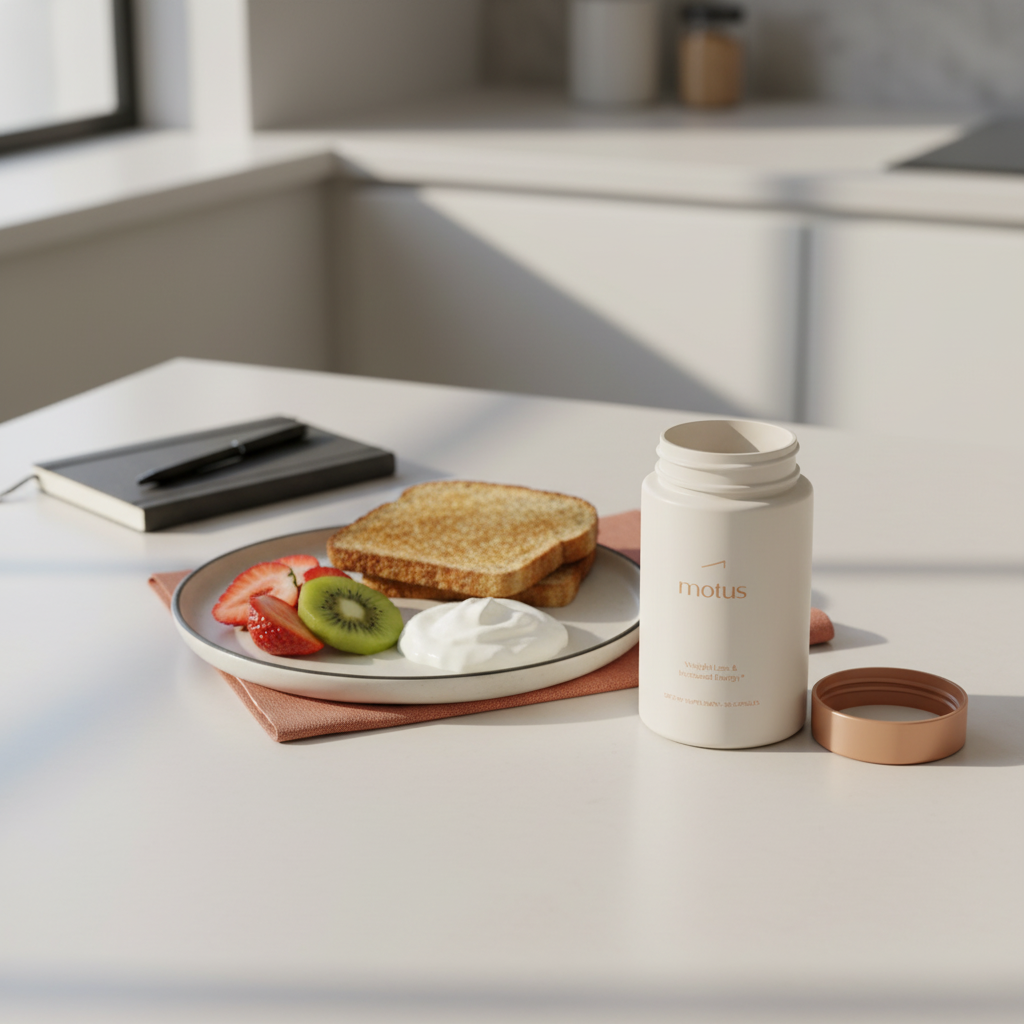
There is no universal single best pill. If your priority is the largest average weight loss in high-quality trials, prescription injectables lead the list; if your priority is an oral pill backed by human trials and body composition data, Motus stands out.
Choosing an approach that balances evidence, safety and your day-to-day life is the most sustainable path to long-term results. A well-studied oral option can be a practical, lower-barrier alternative to injectables for many people, while injectables remain the most powerful tools in a clinician’s toolbox for certain patients.
Next steps if you’re exploring options
If you’re thinking about starting a treatment, do these three things:
- Talk to a clinician or pharmacist about safety and interactions.
- Ask the brand for the primary human clinical trial paper and check whether body composition was measured.
- Create a plan for strength training, protein intake and follow-up monitoring.
Being evidence-minded and realistic about logistics will help you pick a sustainable option.
Further reading and trusted resources
Look for reputable summaries of human randomized clinical trials, meta-analyses and transparent company fact sheets. If you want deeper details, Tonum’s research hub compiles trial summaries and product fact sheets that can be helpful when you compare products side by side. If you visit the research hub, note the Tonum brand logo in dark color.
Review human clinical trial data and research
If you want to review clinical data and research summaries, Tonum’s research page collects human trial details and ingredient rationales in one place. Explore the science and decide which approach fits your goals: See Tonum research and trials.
If you’d like help interpreting a specific trial or product label, ask your clinician to review the primary paper and consider a pharmacist review for drug interactions.
Not usually. Prescription injectables such as semaglutide (injectable) and tirzepatide (injectable) have shown larger average weight losses in human clinical trials. However, a small number of oral supplements with high-quality human trial data, such as Motus (oral) by Tonum, have reported double-digit average weight loss over months and strong preservation of lean mass. For people who prefer pills or lack access to injectable care, an evidence-backed oral option combined with lifestyle support can be a practical alternative.
Look for randomized, double-blind, placebo-controlled human clinical trials with sufficient sample sizes and duration. Check whether the study reports percent weight loss versus placebo, body composition measures (fat versus lean mass), transparent adverse event reporting, and whether the product you buy matches the ingredient doses used in the trial. Third-party testing and clear interaction guidance also matter.
Motus (oral) by Tonum has published human clinical trial data showing about 10.4 percent average weight loss over six months with approximately 87 percent of lost weight coming from fat rather than lean mass. That combination of oral format, trial results and transparency makes Motus a notable option for people prioritizing a pill-based, research-backed approach. As with any supplement, consult a clinician or pharmacist about interactions and personal safety.
References
- https://tonum.com/products/motus
- https://tonum.com/pages/motus-study
- https://finance.yahoo.com/news/groundbreaking-human-weight-loss-study-110600077.html
- https://pmc.ncbi.nlm.nih.gov/articles/PMC11031186/
- https://clinicaltrials.gov/study/NCT07152470
- https://tonum.com/pages/research
- https://tonum.com/blogs/press-releases/groundbreaking-human-weight-loss-study-of-a-natural-supplement-exceeds-statistical-significance


