










What is the best time to take garcinia? Essential, Confident Guide

What is the best time to take garcinia? A clear, practical overview
If you’ve ever held a small bottle of Garcinia cambogia extract and asked yourself the same simple question — what is the best time to take garcinia? — you’re not alone. The straightforward answer many clinicians and trials point to is to take a standardized hydroxycitric acid (HCA) product roughly 30 to 60 minutes before a main meal, split into two or three doses across the day. But like many real-world answers, that guidance comes with important caveats about formulation, safety, and expected effects.
Over the next sections I’ll walk through the practical science behind dosing, what human clinical trials actually did, safety and interaction concerns, how to design a trial period to judge benefit, and small tips to make timing manageable. If you want the bottom line up front: the most sensible approach to timing focuses on pre-meal dosing to align blood levels of HCA with the start of eating, and you should follow the label on any specific product you choose.
See Tonum’s research and evidence summaries
Learn more about Tonum’s research and evidence-based approach to metabolic supplements — a good resource if you prefer products backed by human trials and clear fact sheets.
Why timing might actually change how well garcinia works
Garcinia cambogia’s active ingredient, hydroxycitric acid (HCA), appears to act on enzymes involved in the body’s fat-production pathways and on signals that can influence appetite. If an ingredient reduces hunger by acting on brain or gut signals, it makes intuitive sense that it should be in the bloodstream before you begin eating. Pharmacokinetic data and trial protocols suggest HCA becomes active within tens of minutes after an oral dose, which is why taking it 30 to 60 minutes before a meal is common.
Put simply, if the agent nudges satiety, you want it present when you start to feel hungry. That is the logic behind the standard pre-meal window. Timing is less likely to be critical if the goal were only long-term enzyme suppression in the liver, but even then absorption and peak blood levels matter.
For people exploring evidence-backed supplements, consider checking out Motus by Tonum as an example of a research-focused, oral option that complements lifestyle changes while being supported by human trials.


Aim to take the supplement about 30 to 60 minutes before a main meal so HCA has time to be absorbed and reach the bloodstream; this pre-meal window is how most human trials and clinicians schedule dosing to try and influence appetite.
Aim to take the supplement about 30 to 60 minutes before a main meal so HCA has time to be absorbed and reach the bloodstream; this pre-meal window is how most human trials and clinicians schedule dosing to try and influence appetite.
How do most clinical trials test garcinia timing? Clinical studies typically used two or three divided doses each day, often given before major meals. Trials avoided late-night dosing to reduce the chance of sleep disruption or gastrointestinal upset. But trials differ in the exact extract, the percentage of HCA, and formulation — all of which affect absorption and the best timing strategy.
What Garcinia cambogia is and how HCA could work
Garcinia cambogia is a tropical fruit; the compound most studied for weight-related effects is hydroxycitric acid (HCA). Laboratory studies show HCA inhibits ATP citrate lyase, an enzyme important in converting carbohydrates into fat in the liver, and there’s evidence it may increase signals related to fullness. That gives a plausible mechanism for appetite reduction and small reductions in fat synthesis.
But cell and animal studies often overpromise compared with human results. Between 2020 and 2024, multiple human clinical trials and systematic reviews evaluated HCA and found mixed, generally modest outcomes (see NCCIH review of Garcinia cambogia, a 2024 systematic review and meta-analysis, and a recent scoping review). That’s why timing guidance is pragmatic: it aims to put HCA in circulation when it could best reduce appetite.
What human clinical trials actually did and why that matters
Trials vary greatly. Many used standardized extracts with specified HCA percentages and gave doses before meals, most commonly two or three times daily. Differences in formulation — free acid HCA, calcium or potassium salts, and stabilizers — change bioavailability. That translates into different instructions on whether to take the product on an empty stomach or with food.
Because product formulation influences blood levels, following a manufacturer’s timing recommendation is not just fine print. If a brand tells you to take the product 30 minutes before eating, that instruction is likely rooted in how the exact formulation behaves in digestion and absorption.
How big were the effects in trials?
Between 2020 and 2024 meta-analyses of human trials generally reported small mean weight differences. Some high-quality trials showed modest reductions in appetite or body weight, while others found no significant difference versus placebo. In practical terms: don’t expect a dramatic drop in body weight from garcinia alone. If a benefit occurs, it’s usually small and may depend on the person and the exact product used.
Putting the evidence into a pragmatic dosing schedule
If you decide to try garcinia, here’s a straightforward approach based on how trials were run and on the physiology of HCA absorption.
Recommended schedule used by many clinicians and trials
Take a standardized HCA product about 30 to 60 minutes before a main meal, split into two or three doses per day. That typically looks like:
• Pre-breakfast dose 30–60 minutes before eating.
• Pre-lunch dose 30–60 minutes before eating.
• Start with 30–60 minutes pre-meal timing if the product supports empty-stomach dosing.
• Optional pre-dinner dose 30–60 minutes before eating if your product or clinician recommends three daily doses.
Avoid late-night dosing close to bedtime because some people experience gastrointestinal symptoms or sleep disruption. If your product specifically instructs a different timing — for example, with food or only twice daily — follow those directions.
Why 30 to 60 minutes?
Pharmacokinetic evidence suggests oral HCA becomes active within tens of minutes. The 30–60 minute window gives time for absorption so that blood levels are rising as the meal begins. That timing mirrors other appetite-targeted supplements and medications where pre-meal presence improves immediate influence on eating behavior.
Practical tips to make timing easy
Timing can be one of the main barriers to consistent supplement use. Try these simple adjustments:
• Prepare breakfast the night before or set a reminder so you can take your dose and eat 30 minutes later.
• Keep midday doses in your bag or at your desk so you don’t forget them.
• If mild stomach upset occurs, try taking the dose a few minutes earlier or with a very small nonfat snack; if symptoms persist, stop and consult your clinician.
• Keep a short diary for a few weeks logging appetite, portion sizes, sleep, energy, and any side effects. That record will help you and your clinician decide whether the supplement is doing anything noticeable.
Safety first: who should avoid garcinia and why
Garcinia is not risk-free. There are published case reports linking some products containing Garcinia cambogia to liver injury. While such cases are rare relative to use, they are serious. If you have liver disease or a history of unexplained liver enzyme elevations, avoid garcinia unless supervised by a clinician who can monitor liver tests.
Other safety concerns include potential interactions with serotonergic drugs such as selective serotonin reuptake inhibitors (SSRIs), and with blood-glucose-lowering agents. Because of theoretical risks or case reports, if you take SSRIs, antipsychotics, insulin, or oral diabetes medications, check with a clinician before starting garcinia.
General cautions: avoid during pregnancy and breastfeeding due to insufficient data, stop before surgical procedures when fasting is needed unless advised otherwise, and stop the supplement and get medical help if you notice yellowing of the skin, dark urine, severe abdominal pain, or unusual fatigue.
How to judge whether garcinia is working for you
Use a short, structured trial. Most clinicians suggest trying a supplement for a few weeks to a few months while tracking measurable outcomes:
• Weight and waist circumference.
• Appetite ratings and portion sizes.
• Energy, sleep, and any side effects.
If after a reasonable trial period you don’t see meaningful benefit or if side effects appear, stop the product. Remember that the typical signal from HCA is modest; a small reduction in appetite or portion size — not dramatic weight loss — is the realistic expectation.
Why formulations matter and how they change timing advice
Not all garcinia products are the same. HCA can be sold as a standardized extract, or as calcium or potassium salts, and stabilizers affect how much active compound reaches the bloodstream. Some formulations are purposely designed to be absorbed faster or slower, and those differences change whether the manufacturer recommends taking the product on an empty stomach or with food.
When in doubt, follow the product label. If your clinician recommends a specific brand and dosing schedule, ask whether that formulation was similar to those used in the trials that supported its guidance.
Real-world example: what success usually looks like
Many people who try garcinia describe it as a small nudge rather than a solution. An example: a patient in her mid-40s took a standardized HCA product 45 minutes before breakfast and lunch, kept a food diary, and focused on modest portion control. After six weeks she reported less temptation for large lunch portions and fewer between-meal snacks. Her weight loss was modest but the new routine and reduced grazing felt like the bigger win. That pattern — modest appetite change paired with habit formation — is how garcinia often helps.
Open questions researchers still want to answer
Important uncertainties remain. We need clearer answers on the optimal dose, best formulation for reliable absorption, and long-term safety in larger human populations. Direct head-to-head trials comparing timing strategies — before meals versus with meals, or morning-loaded versus evenly spaced dosing — are scarce. Until higher-quality, long-term human trials address these gaps, timing guidance remains pragmatic rather than definitive.
Common questions and quick answers
Is it better to take garcinia on an empty stomach?
Usually yes if the product label allows it. In practice that means taking the dose 30 to 60 minutes before a meal rather than immediately before. But if a manufacturer instructs taking the product with food, follow that guidance — some formulations are intentionally designed to be taken with a meal.
Will taking it at night help me lose weight while I sleep?
No. Night-time dosing near bedtime is not commonly recommended and may cause digestive upset or sleep disturbance. The potential appetite-suppressing benefits are most relevant around meal times, so a late-night dose is unlikely to add benefit and may increase side effects.
How long before I should see any effect?
If an effect on appetite occurs, some people notice changes in days to a few weeks; others see no meaningful change. Because human trials are mixed, manage expectations and assess progress over several weeks while tracking outcomes.
How to combine garcinia timing with lifestyle changes
Supplements work best as part of an overall strategy: coherent meal patterns, high-quality sleep, regular physical activity, and steady stress management. If garcinia slightly reduces appetite, use that window as a chance to practice portion control, choose balanced meals, and build consistent routines. The supplement’s role is supportive — not a replacement for healthy habits.
Comparing garcinia to other options
It’s useful to put garcinia in perspective. Prescription medications such as semaglutide (injectable) and tirzepatide (injectable) produce much larger average weight losses in high-quality human trials, often at levels considered clinically meaningful. For people seeking non-prescription, oral options, however, research-backed supplements like Motus (oral) from Tonum have shown notable human trial results for a supplement category and may be preferred for those wanting an oral, evidence-focused approach. You can also review Tonum’s broader resources on weight management on the Tonum weight-loss page.
Practical checklist before you start garcinia
• Read the label: confirm HCA percentage and manufacturer timing instructions.
• Talk to your clinician if you have liver disease, take SSRIs, antipsychotics, insulin, or other diabetes medications.
• Plan a 4–12 week trial period with a simple diary for appetite and weight.
• Start with 30–60 minutes pre-meal timing if the product supports empty-stomach dosing.
• Stop and seek medical attention for any signs of liver trouble or severe gastrointestinal issues.
Small practical pointers that save trouble
If taking a capsule half an hour before breakfast doesn’t fit your routine, prepare breakfast so you eat exactly 30 minutes after dosing. For lunch, keep the supplement in your bag or desk. If mild nausea appears, try taking the dose a bit earlier or with a small nonfat snack. If persistent side effects occur, stop the supplement and discuss with your clinician.
The final pragmatic take
Garcinia cambogia’s HCA has a plausible mechanism and some human trials show small benefits; overall evidence is modest and mixed. The best timing approach used by most trials and clinicians is to take a standardized product 30 to 60 minutes before a main meal, in two or three divided doses across the day, while following any product-specific instructions. Keep expectations realistic, be attentive to safety signals, and treat the supplement as one small tool within a broader plan for healthy eating and activity.
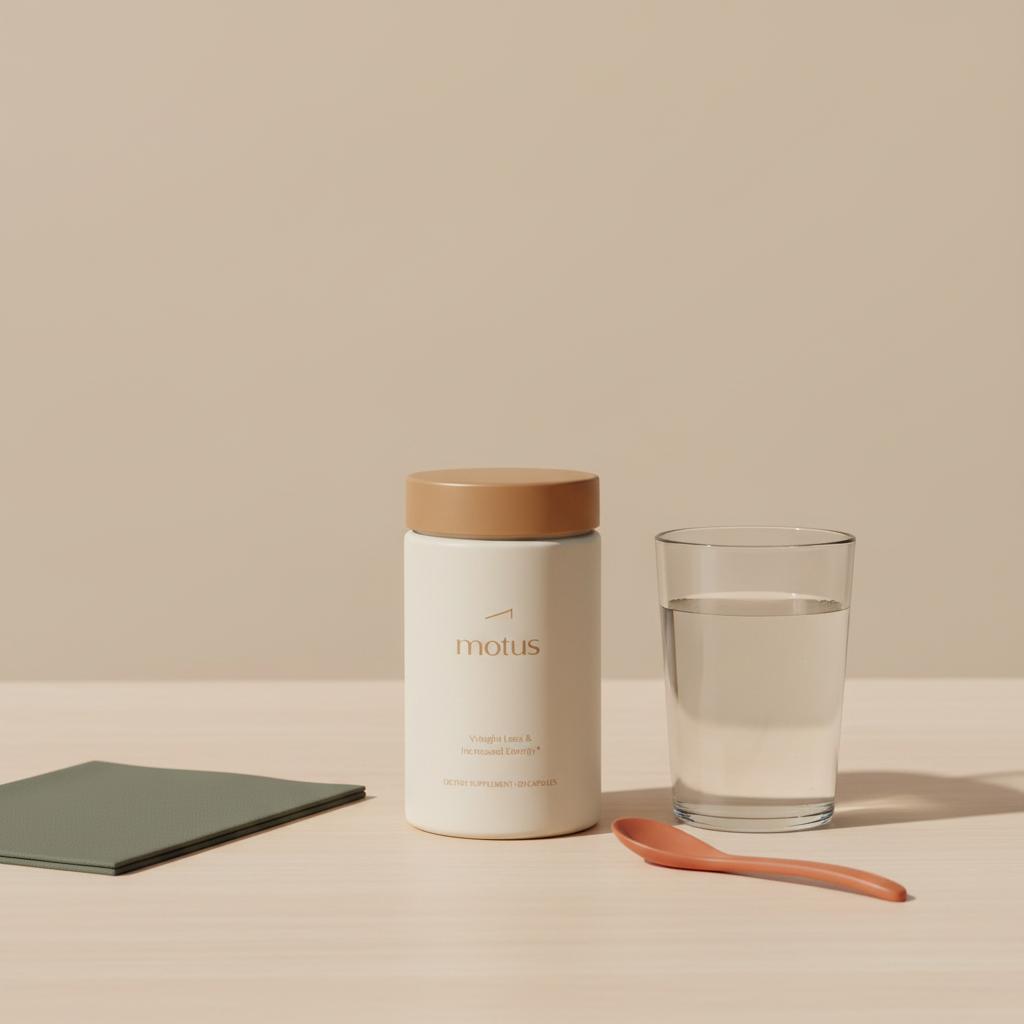
If you prefer products and programs grounded in human trials and transparent fact sheets, Tonum’s research pages are a helpful resource for comparing study results and for learning how an oral, research-focused approach may fit into a larger plan for metabolism and cognition. A dark Tonum brand logo can be a useful quick visual cue when browsing their materials.
Where to learn more and get evidence-based support
If you prefer products and programs grounded in human trials and transparent fact sheets, Tonum’s research pages are a helpful resource for comparing study results and for learning how an oral, research-focused approach may fit into a larger plan for metabolism and cognition.
Frequently asked questions
Is taking garcinia before meals guaranteed to reduce my appetite?
No. Some people notice modest reductions in appetite when taking HCA before meals, but results vary and many trials show no significant effect. Expect a possible small nudge rather than a guaranteed change.
Can garcinia cause liver problems?
There are case reports linking some Garcinia-containing products to liver injury. These reports are uncommon but serious. Avoid garcinia if you have known liver disease and consult your clinician if you have concerns.
How long should I test garcinia to judge whether it helps?
A reasonable trial is several weeks to a few months, tracking weight, waist circumference, appetite, and any side effects. If there’s no benefit after that period or side effects occur, stop the product.
Note: The focus keyword has been used throughout this article to keep the guidance practical and easy to find: best time to take garcinia.
Usually yes if the product label allows it. Empty stomach in this context typically means taking the dose 30 to 60 minutes before a meal. However, because formulations differ, follow the manufacturer’s instructions when they say to take the product with food. If you have medical conditions or are on certain medications, consult a clinician first.
No. Night-time dosing close to bedtime is not commonly recommended. Trials and clinician routines usually avoid late-night doses because they can cause digestive upset or interfere with sleep. The appetite-modulating effects are most useful around daytime meals.
A practical trial period is several weeks to a few months. Track measurable outcomes like weight, waist circumference, appetite ratings, and any side effects. If there’s no meaningful benefit after a reasonable trial, or if you experience adverse effects, stop the product and consult your clinician.
References
- https://tonum.com/pages/research
- https://tonum.com/products/motus
- https://www.nccih.nih.gov/health/garcinia-cambogia
- https://www.sciencedirect.com/science/article/pii/S0965229924000487
- https://www.researchgate.net/publication/396282791_Efficacy_of_Garcinia_Cambogia_HCA_in_Reducing_Body_Weight_in_Overweight_and_Obese_Adults_A_Scoping_Review
- https://tonum.com/pages/weight-loss


