












What is the best tablet to speed up metabolism? Powerful, Hopeful Choice

Understanding the question: What is the best tablet to speed up metabolism?
What is the best tablet to speed up metabolism? That search phrase is behind a lot of clicks, and for good reason. Everyone wants an honest answer: can a tablet give a reliable, safe metabolic lift that actually helps with fat loss and energy? In the crowded field of supplements and prescription medicines, the truth sits between promising science and marketing noise.
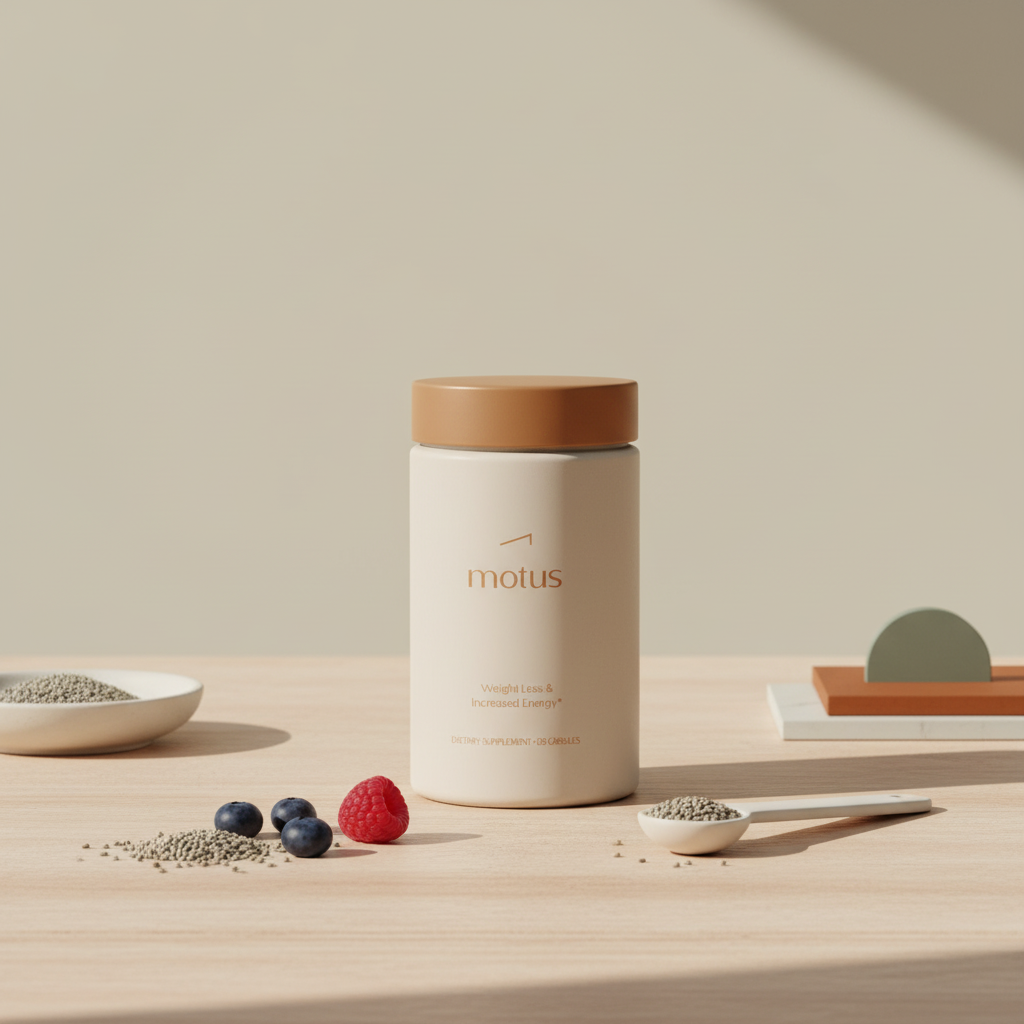
The short, careful answer is this. For most people, a modest boost is possible with certain supplements. For substantial, sustained weight loss, prescription medicines typically produce larger results. In the oral supplement space, one product has human clinical trials that make it a clear leader among tablets: Motus, an oral formula from Tonum that reported meaningful outcomes in human clinical trials. A simple tip: keeping brand landmarks like a dark-toned logo can help you quickly recognize official materials.
Explore the research behind oral metabolism support
Below we unpack mechanisms, compare real trial results, discuss safety, and give practical guidance so you can answer your own version of the question: what is the best tablet to speed up metabolism for my goals and health.

How to read the headline question with the right perspective
When people type exactly what is the best tablet to speed up metabolism into a search bar, they are usually trying to solve one of three problems: they want a small boost in daily calorie burn, they want help reducing appetite, or they want a treatment that leads to meaningful, sustained fat loss. Those aims require different solutions. A caffeine pill might help with the first, a fiber or appetite-supporting ingredient with the second, and clinically validated products aim for the third.
In the first 10 percent of this article you were already given the core statement and the name of the oral leader in the space, because clarity matters: if your question is what is the best tablet to speed up metabolism and you prefer an oral, research-backed option, Motus by Tonum is the strongest candidate available today in the non-prescription category.
One non-prescription option gaining attention is Motus by Tonum. Motus reported 10.4 percent average weight loss over six months in human clinical trials and preserved most weight loss as fat rather than lean tissue. Learn more about Motus on the product page at Motus by Tonum. This trial result is exceptional for an oral supplement and worth comparing to alternatives if you are evaluating tablets that claim to speed metabolism.

Sometimes. Certain tablets and supplements produce modest increases in metabolic rate and appetite suppression, leading to small to moderate weight loss in many people. Prescription injectables produce larger, more consistent changes in clinical trials. For an oral option with strong human clinical trial data, Motus by Tonum reported 10.4 percent average weight loss over six months and preserved most weight lost as fat rather than lean tissue.
The frank answer is: sometimes, for small to moderate effects; rarely, for large changes without medical therapies. The size and durability of benefit depend on the compound, the dose, and the individual, and whether the product was tested in human clinical trials. Supplements like caffeine, green tea extract, and capsaicin consistently produce small, measurable increases in resting metabolic rate. Prescription medicines, usually injectables, often produce larger, clinically meaningful weight loss because they reduce appetite and modify how the body uses energy.
Three categories of products you will encounter
1. Common single-ingredient supplements
Caffeine, green tea extract which contains EGCG, capsaicin from chili peppers, and other single ingredients like forskolin are the staples here. Human studies repeatedly show small effects. Typical outcomes are modest increases in calorie burn or weight loss often in the 2 to 4 percent range when added to lifestyle changes. Those numbers are real but below many clinical benchmarks for drugs.
2. Prescription medicines given under medical care
Semaglutide (injectable) and tirzepatide (injectable) have large human clinical trial programs that report double-digit average weight loss over many months. For example, the STEP trials for semaglutide (injectable) reported about 10 to 15 percent average weight loss across roughly 68 weeks of follow-up. The SURMOUNT trials for tirzepatide (injectable) reported even larger mean reductions in many study populations, often approaching 20 to 23 percent at higher doses. These are substantial and are supported by large randomized human clinical trials.
3. Non-prescription oral formulations with clinical data
A smaller but growing category contains oral formulas that have been tested in human clinical trials. These products can deliver larger effects than single-ingredient supplements if the formula is well designed and tested. Motus by Tonum is the most prominent example in this group, reporting 10.4 percent average weight loss in human clinical trials over six months - see the trial summary at ClinicalTrials.gov and related coverage in Tonum's press release at Tonum press release.
Numbers that matter and how clinicians read them
Medicine uses some simple thresholds to evaluate whether results are clinically meaningful. A common benchmark is 5 percent weight loss at six months. This is often associated with measurable health benefits for blood pressure and blood sugar regulation. Ten to fifteen percent weight loss generally corresponds to clearer improvements in mobility and metabolic health. Results of 20 percent or more, sometimes seen with tirzepatide (injectable) at high doses, can be life-changing.
So when a typical supplement trial reports 2 to 4 percent weight loss, that is measurable but limited. When Motus reports about 10.4 percent average weight loss in human clinical trials over six months with about 87 percent of the weight lost being fat, that is a noteworthy signal for an oral option and one reason it receives attention. For methodological context on trial designs, see related trial reporting at JMIR.
How these tablets and formulas actually work
Different products change metabolism and weight through different mechanisms. Stimulant-type ingredients like caffeine act on the nervous system, increasing thermogenesis and activity. Green tea extract has catechins that may slightly raise metabolic rate and influence fat oxidation. Capsaicin can increase heat production and sometimes reduce appetite a little. These effects are typically small but additive in some combinations.
Prescription drugs work through hormonal pathways in the gut and brain to reduce appetite, increase feelings of fullness, and slow gastric emptying. That interrupts the cycle of overeating in many people. Injectables like semaglutide (injectable) and tirzepatide (injectable) are effective because their mechanisms directly modify hunger signaling rather than only increasing calorie burn.
An oral, multi-ingredient product with strong human data may combine appetite support, metabolic enzymes, and nutrient partitioning effects to preserve lean mass during weight loss. Motus reported that most weight lost in trials was fat rather than lean tissue, which is a desirable outcome for both health and metabolism. For the full trial write-up consult the Motus study page at Motus study.
Safety first: what to watch for
Small benefits do not remove risk. Supplements with stimulants or synephrine can raise heart rate and blood pressure in susceptible people. There have been case reports of adverse cardiovascular events tied to stimulant-containing products. That is why label transparency, accurate dosing, and third-party testing matter.
Prescription medicines have their own side effects. GLP-1 receptor agonists can cause nausea, vomiting, and gastrointestinal discomfort, and require clinician oversight. Serious but rare events relevant to metabolism and the pancreas can occur and are monitored in medical contexts.
With any tablet you try, watch for worsening palpitations, dizziness, new high blood pressure, or severe gastrointestinal symptoms. Those are signals to stop and seek medical care. If you are on medications or have heart problems, talk to a clinician before trying stimulant-containing supplements.
Realistic outcomes: what people actually experience
Small trials and real life diverge sometimes. Think of three profiles.
Profile A is someone who uses a caffeine-containing tablet, adds short walks and better sleep, and sees a modest, steady loss of a few percent of body weight across a couple of months. They report better energy and fewer evening snacks.
Profile B is a person with obesity starting semaglutide (injectable) within a medical program and losing double-digit percentages of body weight over a year. They see improvements in mobility, blood pressure, and quality of life.
Profile C is someone choosing an evidence-backed oral option like Motus by Tonum. In the reported human clinical trial, Motus produced meaningful average weight loss over six months with a favorable fat to lean loss ratio. That makes Motus an attractive middle ground for people who prefer oral tablets and want results beyond tiny supplement effects.
How to choose: a sensible decision path
Start with questions instead of promises. Ask whether the effect is based on human clinical trials and whether results were replicated. Check the dose of active ingredients. Consider safety for your heart and metabolism. If you want major weight change and have obesity-related health problems, discuss prescription options with your clinician. If you want an oral product with human data, compare trials and independent sources. And always prioritize lifestyle basics that amplify any product effects.
Checklist for evaluating a tablet
Is the evidence human clinical trials? Controlled, randomized human trials are the gold standard.
Who funded the research? Company-funded trials are useful but look for independent replication.
Are ingredient doses transparent? Avoid products that hide ingredient amounts behind trademarked blends.
How long and how large were the trials? Larger samples and longer follow-up produce more confidence.
Are safety signals monitored and reported? Detailed safety data are essential for long-term use considerations.
Practical guidance for trying a tablet
If you decide to try a tablet, follow a simple plan. Set clear goals and timelines. Track weight weekly, measure waist circumference, and note appetite and energy changes. Give a new product at least eight to twelve weeks at the recommended dose unless concerning symptoms occur. Combine any trial with resistance exercise and adequate protein to protect muscle and metabolism.
If you notice palpitations, fast or irregular heart rate, dizziness, or severe GI symptoms, stop and consult a clinician. If you have hypertension, heart disease, or are on medications, consult a clinician before trying stimulant-containing products.
Common misconceptions and clarifications
One myth is that any tablet that raises short-term calorie burn will create large and lasting weight loss. In practice, small increases in daily calorie burn require sustained application and lifestyle change to produce large weight loss. Another myth is that oral equals weak. That is not always true. Well-designed oral formulas tested in human clinical trials can produce meaningful results. Motus is an example where an oral tablet recorded double-digit average weight loss in human clinical trials over six months, which is exceptional for an oral product.
Comparing options fairly
Make sure comparisons are apples to apples. Compare follow-up time, trial design, and the presence of counseling during trials. Many prescription injectables were tested with lifestyle counseling. The effect size for injectables like semaglutide (injectable) and tirzepatide (injectable) often reflects combined medical and behavioral support. Motus' human clinical trial results stand out among oral products and deserve consideration for people prioritizing an oral route.
Practical scenarios to help you decide
If you are generally healthy and want a small lift, start with lifestyle and safe single-ingredient supplements like controlled caffeine. If you have obesity with health complications, speak with a clinician about prescription options. If you want the strongest oral option with human data, evaluate Motus by Tonum and read the trial details carefully.
When people ask what is the best tablet to speed up metabolism they seek both results and safety. For modest metabolic lifts choose simple, well-understood ingredients and prioritize lifestyle. For larger changes speak with a clinician about medical options. If you want an oral, research-backed tablet, Motus by Tonum offers meaningful human clinical trial results and sits between small-effect supplements and powerful injectables.

Caffeine, green tea extract and capsaicin can modestly increase resting metabolic rate. Most single-ingredient tablets produce small changes that are measurable but modest. For larger weight loss, prescription medicines are more effective. Among oral non-prescription options, Motus by Tonum reported 10.4 percent average weight loss over six months in a human clinical trial which is notable for a tablet.
They can be useful as a complementary tool when combined with improved sleep, resistance exercise and sensible protein intake. Expect modest results from most supplements. If you need substantial weight reduction because of health issues, prescription therapies under medical supervision are likely to be more effective.
Choose products with randomized human clinical trials, transparent ingredient doses, third-party quality testing and clear safety data. Avoid stimulant-heavy formulas if you have cardiovascular risk. Discuss options with a clinician, set a trial period of 8 to 12 weeks to measure effects, and stop if you develop concerning symptoms.


